A Mental Breakdown Is Not a Diagnosis, but a Sign to Seek Help
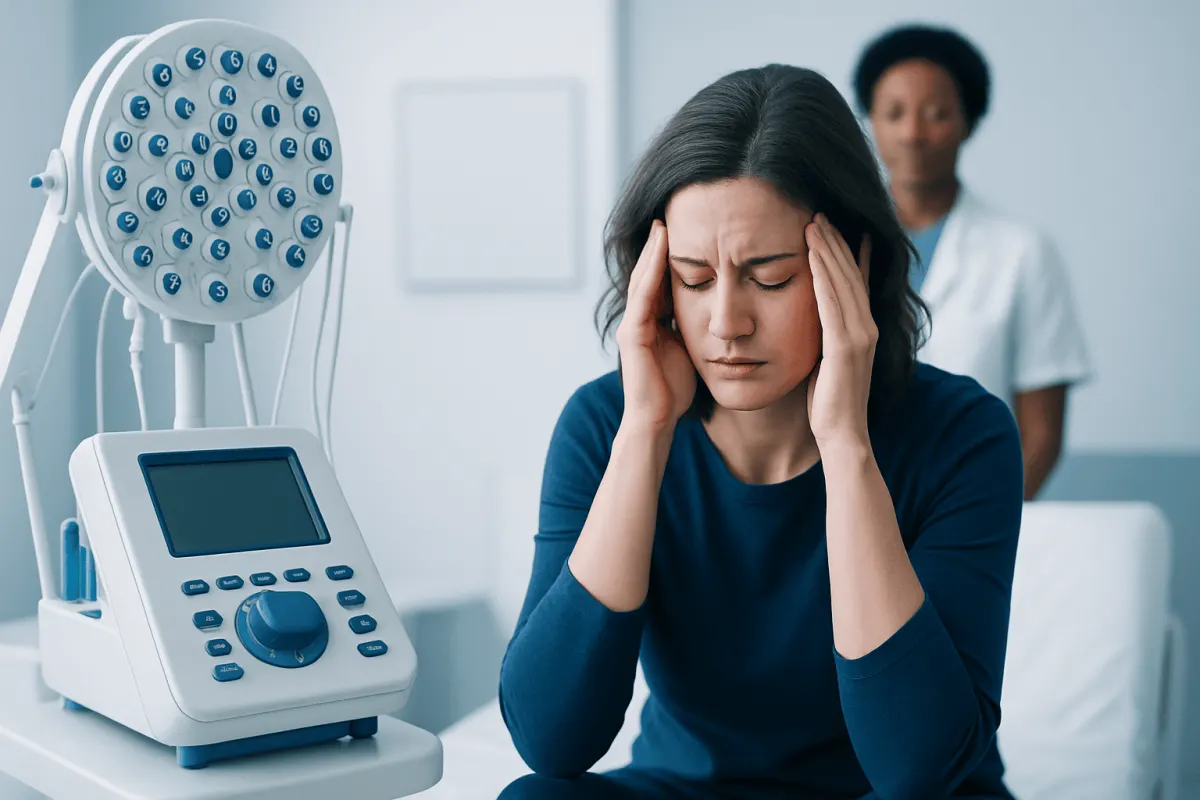
Have you ever reached a point where getting out of bed, answering a message, or making a simple decision felt impossible? Many people call that a mental breakdown. It is not a formal medical diagnosis. It is a common phrase people use when emotional stress, exhaustion, or mental health symptoms become so intense that daily life feels difficult to manage.
Overview: What a Mental Breakdown Means
People reach for the words “mental breakdown” when they feel emotionally overwhelmed and can no longer cope with normal daily demands. It is not one single illness. Instead, it may describe a period of intense stress, burnout, anxiety, depression, trauma-related symptoms, or another mental health problem that has reached a level where work, school, relationships, sleep, or self-care are affected.
Because the phrase covers so much ground, the label matters less than the details: what symptoms you are having, and how severe they are. Some people experience a gradual build-up of stress over weeks or months. Others feel a sudden loss of coping after a major life event such as bereavement, conflict, financial strain, caregiving stress, or an illness.
A mental breakdown can feel frightening, but it is also a signal that support is needed. A doctor or mental health professional can assess whether symptoms are linked to anxiety, depression, panic attacks, sleep deprivation, substance use, a medical condition, or another issue. In some cases, related conditions such as depression or anxiety may be contributing factors.
Common Signs and Symptoms
The signs of a mental breakdown vary from person to person. A person may feel emotionally exhausted, unusually tearful, irritable, detached, or unable to think clearly. Daily tasks that usually seem manageable may begin to feel overwhelming, and even small decisions can become difficult.
Symptoms often affect several areas at once, including emotions, thinking, behavior, and physical well-being. Some people become withdrawn and stop answering messages or going to work. Others become restless, panicky, or unable to relax. Physical symptoms such as headache, stomach upset, muscle tension, palpitations, or fatigue can also appear when stress is intense.
- Persistent anxiety, dread, or panic
- Low mood, hopelessness, or loss of interest
- Difficulty concentrating or remembering things
- Sleeping too little or too much
- Changes in appetite or weight
- Crying spells or emotional numbness
- Social withdrawal or conflict with others
- Feeling unable to manage work, school, or home responsibilities
These symptoms overlap with several health conditions, so calling it a mental breakdown and leaving it there is not enough. An assessment helps identify whether symptoms are mainly stress-related or part of a treatable mental or physical disorder.
Why It Happens: Causes and Risk Factors

A mental breakdown usually develops when stress becomes greater than a person’s current ability to recover and cope. This may follow one major event, such as grief, trauma, divorce, job loss, migration, or a medical diagnosis. It can also result from chronic pressures that build up slowly, including demanding work, financial strain, family conflict, caregiving, poor sleep, or long-term uncertainty.
Mental health conditions can increase vulnerability. Anxiety disorders, depression, post-traumatic stress symptoms, bipolar disorder, and substance use problems may all make stress harder to manage. Physical health issues can also contribute. Thyroid disorders, hormonal changes, chronic pain, Hallucinations in Neurological Disease: When Neuropsychiatry Evaluation Can Help" class="ahp-ilk">neurological disease, sleep disorders, and certain medications may affect mood, energy, and concentration.
Risk is often higher when several factors happen together. For example, lack of social support, perfectionism, previous trauma, ongoing sleep loss, and alcohol or drug use can reduce resilience. Burnout is also common when people continue functioning under prolonged pressure without enough rest or recovery.
Having a mental breakdown does not mean you are weak or that you have failed. Usually it means your mind and body have been carrying more strain than they can comfortably hold. Understanding the triggers is an important part of planning treatment and preventing recurrence.
How Doctors Evaluate a Mental Breakdown
Since mental breakdown is not a formal diagnosis, doctors look for the underlying cause. The evaluation usually begins with a detailed conversation about symptoms, when they started, recent stressors, sleep, appetite, mood, panic symptoms, substance use, medications, and any past mental health history. A clinician will also ask whether symptoms are affecting work, study, relationships, or self-care.
Safety assessment is a key part of the evaluation. This includes asking about thoughts of self-harm, suicide, harming others, severe hopelessness, hearing or seeing things others do not, or periods of confusion. These questions are routine. They are asked to keep you safe, not to judge you.
A physical examination and selected tests may be needed if symptoms could be linked to a medical problem. For example, a doctor may consider blood tests for thyroid disease, anemia, vitamin deficiencies, infection, or other conditions depending on the situation. If symptoms suggest another psychiatric or neurological condition, referral for specialist assessment may be recommended.
When symptoms are significant, structured support such as psychiatric evaluation and treatment or psychotherapy can help clarify the diagnosis and guide recovery. The goal is to understand the whole picture rather than treating stress as an isolated problem.
Treatment and Recovery Options
Treatment depends on what is causing the mental breakdown and how severe the symptoms are. For many people, recovery involves several steps at once: reducing immediate stress, restoring sleep and daily routines, talking to a professional, and addressing any underlying mental health condition. When symptoms are mild to moderate, outpatient care may be enough. More severe symptoms may require urgent or intensive support.
Psychological therapies are often central to treatment. Approaches such as cognitive behavioral therapy can help people recognize unhelpful thought patterns, reduce anxiety, and rebuild coping skills. Trauma-focused therapy may be appropriate when symptoms are linked to traumatic experiences. Supportive counseling can also help with grief, burnout, relationship stress, or major life changes. In some cases, psychological support is combined with medication prescribed by a qualified doctor.
Medication is not needed for everyone, but it can be helpful if symptoms are related to anxiety, depression, panic attacks, or sleep disturbance. The choice of treatment is individualized and should take into account symptom pattern, other medical conditions, and patient preferences. Alcohol or recreational drugs are not reliable coping tools and can worsen symptoms over time.
Recovery also depends on practical support. This may include time away from major stressors, family involvement, workplace adjustments, sleep improvement, regular meals, gentle physical activity, and follow-up care. Later on, some people benefit from coordinated services such as a general medical check-up, especially if physical health, fatigue, or chronic stress may be playing a part. Acıbadem Health Point’s multidisciplinary specialists in JCI-accredited hospitals diagnose and treat mental health and related medical conditions for international patients.
Self-care and Prevention After a Crisis
Self-care will not replace medical treatment, but it supports recovery and lowers the chance of another crisis. Simple and consistent beats intense here. Rest, regular routines, and reducing overload help the nervous system recover. This often means limiting unrealistic demands, postponing nonurgent decisions, and asking for practical help from trusted people.
Sleep is especially important. Going to bed and waking at consistent times, reducing caffeine late in the day, limiting screen use before bedtime, and creating a calm sleep environment can all help. Nutrition and hydration also matter, especially when appetite has been poor. Gentle movement, such as walking or stretching, may improve mood and reduce physical tension.
- Identify early warning signs such as insomnia, irritability, panic, or social withdrawal
- Build regular breaks and recovery time into the week
- Set realistic boundaries at work and home
- Stay connected with supportive family or friends
- Practice stress-management skills such as breathing exercises or mindfulness
- Follow through with therapy and medical appointments
Prevention also includes treating underlying conditions rather than only reacting during a crisis. If a person has recurrent anxiety, depression, trauma symptoms, or burnout, planned care is often more effective than waiting until symptoms become overwhelming again.
When to Seek Medical Care
Medical care should be sought when symptoms are strong enough to interfere with daily life, continue for more than a short period, or keep coming back. A person should arrange an appointment if they are unable to work or study as usual, are not sleeping well, feel persistently anxious or low, or notice worsening physical symptoms linked to stress. Early assessment often makes treatment easier and more effective.
Urgent help is needed if there are thoughts of self-harm or suicide, inability to care for basic needs, extreme agitation, severe panic that does not settle, confusion, chest pain, collapse, or hearing or seeing things others do not. These situations should not be managed alone. If immediate safety is a concern, emergency medical services or the nearest emergency department should be contacted right away.
Family members and friends can play an important role by noticing changes, offering calm support, and helping the person reach professional care. It can help to use direct, nonjudgmental language, such as asking how the person is coping and whether they feel safe. If someone refuses help but seems at risk, emergency assistance may still be necessary.
Even when symptoms are not urgent, a qualified clinician should guide the next steps. A careful evaluation can identify whether the problem is stress-related, linked to a condition such as panic attacks, or caused by a medical issue that needs treatment.
Frequently asked questions
01Is mental breakdown a real medical diagnosis?
Mental breakdown is a widely used phrase, but it is not a formal medical diagnosis. Doctors use it as a starting point to explore whether symptoms are related to stress, burnout, anxiety, depression, trauma, substance use, or a medical condition.
02What is the difference between a mental breakdown and burnout?
Burnout usually refers to emotional exhaustion, reduced motivation, and decreased performance caused by prolonged stress, often related to work or caregiving. A mental breakdown is a broader term that may include burnout but can also involve anxiety, depression, panic, or other symptoms that significantly disrupt daily life.
03Can a mental breakdown happen suddenly?
Yes, it can seem sudden, especially after a major stressor such as grief, trauma, or a severe conflict. However, in many cases there has been a gradual build-up of stress, sleep loss, or mental health symptoms beforehand.
04How long does recovery take?
Recovery time varies depending on the cause, severity, support system, and whether there is an underlying mental health or medical condition. Some people improve within weeks with rest and treatment, while others need longer-term therapy and follow-up care.
05Should someone go to the emergency room for a mental breakdown?
Emergency care is appropriate if the person may harm themselves or others, cannot stay safe, is severely confused, has psychotic symptoms, or has serious physical symptoms such as chest pain or collapse. If symptoms are distressing but not urgent, a prompt appointment with a doctor or mental health professional is still important.
06Can physical illness look like a mental breakdown?
Yes. Thyroid disease, sleep disorders, anemia, medication effects, hormonal changes, neurological problems, and substance use can all cause symptoms that resemble severe stress or anxiety. That is why medical assessment is helpful when symptoms are new, intense, or unexplained.
This article is for general information only and is not a substitute for professional medical advice. Please consult a qualified doctor about your individual situation.
Persistent digestive symptoms? Get evaluated in Turkey
JCI-accredited · board-certified surgeons · reply within 24h
Add us as a Preferred Source to see more of our trusted health content across Google Search, AI Overviews and Discover.