Meningitis and Encephalitis Diagnosis: Key Tests Used
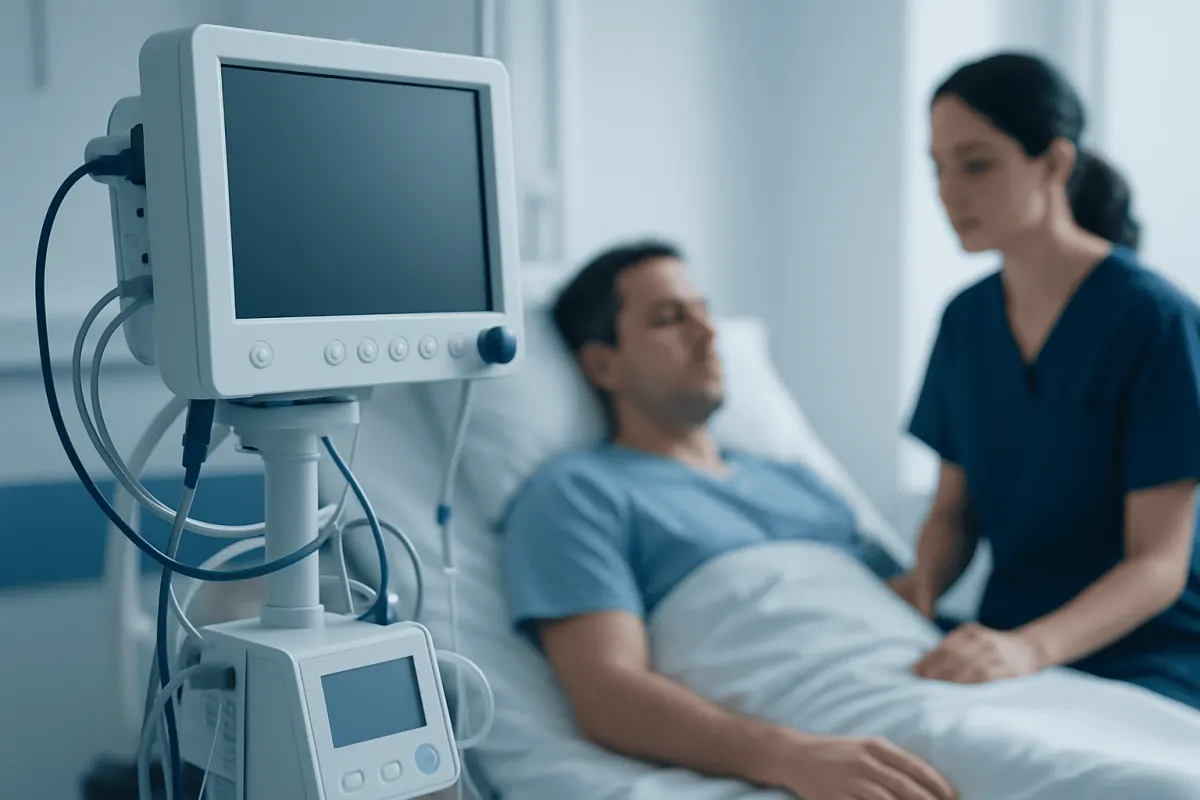
Meningitis and encephalitis are infections or inflammatory conditions affecting the tissues around the brain and spinal cord or the brain itself. Prompt medical assessment is important because symptoms can overlap, causes vary, and early treatment may help prevent complications.
Overview: What Are Meningitis and Encephalitis?
Meningitis is inflammation of the meninges, the thin protective layers surrounding the brain and spinal cord. Encephalitis is inflammation of the brain tissue itself. Both conditions may result from infection, most often viral or bacterial, although fungi, parasites, autoimmune disorders and other non-infectious causes can sometimes be involved.
The conditions can occur separately or together. When both the meninges and brain are affected, clinicians may use the term meningoencephalitis. Because inflammation in or around the brain can affect vital neurological functions, suspected meningitis or encephalitis is assessed urgently in a hospital or emergency setting.
Diagnosis is not based on one symptom or one test alone. Healthcare teams bring together the person’s symptoms, recent health and travel history, examination findings, laboratory tests, imaging and analysis of cerebrospinal fluid. This structured approach helps identify the likely cause and supports timely treatment.
Symptoms That May Prompt Urgent Assessment
Symptoms depend on a person’s age, overall health, the cause of illness and whether the meninges, brain tissue or both are involved. Meningitis may cause fever, headache, neck stiffness, sensitivity to light, nausea, vomiting and marked tiredness. Some people, especially infants, older adults or people with weakened immune systems, may not have the usual pattern of symptoms.
Encephalitis can cause fever and headache as well, but changes in brain function are especially important. These may include confusion, unusual behavior, difficulty speaking, drowsiness, memory problems, weakness, loss of balance, seizures or reduced consciousness. Symptoms can develop over hours or days and may worsen quickly.
A person should seek emergency care for severe headache with fever, a stiff neck, confusion, a seizure, fainting or reduced alertness, new weakness, a rapidly spreading rash, or any sudden and concerning neurological change. In babies and young children, poor feeding, persistent crying, unusual sleepiness, a bulging soft spot on the head or a seizure also require urgent evaluation.
Causes and Risk Factors

Viruses are a common cause of encephalitis and of many milder forms of meningitis. Bacterial meningitis is less common in places with effective vaccination programs, but it remains a medical emergency because it can progress rapidly. Less commonly, tuberculosis, fungal infections, parasites or infections spread by insects or animals may affect the nervous system.
Clinicians ask about recent respiratory or gastrointestinal illness, exposure to someone with meningitis, insect or tick bites, animal contact, travel, freshwater exposure, food exposures and vaccination history. They also review medications and medical conditions that could affect immunity. These details can point toward particular infections and guide the tests ordered.
Risk may be higher in infants, older adults, people with impaired immune function, those without recommended vaccinations, and people who have had certain neurosurgical procedures or head injuries. However, meningitis and encephalitis can also occur in otherwise healthy people, so symptoms should not be dismissed based on age or general fitness alone.
- Some infections are contagious, while others are not spread person to person.
- Vaccination can reduce the risk of several important causes of meningitis.
- Travel and seasonal exposures may influence which infections are considered.
How Doctors Evaluate Suspected Neuroinfectious Disease
Assessment begins with a rapid review of symptoms and a physical and neurological examination. The clinician checks temperature, blood pressure, heart rate, breathing, level of alertness, neck movement, strength, sensation, coordination and signs of skin rash. They also look for evidence of dehydration, infection elsewhere in the body or signs that pressure inside the skull may be elevated.
Blood tests may include a complete blood count, markers of inflammation, blood cultures and tests of kidney and liver function. Blood cultures can identify bacteria in the bloodstream and are often collected before antibiotics are given when this can be done without delaying urgent care. Depending on the clinical situation, testing may also include screening for viruses, immune conditions or infections associated with travel and exposure history.
Doctors also consider conditions that can resemble central nervous system infection, including stroke, bleeding around the brain, severe migraine, metabolic disturbances, medication effects, seizures and autoimmune encephalitis. This is one reason a careful examination and a broad initial assessment are so important.
Lumbar Puncture and Cerebrospinal Fluid Testing
A lumbar puncture, sometimes called a spinal tap, is often one of the most informative tests for suspected meningitis or encephalitis. During the procedure, a clinician uses a thin needle to collect a small sample of cerebrospinal fluid, the clear fluid that cushions the brain and spinal cord. The procedure is usually performed with local anesthetic, and patients are positioned lying on their side or sitting forward.
Laboratory analysis of cerebrospinal fluid can measure cell counts, protein and glucose levels and look for bacteria, viruses, fungi or other infectious causes. Testing may include culture, molecular tests that detect genetic material from organisms, and selected antibody studies. The pattern of results can help distinguish bacterial, viral, fungal and non-infectious inflammation, though final results may take time.
Not everyone can have a lumbar puncture immediately. If a person has certain neurological findings, severe immune suppression, a recent seizure, reduced consciousness or other features suggesting increased pressure in the skull, brain imaging may be performed first. When bacterial meningitis is strongly suspected, doctors may start antimicrobial treatment promptly rather than wait for every investigation to be completed.
Brain Imaging, EEG and Other Diagnostic Tests
Computed tomography (CT) or magnetic resonance imaging (MRI) of the brain may be used to look for swelling, bleeding, abscesses, stroke-like changes, tumors or other conditions that could explain symptoms. MRI often provides more detailed information about brain tissue and may reveal patterns of inflammation that support a diagnosis of encephalitis.
Imaging does not replace cerebrospinal fluid testing in many cases, but it can help determine whether a lumbar puncture can be performed safely and identify complications that need separate management. Chest imaging, sinus imaging or scans of other parts of the body may occasionally be used when doctors are searching for an infection source.
An electroencephalogram, or EEG, records the brain’s electrical activity. It may be useful when a person has seizures, unexplained confusion or reduced responsiveness, including seizures that are not outwardly visible. In selected cases, specialists may request additional blood, fluid or tissue tests to investigate autoimmune encephalitis or uncommon infections.
Treatment While Tests Are Underway
Early treatment decisions are based on the seriousness of symptoms and the most likely causes. If bacterial meningitis is possible, antibiotics are commonly started urgently after appropriate samples are collected, or immediately if collecting samples would cause a delay. Antiviral treatment may be given when particular viral causes of encephalitis are suspected. Other treatments may be needed for fungal, tuberculosis-related or parasitic infections.
Supportive care is also important. It may include intravenous fluids, oxygen when needed, fever and pain management, treatment for seizures, and close monitoring of consciousness and breathing. Some people require care in a high-dependency or intensive care setting, particularly if they are severely unwell or have complications.
Once test results are available, the treatment plan can be adjusted to target the identified cause. Recovery needs vary widely. Some people improve fully, while others benefit from rehabilitation for memory, speech, movement, fatigue or emotional changes after encephalitis. Follow-up may involve infectious disease, neurology, rehabilitation and other specialists.
Prevention, Follow-Up and When to Seek Help
Recommended vaccinations are an important preventive measure for several causes of meningitis, including certain bacterial infections. Keeping routine vaccinations up to date, following travel vaccine advice, practicing hand hygiene and taking sensible precautions against insect bites can lower risk in appropriate settings. People should discuss individualized prevention strategies with a qualified clinician, especially if they have reduced immunity or are planning travel.
When a contagious bacterial cause is confirmed or strongly suspected, public health teams may identify close contacts who could need preventive antibiotics or vaccination. This is determined by the type of organism and the nature of exposure; not every type of meningitis requires preventive treatment for contacts.
Anyone with possible symptoms of meningitis or encephalitis should seek urgent medical assessment rather than monitoring at home. Acıbadem Health Point’s multidisciplinary specialists and JCI-accredited hospitals diagnose and treat neuroinfectious conditions for international patients, with care tailored to the findings and individual needs.
Frequently asked questions
01What is the main difference between meningitis and encephalitis?
Meningitis affects the protective membranes around the brain and spinal cord, while encephalitis affects the brain tissue itself. Their symptoms may overlap, and both can occur together. Encephalitis is more likely to cause confusion, seizures, behavior changes or other changes in brain function.
02How is meningitis diagnosed?
Diagnosis usually includes urgent clinical assessment, blood tests and a lumbar puncture to analyze cerebrospinal fluid. Brain imaging may be performed before lumbar puncture in some circumstances. Doctors use the combined findings to identify the likely cause and begin appropriate treatment.
03Is a lumbar puncture painful?
A lumbar puncture is performed with local anesthetic, which numbs the skin and deeper tissues. People may feel pressure or brief discomfort during the procedure, but severe pain is not expected. The healthcare team explains the process, benefits and possible side effects before obtaining consent whenever possible.
04Can blood tests diagnose encephalitis on their own?
Blood tests provide important information about infection, inflammation and general health, but they often cannot confirm encephalitis by themselves. Cerebrospinal fluid testing, MRI and sometimes EEG are commonly needed. The exact investigations depend on symptoms and the suspected cause.
05Do doctors wait for test results before treating suspected bacterial meningitis?
No. When bacterial meningitis is suspected, treatment may begin urgently because waiting can be unsafe. Samples such as blood cultures and cerebrospinal fluid are collected first when possible, but treatment should not be delayed if this cannot be done promptly.
06Are meningitis and encephalitis contagious?
This depends on the cause. Some viruses and bacteria that can cause meningitis spread between people, while many other causes do not. If a contagious infection is identified, clinicians and public health authorities can advise whether close contacts need testing, preventive medicine or vaccination.
This article is for general information only and is not a substitute for professional medical advice. Please consult a qualified doctor about your individual situation.
Persistent digestive symptoms? Get evaluated in Turkey
JCI-accredited · board-certified surgeons · reply within 24h
Add us as a Preferred Source to see more of our trusted health content across Google Search, AI Overviews and Discover.
More from the Health Library
Understanding Acute Disseminated Encephalomyelitis: A Complete Patient Guide

Forehead Headache: Common Causes, Related Conditions, and When to See a Doctor