Memory Loss in Younger Adults: When a Neurology Workup Is Needed

Memory lapses in younger adults are common and often linked to stress, poor sleep, mood changes, or medications. Still, persistent or worsening memory loss deserves medical attention, especially when it affects work, safety, language, behavior, or daily functioning.
Overview
Forgetting a name, misplacing keys, or losing track of why someone entered a room can happen at any age. In younger adults, occasional lapses are usually not a sign of dementia. They are more often related to sleep deprivation, stress, multitasking, anxiety, depression, alcohol or drug use, medication side effects, or an overloaded routine.
Memory is not a single skill. It includes attention, learning new information, storing it, and retrieving it later. Sometimes a person feels they have “memory loss” when the main problem is actually poor concentration, mental fatigue, or disrupted sleep. This distinction matters, because the causes and treatments can be very different.
A neurology workup may be needed when memory difficulties are persistent, progressive, or paired with other symptoms such as headaches, personality change, balance problems, visual symptoms, weakness, numbness, language difficulty, or episodes of confusion. The goal is not to assume the worst, but to identify whether the problem is due to a reversible medical issue, a mental health condition, or a neurological disorder that needs targeted care.
Symptoms That Deserve Attention
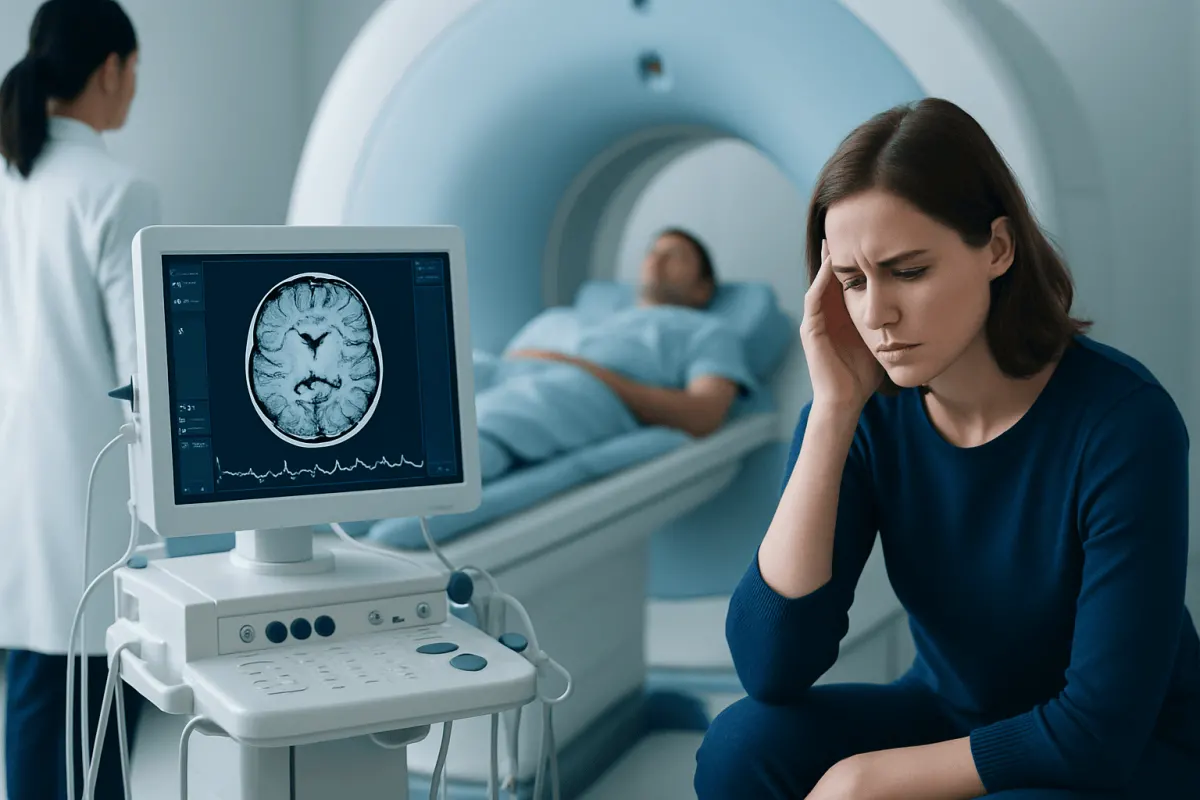
Common memory-related concerns include forgetting recent conversations, repeating questions, trouble following instructions, difficulty finding words, losing track of appointments, or struggling to learn new information. Some people notice reduced performance at work, while others are told by family or coworkers that they seem unusually forgetful or mentally “slowed down.”
Doctors look not only at memory itself, but at the pattern of symptoms. For example, trouble focusing during stress is different from becoming disoriented in familiar places. Forgetfulness that comes and goes with poor sleep or emotional strain may point to one cause, while steadily worsening memory over months may suggest another.
Warning signs that should prompt medical review include:
- Memory problems that interfere with work, studies, finances, driving, or daily tasks
- Noticeable worsening over time
- Language problems, such as difficulty naming common objects or following conversation
- Changes in personality, judgment, motivation, or behavior
- New headaches, seizures, fainting, imbalance, tremor, or weakness
- Episodes of confusion or “lost time”
- Memory changes after a head injury
If symptoms begin suddenly, especially with one-sided weakness, facial droop, trouble speaking, severe headache, or loss of consciousness, urgent emergency care is needed because these can be signs of stroke or another serious neurological event.
Possible Causes and Risk Factors

In younger adults, memory symptoms often come from causes that are treatable. Sleep deprivation is one of the most common. Poor-quality sleep, shift work, obstructive sleep apnea, and disorders such as narcolepsy can all affect attention and short-term recall. Mood disorders are also important: depression, anxiety, and chronic stress can reduce concentration and make memory feel much worse than it is.
Medications and substances are another major factor. Sedatives, some antihistamines, certain pain medicines, recreational drugs, and excessive alcohol can all impair memory. So can some medical conditions, including thyroid disease, vitamin B12 deficiency, anemia, infections, autoimmune disorders, poorly controlled epilepsy, and metabolic problems involving the liver, kidneys, or blood sugar.
Neurological causes are less common, but they do occur. These may include multiple sclerosis, seizure disorders, migraine-related cognitive symptoms, inflammatory brain conditions, complications after concussion, brain tumors, or rare early-onset neurodegenerative disorders. A family history of conditions such as Huntington disease may also be relevant in selected cases.
Risk factors that may increase concern include a recent head injury, heavy substance use, severe sleep problems, autoimmune disease, uncontrolled vascular risk factors, recurrent episodes of confusion, or a strong family history of neurological illness. Frequent headaches can also affect concentration and memory, whether related to migraine or tension-type headache.
When a Neurology Workup Is Needed
A primary care doctor can often begin the initial evaluation, but referral to a neurologist is usually appropriate when the symptoms are unusual for age, unexplained, or persistent despite addressing common triggers. The need for specialist assessment becomes stronger if memory issues are getting worse, if others have noticed a change, or if daily function is clearly affected.
A neurology workup is also more likely when memory symptoms come with additional neurological features. These may include seizures, tremor, weakness, numbness, falls, coordination problems, new visual symptoms, severe headaches, episodes of altered awareness, or changes in speech. Sudden onset, fluctuating confusion, or symptoms after head trauma are also important reasons for prompt evaluation.
In some cases, the person’s main complaint is memory, but the specialist may discover that the underlying issue is attention, sleep, mood, or executive function. This is why neurologists often work together with experts in neuropsychology, sleep medicine, psychiatry, and internal medicine. A careful assessment can clarify whether the pattern points to stress-related cognitive symptoms, a systemic medical problem, or a condition involving the brain and nervous system.
How Doctors Diagnose the Cause
Diagnosis starts with a detailed history. The doctor will ask when symptoms began, whether they are constant or intermittent, how they affect work and home life, and whether there are associated symptoms such as headaches, mood changes, sleep problems, or episodes of confusion. Input from a partner, family member, or close friend can be very helpful, because they may notice patterns the individual does not.
A neurological examination looks at strength, sensation, reflexes, coordination, eye movements, speech, and balance. Brief cognitive screening may assess attention, language, recall, and problem-solving. Depending on the situation, blood tests may be ordered to check for thyroid problems, vitamin deficiencies, infection, inflammation, blood sugar abnormalities, or other medical causes.
If the symptoms or examination suggest a brain-related cause, imaging such as MRI may be recommended, often with support from advanced neuroradiology services. Some patients also benefit from formal cognitive assessment through comprehensive cognitive testing, which can identify subtle patterns in memory, attention, processing speed, and executive function. If seizures are suspected, neurophysiology testing such as EEG may be used. Sleep assessment may be needed when fatigue, daytime sleepiness, or disrupted sleep appears central to the problem.
The purpose of testing is to narrow the possibilities, not simply to label symptoms. Often, the results help rule out serious disease and guide practical treatment for reversible factors. In more complex cases, the evaluation may involve specialists in neuropsychiatry or other areas of neurology.
Treatment Options
Treatment depends on the underlying cause. If memory symptoms are linked to poor sleep, treatment may focus on sleep hygiene, evaluation for sleep disorders, and adjusting work or lifestyle patterns. If depression, anxiety, or chronic stress is contributing, psychological therapy, stress management, and medical treatment when appropriate can significantly improve concentration and day-to-day memory function.
When medications, alcohol, or recreational drugs are involved, safer alternatives or supervised reduction may help. Vitamin deficiencies, thyroid disorders, infections, and metabolic problems can often be treated directly. If migraine, seizures, inflammatory neurological disease, or complications after concussion are identified, the treatment plan is tailored to that diagnosis.
Formal cognitive rehabilitation strategies may also be recommended. These can include memory aids, planner systems, reducing multitasking, setting routines, using reminder apps, and learning ways to improve attention before trying to remember new information. Practical steps are often very effective, especially when combined with treatment of the root cause.
For international patients who need specialist assessment, Acıbadem Health Point’s multidisciplinary neurology teams in JCI-accredited hospitals diagnose and treat memory-related conditions using coordinated neurological, imaging, and cognitive evaluations.
Self-care, Prevention, and Daily Support
Not every episode of forgetfulness can be prevented, but brain health habits can reduce day-to-day cognitive strain. Consistent sleep, regular physical activity, balanced nutrition, hydration, and avoiding excess alcohol all support memory. Managing stress matters as well, because chronic mental overload can strongly affect attention and recall.
Simple environmental changes can help. Using one place for keys and essentials, keeping a shared calendar, breaking tasks into smaller steps, and reducing distractions during conversations or work can make memory feel more reliable. Many people benefit from doing one task at a time rather than multitasking.
It is also wise to review medications with a clinician if new memory symptoms appear. People should not stop prescribed medicines on their own, but they can ask whether side effects, interactions, or timing of doses may be contributing. If symptoms follow a head injury, rest and follow-up are important, especially when there are headaches, dizziness, or concentration problems afterward.
When to See a Doctor
A medical appointment is appropriate if memory problems last more than a few weeks, keep returning, or start to affect work, school, relationships, or safety. Younger adults should also seek assessment if they feel mentally different from their usual baseline without a clear explanation, especially if friends or family have noticed a change.
Prompt evaluation is important when memory loss appears with tremor, coordination problems, numbness, fainting, severe or new headaches, personality changes, or episodes of confusion. Emergency care is needed for sudden symptoms, seizure activity, high fever with confusion, or stroke-like signs such as weakness or speech difficulty.
Early evaluation can be reassuring as well as informative. In many cases, the cause is manageable or reversible. Even when symptoms are complex, a timely neurology workup can help the person understand what is happening and what next steps may improve daily function and quality of life.
Frequently asked questions
01Is memory loss in younger adults always serious?
No. In younger adults, memory symptoms are often related to stress, anxiety, depression, poor sleep, medication effects, or substance use. Still, symptoms that persist, worsen, or interfere with daily life should be assessed by a qualified doctor.
02What is the difference between poor concentration and true memory loss?
Poor concentration means the brain does not fully register information in the first place, so it is hard to recall later. True memory loss involves difficulty storing or retrieving information even when attention seemed adequate. A clinical evaluation can help distinguish between the two.
03When should a younger adult see a neurologist for memory problems?
A neurology visit is reasonable when symptoms are ongoing, progressive, unusual for age, or accompanied by headaches, seizures, weakness, language changes, balance problems, or personality change. Referral is also helpful when initial treatment of sleep, mood, or medical issues does not improve symptoms.
04What tests are usually done in a neurology workup for memory loss?
The evaluation often includes a detailed history, neurological examination, and basic cognitive screening. Depending on the findings, doctors may order blood tests, brain MRI, EEG, sleep assessment, or formal neuropsychological testing.
05Can anxiety or depression really cause memory problems?
Yes. Anxiety and depression can significantly affect attention, processing speed, motivation, and short-term recall. When mood symptoms improve, memory function often improves as well, although persistent symptoms still deserve proper evaluation.
06Can memory problems improve with treatment?
Often, yes. Many common causes in younger adults are reversible or manageable, including sleep disorders, vitamin deficiencies, medication side effects, and mental health conditions. Improvement depends on the cause, how long symptoms have been present, and whether treatment starts early.
This article is for general information only and is not a substitute for professional medical advice. Please consult a qualified doctor about your individual situation.
Explore treatments in Turkey — costs, top hospitals & a free quote
JCI-accredited · board-certified surgeons · reply within 24h
Add us as a Preferred Source to see more of our trusted health content across Google Search, AI Overviews and Discover.