Memory and Mood Changes After Concussion: When Neuropsychology Helps

Memory lapses, irritability, anxiety, and low mood can happen after a concussion, even when scans are normal. Neuropsychology helps identify how a concussion is affecting thinking, emotions, and daily life, and can guide recovery strategies.
Overview: why concussion can affect memory and mood
A concussion is a mild After the Initial Recovery" class="ahp-ilk">traumatic brain injury that temporarily changes how the brain functions. It can follow a fall, sports injury, traffic accident, or any blow or jolt to the head or body. Some people lose consciousness, but many do not. Even when brain scans are normal, a person may still have real symptoms because concussion often affects brain function more than brain structure.
After a concussion, it is common to notice forgetfulness, slowed thinking, trouble concentrating, irritability, anxiety, sadness, or feeling emotionally “off.” These changes can be frustrating because they may not be visible to others. Symptoms may also fluctuate from day to day, especially when the person is tired, stressed, in pain, or trying to do too much too soon.
For many people, symptoms gradually improve over days to weeks. However, some continue to have problems that affect school, work, driving, exercise, or family life. This is one reason neuropsychology can be helpful. Neuropsychology focuses on how brain function relates to attention, memory, problem-solving, behavior, and emotions, and it can help explain why a person is struggling even when routine tests appear reassuring.
Common symptoms after concussion
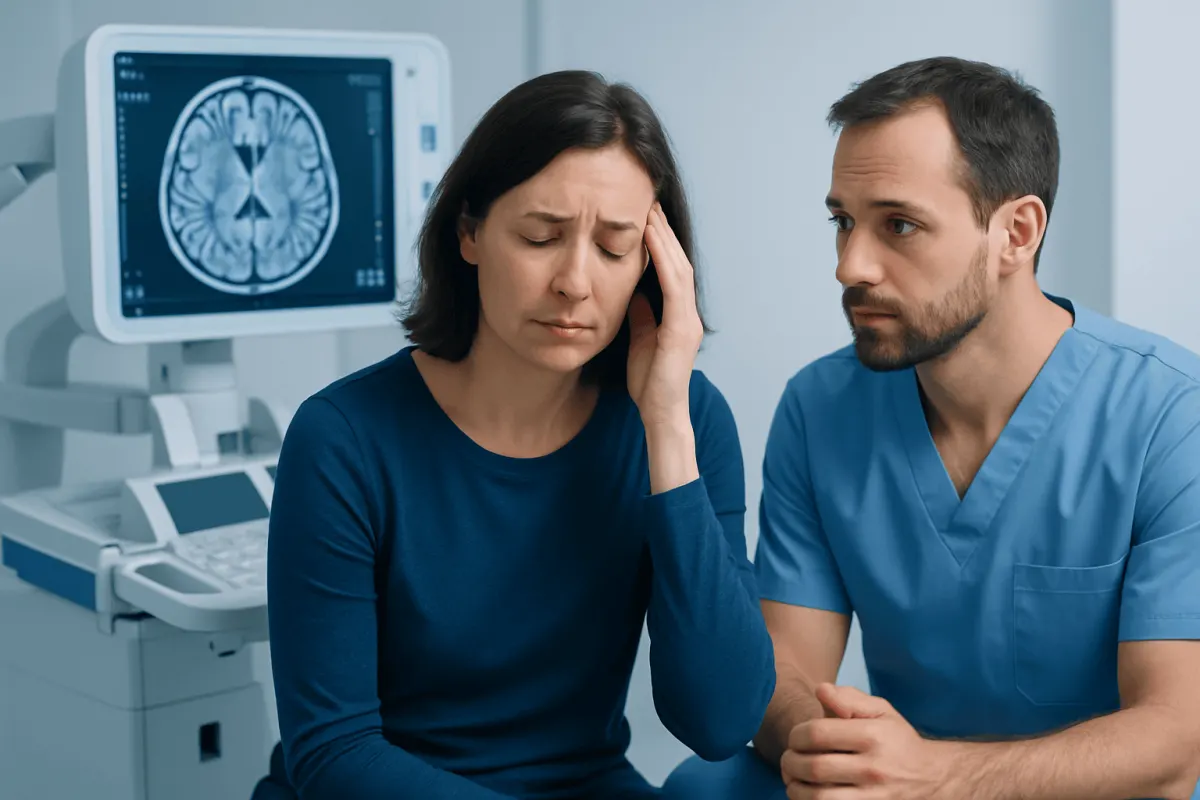
Concussion symptoms are often grouped into physical, cognitive, emotional, and sleep-related categories. A person may have only a few symptoms or several at once. The pattern is not always the same from one person to another.
Cognitive symptoms can include poor concentration, slowed processing speed, difficulty multitasking, feeling mentally foggy, losing track of conversations, and short-term memory problems. Emotional symptoms may include irritability, mood swings, anxiety, low mood, frustration, tearfulness, or feeling less able to cope with everyday demands. Physical symptoms often include headache, dizziness, nausea, sensitivity to light or noise, and fatigue. Sleep can also change, with insomnia, sleeping more than usual, or unrefreshing sleep.
These symptoms can overlap and reinforce one another. For example, poor sleep can make memory feel worse, headaches can reduce concentration, and anxiety can increase awareness of every lapse or mistake. Some people also develop balance symptoms or headache patterns that need separate attention, including tension-type headache or other post-traumatic headaches.
- Attention and concentration problems
- Forgetfulness and mental fog
- Irritability, anxiety, or low mood
- Headache, dizziness, and fatigue
- Sleep disturbance and reduced stress tolerance
Why these changes happen

Concussion temporarily disrupts the brain’s normal communication systems. This can affect networks involved in attention, memory, emotional regulation, and energy use. In the early phase, the brain may be more sensitive to stress, overstimulation, and exertion, which is why symptoms sometimes worsen after screens, busy environments, or complex tasks.
Symptoms do not always come from one cause alone. Pain, poor sleep, vestibular problems, visual strain, medication effects, and emotional stress can all contribute. Someone who is worried about recovery may also become more aware of normal slips in memory, which can make the problem feel even larger. Pre-existing migraine, anxiety, depression, ADHD, or prior concussions can influence how symptoms are experienced and how long recovery takes.
It is also important to remember that not every symptom after a head injury is due to a simple concussion. Persistent or unusual symptoms may lead a clinician to consider other conditions, such as a delayed bleed like chronic subdural hematoma or, when symptoms suggest a vascular problem, conditions such as stroke. That is why evaluation should be individualized rather than based on symptoms alone.
When neuropsychology helps
Neuropsychology is especially useful when symptoms continue, when school or work performance is affected, or when there is uncertainty about why recovery feels slow. A neuropsychologist uses interviews, questionnaires, and standardized thinking tests to measure areas such as attention, learning, memory, processing speed, language, and executive function. Emotional symptoms such as anxiety, depression, irritability, and stress are also assessed because they strongly influence day-to-day function.
The goal is not simply to label a problem. It is to build a clear picture of strengths, weaknesses, and practical needs. This can help distinguish between common post-concussion slowing, the effects of pain or sleep loss, and other contributing factors. Recommendations may include workload adjustments, pacing strategies, school accommodations, driving guidance, psychotherapy, cognitive rehabilitation, or referral to other specialists.
Neuropsychology can also be helpful for athletes, students, and professionals who need decisions about returning safely to demanding activities. In a multidisciplinary setting, assessment may be coordinated with neuropsychology, sports neurology, or neuropsychiatry when mood, behavior, or recovery complexity needs additional support.
Diagnosis and evaluation
Diagnosis begins with a medical history and neurological examination. The clinician will ask how the injury happened, whether there was loss of consciousness or amnesia, what symptoms started afterward, and how they are affecting daily life. They will also ask about previous concussions, migraines, learning differences, mental health history, medications, sleep, and substance use, because these can shape symptoms and recovery.
Brain imaging is not needed for every concussion. CT or MRI may be recommended if there are red flags, worsening symptoms, or concern for another injury. Imaging can identify bleeding, fracture, or other structural problems, but it does not measure many of the functional difficulties that cause mental fog or mood change. In selected cases, further assessment may involve vestibular, vision, or sleep evaluation, and sometimes neuroradiology or neurophysiology services contribute to the wider picture.
Neuropsychological testing is often most useful when symptoms persist beyond the expected early recovery period, when there are questions about return to work or school, or when treatment planning is unclear. The results can provide a baseline for recovery, guide rehabilitation, and help families and employers understand that symptoms are real, measurable, and manageable.
Treatment options and recovery support
There is no single medicine that cures concussion, so treatment focuses on symptom relief, gradual recovery, and addressing the factors that prolong symptoms. In the first day or two, relative rest is usually recommended. This means avoiding activities that clearly worsen symptoms while still allowing light daily tasks as tolerated. After the very early phase, most people benefit from a gradual, symptom-guided return to physical and mental activity rather than prolonged complete rest.
If memory and mood changes continue, treatment may include education, reassurance, sleep support, headache treatment, vestibular therapy, vision therapy, psychotherapy, and cognitive rehabilitation strategies. A neuropsychologist may teach pacing, planning, note-taking systems, environmental changes, and ways to reduce cognitive overload. Mood symptoms may improve when headaches, sleep disruption, and uncertainty about recovery are addressed, but some people also benefit from counseling or psychiatric care.
Headaches, dizziness, and sleep problems should not be ignored, because they can maintain concentration and memory difficulties. Depending on symptoms, a clinician may involve services such as headache medicine or neurological sleep medicine. Near the end of a more complex recovery, Acıbadem Health Point’s multidisciplinary specialists in JCI-accredited hospitals may help diagnose and treat concussion-related cognitive and emotional symptoms for international patients.
Self-care, prevention, and when to seek medical help
Practical self-care can make recovery smoother. Helpful steps include keeping a regular sleep schedule, staying hydrated, limiting alcohol, pacing activities, taking short breaks before symptoms build, and slowly increasing exercise if a doctor says it is safe. Many people benefit from reducing multitasking, using calendars or reminders, and asking for temporary support at work or school. Family members can help by keeping communication calm and expectations realistic.
To reduce the chance of another concussion, it is important to return to sports, driving, and high-risk work only when medically cleared. Using seat belts, fall-prevention measures, workplace safety equipment, and sport-specific protective gear can help lower risk. A second head injury during recovery may worsen symptoms and delay improvement.
Medical review should be sought promptly if symptoms are not improving, are interfering significantly with daily life, or if emotional symptoms feel overwhelming. Emergency care is needed for warning signs such as severe or worsening headache, repeated vomiting, increasing confusion, seizure, fainting, slurred speech, weakness, unusual drowsiness, unequal pupils, or behavior that seems dramatically different. These signs do not necessarily mean a serious complication, but they do need urgent assessment.
Frequently asked questions
01Are memory and mood changes normal after a concussion?
Yes. Many people notice forgetfulness, mental fog, irritability, anxiety, or low mood after a concussion. These symptoms are common and often improve with time, but they should still be discussed with a qualified doctor if they persist or interfere with daily life.
02How long do post-concussion memory problems usually last?
Recovery varies from person to person. Many symptoms improve within days to weeks, while some people continue to have difficulties for longer and may need more structured support. Ongoing symptoms deserve medical review to look for treatable contributors such as sleep problems, headaches, anxiety, or vestibular issues.
03What does a neuropsychologist do after a concussion?
A neuropsychologist evaluates thinking skills and emotional functioning using interviews, questionnaires, and standardized tests. They help identify which problems are most affecting daily life and recommend practical strategies, accommodations, and referrals to support recovery.
04Can someone have concussion symptoms even if a CT or MRI scan is normal?
Yes. Concussion often affects how the brain functions rather than causing changes that appear on routine imaging. A normal scan can be reassuring, but it does not rule out real symptoms such as concentration problems, headaches, dizziness, or mood changes.
05When should someone seek urgent care after a concussion?
Urgent medical attention is needed for severe or worsening headache, repeated vomiting, seizure, unusual drowsiness, fainting, weakness, slurred speech, increasing confusion, or major behavior change. These symptoms need prompt assessment to rule out complications.
06Can anxiety or depression make post-concussion symptoms feel worse?
Yes. Anxiety, depression, stress, and poor sleep can intensify attention and memory problems and make recovery feel slower. This does not mean symptoms are “just psychological”; it means emotional health is an important part of concussion care.
This article is for general information only and is not a substitute for professional medical advice. Please consult a qualified doctor about your individual situation.
Explore treatments in Turkey — costs, top hospitals & a free quote
JCI-accredited · board-certified surgeons · reply within 24h
Add us as a Preferred Source to see more of our trusted health content across Google Search, AI Overviews and Discover.