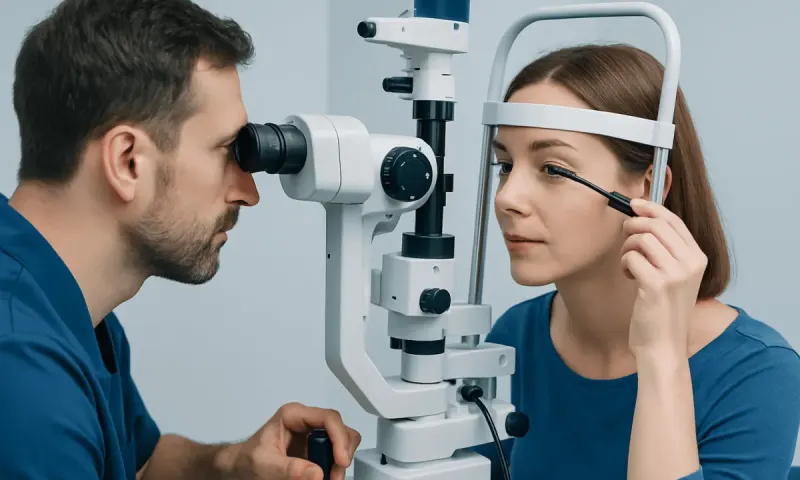
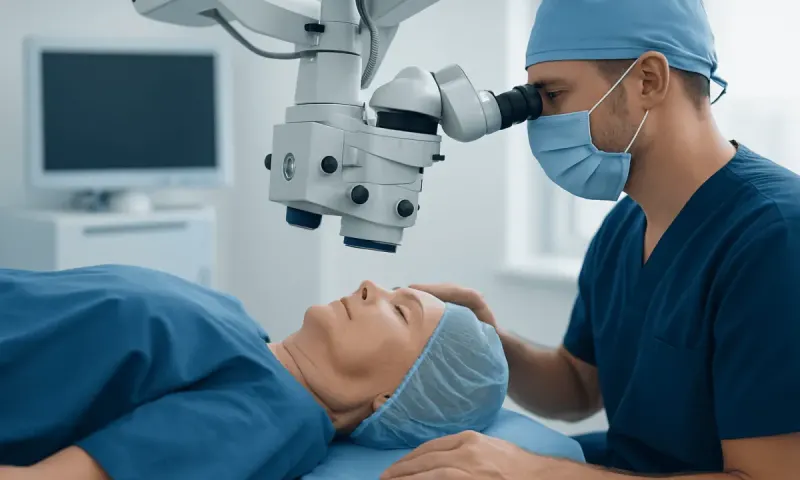
Manual or Laser Cataract Surgery: Which Is Better?
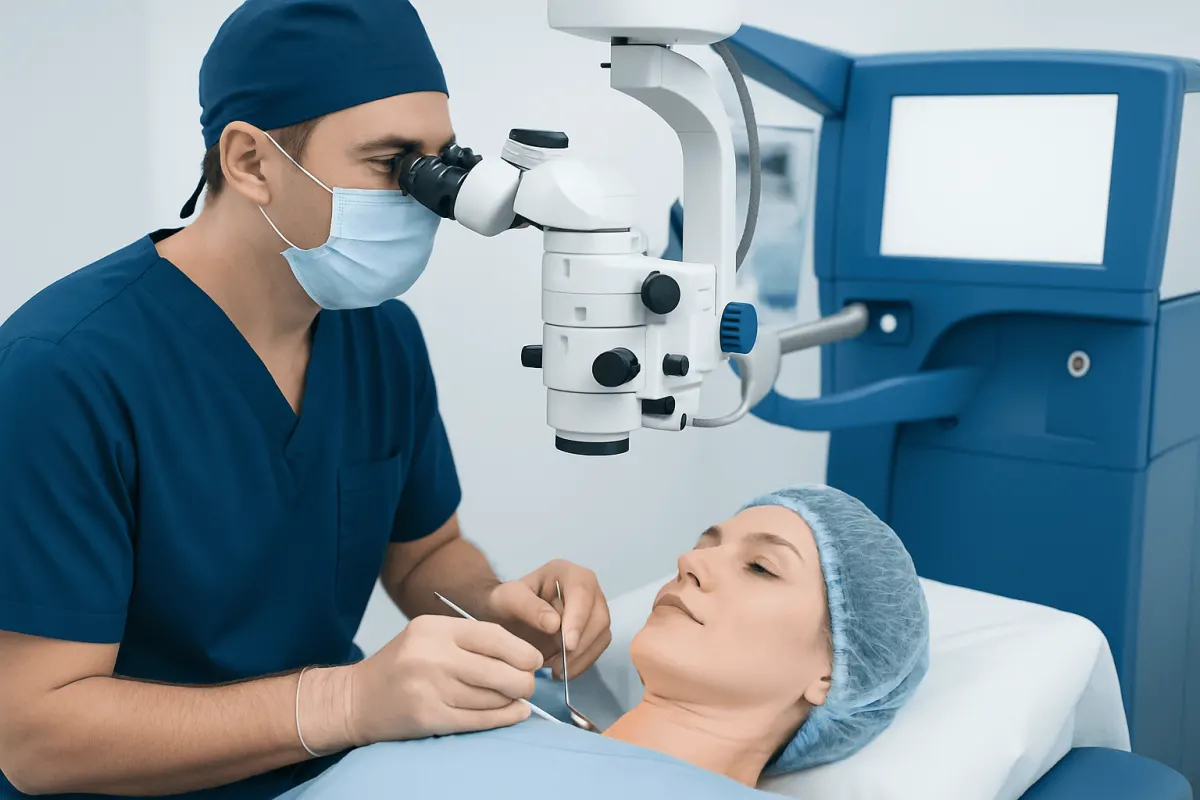
For most people, neither manual nor Cataract Surgery: How Vision Clears Afterward" class="ahp-ilk">laser cataract surgery is universally better: both can safely remove a cataract and improve vision when performed by an experienced ophthalmic surgeon. The most suitable option depends on the eye’s anatomy, the cataract, lens goals, other eye conditions and the surgeon’s assessment.
Overview: which is better, manual or laser cataract surgery?
Which is better, manual or laser cataract surgery? For most patients, both options are safe, established and effective. Conventional cataract surgery, often called manual surgery, is the standard approach worldwide; femtosecond laser-assisted surgery may add precision to selected steps, but it has not been shown to be clearly superior for every person or every visual goal.
A cataract is a clouding of the eye’s natural lens that can cause blurred vision, glare, faded colours and difficulty seeing at night. Surgery removes the cloudy lens and replaces it with a clear artificial intraocular lens (IOL). The important decision is not simply laser versus traditional surgery; it is choosing an approach and lens plan that suit the individual eye.
In conventional modern surgery, the surgeon creates tiny openings and performs the key steps by hand using microscopes and fine instruments. In laser-assisted surgery, imaging and a femtosecond laser perform certain pre-planned incisions and soften or divide the cataract before the surgeon completes the operation. In both approaches, ultrasound energy, called phacoemulsification, is commonly used to remove lens material.
What is the difference between manual and laser cataract surgery?
Traditional cataract surgery is not an outdated technique. It usually refers to phacoemulsification, a highly refined procedure in which the surgeon makes a small corneal incision, opens the front of the lens capsule, breaks up the cataract with ultrasound and inserts an IOL. The surgeon controls each stage directly and may adjust the plan during surgery if needed.
Laser-assisted cataract surgery begins with detailed imaging of the front of the eye. A femtosecond laser may create corneal incisions, make the circular opening in the lens capsule and fragment or soften the cataract. The patient then moves to the operating microscope, where the surgeon removes the lens fragments and implants the IOL. The laser does not remove the cataract completely on its own.
Laser assistance can offer reproducible sizing and positioning for some steps, which may be useful in selected eyes and lens plans. However, visual outcomes also depend heavily on the health of the cornea, retina and optic nerve, the accuracy of preoperative measurements, the selected IOL and proper healing. A skilled surgeon can achieve excellent results with conventional surgery.
How cataract surgery is planned and performed
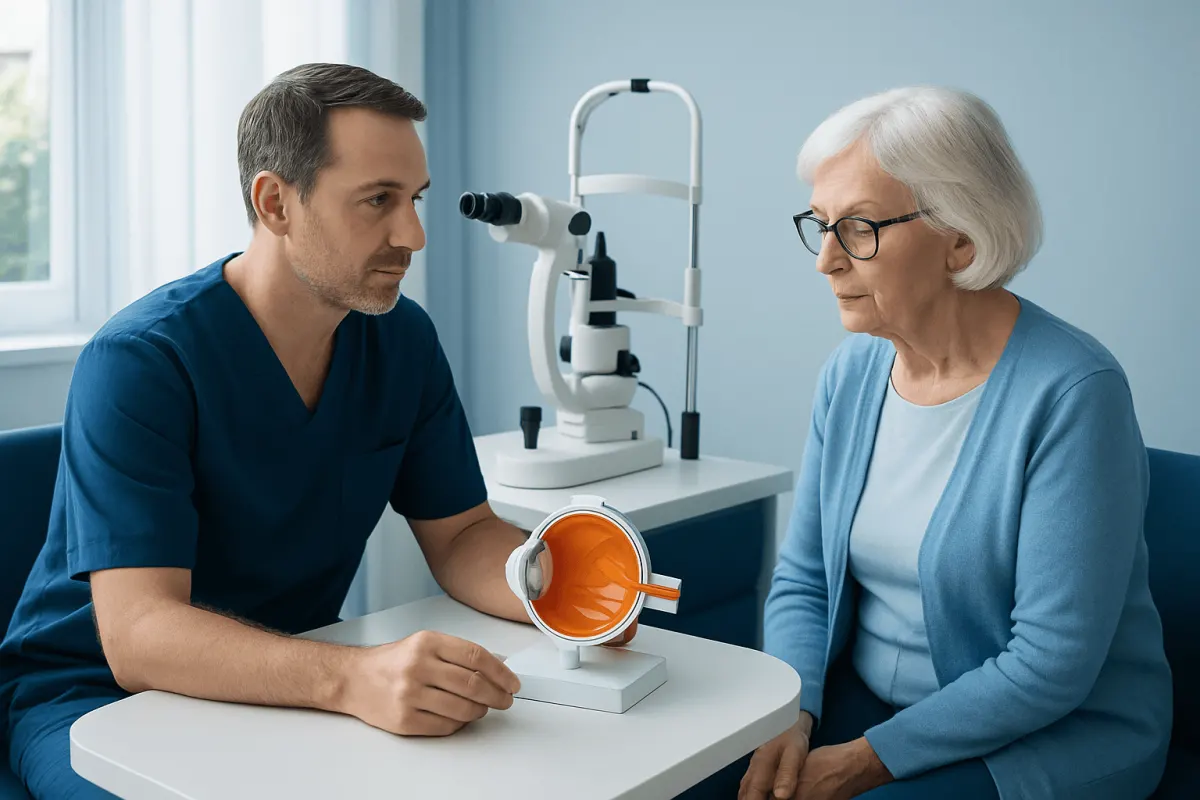
Before surgery, an ophthalmologist checks visual acuity, examines the cataract and measures the eye to calculate IOL power. The assessment also looks for dry eye, glaucoma, corneal disease, diabetic eye disease, macular degeneration and other conditions that can influence expected vision. These findings help determine whether laser assistance is likely to offer a meaningful advantage.
On the day of surgery, numbing eye drops and sometimes mild sedative medication are used. The operation is generally performed as an outpatient procedure. The surgeon makes small openings, creates an opening in the lens capsule manually or with laser assistance, removes the cloudy lens and inserts a folded IOL through the small incision. The IOL opens and remains in the lens capsule to provide focusing power.
Most procedures take a relatively short time, although time in the surgical centre is longer because of preparation and recovery checks. The eye is usually not patched for long, and patients need someone to take them home. The fellow eye is commonly treated on a separate day if both eyes require surgery.
- Monofocal IOLs usually provide focus at one main distance, often distance vision, with glasses still needed for some tasks.
- Astigmatism-correcting toric IOLs can reduce blur related to corneal astigmatism in suitable candidates.
- Presbyopia-correcting IOLs may reduce dependence on glasses but can involve trade-offs such as halos or reduced contrast in some situations.
Candidacy, benefits and risks
Cataract surgery is usually considered when cataract-related symptoms interfere with daily activities, work, reading, driving or quality of life. Surgery does not need to wait until a cataract is very advanced. The timing should reflect the person’s symptoms, eye examination and overall health rather than a fixed visual acuity alone.
Laser-assisted surgery may be considered for people who want laser-created incisions or capsule openings, have certain astigmatism-management plans, or may benefit from laser fragmentation of a dense lens. It may also be used with premium IOL planning in appropriate eyes. Still, not every eye is suitable: corneal scars, difficulty keeping the eye positioned, a very small pupil, certain lens or corneal features, and other anatomical factors may make conventional surgery more appropriate.
Both techniques have a low complication rate in experienced hands, but no eye surgery is risk-free. Possible complications include infection, inflammation, raised eye pressure, corneal swelling, bleeding, retinal swelling or detachment, an IOL position problem and the need for additional treatment. Rarely, vision can worsen. The surgeon discusses personal risk factors, including prior eye surgery, diabetes, glaucoma or retinal disease.
For people seeking assessment and treatment, cataract surgery should be planned with an ophthalmologist who can explain the expected benefits and limitations of each option in the context of the individual eye.
Is it worth paying extra for laser cataract surgery?
Whether laser cataract surgery is worth an additional cost is a personal clinical decision, not a universal rule. Laser assistance may offer useful technical advantages in selected circumstances, but many patients achieve excellent vision and satisfaction with conventional phacoemulsification. The presence of a laser alone does not ensure that a person will need fewer glasses or have a better final visual result.
It can be helpful to ask the surgeon what specific part of the treatment plan would benefit from laser assistance, whether that benefit is important for the person’s eye, and what alternatives are available. The discussion should also cover the planned IOL, because lens selection can have a larger effect on glasses dependence than the choice of manual versus laser-created incisions.
A balanced decision considers safety, the surgeon’s experience with each method, eye measurements, cataract density, other eye disease and personal visual priorities. Patients should avoid feeling pressured to choose one approach based on technology alone.
What is the most preferred cataract surgery?
The most preferred cataract surgery globally is modern small-incision phacoemulsification with IOL implantation. It is commonly called conventional, traditional or manual cataract surgery, although it uses sophisticated ultrasound equipment and microsurgical techniques. It is widely used because it is effective, adaptable and supported by extensive clinical experience.
Laser-assisted cataract surgery is an additional technology used by some surgeons and centres, rather than a replacement for phacoemulsification. In both methods, phacoemulsification is usually still needed to remove the lens material. A preferred method for one patient may not be preferred for another.
The best procedure is therefore the one that safely addresses the cataract, supports the selected lens plan and is performed by a qualified surgeon experienced in the chosen technique. A clear conversation about realistic visual expectations is essential, especially for patients with retinal, corneal or optic nerve conditions.
What are the disadvantages of laser cataract surgery?
Laser cataract surgery has potential limitations. It adds planning, equipment and treatment steps, and it may not be appropriate for every eye. The laser docking process can temporarily increase pressure in the eye, and the procedure still requires the surgeon to complete the lens removal and IOL implantation.
In some cases, laser-created incisions or capsule openings may need adjustment by the surgeon. The technology can also be less practical in eyes with certain corneal abnormalities, poor visibility through a very dense cataract, small pupils or anatomical features that prevent reliable laser treatment. Like conventional surgery, it carries surgical risks, although the pattern and likelihood of risks vary from person to person.
Another disadvantage is that laser assistance may increase overall treatment expense in some healthcare settings. Patients should ask for a clear explanation of why it is being recommended and should base their choice on likely clinical value rather than the assumption that newer technology is always better.
Is it better to have laser cataract surgery or regular cataract surgery?
It is not automatically better to have laser cataract surgery or regular cataract surgery. For a straightforward cataract in an otherwise healthy eye, conventional surgery often provides excellent outcomes. Laser assistance may be a reasonable option when its added precision or lens-fragmenting role is relevant to the surgeon’s plan, but its benefit can be modest for many patients.
For the related question, which is safer, manual or laser cataract surgery?, both are considered safe when appropriately selected and performed by an experienced cataract surgeon. Safety depends more on individual eye factors, sterile surgical practice, careful planning and timely follow-up than on one device alone.
Recovery is generally similar after both methods. Vision may begin improving within days, but it can fluctuate during the first week or two. Many people resume light activities quickly, while eye drops are used for several weeks and follow-up visits monitor healing. Final visual stability may take several weeks, particularly if the eye has other conditions or if a complex lens correction was used.
When to seek medical care
Anyone with gradually worsening blurred vision, glare from lights, reduced colour brightness or increasing difficulty with daily tasks should arrange a routine eye examination. These symptoms may be caused by cataracts, but other eye conditions can produce similar changes and need assessment.
Prompt or urgent eye care is important for sudden loss of vision, severe eye pain, significant redness, new flashes of light, a sudden increase in floaters, nausea with eye pain, or a dark curtain or shadow across vision. These symptoms are not typical of a simple cataract and may require timely treatment.
After cataract surgery, patients should contact their surgical team promptly if pain is increasing, vision suddenly declines, redness becomes marked, discharge develops or new flashes and floaters occur. Acıbadem Health Point’s multidisciplinary specialists and JCI-accredited hospitals evaluate and treat cataracts for international patients, with care plans based on individual eye findings.
Frequently asked questions
01Is laser cataract surgery better than manual cataract surgery?
Laser cataract surgery is not universally better than manual cataract surgery. Both methods can produce very good visual results, and conventional phacoemulsification remains a widely used standard procedure. The better choice depends on the individual eye, cataract characteristics, lens plan and surgeon assessment.
02Does laser cataract surgery remove the cataract without ultrasound?
Usually, no. The femtosecond laser can make incisions, create the opening in the lens capsule and soften or divide the cataract. The surgeon generally still uses ultrasound phacoemulsification to remove the lens material and then implants the artificial lens.
03Is laser cataract surgery safer?
Both laser-assisted and conventional cataract surgery are considered safe when performed by a qualified, experienced ophthalmic surgeon. Laser assistance may improve precision in selected steps, but it also introduces its own technical considerations. A person’s eye health and surgical complexity are often more important to safety than the technique alone.
04How long does recovery take after cataract surgery?
Many people notice clearer vision within several days, although blur and fluctuations can occur early in healing. Eye drops are commonly prescribed for several weeks, and full visual stabilization may take several weeks. Recovery can be longer when there are other eye conditions or a more complex operation.
05Can everyone have laser cataract surgery?
No. Some corneal conditions, small pupils, very dense cataracts, prior eye surgery and other anatomical factors may limit suitability. An ophthalmologist uses imaging and a complete eye examination to decide whether laser assistance is appropriate.
06Will cataract surgery eliminate the need for glasses?
It may reduce glasses dependence, but this depends mainly on the chosen intraocular lens and the health of the eye. A monofocal lens often provides clear vision at one main distance, while glasses may still be needed for reading or other tasks. Some advanced lens types can reduce reliance on glasses but may not suit every patient.
This article is for general information only and is not a substitute for professional medical advice. Please consult a qualified doctor about your individual situation.
Explore treatments in Turkey — costs, top hospitals & a free quote
JCI-accredited · board-certified surgeons · reply within 24h
Add us as a Preferred Source to see more of our trusted health content across Google Search, AI Overviews and Discover.