Manic Depression and Narcissism: Key Differences
Manic depression, now called bipolar disorder, and narcissism are not the same condition. Bipolar disorder involves recurring changes in mood and energy, while narcissism refers to a pattern of personality traits that may, in some cases, meet criteria for narcissistic personality disorder.
Overview: are manic depression and narcissism connected?
Manic depression is an older name for bipolar disorder. It is a mental health condition marked by episodes of unusually elevated or irritable mood, called mania or hypomania, and episodes of depression. Narcissism describes a range of personality traits, such as a strong need for admiration or a tendency to focus heavily on personal achievements; it is not another name for bipolar disorder.
The two can be confused because a manic episode may temporarily cause grandiosity, intense confidence, reduced empathy, impulsive behavior, or conflict with others. These symptoms can resemble narcissistic behavior from the outside. However, in bipolar disorder they occur as part of a noticeable change in mood, energy, sleep, activity, and functioning, often lasting days to weeks or longer.
A person may have narcissistic traits and bipolar disorder at the same time, but one does not cause the other. Careful assessment is important because the right treatment plan depends on whether difficulties are linked to episodic mood changes, long-standing personality patterns, trauma, substance use, another mental health condition, or more than one factor.
Understanding bipolar disorder and narcissism
Bipolar disorder is a mood disorder. During mania, a person may feel unusually energized, need much less sleep, speak rapidly, have racing thoughts, take uncharacteristic risks, or feel exceptionally powerful or capable. Hypomania includes similar symptoms but is generally less severe and does not cause the same degree of impairment or psychosis. Depressive episodes can involve low mood, loss of interest, fatigue, guilt, changes in sleep or appetite, and difficulty concentrating.
Narcissism exists on a spectrum. Many people occasionally want recognition, feel proud of their abilities, or become self-focused under stress. These experiences do not by themselves indicate a mental health disorder. Narcissistic personality disorder is diagnosed only when enduring patterns of grandiosity, need for admiration, and difficulties with empathy are persistent, begin by early adulthood, occur across settings, and cause significant distress or impairment.
A key distinction is timing. Bipolar symptoms tend to be episodic: family members or the individual may notice a clear change from the person’s usual behavior. Personality-related patterns are usually more stable over time, although they can become more pronounced during stress, conflict, depression, or substance use.
Why mania may be mistaken for narcissism

During a manic episode, a person may make unusually ambitious plans, believe they have special abilities, spend excessively, pursue risky activities, or react strongly when challenged. They may interrupt others, talk at length about their ideas, or seem less aware of how their actions affect people around them. These changes can be upsetting for loved ones and may be interpreted as arrogance or self-centeredness.
Grandiosity in mania is usually accompanied by other changes. These can include reduced need for sleep without feeling tired, increased movement or goal-directed activity, pressured speech, distractibility, racing thoughts, and behavior that is clearly different from the person’s usual character. In severe mania, a person may develop delusions, such as fixed beliefs about exceptional status, power, wealth, or identity.
By contrast, narcissistic personality patterns are not limited to periods of elevated mood. A clinician will ask whether the behavior persists between mood episodes, whether it has been present for many years, and how it appears in close relationships, work, and everyday life. This broader history helps avoid labeling a person based on one difficult period.
Symptoms and patterns that need assessment
It can be helpful to document symptoms without trying to diagnose them. For possible bipolar disorder, important observations include shifts in sleep, energy, speech, activity, spending, sexual behavior, substance use, irritability, and decision-making. Family members may notice these changes before the person experiencing them recognizes that anything is unusual.
For possible personality-related difficulties, clinicians may explore long-term patterns in relationships, reactions to criticism, self-esteem, emotional regulation, empathy, and expectations of others. A person can appear confident while also having fragile self-esteem or being very sensitive to rejection. These experiences deserve respectful evaluation rather than judgment.
Other conditions may also overlap with or resemble aspects of mania or narcissism. These include attention-deficit/hyperactivity disorder, anxiety disorders, trauma-related conditions, depression, psychotic disorders, substance-related conditions, and medical problems that affect mood or sleep. Medication effects, including some antidepressants or stimulants, may also be relevant for some individuals.
- A sudden, marked change in behavior is more suggestive of an acute mood episode than a fixed personality trait.
- Long-standing interpersonal patterns may require a different type of support than an episodic mood disorder.
- More than one condition can be present, so assessment should consider the whole person.
How clinicians diagnose these conditions
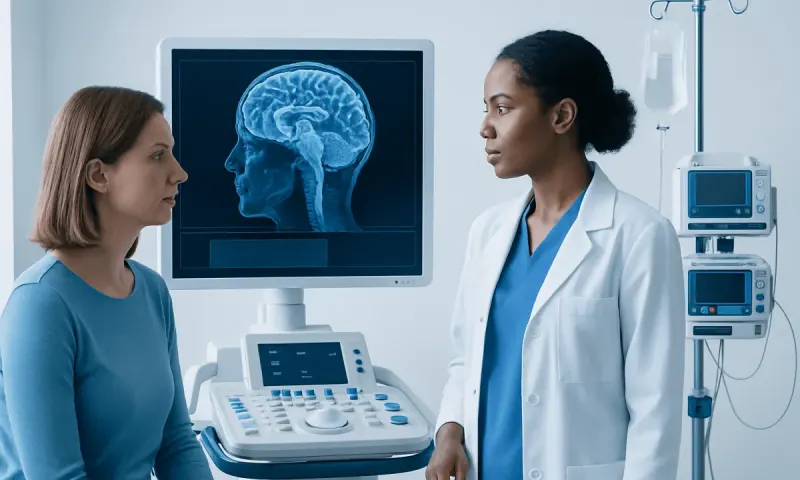
There is no single blood test or brain scan that confirms bipolar disorder or narcissistic personality disorder. Diagnosis is based on a detailed clinical interview, medical history, mental health history, and the pattern of symptoms over time. With permission, information from a partner, family member, or other trusted person may help clarify changes that occurred during possible mood episodes.
A clinician may ask about previous periods of depression, elevated mood, sleep changes, hospital care, self-harm, psychotic symptoms, substance use, medications, and family history. They may also perform or arrange a physical examination and basic tests when needed to look for medical contributors to mood symptoms, such as thyroid problems or medication-related effects.
Accurate diagnosis may take time, particularly when someone first seeks care during depression or after a crisis. It is reasonable to ask the clinician what diagnoses are being considered, what evidence supports them, and how the treatment plan will be reviewed over time. A diagnosis should guide compassionate care, not define a person’s identity or worth.
Treatment and support
Treatment for bipolar disorder commonly combines medication, education about the condition, regular follow-up, and psychotherapy. Mood-stabilizing medicines and certain antipsychotic medicines may be used to treat or prevent manic, depressive, or mixed episodes. The specific approach depends on the person’s symptoms, medical history, previous treatment response, pregnancy plans where relevant, and preferences.
Psychological therapies can help people identify early warning signs, maintain routines, manage stress, improve sleep habits, and involve supportive family members when appropriate. During an acute manic episode, a person may need urgent assessment or hospital-based care, especially if judgment is severely affected, psychosis is present, or there is a risk of harm.
For narcissistic personality disorder or distressing narcissistic traits, psychotherapy is the main treatment. Therapy may focus on understanding emotions, strengthening self-esteem in more stable ways, improving empathy and communication, and developing healthier relationship patterns. Treatment can be effective when it is individualized, consistent, and approached without shame or blame.
If both a bipolar disorder and personality-related difficulties are present, treatment should address both. This may involve coordinated care from a psychiatrist, psychologist, therapist, and primary care clinician. Medication should not be started, stopped, or changed without advice from the prescribing clinician.
Practical steps for individuals and families
Keeping a simple mood and sleep record can be useful for someone with suspected or diagnosed bipolar disorder. Recording sleep duration, energy, mood, major life events, medicines, alcohol or drug use, and changes in activity can help identify possible warning signs. A consistent daily routine, regular meals, movement, and protection of sleep may support mood stability alongside professional treatment.
Family members and partners can support a loved one by describing specific behaviors rather than applying labels. For example, it may be more helpful to say, “You have slept very little and seem much more energized than usual,” than to call someone narcissistic. Choosing a calm time for conversation, setting clear boundaries, and encouraging professional help can reduce conflict.
People should avoid using bipolar disorder to excuse harmful behavior, and they should avoid assuming that difficult behavior automatically means someone has a personality disorder. Safety, accountability, and respectful boundaries matter in every relationship. Support groups, family education, and therapy may help loved ones cope with the practical and emotional effects of recurring mood symptoms.
Acıbadem Health Point’s multidisciplinary specialists and JCI-accredited hospitals can assess and treat mental health conditions for international patients, with care plans tailored to an individual’s clinical needs.
When to seek medical care
A person should arrange a mental health or medical appointment if they have recurring periods of unusually high energy, little need for sleep, risky or impulsive behavior, severe irritability, depression, or relationship and work difficulties that feel hard to manage. Early assessment can help clarify what is happening and support timely treatment.
Urgent medical help is needed if someone has thoughts of suicide or self-harm, thoughts of harming another person, hallucinations, delusional beliefs, extreme agitation, dangerous impulsive behavior, or is unable to sleep or care for basic needs. In an emergency, local emergency services or the nearest emergency department should be contacted. A trusted person should stay involved when immediate safety is a concern.
Frequently asked questions
01Is manic depression the same as narcissism?
No. Manic depression is an older term for bipolar disorder, which involves episodes of mania or hypomania and depression. Narcissism refers to personality traits, while narcissistic personality disorder is a separate diagnosis involving long-term patterns that affect functioning and relationships.
02Can bipolar disorder cause narcissistic behavior?
Mania can cause behaviors that may look narcissistic, including grandiosity, overconfidence, irritability, and reduced awareness of how actions affect others. These changes are usually part of a wider mood episode and differ from stable personality patterns. A mental health professional can assess the context and duration of symptoms.
03Can someone have bipolar disorder and narcissistic personality disorder?
Yes, it is possible for a person to have both conditions, although they are distinct. Diagnosis requires a detailed evaluation over time because mood episodes can temporarily affect behavior and self-perception. Treatment should address each person’s specific symptoms and needs.
04How can families tell the difference between mania and confidence?
Confidence does not usually come with a major reduction in sleep, racing thoughts, rapid speech, risky decisions, or a clear change from usual behavior. Mania often affects several areas at once, including energy, spending, activity, judgment, and relationships. Family observations can be valuable during a clinical assessment.
05Does narcissistic personality disorder improve with treatment?
Psychotherapy can help people understand long-standing emotional and relationship patterns and develop healthier ways of relating to themselves and others. Progress may take time and depends on regular engagement in treatment. Care should be respectful, individualized, and led by a qualified mental health professional.
06What should someone do if a loved one may be manic?
Speak calmly, focus on observable changes, and encourage prompt professional assessment. Avoid arguing about unrealistic beliefs when the person is highly agitated or disconnected from reality; instead, prioritize safety and seek urgent help if there is dangerous behavior, psychosis, or concern about self-harm. A clinician can advise on the next steps.
This article is for general information only and is not a substitute for professional medical advice. Please consult a qualified doctor about your individual situation.
Explore treatments in Turkey — costs, top hospitals & a free quote
JCI-accredited · board-certified surgeons · reply within 24h
Add us as a Preferred Source to see more of our trusted health content across Google Search, AI Overviews and Discover.