Man Moobs Surgery: Removing Excess Breast Tissue
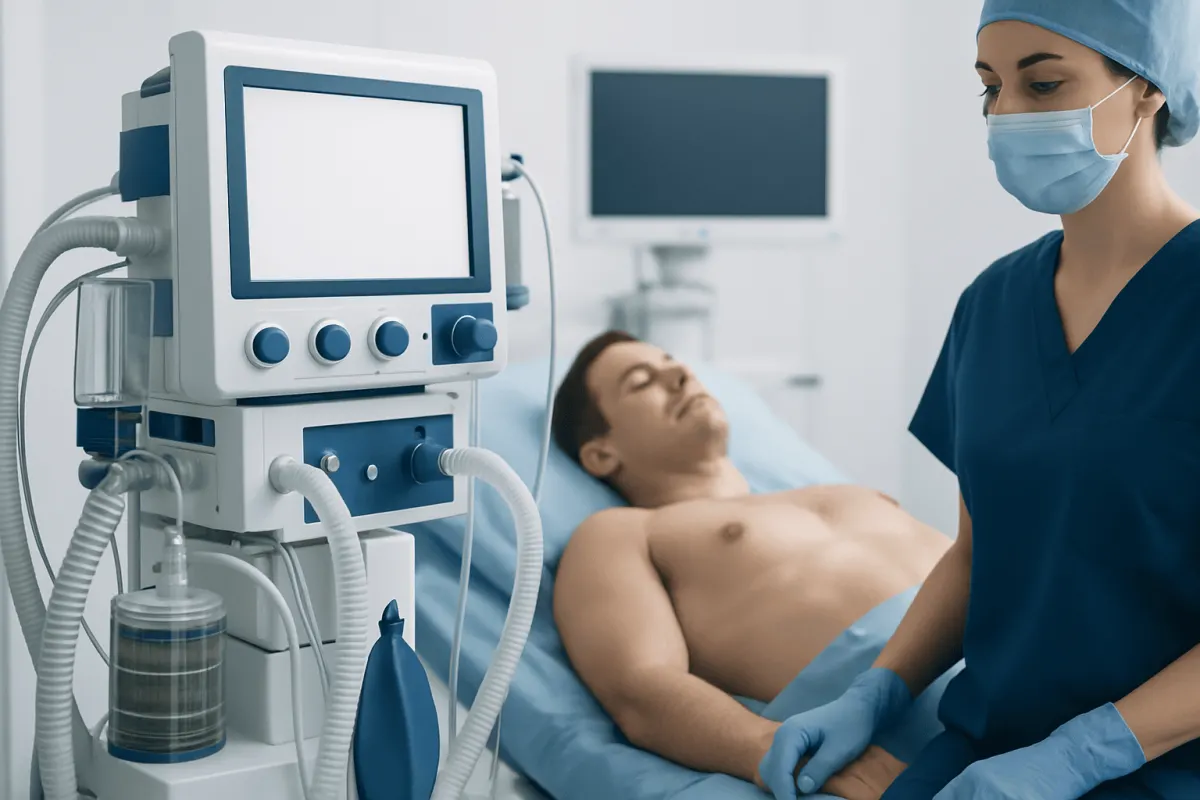
Man moobs surgery, medically called male breast reduction or gynecomastia surgery, can reduce enlarged male breast tissue by removing glandular tissue, fat, or both. A surgical consultation helps confirm the cause of chest enlargement, assess suitability, and explain likely recovery and results.
Overview: What Is Man Moobs Surgery?
Man moobs surgery is a common term for male breast reduction surgery, most often performed to treat gynecomastia. Gynecomastia is enlargement of breast gland tissue in males, sometimes accompanied by excess fat and loose skin. Surgery aims to create a flatter, more typically masculine chest contour when enlargement is persistent, bothersome, or does not improve after addressing an underlying cause.
The operation is individualized. Liposuction may be sufficient when excess chest fat is the main concern, while firmer glandular tissue usually needs to be removed through a small incision. Some people also need skin removal or nipple repositioning when there is substantial skin laxity. The appropriate approach depends on examination findings, body shape, skin quality, and the amount and type of tissue present.
Before surgery, a clinician should distinguish gynecomastia from chest fat related to weight changes, sometimes called pseudogynecomastia. They should also consider medicines, hormone conditions, liver or kidney disease, substance use, and less common breast disorders. Gynecomastia information can help patients understand the condition and its possible causes before discussing treatment.
How It Works and Who May Be a Candidate
Male breast reduction works by removing the tissue responsible for chest fullness. Liposuction uses a thin tube, called a cannula, to break up and remove fatty tissue through very small openings. Excision removes dense glandular tissue directly, commonly through an incision placed around the lower edge of the areola. In more extensive cases, the surgeon may combine both methods and remove extra skin.
Suitable candidates are generally adults in good overall health who have stable body weight, do not smoke or are able to stop before and after surgery, and have realistic expectations. Surgery may be considered when breast enlargement has remained stable, causes physical discomfort or emotional distress, and has not improved with treatment of a contributing factor where one is identified.
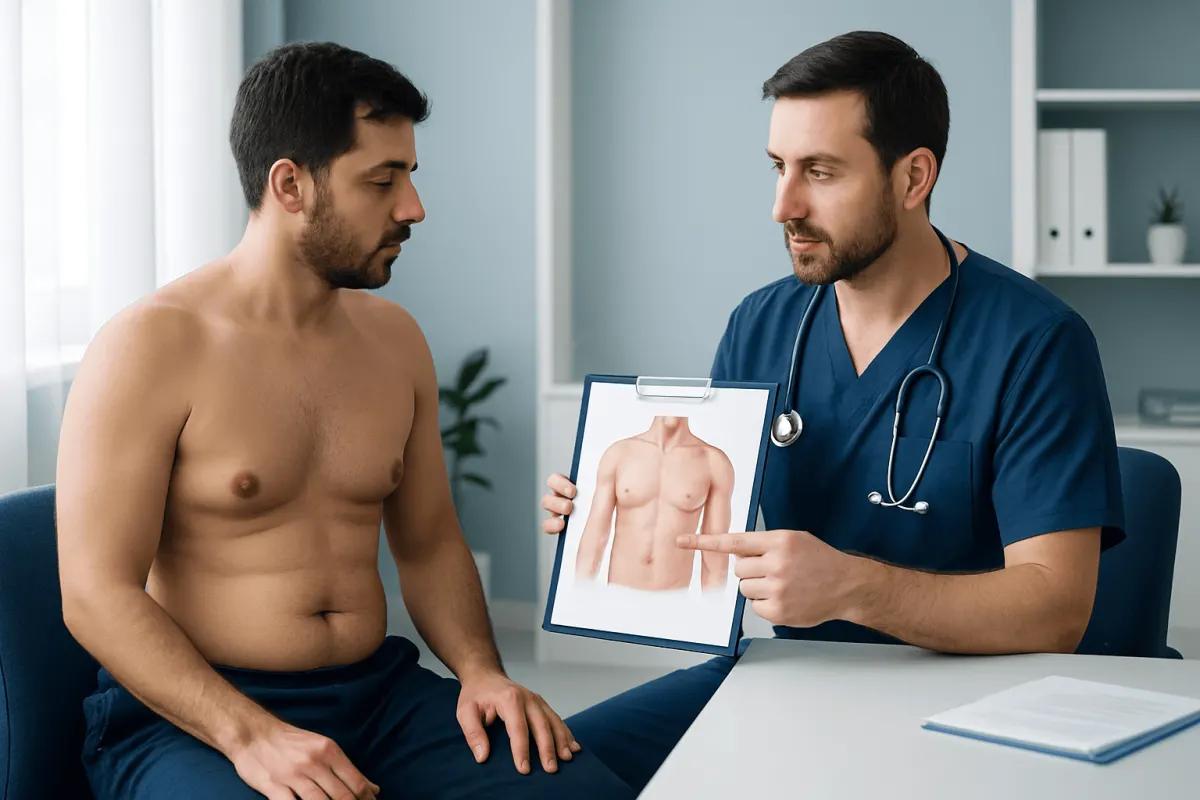
Assessment is especially important for adolescents, people with recent changes in breast size, and those taking medicines that can affect hormones. The surgeon may recommend waiting, adjusting a medicine with the prescribing clinician, weight management, blood tests, or further imaging before surgery. A consultation for gynecomastia surgery should include a medical history, chest examination, discussion of scars, and an explanation of the expected contour rather than a promise of perfect symmetry.
Man Moobs Surgery Step by Step
On the day of surgery, the surgeon marks the planned treatment areas while the patient is standing. Male breast reduction is commonly performed under general anesthesia, although selected limited procedures may be done with local anesthesia and sedation. The clinical team confirms medical history, allergies, medications, and the agreed surgical plan before the procedure begins.
For liposuction, the surgeon makes small incisions in discreet areas of the chest, introduces fluid to reduce bleeding and ease fat removal, then uses a cannula to contour the area. If gland tissue is present, it is carefully removed through a small incision, often along the areola border. The surgeon then checks chest contour and symmetry as safely as possible.
Incisions are closed with sutures, and dressings and a compression garment are applied. Small drains are occasionally used when more tissue has been removed, but they are not needed for every operation. Patients usually go home on the same day once they are awake, comfortable, and have someone available to accompany them.
The procedure is not related to recovery from mandibulectomy, mandible surgery recovery time, or mandibulectomy surgery recovery. Those phrases refer to operations on the jawbone and involve different specialists, risks, nutrition needs, and rehabilitation. Recovery expectations should always be based on the specific operation performed.
How Long Does It Take to Remove Moobs?
How long it takes to remove moobs depends on the technique and the amount of tissue to be treated. A straightforward liposuction or limited gland excision may take around one to two hours, while more extensive surgery involving skin removal or nipple repositioning can take longer. The surgical team can give a more personalized estimate after examination and planning.
Time in the operating room is only one part of the treatment day. Patients also need time for preoperative checks, anesthesia preparation, recovery monitoring, and discharge instructions. Because anesthesia and prescribed pain medicines can affect alertness, patients should arrange transport home and support during the first night.
Visible improvement is often noticeable after initial swelling begins to reduce, but it is not immediate. Compression garments, normal healing responses, and gradual settling of the tissues all influence when the chest contour can be fairly assessed. Final results commonly become clearer over several months.
Recovery Timeline and Monitoring After Surgery
Recovery from man moobs surgery is usually gradual and manageable with the surgeon’s aftercare plan. In the first few days, patients may experience tightness, swelling, bruising, and tiredness. They are commonly advised to wear a compression garment, take prescribed or recommended pain relief safely, keep incisions clean and dry as directed, and avoid raising the arms or straining the chest excessively.
Many people can return to desk-based work and light daily activities within several days to about one week, depending on their role and the extent of surgery. Driving should wait until the person is no longer taking sedating pain medicine and can comfortably perform an emergency stop. More vigorous exercise, weight training, swimming, and contact activities generally need to wait until the surgeon confirms that healing is adequate.
Follow-up appointments allow the team to monitor recovery after surgery, inspect incisions, assess swelling, and address questions about garments or activity. Bruising generally improves over the first few weeks, while swelling and altered nipple sensation may take longer to resolve. Scars continue to mature over months and should be protected from sun exposure according to clinical advice.
Patients should follow their own surgeon’s instructions, as timelines vary with the technique used, whether drains are present, and individual healing. Taking photographs or measuring the chest repeatedly during early recovery can be misleading because swelling may be uneven at first.
How Bad Is Gynecomastia Surgery Recovery?
Gynecomastia surgery recovery is often described as uncomfortable rather than severely disabling, particularly when treatment is limited to liposuction and small gland excisions. The first week is usually the most restrictive because of tenderness, swelling, and the need to protect the chest. People who have larger excisions or skin removal may need a longer and more cautious recovery period.
Temporary uneven swelling, firmness beneath the skin, mild numbness, and sensitivity around the nipples can occur as tissues heal. These changes do not necessarily indicate a problem, but they should be discussed at follow-up visits. Patience is important because the final shape develops gradually rather than immediately after the bandages are removed.
Recovery may be more demanding for people whose work involves lifting, pushing, pulling, or repetitive overhead movement. Planning time away from physically demanding duties and arranging help with childcare or household tasks can make the first days easier. Smoking and nicotine products can impair wound healing, so stopping them before and after surgery is strongly advised.
How Painful Is Man Boob Surgery?
Man boob surgery is performed under anesthesia, so the patient should not feel pain during the operation. Afterward, discomfort is commonly described as pressure, soreness, tightness, or a bruised feeling across the chest. The intensity varies by person and by technique, but it often improves significantly during the first several days.
The surgeon may recommend a combination of pain-management methods, such as prescribed medicines for a short period and non-opioid options when appropriate for the patient’s health. Patients should not take additional medicines, herbal products, or alcohol without checking first, particularly because some can increase bleeding risk or interact with anesthesia and pain medicines.
Worsening pain rather than gradual improvement, pain with fever, expanding redness, shortness of breath, or marked one-sided swelling needs prompt medical advice. These symptoms do not always mean a serious problem, but they should not be managed at home without guidance.
Benefits, Risks, Costs and When to Seek Medical Care
The potential benefits of surgery include a flatter chest, improved clothing fit, reduced irritation or tenderness in some cases, and greater comfort with physical activity or body image. Results tend to last when body weight remains stable and contributing medicines or substances are addressed. However, future weight changes, hormone changes, or unresolved underlying causes can affect the chest again.
All surgery has risks. Possible complications include bleeding, fluid collection, infection, delayed wound healing, contour irregularity, asymmetry, visible scarring, changes in nipple sensation, skin loss, and the need for revision surgery. Rare anesthesia-related complications are also possible. Careful assessment, a qualified surgical team, and adherence to aftercare instructions help reduce risk but cannot eliminate it.
How much does it cost to remove moobs? The cost varies considerably according to the country, hospital or clinic, surgeon’s expertise, anesthesia, facility fees, the technique required, preoperative testing, garments, and follow-up care. A written, individualized estimate after consultation is the most reliable way to understand what is included. Coverage by health insurance differs and may depend on whether the procedure is considered medically necessary.
When to seek medical care: A person should arrange a medical assessment for new breast enlargement, a hard or fixed lump, one-sided enlargement, nipple discharge or bleeding, skin dimpling, swollen lymph nodes, unexplained weight loss, or rapid change in breast size. Urgent advice is also appropriate after surgery for breathing difficulty, chest pain, fever, persistent bleeding, pus-like drainage, or rapidly increasing swelling. Acıbadem Health Point’s multidisciplinary specialists and JCI-accredited hospitals diagnose and treat gynecomastia and related concerns for international patients.
Frequently asked questions
01Is man moobs surgery permanent?
The removed glandular tissue does not usually grow back. However, weight gain, hormonal changes, certain medicines, alcohol or substance use, and untreated medical conditions can contribute to renewed chest fullness. Maintaining a stable weight and addressing contributing factors can help preserve the result.
02Will man moobs surgery leave scars?
Any operation that uses incisions leaves some degree of scarring. Surgeons usually place incisions around the areola or in less visible areas where possible, but scar appearance varies among individuals. Scars often fade and soften over time, although they may not disappear completely.
03Can liposuction alone treat gynecomastia?
Liposuction can be helpful when fatty tissue is the main cause of chest fullness. It does not reliably remove firm glandular tissue beneath the nipple, which may require surgical excision. An in-person assessment determines whether one technique or a combination is more appropriate.
04When can someone exercise after male breast reduction?
Gentle walking is often encouraged soon after surgery to support circulation, if the treating team agrees. Strenuous exercise and chest-focused training are usually postponed until the surgeon confirms that the incisions and deeper tissues have healed sufficiently. The exact timing depends on the procedure and individual recovery.
05Can gynecomastia go away without surgery?
It can sometimes improve, especially when it is related to puberty, a reversible medicine effect, weight changes, or an identifiable medical cause that is treated. Persistent glandular enlargement may not fully resolve on its own. A clinician can assess possible causes before surgery is considered.
06What should a patient ask at a gynecomastia surgery consultation?
Useful questions include what is causing the chest enlargement, which technique is recommended, where scars will be placed, what recovery restrictions are expected, and what complications require urgent contact. Patients should also ask about the full care plan, including anesthesia, compression garments, follow-up visits, and potential revision needs.
This article is for general information only and is not a substitute for professional medical advice. Please consult a qualified doctor about your individual situation.
Explore treatments in Turkey — costs, top hospitals & a free quote
JCI-accredited · board-certified surgeons · reply within 24h
Add us as a Preferred Source to see more of our trusted health content across Google Search, AI Overviews and Discover.