Man Breasts: Understanding Gynecomastia Treatment
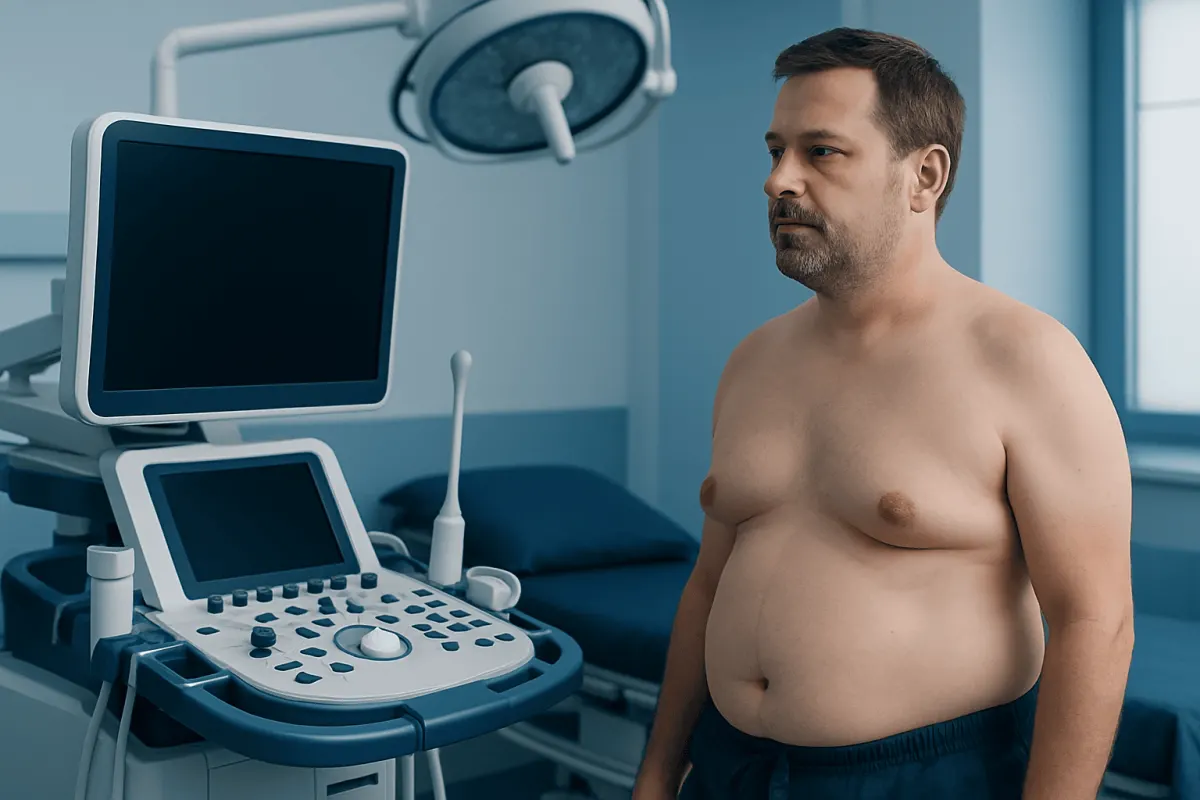
Man breasts, medically called gynecomastia when caused by glandular breast-tissue enlargement, may improve when an underlying cause is addressed or with weight changes in some people. When excess tissue persists and causes physical or emotional discomfort, male breast reduction surgery can be an option after an appropriate medical assessment.
Overview: What Are Man Breasts?
“Man breasts” is a common term for enlargement or fullness of the male chest. The medical term gynecomastia describes an increase in glandular breast tissue, often felt as a firm or rubbery area beneath or around the nipple. It can affect one or both sides and may occur at different life stages, including infancy, puberty, and later adulthood.
Chest fullness can also result mainly from excess fatty tissue, sometimes called pseudogynecomastia. This is more common with weight gain and may improve with weight management, although glandular tissue does not reliably disappear through exercise alone. A clinician can help distinguish these patterns and look for an underlying reason before discussing man breast removal surgery.
For people with persistent gynecomastia, surgery may improve chest contour by removing excess fat, glandular tissue, or both. It is an elective decision that should be based on symptoms, personal goals, health status, and a clear understanding of recovery and possible risks.
Why Male Breast Enlargement Happens
Breast tissue responds to the balance between estrogen and testosterone. Temporary hormone shifts are common during puberty and with aging, and many cases in adolescents settle without treatment over time. In adults, gynecomastia can also be associated with certain medicines, alcohol or anabolic steroid use, recreational substances, liver or kidney disease, thyroid disorders, low testosterone, and less commonly, hormone-producing conditions.
Some medications can contribute, including selected treatments for prostate conditions, heart conditions, ulcers, anxiety, infections, and cancer. A person should not stop a prescribed medicine without speaking with the clinician who prescribed it. Sometimes changing a medication or treating an underlying condition can reduce symptoms or prevent progression.
Weight gain can add fat to the chest and may make glandular enlargement more noticeable. A medical assessment is especially useful when the change is new, occurs on one side, is accompanied by nipple discharge, or is associated with a testicular lump or other systemic symptoms. Related hormonal causes may be considered within gynecomastia evaluation and care.
Assessment Before Male Breast Reduction
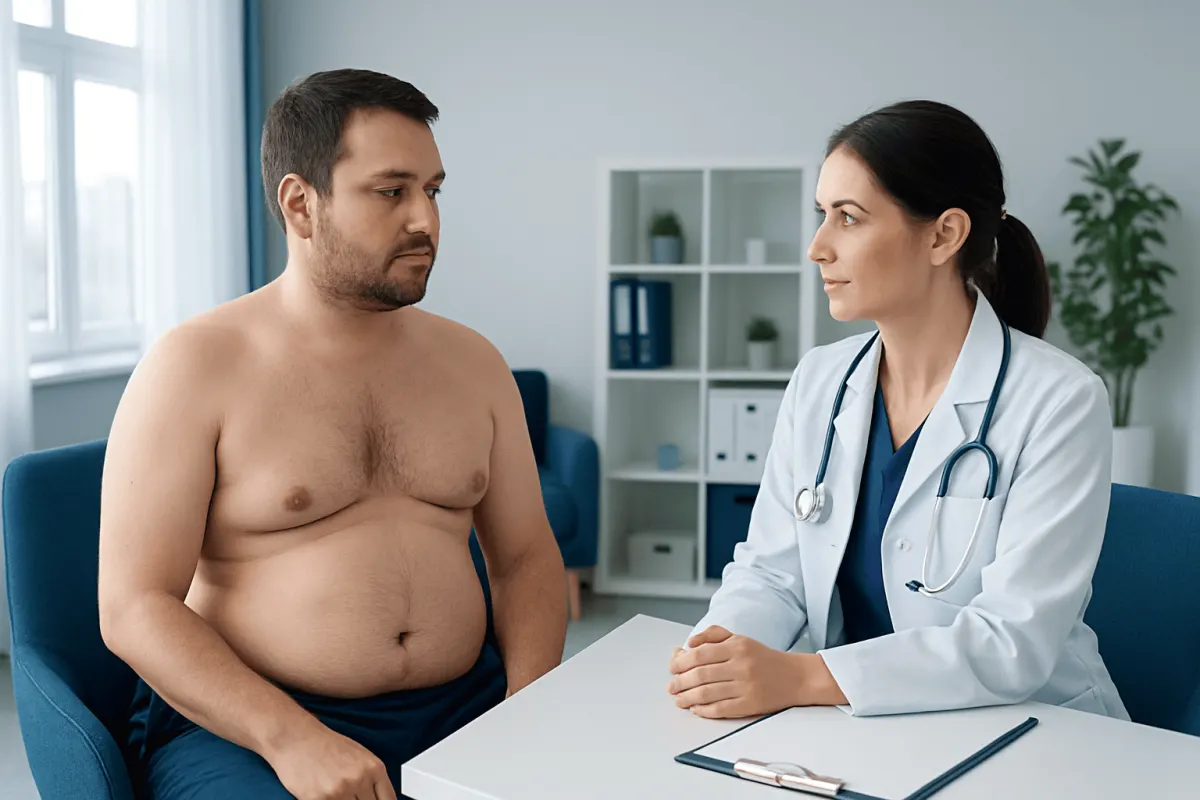
An evaluation usually begins with a discussion of when the breast enlargement started, whether it is tender, and which medicines, supplements, alcohol, or substances are used. The clinician also asks about weight change, puberty, sexual health, liver or kidney disease, thyroid symptoms, and family history. A physical examination helps assess the type and extent of tissue, skin elasticity, chest symmetry, and lymph nodes.
Not everyone needs extensive testing. However, blood tests, breast imaging, or testicular assessment may be appropriate when the history or examination suggests an underlying hormonal or medical cause. The goal is not simply to plan a cosmetic procedure; it is to make sure a potentially treatable cause has not been missed.
For surgery, an experienced plastic surgeon assesses whether liposuction alone is likely to be sufficient or whether direct excision of glandular tissue is needed. They also discuss incision placement, the possibility of skin removal in more severe cases, scars, nipple position, and the realistic degree of contour improvement that may be expected.
How Man Breast Removal Surgery Is Performed
Male breast reduction is tailored to the tissue present. When chest fullness is predominantly fatty and skin is elastic, liposuction may be used through small incisions. When there is firm glandular tissue beneath the nipple, the surgeon may remove it through a discreet incision at the edge of the areola. Many procedures use both approaches to create a smoother, more balanced contour.
More extensive enlargement or significant loose skin may require skin excision and, occasionally, adjustment of the nipple-areola position. These techniques can produce longer scars, which should be discussed carefully during planning. The procedure is commonly performed under general anesthesia, though the anesthesia plan depends on the extent of surgery and the individual’s health.
As with any operation, possible complications include bleeding, infection, fluid collection, changes in nipple sensation, contour irregularity, asymmetry, visible scarring, delayed healing, and a need for revision surgery. A consultation for gynecomastia surgery should include a discussion of individual risk factors, such as smoking, diabetes, medicines that affect bleeding, and previous chest surgery.
Recovery and Expected Results
After surgery, the chest is usually swollen, bruised, and tender. A compression garment is often recommended to support healing and limit swelling. Some patients have temporary drains, depending on the technique used; the surgical team explains how to care for incisions, when showering is permitted, and which symptoms require contact with the clinic.
Male breast surgery recovery time varies with the procedure and the person’s work and activity demands. Many people can manage gentle walking soon after surgery and return to desk-based work within several days to about two weeks. Heavy lifting, chest training, contact sports, and strenuous exercise are usually restricted until the surgeon confirms that healing is adequate.
Initial improvement may be visible early, but swelling can mask the final chest contour for weeks. Scars also mature gradually over months. Keeping follow-up appointments, wearing compression as advised, avoiding nicotine, and following activity guidance can support a smoother recovery. Results are generally long-lasting when weight is stable and contributing causes are managed.
How Painful Is Man Boob Surgery?
Man boob surgery is generally associated with manageable discomfort rather than severe ongoing pain. During the procedure, anesthesia prevents pain. In the first days afterward, people commonly describe soreness, pressure, tightness, bruising, or sensitivity in the chest, particularly with arm movement or getting in and out of bed.
The surgeon provides a personalized pain-management plan, which may include non-opioid medicines and, when appropriate, short-term prescription pain relief. Following the plan, resting appropriately, and wearing the recommended compression garment can help. Pain should gradually improve rather than become increasingly intense.
Severe or worsening pain, one-sided marked swelling, fever, spreading redness, shortness of breath, or drainage with an unpleasant odor should be reported promptly. These symptoms do not necessarily mean a complication is present, but they need timely medical assessment.
How Bad Is Recovery From Male Gynecomastia Reduction?
Recovery from male gynecomastia reduction is usually temporary but requires planning. The first week is often the most restrictive because of swelling, tenderness, limited upper-body movement, and the need to protect incisions. People may need help with physically demanding tasks and should arrange time away from activities that involve lifting, pushing, or reaching overhead.
Most patients find that everyday comfort improves steadily after the early recovery period. However, the chest can feel firm, numb, uneven, or sensitive while tissues heal. These changes are often temporary, and follow-up visits allow the surgical team to monitor healing and advise when normal activity can resume.
Recovery may be more involved if substantial skin removal is required, if drains are used, or if the person has health conditions that affect healing. Choosing a qualified surgeon, following aftercare instructions, maintaining good nutrition, and avoiding tobacco products all matter for recovery.
Is It Worth to Do Gynecomastia Surgery?
Whether gynecomastia surgery is worthwhile is personal. It may be a reasonable option for someone with stable, persistent enlargement that does not improve after observation, treatment of an underlying cause, medication review, or weight management when appropriate. It can also be considered when chest appearance causes persistent distress, self-consciousness, skin irritation, or difficulty with clothing and physical activity.
It is important to have realistic expectations. Surgery can reduce excess chest tissue and improve contour, but it cannot create perfect symmetry, erase all scars, or guarantee a particular emotional outcome. A careful discussion should include the likely benefit, scar trade-offs, recovery requirements, risks, and whether non-surgical management is still appropriate.
People seeking a consultation can ask how their chest tissue is classified, which technique is recommended, what scars are expected, and what activities will be limited during recovery. Acıbadem Health Point’s multidisciplinary specialists and JCI-accredited hospitals assess and treat gynecomastia for international patients when surgical care is appropriate.
Can Moobs Come Back After Surgery?
Removed glandular tissue does not usually regrow in the same way, but chest enlargement can recur or become noticeable again. Recurrence is more likely if an ongoing hormonal imbalance, a contributing medication, anabolic steroid use, heavy alcohol use, or another underlying cause is not addressed. Significant weight gain can also increase chest fat after surgery.
For this reason, surgery is best considered after a medical review and, when possible, once the condition and body weight are relatively stable. People should tell their doctor about all prescribed medicines, over-the-counter products, supplements, and hormone-related substances before and after surgery.
A balanced diet, regular physical activity, stable weight, and follow-up for relevant medical conditions can help preserve the result. If new breast enlargement develops after a procedure, it should be assessed rather than assumed to be a normal postoperative change.
When to Seek Medical Care
Any new breast lump or enlargement in a male should be discussed with a healthcare professional, particularly if it is persistent or unexplained. Prompt evaluation is important for a hard or immobile lump, enlargement on one side, nipple discharge or bleeding, skin dimpling, a nipple that turns inward, enlarged underarm nodes, or rapid growth.
Medical advice is also appropriate for breast pain that does not settle, a new testicular lump, unexplained weight loss, or symptoms suggesting a hormonal or systemic illness. Although breast cancer in men is uncommon, these features need assessment so that the cause can be identified without delay.
After male breast reduction, patients should contact their surgical team urgently for chest pain, breathing difficulty, fever, rapidly increasing swelling, persistent bleeding, or signs of infection. Routine follow-up remains an important part of safe care and result monitoring.
Frequently asked questions
01What is the difference between gynecomastia and chest fat?
Gynecomastia is enlargement of glandular breast tissue, often felt as a firmer area under the nipple. Chest fat, sometimes called pseudogynecomastia, is fullness caused mainly by fatty tissue. Both may occur together, and a clinical examination can help distinguish them.
02Can exercise get rid of man breasts?
Exercise and weight management may reduce chest fat and improve overall chest definition when excess fat is a major contributor. They do not reliably remove established glandular breast tissue. Persistent or new enlargement should be assessed to identify possible contributing causes.
03How long does swelling last after male breast reduction?
Swelling is usually most noticeable in the first days and weeks after surgery, then gradually improves. Subtle swelling, firmness, or changes in sensation can take several months to settle. The exact timeline depends on the surgical technique and individual healing.
04Will there be scars after gynecomastia surgery?
All surgical procedures leave some scarring, but incisions are planned to be as discreet as possible. Liposuction scars are typically small, while removal of glandular tissue commonly requires an incision around part of the areola. Scar appearance usually evolves over many months and varies between individuals.
05Can gynecomastia go away without surgery?
It can, especially when it occurs during puberty or when a reversible cause is treated. If enlargement has been present for a long time, contains substantial glandular tissue, or continues to cause distress, it may not resolve fully without surgery. A clinician can advise whether observation, medical management, or surgery is most suitable.
06Who is a suitable candidate for man breast removal surgery?
Suitable candidates are generally adults with persistent chest enlargement, stable weight, good overall health, and realistic expectations about scars and results. They should also have an evaluation for possible medical, hormonal, medication-related, or substance-related causes. The final decision is made with a qualified surgeon after an individual assessment.
This article is for general information only and is not a substitute for professional medical advice. Please consult a qualified doctor about your individual situation.
Medical weight-loss options in Turkey — costs & eligibility
JCI-accredited · board-certified surgeons · reply within 24h
Add us as a Preferred Source to see more of our trusted health content across Google Search, AI Overviews and Discover.