

Macrosomia: Causes, Risks and Treatment
- 8 min read
- Published November 29, 2026
Key Takeaways
- Macrosomia describes a baby whose birth weight is higher than expected, often linked with pregnancy or metabolic factors.
- It may be associated with labor challenges, but many pregnancies with suspected macrosomia still result in healthy births.
- Ultrasound estimates can help with planning, though they are not exact and should be interpreted with the full clinical picture.
- Good prenatal care, blood sugar management, and individualized delivery planning can reduce some risks.
- After birth, both parent and baby may need routine observation for issues such as feeding difficulty or blood sugar changes.
Macrosomia refers to a baby who is larger than expected at birth. Understanding why it happens, how it is monitored, and what it may mean for delivery can help families and clinicians plan care with more confidence.
Overview
Macrosomia is a term used when a baby is larger than average at birth. In everyday obstetric care, it usually refers to estimated or actual birth weight above a certain threshold, although the exact definition can vary by guideline and by the baby’s sex, gestational age, and overall growth pattern.
For many families, the first question is not simply whether the baby is “big,” but whether that size changes the path of pregnancy or delivery. That is where macrosomia matters most: it can influence how clinicians monitor growth, discuss birth options, and prepare for labor, especially when a parent is traveling for maternity care and wants a clear plan before arriving at the hospital.
Most babies with macrosomia are born safely. The goal of care is not to create alarm, but to identify the situations where extra planning may lower the chance of complications for both parent and baby.
Symptoms and Signs
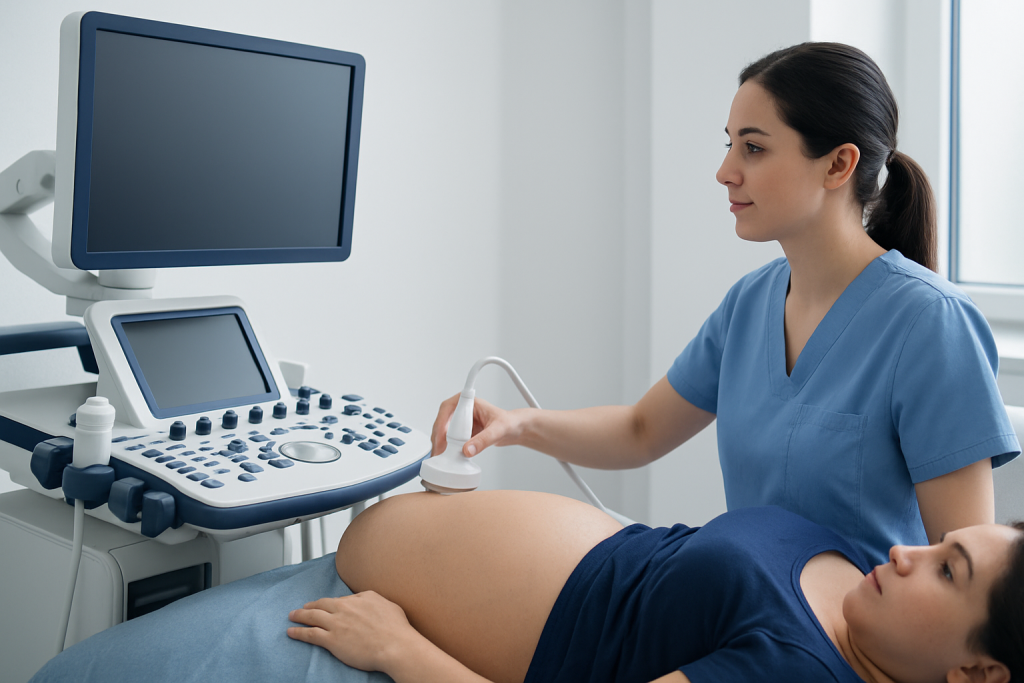
Macrosomia does not usually cause symptoms that a pregnant person can feel directly. It is more often suspected during prenatal visits when fundal height seems larger than expected or when ultrasound measurements suggest a baby is growing ahead of schedule.
During labor, a larger baby may be associated with signs that prompt the care team to pay closer attention. These may include a slow labor pattern, difficulty with descent through the birth canal, or concern that the baby’s shoulders may not pass easily after the head is delivered.
Because size estimates are imperfect, clinicians interpret them alongside the pregnancy history, maternal health, and the baby’s position. A single measurement rarely tells the whole story.
Causes and Risk Factors

Macrosomia can happen for more than one reason, and sometimes no clear cause is found. One of the most common contributors is maternal diabetes before pregnancy or gestational diabetes during pregnancy, because higher blood sugar levels can support faster fetal growth.
Other factors may include previous delivery of a large baby, going past the due date, excess maternal weight gain, obesity before pregnancy, or having had several pregnancies. Male fetuses are also statistically more likely to be larger at birth, though this does not by itself change care.
Sometimes the baby’s size reflects normal family traits, such as a parent or sibling history of larger birth size. In other cases, the fetus may be measuring large for gestational age without an identifiable medical issue, which is why individualized assessment is important.
- Pre-existing diabetes or gestational diabetes
- Previous macrosomic baby
- Pregnancy beyond 40 weeks
- Higher maternal pre-pregnancy weight or excess gestational weight gain
- Family tendency toward larger birth size
Diagnosis
Macrosomia is usually suspected during pregnancy rather than diagnosed with certainty before birth. Clinicians may notice that the uterus is measuring ahead of dates, then use ultrasound to estimate fetal weight and compare it with gestational age.
Ultrasound can be helpful, but it does not measure newborn weight perfectly. Estimations become less precise as babies get larger, which is why a diagnosis is often a matter of probability rather than certainty. The healthcare team may also review glucose testing results, maternal health conditions, and earlier pregnancy scans.
In some cases, the most accurate assessment happens after delivery when the baby is weighed directly. That said, pregnancy decisions must often be made before birth, so clinicians work with the best available information rather than waiting for perfect certainty.
Treatment Options
Macrosomia itself is not treated with a medication or procedure before birth. Instead, care focuses on planning the safest delivery route and addressing the underlying factors that may be contributing to the baby’s growth.
If diabetes is present, improving blood sugar control is one of the most important steps. The care team may adjust nutrition guidance, glucose monitoring, or treatment plans to help keep fetal growth and pregnancy risks more stable. When size estimates suggest a higher chance of delivery complications, discussions may include timing of delivery, induction, or cesarean birth depending on the individual situation.
After birth, the baby may be observed for common short-term issues such as low blood sugar, feeding difficulty, or jaundice, especially if the pregnancy involved diabetes. The parent may also be monitored for tears, bleeding, or other labor-related effects, depending on how the birth unfolded.
For Myomectomy Recovery: Healing Time, Activity Limits, and Fertility Planning" class="ahp-ilk">Myomectomy Recovery for International Patients: The Usual Travel Timeline" class="ahp-ilk">international patients, clear planning matters. When someone is arranging maternity care from abroad, it can help to review records, ultrasounds, and glucose results ahead of travel so the receiving team can quickly build a delivery plan that fits the pregnancy stage and risk profile.
Prevention and Self-care
Not every case of macrosomia can be prevented, but certain steps can lower avoidable risk. Regular prenatal visits make it easier to spot patterns early, especially when the baby begins measuring ahead of schedule or when blood sugar needs closer attention.
Healthy eating patterns, appropriate weight gain during pregnancy, and physical activity approved by the obstetric team may support better glucose control and overall pregnancy health. For people with diabetes, following the recommended monitoring and treatment plan is especially important, because well-managed blood sugar can reduce the chance of excessive fetal growth.
Self-care also includes practical preparation. Families may benefit from discussing the delivery hospital, transport plans, newborn observation, and what follow-up care will look like if they are returning to another country shortly after birth. Having the next step defined can make the experience feel more manageable.
- Attend all prenatal appointments
- Complete recommended glucose screening and follow-up
- Follow individualized nutrition and activity advice
- Ask about birth planning if the baby is measuring large
- Arrange postpartum and newborn follow-up before discharge when possible
When to See a Doctor
A healthcare professional should be contacted whenever there are concerns about fetal growth, diabetes, decreased fetal movement, or changes in the pregnancy that make labor feel different from expected. It is also wise to ask for a review if an ultrasound suggests the baby may be large and the next steps are unclear.
During labor, prompt attention is important if progress is unusually slow, if there are concerns about the baby’s position, or if the parent has symptoms such as heavy bleeding, severe pain, or a sudden change in fetal movement before arrival at the hospital. After birth, any difficulty feeding, unusual sleepiness, or signs of low blood sugar in the baby should be assessed quickly.
Families seeking care from abroad may find it helpful to speak with a maternity team before traveling so records can be reviewed in advance. At Acibadem Health Point, multidisciplinary specialists and JCI-accredited hospitals diagnose and treat conditions such as macrosomia for international patients, helping coordinate evaluation, delivery planning, and follow-up care across borders.
Frequently asked questions
01What does macrosomia mean in pregnancy?
Macrosomia means a baby is larger than expected at birth. The exact cutoff can vary, but the term is used when size may affect pregnancy monitoring or delivery planning. It is a clinical description, not a judgment about how the pregnancy has been managed.
02Can macrosomia be diagnosed before birth?
It can be suspected before birth, usually with ultrasound and fundal height measurements. However, prenatal estimates are not exact, so the final birth weight may be higher or lower than expected. Clinicians use these estimates together with the rest of the pregnancy history.
03Does macrosomia always mean a cesarean birth?
No. Many babies who are suspected to be large are still born vaginally. The best delivery plan depends on factors such as the parent’s health, diabetes status, fetal position, prior birth history, and how confident the team is about the baby’s size.
04Is gestational diabetes the only cause of macrosomia?
No. Gestational diabetes is an important risk factor, but macrosomia can also be linked to previous large babies, later gestational age, maternal weight factors, and family traits. Sometimes no clear cause is identified.
05What problems can happen after a baby with macrosomia is born?
Some babies may need observation for low blood sugar, feeding issues, or birth injuries related to delivery. Many do well with routine newborn care, especially when the pregnancy and birth were carefully planned. The care team will decide what monitoring is appropriate based on the situation.
06How can families prepare if macrosomia is suspected and they are traveling for birth care?
They can bring prenatal records, glucose results, and ultrasound reports, and ask the receiving team to review them before arrival. It also helps to clarify the planned hospital, interpreter support if needed, and what follow-up will happen after delivery, especially if the family will return home soon after birth.
This article is for general information only and is not a substitute for professional medical advice. Please consult a qualified doctor about your individual situation.
Joint and spine care in Turkey — expert assessment & treatment
JCI-accredited · board-certified surgeons · reply within 24h
Add us as a Preferred Source to see more of our trusted health content across Google Search, AI Overviews and Discover.



How can we help you today?
Meet an Acibadem specialist by secure video, before you travel.
Book a video visit