Lymphoma Survival Rate by Age: Diagnosis, Outlook, and Modern Treatment Approaches
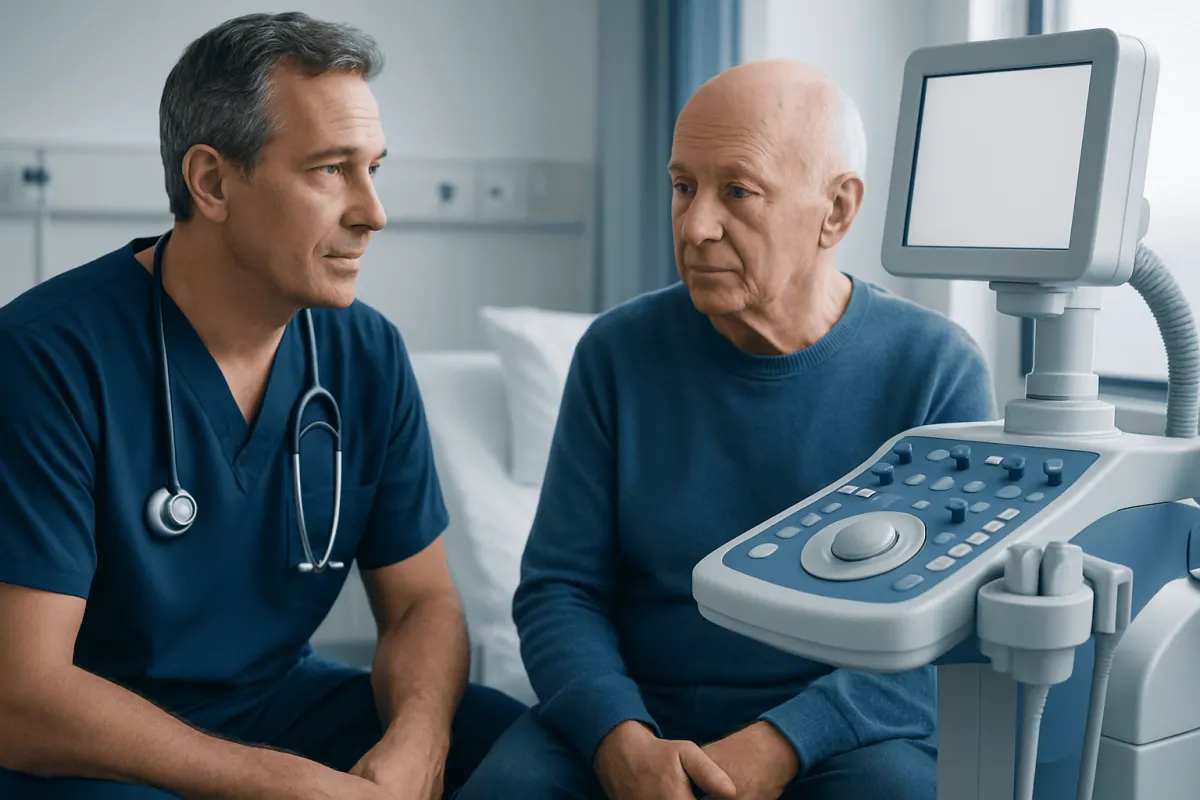
Lymphoma survival rate by age generally becomes lower in older age groups, but age alone does not determine an individual’s outlook. Lymphoma subtype, stage, tumor biology, overall health, and response to modern treatment are all important when a care team discusses prognosis.
Overview: What Does Lymphoma Survival Rate by Age Mean?
Lymphoma survival rate by age describes how outcomes in large groups of people with lymphoma differ across age ranges. In general, survival tends to be higher in younger adults and lower in older adults. However, these figures do not account for every feature that shapes an individual’s situation, including the exact lymphoma subtype, extent of disease, general fitness, and how well treatment works.
Lymphoma begins in lymphocytes, a type of white blood cell that supports the immune system. The two main categories are Hodgkin lymphoma and non-Hodgkin lymphoma. Non-Hodgkin lymphoma is not one disease: it includes many subtypes with different growth patterns, treatments, and expected outcomes. Some are indolent, meaning slow-growing, while others are aggressive but may respond well to prompt therapy.
Survival statistics are usually reported as relative survival. This compares people with a certain cancer to people of a similar age and sex in the general population. It is a population measure rather than a personal forecast. A hematologist or oncologist can place available statistics into context after reviewing pathology, imaging, laboratory findings, and the person’s health goals.
How Age Can Influence Lymphoma Outlook
Age can influence lymphoma outcomes for several reasons. Older adults are more likely to have other medical conditions, such as heart, lung, kidney, or metabolic disease, which may affect the safety or intensity of treatment. They may also have differences in physical reserve, nutrition, mobility, or medication use that require careful planning.
Some lymphoma subtypes occur more often at particular ages. Hodgkin lymphoma has a pattern with one peak in younger adults and another later in life. By contrast, many forms of non-Hodgkin lymphoma are diagnosed more commonly in older adults. The biology of lymphoma diagnosed at an older age can sometimes differ from disease seen in younger people.
Importantly, chronological age is only one consideration. Clinicians also assess functional status, organ function, frailty, independence, cognitive health, and personal preferences. A healthy older adult may be able to receive standard treatment, while a younger person with significant health challenges may need a modified plan. Modern supportive care and tailored treatment approaches can help make treatment safer for many people.
- Younger age may be associated with greater ability to tolerate intensive therapy in some settings.
- Older age may increase the likelihood of coexisting conditions that need coordinated care.
- Subtype, stage, molecular findings, and treatment response often matter as much as, or more than, age.
Why Survival Figures Differ Between Lymphoma Types
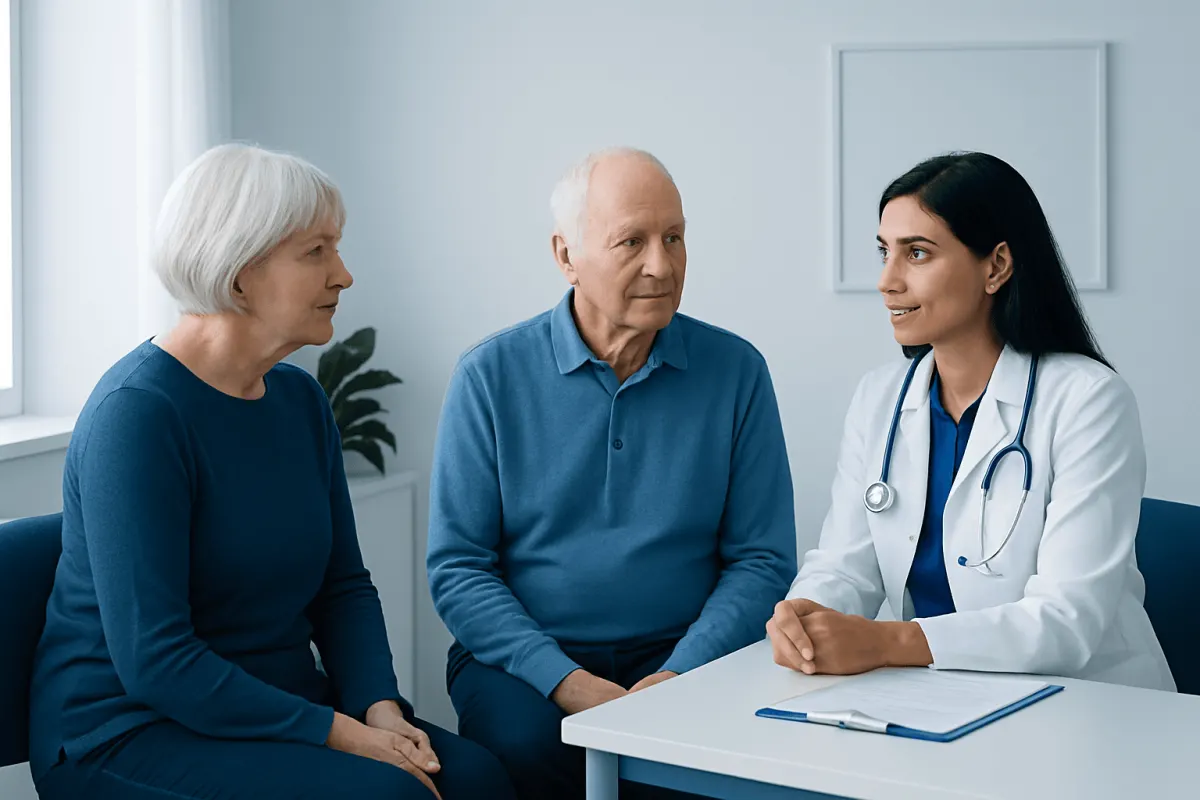
Hodgkin lymphoma and non-Hodgkin lymphoma should not be discussed as though they have one shared survival rate. Classical Hodgkin lymphoma is frequently responsive to treatment, particularly when identified at an earlier stage. Outcomes can still vary with age, stage, symptoms, and risk features, and older patients may need closer assessment for treatment-related side effects.
Non-Hodgkin lymphoma includes B-cell, T-cell, and natural killer cell lymphomas. Diffuse large B-cell lymphoma is an aggressive subtype that usually requires treatment soon after diagnosis, yet it can be curable for many patients. Follicular lymphoma is often slower-growing and may be managed over a long period, sometimes with observation before treatment is needed. These different disease courses make broad comparisons misleading.
Pathology review is therefore central to prognosis. Specialists may use a lymph node or tissue biopsy, immunohistochemistry, flow cytometry, chromosome testing, and molecular tests to classify the disease precisely. A diagnosis of lymphoma should be followed by clear discussion of the subtype, because this information guides both treatment decisions and expectations.
Diagnosis and Staging: Building an Individual Outlook
Before estimating prognosis, the clinical team confirms the diagnosis and determines the extent of lymphoma. This commonly starts with a biopsy of an enlarged lymph node or another affected tissue. Fine-needle aspiration alone may not provide enough tissue to identify lymphoma subtype accurately, so a core or excisional biopsy may be recommended when appropriate.
Staging tests may include blood tests, positron emission tomography and computed tomography (PET-CT), CT scans, and occasionally bone marrow testing. Doctors also ask about symptoms such as unexplained fever, drenching night sweats, unintended weight loss, itching, fatigue, or discomfort from enlarged lymph nodes. These findings help establish the stage and identify features that may affect treatment planning.
For some subtypes, clinicians use validated prognostic scoring systems. These tools combine factors such as age, stage, blood test results, physical function, and disease features. They are designed to support decisions for groups of patients, not to define an unavoidable outcome for one person. Reassessment during and after therapy also matters, because response to initial treatment provides valuable information.
Modern Treatment Approaches and Their Role in Outlook
Lymphoma treatment is individualized. Depending on the type and stage, options may include active surveillance, chemotherapy, immunotherapy, targeted medicines, radiation therapy, cellular therapies, or stem cell transplantation. Not every person needs every approach, and some slow-growing lymphomas can be monitored safely until symptoms, organ involvement, or disease progression make treatment beneficial.
For many B-cell lymphomas, antibody-based immunotherapy is an important part of care. Targeted drugs and newer immune-based treatments have expanded options for certain relapsed or treatment-resistant lymphomas. Treatment selection considers expected benefit, potential side effects, previous treatments, organ function, infection risk, fertility considerations, and quality of life.
Some people with recurrent lymphoma may be assessed for stem cell transplantation, which can allow higher-dose treatment in selected circumstances. Others may be candidates for CAR T-cell therapy, an advanced immune-cell treatment used for specific eligible blood cancers. These therapies require specialist evaluation and close monitoring.
Supportive care is an essential part of treatment at every age. It can include infection prevention, vaccinations when medically appropriate, management of nausea or fatigue, nutritional support, rehabilitation, emotional support, and follow-up for late effects. At Acıbadem Health Point, multidisciplinary specialists in JCI-accredited hospitals diagnose and treat lymphoma for international patients using individualized care planning.
Questions to Ask About Prognosis and Survival Statistics
People often find survival statistics difficult to interpret, particularly soon after a diagnosis. It can help to ask the care team which lymphoma subtype is present, whether the disease is indolent or aggressive, what stage it is, and which individual factors are most relevant. A clinician can also explain whether a reported number refers to overall survival, relative survival, progression-free survival, or the chance of remaining in remission.
Statistics may be based on people treated years earlier, before newer tests and therapies became widely available. They also combine individuals with different health conditions and treatment plans. As a result, a percentage cannot tell a person exactly how long they will live or whether their lymphoma will return after treatment.
Useful questions include:
- What exact subtype of lymphoma is this?
- What tests were used to determine the stage and risk features?
- What is the aim of treatment: cure, long-term control, or symptom relief?
- How might age, fitness, and other health conditions affect the treatment plan?
- Are there clinical trials or specialist-center options that may be appropriate?
Living Well During Follow-Up and Recovery
After treatment, follow-up appointments help the team monitor recovery, assess for relapse when relevant, and identify late effects of treatment. The schedule varies by lymphoma type, treatment received, symptoms, and time since treatment. Routine imaging is not needed for every person at every follow-up visit; doctors balance the value of testing with potential downsides.
General health measures can support recovery and long-term wellbeing. These include regular movement suited to the person’s ability, adequate protein and balanced nutrition, sleep, avoiding tobacco, limiting alcohol, and keeping other medical conditions well controlled. People should discuss vaccines, supplements, and complementary therapies with their clinical team, particularly while receiving treatment or immune-suppressing medicines.
Emotional wellbeing deserves equal attention. Anxiety around scans, appointments, or physical symptoms is common. Family support, counseling, cancer support groups, palliative care for symptom management when needed, and rehabilitation services can all be valuable parts of comprehensive lymphoma care.
When to Seek Medical Care
A person should arrange a medical assessment for a lymph node that remains enlarged for several weeks, continues to grow, feels firm, or appears without a clear infection-related cause. Other reasons to seek care include persistent unexplained fever, drenching night sweats, unintentional weight loss, ongoing fatigue, new shortness of breath, abdominal fullness, or persistent itching without an obvious explanation.
These symptoms can have many causes and do not necessarily mean lymphoma. A prompt assessment is still helpful because it can identify infections, inflammatory conditions, and other concerns that may need treatment. People already diagnosed with lymphoma should contact their care team for new or worsening symptoms, side effects, fever during active treatment, or concerns about infection.
Urgent medical care is appropriate for severe breathing difficulty, chest pain, confusion, fainting, uncontrolled bleeding, or a high fever during chemotherapy or other immune-suppressing treatment. Early communication with the treatment team helps ensure that symptoms are assessed safely and without delay.
Frequently asked questions
01Does lymphoma survival rate always decrease with age?
Survival rates often decrease in older age groups, but this is a broad population trend rather than a rule for every person. Lymphoma subtype, stage, overall health, treatment tolerance, and response to therapy can strongly influence an individual outlook.
02Which lymphoma has the best prognosis?
There is no single answer because lymphoma includes many diseases. Hodgkin lymphoma is often very treatable, and several non-Hodgkin lymphoma subtypes also have favorable outcomes, especially when they respond well to initial therapy. A specialist can explain prognosis after the precise subtype is known.
03Can older adults receive lymphoma treatment?
Yes. Treatment is based on overall fitness and medical needs, not age alone. Doctors may use standard, adjusted, or alternative approaches depending on organ function, other conditions, and the goals of care.
04What is the difference between survival rate and cure rate?
A survival rate describes the proportion of people alive after a defined period, often compared with the general population. A cure means the lymphoma is not expected to return, although doctors may use this term cautiously and follow patients over time. Some lymphomas are managed as long-term conditions rather than cured with one course of treatment.
05Can lymphoma survival statistics predict my outcome?
No, they cannot predict an individual outcome with certainty. Statistics reflect past results in large groups of people and may not capture newer therapies or personal factors. The treating team can provide a more meaningful perspective based on the diagnosis and response to treatment.
06What should a person do after a lymphoma diagnosis?
It is important to confirm the lymphoma subtype through appropriate pathology review and complete recommended staging tests. People may wish to bring a family member to appointments, write down questions, and discuss treatment goals and possible side effects with a hematologist or oncologist. Seeking a second opinion can also be reasonable, especially for rare or complex lymphoma subtypes.
This article is for general information only and is not a substitute for professional medical advice. Please consult a qualified doctor about your individual situation.
Oncology care in Turkey — second opinion and treatment plan
JCI-accredited · board-certified surgeons · reply within 24h
Add us as a Preferred Source to see more of our trusted health content across Google Search, AI Overviews and Discover.