Lymph Carries Fluid, Fats, and Immune Cells Through the Body
You notice a tender lump under your jaw during a sore throat, or a ring that suddenly feels tight on your finger. Both moments have something in common: your lymphatic system is at work.
Lymph is a clear, protein-rich fluid that circulates through this system, helping your body fight infection, remove waste, and keep fluid in balance. Once you understand how it works, common problems such as swelling, enlarged lymph nodes, or lymphatic blockage make a lot more sense.
What Is Lymph and Why Does It Matter?
Lymph is a clear to pale-yellow fluid that moves through a network of vessels called the lymphatic system. It contains water, proteins, fats, waste products, and immune cells. Its main job is to collect extra fluid from body tissues, filter it, and help return it to the bloodstream.
Lymph does two jobs at once: it keeps fluid in balance and it protects you from infection. As blood circulates, some fluid naturally leaks out of tiny blood vessels into the surrounding tissues. The lymphatic system gathers up most of that extra fluid so it does not pool and cause swelling.
The lymphatic system also acts as part of the body’s defense network. As lymph passes through lymph nodes, it is filtered for bacteria, viruses, damaged cells, and other foreign material. Immune cells inside the nodes help identify threats and support the body’s response to infection.
Most people only think about lymph when a node swells up, but it is working every day. It drains tissues, carries certain fats absorbed from the intestine, and partners closely with your circulatory and immune systems.
How the Lymphatic System Works
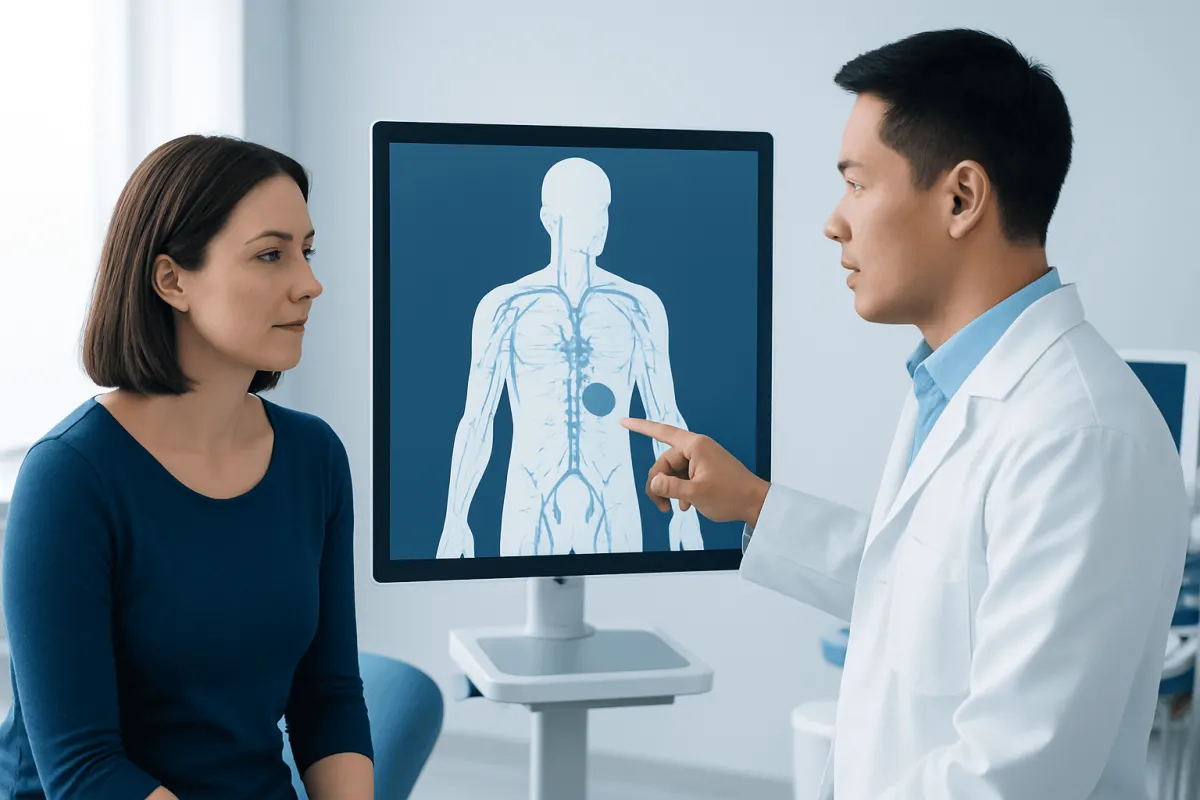
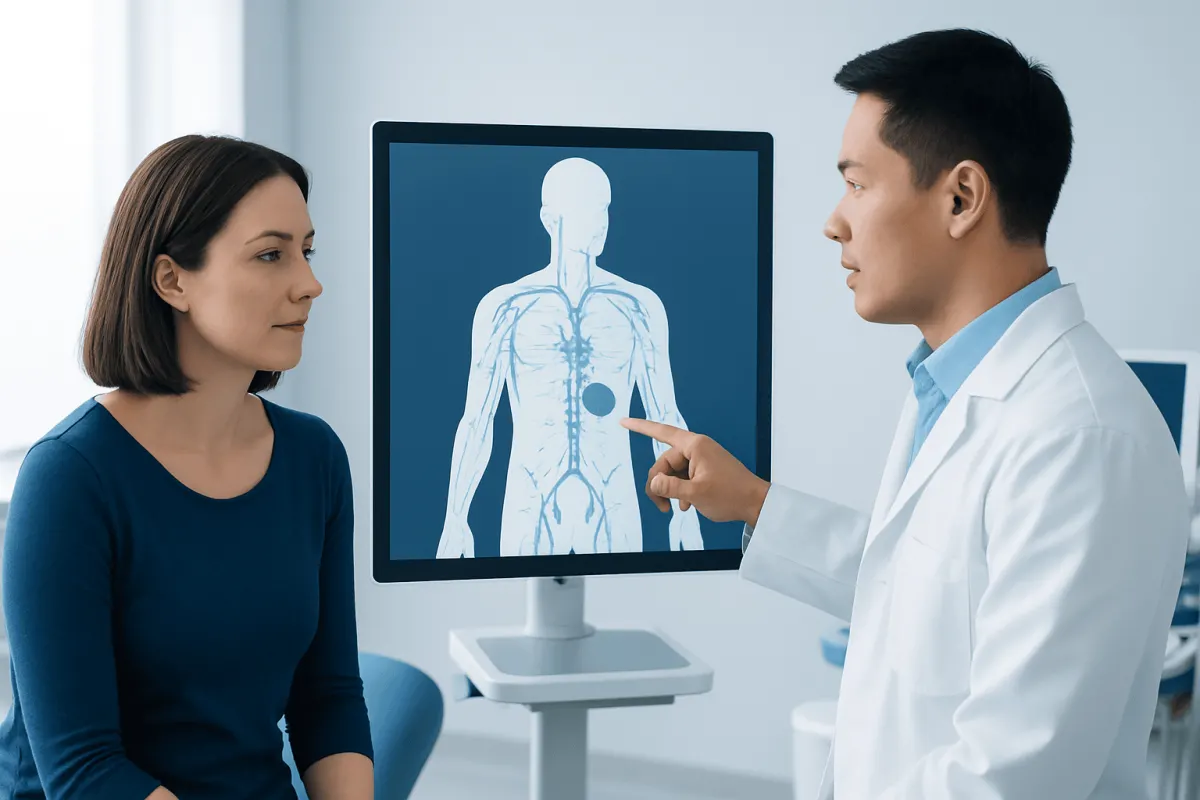
The lymphatic system is made up of lymph fluid, tiny lymph capillaries, larger lymph vessels, lymph nodes, and organs such as the spleen, thymus, adenoids, and tonsils. Unlike blood, which is pumped by the heart, lymph moves more slowly through the body. It relies on muscle movement, breathing, and one-way valves inside lymph vessels to keep flowing in the right direction.
Lymph begins as fluid that leaves the bloodstream and enters body tissues. Lymphatic capillaries collect this fluid and move it into larger vessels. Along the way, the fluid passes through groups of lymph nodes located in the neck, underarms, chest, abdomen, and groin. These nodes act like checkpoints that filter lymph and expose germs or abnormal cells to the immune system.
The system also moves fat. In the small intestine, lymph vessels called lacteals absorb certain dietary fats and carry them into circulation. So this is not just a drainage network — it is also an important route for nutrients.
If the system is blocked, damaged, overwhelmed, or affected by infection or disease, lymph may not drain normally. This can lead to symptoms such as swelling, heaviness, discomfort, or enlarged lymph nodes. Conditions affecting the lymphatic system range from temporary infections to chronic swelling disorders such as lymphedema.
Common Lymph-Related Symptoms and Problems
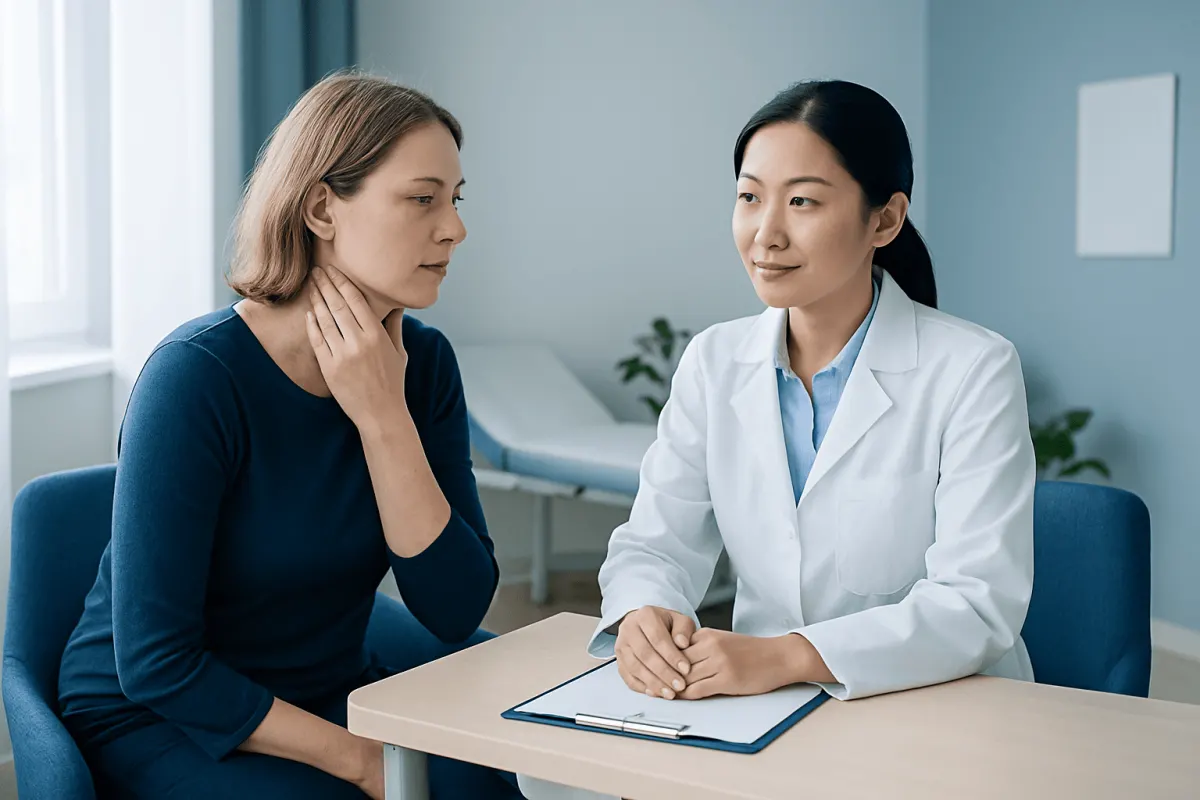
Many lymph-related concerns are mild and temporary, especially when they happen during a cold, sore throat, or another infection. Swollen lymph nodes are one of the best-known signs. These may appear in the neck, under the jaw, under the arms, or in the groin. They can feel tender, soft, or slightly enlarged while the immune system is responding to infection.
Another common issue is swelling caused by poor lymph drainage. This may affect an arm, leg, hand, foot, chest wall, or another area. People sometimes describe it as a feeling of tightness, heaviness, reduced flexibility, or clothing and jewelry fitting more tightly than usual.
Symptoms that may suggest a lymphatic problem include:
- Swelling in one limb or part of the body
- A sense of heaviness or fullness
- Enlarged lymph nodes
- Repeated skin infections
- Skin thickening or firmness over time
- Discomfort or limited range of motion in the affected area
A swollen node or limb rarely means something serious. Infections, inflammation, injury, surgery, cancer treatment, and vein problems can all be behind it. With that many possible causes, it is worth having persistent symptoms checked rather than guessing at home.
Causes and Risk Factors for Lymph Problems
Lymph-related problems can occur when the system is blocked, damaged, or working harder than usual. Infections are a frequent cause of temporary lymph node enlargement. Viruses, bacteria, dental infections, throat infections, and skin infections may all trigger lymph nodes to become more noticeable as they help filter harmful material.
Chronic swelling can develop when lymph vessels or nodes do not drain fluid effectively. This may happen after surgery, radiation therapy, trauma, severe infection, or congenital differences in lymphatic development. Some people are born with lymphatic abnormalities that become noticeable later in life, while others develop problems after medical treatment or injury.
Risk factors for lymphatic swelling or dysfunction may include:
- Previous surgery involving lymph node removal
- Radiation treatment
- Cancer affecting lymph nodes or nearby tissues, including lymphoma
- Recurrent skin infections
- Obesity
- Reduced mobility
- Trauma or scarring
- Inherited lymphatic disorders
Enlarged nodes can also come from autoimmune disease, a reaction to medication, or, less often, blood cancers and metastatic cancer. Most causes are not emergencies. Still, a node that keeps growing, feels hard, or simply will not settle should be looked at.
How Doctors Diagnose Lymph Disorders
Diagnosis starts with a detailed history and physical examination. A doctor may ask when swelling began, whether it changes during the day, whether there has been recent infection, travel, surgery, injury, cancer treatment, weight changes, or fever. During the exam, they may check the size and texture of lymph nodes and look for patterns of swelling, redness, skin change, or tenderness.
Blood tests may help identify infection, inflammation, or certain blood-related conditions. Imaging can also be useful. Ultrasound may assess swollen areas or enlarged lymph nodes, while CT, MRI, or other scans may be used when deeper structures need evaluation. In selected cases, specialized lymphatic imaging can show how fluid is moving through the lymph vessels.
If a lymph node remains enlarged without a clear reason, a biopsy may be recommended. This means taking a sample of tissue so it can be examined under a microscope. Biopsy can help distinguish between reactive changes from infection and conditions such as autoimmune disease or cancer.
Your symptoms and risk factors shape how far the work-up goes. Some people need nothing more than reassurance and a follow-up visit. Others — particularly anyone with lasting swelling after cancer treatment — benefit from a more structured assessment to see whether lymphatic drainage massage or compression-based care would help.
Treatment Options for Lymph Conditions
Treatment depends on the cause. If lymph nodes are enlarged because of a common infection, the underlying illness may simply need time, rest, fluids, or targeted treatment if a bacterial infection is confirmed. When the infection settles, the lymph nodes often become smaller, although they may not return to normal immediately.
When the issue is chronic lymph buildup, treatment focuses on improving drainage and reducing swelling. This may include compression garments, gentle exercise, skin care, elevation of the affected limb, and therapist-guided techniques. Some patients benefit from structured programs known as decongestive therapy, which combine several of these measures.
In selected cases, doctors may recommend procedures or surgery, especially when symptoms are persistent and conservative care is not enough. Depending on the individual situation, options may include lymphedema treatment plans or evaluation by specialists in vascular surgery when the diagnosis overlaps with circulation or vessel-related problems.
When cancer, inflammatory disease, or another systemic condition is suspected, treatment targets that diagnosis instead. Later on, some patients also need rehabilitation support and education to manage swelling over the long term. At Acıbadem Health Point, multidisciplinary teams in JCI-accredited hospitals evaluate and treat lymph-related conditions for international patients who need advanced assessment or coordinated care.
Prevention and Self-Care for Healthy Lymph Flow
Not every lymph problem can be prevented, but everyday habits can support normal lymphatic function. Regular movement is one of the most helpful steps because muscle activity helps push lymph through vessels. Walking, stretching, and other gentle exercises can improve circulation and reduce fluid stagnation, especially after surgery or periods of inactivity.
Skin care is also important, particularly for people at risk of lymphedema. Clean, moisturized skin is less likely to crack and become infected. Small cuts, burns, insect bites, and fungal infections can trigger complications in areas where lymph drainage is already reduced, so early treatment of skin problems matters.
Helpful self-care habits may include:
- Staying physically active within personal limits
- Avoiding prolonged immobility when possible
- Protecting the skin from injury
- Maintaining a healthy weight
- Following prescribed compression or therapy plans
- Seeking medical advice before trying vigorous massage or unproven detox methods
If swelling persists, please do not rely on home remedies or advice you found online. Manual techniques and compression help some people, but they have to match the diagnosis. Swelling from heart, kidney, liver, vein, or infection-related conditions often needs a very different approach from true lymphatic swelling.
When to Seek Medical Care
Medical care is appropriate if a lymph node remains enlarged for several weeks, keeps growing, feels hard or fixed, or is accompanied by fever, night sweats, unexplained weight loss, or significant fatigue. These signs do not automatically mean a serious illness, but they do deserve professional evaluation.
A doctor should also assess swelling in an arm, leg, or other body area if it is new, one-sided, painful, recurrent, or associated with skin redness, warmth, or repeated infections. Sudden severe swelling or swelling with shortness of breath requires urgent care, because problems outside the lymphatic system may be involved.
For people who have had cancer treatment, surgery involving lymph nodes, or radiation therapy, early assessment is especially valuable if swelling begins. Prompt care may reduce progression and improve comfort. A clinician can help determine whether the problem is likely related to lymph flow, venous disease, infection, or another cause.
As a rule of thumb: if symptoms stick around, have no clear explanation, or get in the way of daily life, get them checked. Coming in early usually means simpler treatment, reassurance when the cause turns out to be minor, and prompt care when something more specific is going on.
Frequently asked questions
01What is lymph in simple terms?
Lymph is a clear fluid that moves through the lymphatic system. It helps collect extra fluid from tissues, carries immune cells, and supports the body's defense against infection.
02Is lymph the same as blood?
No. Blood circulates through arteries, veins, and capillaries, while lymph travels through a separate network of lymph vessels. Lymph contains fluid, proteins, fats, and immune cells, but it is not pumped by the heart in the same way blood is.
03Why do lymph nodes swell?
Lymph nodes often swell because they are reacting to infection or inflammation. They can become larger while filtering germs and activating immune cells, and they usually shrink after the body recovers.
04What causes poor lymph drainage?
Poor lymph drainage can happen if lymph vessels or nodes are damaged, blocked, or under extra strain. Common causes include surgery, radiation, infection, injury, congenital lymphatic problems, or cancer-related conditions.
05Can lymph problems go away on their own?
Some can. Swollen lymph nodes due to a routine infection often improve as the illness resolves, but chronic swelling caused by lymphatic damage may need ongoing management and monitoring.
06How is lymphedema treated?
Lymphedema is often managed with compression, exercise, skin care, and specialized therapy to support lymph drainage. Treatment is individualized, so a doctor or trained therapist usually recommends the safest plan based on the cause and severity.
07When should someone worry about a swollen lymph node?
A swollen lymph node should be checked if it lasts several weeks, becomes larger, feels hard, or is accompanied by symptoms such as fever, unexplained weight loss, or persistent tiredness. Most swollen nodes are not serious, but persistent changes should not be ignored.
This article is for general information only and is not a substitute for professional medical advice. Please consult a qualified doctor about your individual situation.
Persistent digestive symptoms? Get evaluated in Turkey
JCI-accredited · board-certified surgeons · reply within 24h
Add us as a Preferred Source to see more of our trusted health content across Google Search, AI Overviews and Discover.