Lyme Disease Doctor: When to Seek Care After a Tick Bite
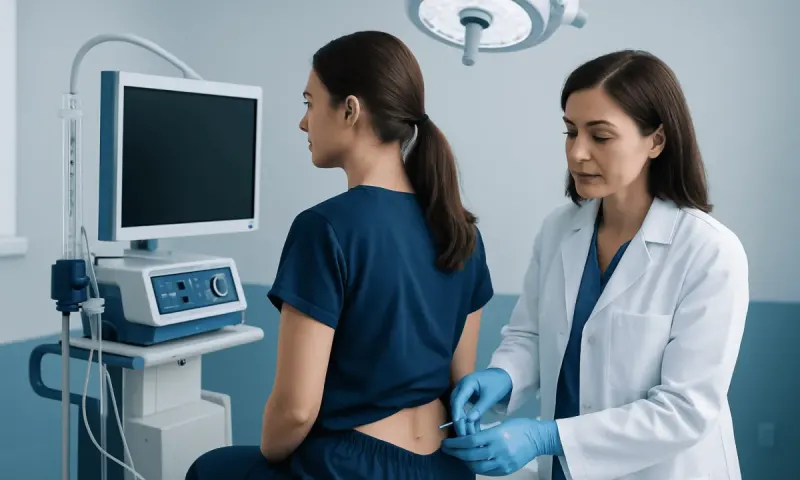
A Lyme disease doctor is usually a primary care physician, infectious disease specialist, neurologist, rheumatologist, or dermatologist, depending on a person’s symptoms. Early evaluation and appropriate antibiotic treatment are important, while follow-up helps address symptoms that may take longer to improve.
Overview: What Does a Lyme Disease Doctor Do?
A Lyme disease doctor assesses whether a person’s symptoms could be related to infection with Borrelia bacteria, usually transmitted through the bite of an infected tick. The doctor reviews potential tick exposure, travel or outdoor activities, the timing of symptoms, and any rash or neurological, joint, or heart-related concerns. Treatment is based on the complete clinical picture, not on one laboratory result alone.
A primary care doctor can often assess early Lyme disease and begin treatment. Depending on the situation, referral may be made to a dermatologist for an unusual rash, an infectious disease specialist for complex diagnostic questions, a neurologist for nervous system symptoms, a cardiologist for suspected heart involvement, or a rheumatologist for persistent joint swelling.
There is no routine procedure for Lyme disease in the surgical sense. Care typically involves a medical consultation, examination, appropriate laboratory testing when indicated, antibiotic treatment, and follow-up. The aim is to treat the infection promptly, monitor improvement, and investigate symptoms that do not follow the expected recovery pattern.
Symptoms and Reasons to Arrange an Assessment
Early Lyme disease may cause a gradually expanding skin rash called erythema migrans. It is often, but not always, described as a target-shaped rash. The rash may be warm but is not usually painful or very itchy. Some people do not notice a tick bite or develop a recognized rash, so a doctor also considers flu-like symptoms after possible tick exposure.
Possible early symptoms include fever, chills, headache, tiredness, muscle or joint aches, and swollen lymph nodes. Without treatment, Lyme disease can sometimes involve the joints, nervous system, or heart. Later features may include facial weakness, severe headache with neck stiffness, nerve pain, palpitations, dizziness, fainting, or recurring swelling and pain in a large joint such as the knee.
These symptoms can have many causes, and a Lyme disease doctor will avoid assuming Lyme disease is responsible without supportive evidence. A careful assessment helps distinguish Lyme disease from viral illnesses, autoimmune conditions, other tick-borne infections, medication effects, and unrelated musculoskeletal or neurological problems.
- Bring details of recent travel, outdoor work, hiking, gardening, or known tick bites.
- Take photographs of a new or changing rash, ideally with the date recorded.
- List the onset and progression of symptoms, prior illnesses, medicines, and previous test results.
How a Lyme Disease Doctor Diagnoses the Condition

Diagnosis begins with a clinical history and physical examination. A typical erythema migrans rash in a person with likely tick exposure may be enough for a clinician to diagnose and treat early Lyme disease without waiting for blood testing. In the first weeks of infection, antibody tests can be negative because the immune response may not yet be detectable.
When blood testing is appropriate, clinicians generally use a two-step antibody testing approach. An initial screening assay is followed by a confirmatory test when the screening result is positive or equivocal. The doctor interprets the result alongside symptoms and exposure history, because antibodies can remain detectable after an earlier infection and do not necessarily prove active disease.
Additional tests are not needed for everyone. If symptoms suggest involvement of the nervous system, heart, or joints, a specialist may recommend targeted investigations such as an electrocardiogram, imaging, joint-fluid analysis, or examination of cerebrospinal fluid. These tests help determine whether Lyme disease is involved and guide the safest treatment plan.
Testing is most useful when there is a reasonable likelihood of Lyme disease. Testing people with nonspecific symptoms but no compatible exposure or clinical features increases the chance of misleading results. A doctor can explain what a positive, negative, or indeterminate result means in the individual situation.
Treatment Options and the Lyme Disease Recovery Process
Antibiotics are the standard treatment for Lyme disease. The medicine, route, and length of treatment depend on the stage of infection, age, pregnancy status, allergies, other medical conditions, and whether there is skin, joint, neurological, or cardiac involvement. Early illness is commonly treated with oral antibiotics, while selected complications may require intravenous treatment and specialist supervision.
Patients should take treatment exactly as prescribed and contact their clinician if they develop troublesome side effects, an allergic reaction, or difficulty taking the medication. More antibiotics are not automatically helpful when symptoms persist after a recommended course, particularly if there is no evidence of ongoing infection. A doctor will reassess the diagnosis and look for other explanations when recovery is slower than expected.
The Lyme disease recovery process is individual. Rest, gradual return to activity, adequate fluids, regular meals, and attention to sleep can support recovery while the body regains strength. Joint pain, reduced stamina, and disrupted sleep can make recovery feel uneven, so activity pacing is often more practical than trying to resume a full routine immediately.
For international patients, Acıbadem Health Point’s multidisciplinary specialists and JCI-accredited hospitals can assess and treat Lyme disease when coordinated infectious disease, neurological, cardiac, or rehabilitation care is needed.
Can You Recover 100% From Lyme Disease?
Many people recover completely from Lyme disease, especially when it is recognized and treated early. A precise Lyme disease recovery rate cannot be predicted for one person because it is influenced by the stage of infection, the type of symptoms, overall health, and how quickly appropriate treatment begins.
Some people continue to experience fatigue, body aches, sleep disturbance, or difficulty concentrating for weeks or months after completing treatment. These symptoms can be distressing, but they do not necessarily mean that infection is still present or that treatment failed. Clinicians may refer to this pattern as post-treatment Lyme disease symptoms and will consider supportive care as well as other potential contributors.
Follow-up is important when symptoms are prolonged, worsening, or limiting daily life. The treating doctor may assess pain, mood, sleep, physical conditioning, thyroid function, anemia, medication effects, or other conditions that can overlap with Lyme-related symptoms. A personalized plan may include rehabilitation, symptom management, and gradual return to usual activities.
How Long Does It Take to Feel Better After Lyme Treatment?
Some symptoms, such as fever or a new rash, may begin to improve within days of starting antibiotics. However, the Lyme disease recovery timeline is not identical for everyone. Tiredness, aches, and reduced exercise tolerance can improve more gradually, particularly if symptoms were present for a longer period before treatment.
For early Lyme disease, many people notice steady improvement over the following weeks. When joints, the nervous system, or the heart have been affected, the Lyme disease Neck Surgery Recovery Time?" class="ahp-ilk">recovery time may be longer and should be monitored by the treating team. Recovery can include good days and more difficult days, especially when activity increases too quickly.
A person should not stop prescribed medicine early simply because they begin to feel better. Conversely, they should contact a doctor if symptoms become significantly worse, if new symptoms develop, or if there is little improvement after the expected early treatment period. The clinician can decide whether follow-up testing or specialist review is appropriate.
How Long Does It Take to Get Bloodwork Results Back for Lyme Disease?
Lyme disease bloodwork results may be available within a few days, but the timing varies by laboratory, country, and whether confirmatory testing is required. When a screening test needs a second-step confirmatory test, the complete report may take longer, sometimes around one to two weeks. The ordering clinician or laboratory can provide the most accurate local estimate.
Blood test timing matters. In very early infection, the body may not yet have produced detectable antibodies, so a negative result does not always exclude Lyme disease. If a patient has a typical expanding rash and relevant exposure, a doctor may recommend treatment based on clinical findings rather than delaying care for test results.
Repeat testing is sometimes considered when symptoms started recently and the initial test was negative, but it is not useful in every case. Antibody tests are not generally used to show whether treatment worked, because antibodies can remain present long after the infection has resolved.
What to Expect After Lyme Disease Treatment and When to Seek Medical Care
After Lyme disease treatment, patients may expect gradual improvement rather than an immediate return to normal. The Lyme disease recovery period may involve ongoing tiredness, mild aches, or lower stamina while inflammation settles and usual routines are resumed. Keeping a simple symptom and activity record can help a doctor identify meaningful changes over time.
Follow-up may be recommended to confirm that the rash, fever, joint swelling, neurological symptoms, or heart-related symptoms are improving. Repeat blood tests are usually not needed to confirm recovery. Instead, the doctor focuses on symptoms, examination findings, and any condition-specific tests that may be needed for complications.
Medical care should be sought promptly for chest pain, shortness of breath, palpitations, fainting, severe headache, marked neck stiffness, new facial weakness, confusion, severe joint swelling, or a rapidly worsening illness. A doctor should also be contacted for a new expanding rash after a tick bite, persistent symptoms that interfere with daily life, or concerns about treatment side effects.
Tick prevention remains useful after recovery. In areas where ticks are common, wearing protective clothing, using an appropriate insect repellent, checking the skin after outdoor activity, and removing attached ticks promptly can reduce the risk of future tick-borne infections.
Frequently asked questions
01What kind of doctor should a person see for Lyme disease?
A primary care doctor can often diagnose and treat early Lyme disease. Depending on the symptoms, referral to an infectious disease specialist, neurologist, cardiologist, rheumatologist, or dermatologist may be appropriate. The best choice depends on the clinical situation rather than the diagnosis alone.
02Can a Lyme disease doctor diagnose Lyme disease without a blood test?
Yes. A clinician may diagnose early Lyme disease when there is a typical expanding erythema migrans rash and a compatible history of tick exposure. Blood tests may be negative early in infection, so waiting for a test result is not always appropriate when the clinical findings are clear.
03Can you recover 100% from Lyme disease?
Many people recover fully, particularly after prompt treatment for early disease. Some people have symptoms such as tiredness or aches that last longer, and recovery can vary by the stage and type of illness. Persistent symptoms should be reviewed rather than assumed to represent continuing infection.
04How long does it take to feel better after Lyme treatment?
Fever and rash may begin improving within days, while fatigue, aches, and stamina can take weeks or sometimes longer to improve. Recovery tends to be slower when Lyme disease has affected the joints, nervous system, or heart. A doctor should review symptoms that worsen, are new, or do not gradually improve.
05How long does it take to get bloodwork results back for Lyme disease?
Results can take a few days, although testing that requires confirmatory analysis may take about one to two weeks depending on the laboratory. The timing also depends on where the sample is processed. The ordering clinician can explain when to expect the final report and how it should be interpreted.
06What should a person expect after Lyme disease treatment?
Most people can expect gradual improvement, although energy levels and body aches may take time to return to baseline. Follow-up is based mainly on symptoms and examination rather than repeated antibody blood tests. Urgent assessment is needed for symptoms such as fainting, chest pain, severe headache, new facial weakness, or major joint swelling.
This article is for general information only and is not a substitute for professional medical advice. Please consult a qualified doctor about your individual situation.
Joint and spine care in Turkey — expert assessment & treatment
JCI-accredited · board-certified surgeons · reply within 24h
Add us as a Preferred Source to see more of our trusted health content across Google Search, AI Overviews and Discover.