

Lungs from a Smoker: What You Need to Know
Key Takeaways
- Smoking can inflame and scar the lungs, making it harder to move air in and out.
- Symptoms may include cough, wheeze, shortness of breath, mucus, and frequent chest infections.
- Tests such as spirometry and imaging can help assess how much lung function has been affected.
- Stopping smoking is the most important step, even if lung damage has already begun.
- Medical care can help manage symptoms, slow progression, and support recovery over time.
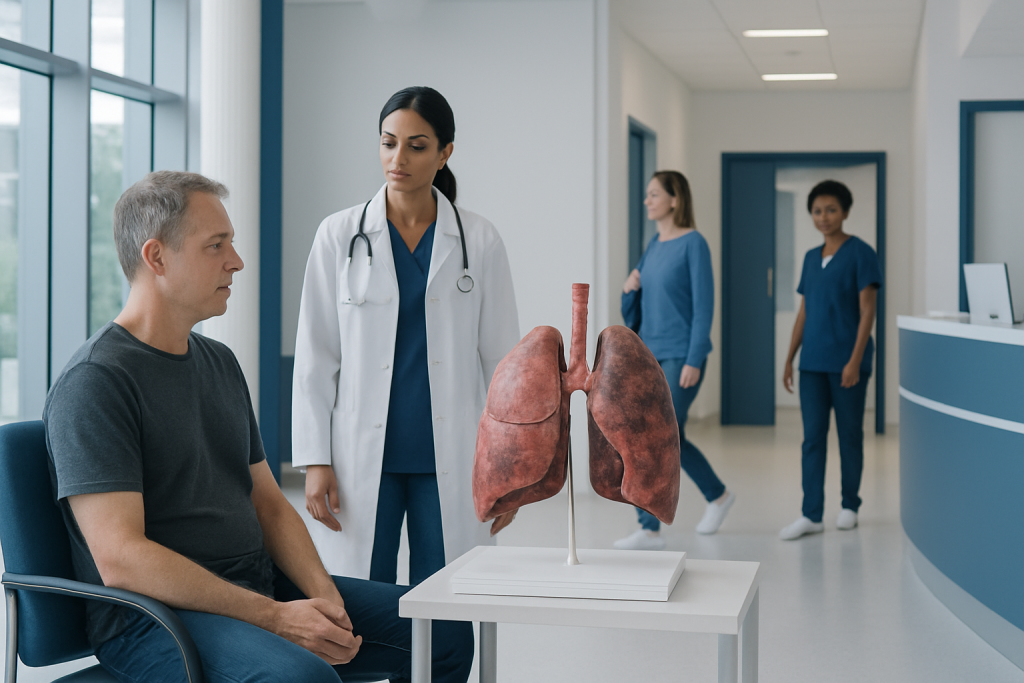
“Lungs from a smoker” usually refers to the damage smoking can cause to the airways and lung tissue over time. The changes may be silent at first, but they can affect breathing, raise infection risk, and increase the chance of chronic lung disease.
Overview
When people search for “lungs from a smoker,” they are usually asking what happens to the lungs after years of tobacco exposure. The short answer is that smoking can irritate the airways, weaken the lungs’ natural cleaning system, and damage the tiny air sacs that help oxygen enter the blood. Some changes improve after quitting, while others may be long-lasting, especially if chronic lung disease has developed.
Healthy lungs are built to keep the body supplied with oxygen and to clear away dust, germs, and mucus. Cigarette smoke interferes with all of those jobs. Over time, the lungs may become inflamed, stiff, overfilled with mucus, or less elastic, which can make breathing feel more difficult during exercise, illness, or even routine daily tasks.
Not everyone who smokes develops the same degree of lung damage. The risk depends on how long someone has smoked, how much they have smoked, whether they have asthma or another lung condition, and exposure to secondhand smoke or air pollution. Even so, there is no harmless level of smoking for the lungs.
Symptoms
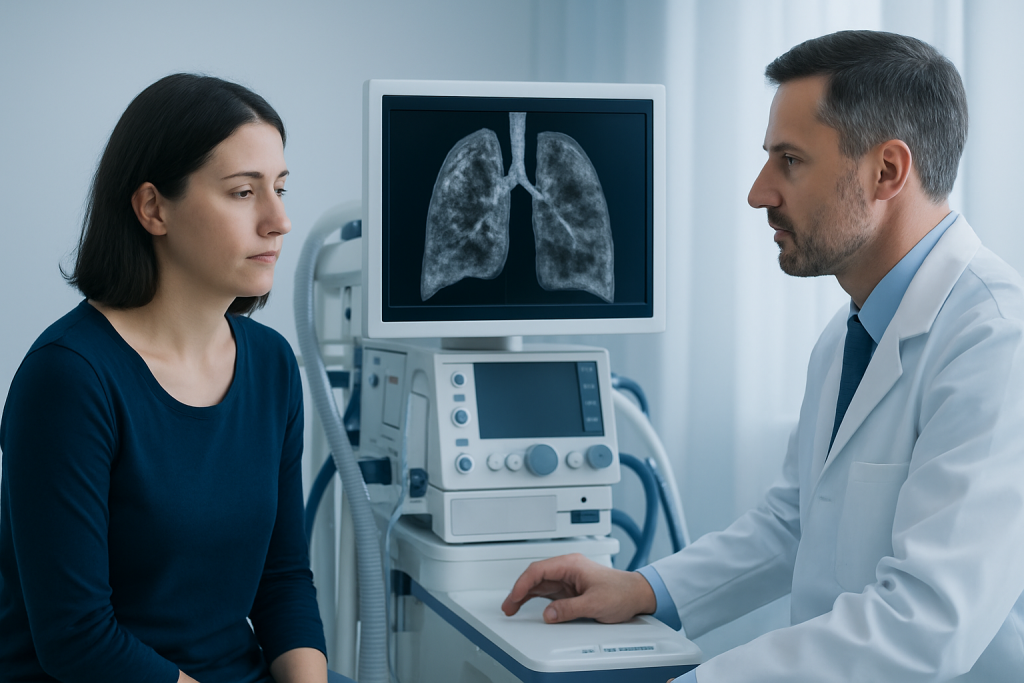
Changes in smoker’s lungs may begin quietly. In early stages, a person may notice a mild cough in the morning, more mucus than usual, or getting winded sooner than expected when climbing stairs or walking uphill. Because these symptoms can develop gradually, they are sometimes dismissed as a normal part of aging.
As lung irritation continues, symptoms may become more noticeable. A persistent cough, wheezing, chest tightness, shortness of breath, and repeated bronchitis or chest infections are common warning signs. Some people also notice reduced stamina, slower recovery after exercise, or coughing up phlegm more often.
More advanced lung damage can lead to daily breathlessness, frequent flare-ups, sleep disturbance from coughing, or difficulty carrying out ordinary activities. Any new or worsening breathing symptom deserves medical attention, especially if it is persistent or different from a person’s usual pattern.
Causes & Risk Factors
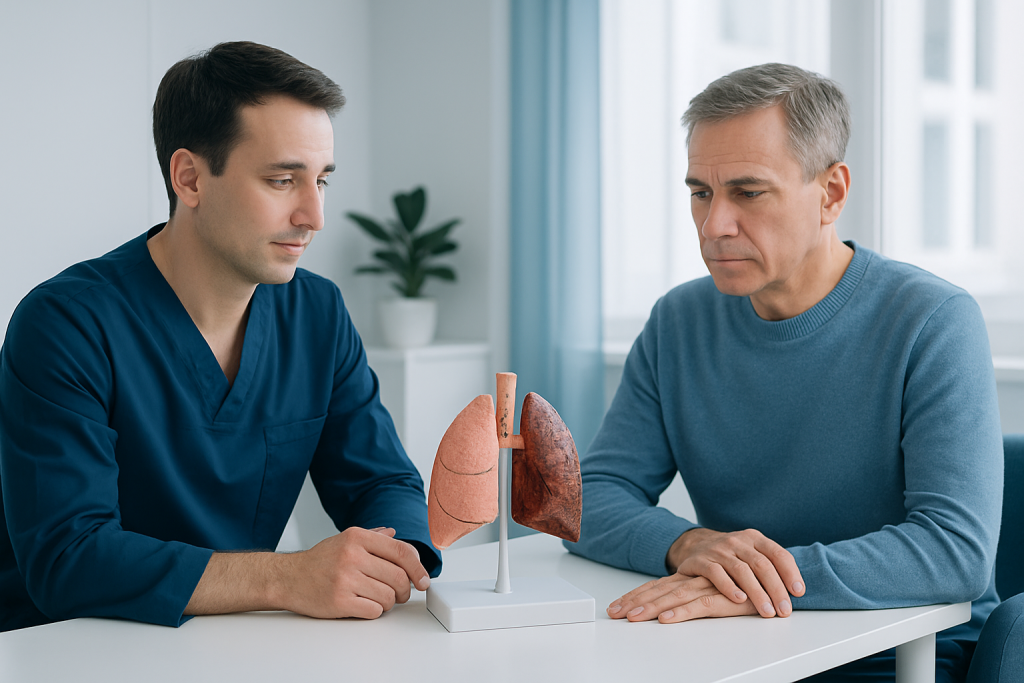
Tobacco smoke contains thousands of chemicals that irritate and injure lung tissue. It increases mucus production, paralyzes the tiny hair-like structures that normally sweep debris out of the airways, and triggers ongoing inflammation. This is why smokers are more likely to develop chronic bronchitis, emphysema, COPD, and lung infections.
The biggest risk factor is the amount and duration of smoking, but several other factors influence how much damage develops. These include starting at a younger age, smoking cigarettes without enough breaks for recovery, and being exposed to smoke from other people over many years. People with asthma, a family history of lung disease, or occupational exposures such as dust and fumes may have added risk.
It is also important to remember that lung damage is not limited to cigarette smoking. Cigars, pipes, roll-your-own tobacco, and vaping products can also irritate the respiratory system, and they may contribute to breathing problems depending on the pattern of use and the substances inhaled.
Diagnosis
Doctors usually begin by asking about smoking history, breathing symptoms, exercise tolerance, and past lung problems. A physical examination may include listening for wheezing, reduced breath sounds, or signs that breathing is becoming more effortful. This conversation helps guide which tests are most useful.
Spirometry is one of the most common tests used to assess lung function. It measures how much air a person can blow out and how quickly, which can help identify airway narrowing or patterns seen in COPD and other conditions. Chest X-rays or CT scans may be used when the doctor wants to look for structural changes, infection, emphysema, or another cause of symptoms.
Depending on the situation, additional tests may include oxygen checks, blood tests, or exercise testing. For international patients, a specialist team may review previous records and imaging to reduce unnecessary repeat tests and create a clear care plan before and after travel.
Treatment Options
Treatment depends on the type and severity of lung damage, but the first and most important step is to stop smoking. Quitting gives the lungs a better chance to clear mucus, lower inflammation, and slow further decline. Even after years of smoking, stopping can improve breathing over time and reduce the risk of future complications.
If chronic lung disease is present, doctors may recommend inhaled medicines to open the airways and reduce symptoms. Some people need treatment for flare-ups, vaccination updates, pulmonary rehabilitation, or oxygen therapy in more advanced cases. Antibiotics are only used when there is a likely bacterial infection, not for every cough or mucus change.
Supportive care matters as much as medication. Breathing exercises, activity pacing, nutrition, and treatment of conditions such as asthma, reflux, or heart disease can all affect how well someone feels. The right plan is individualized, because someone with mild smoking-related irritation needs a different approach from someone with COPD or recurrent infections.
Prevention & Self-care
The most effective prevention is to never start smoking or to stop as soon as possible. For someone who has already developed smoker’s lungs, self-care is about protecting the lungs from further strain and helping the body recover. This includes avoiding secondhand smoke, limiting exposure to dust or fumes, and keeping follow-up appointments even when symptoms feel stable.
Regular movement is usually helpful, as tolerated, because gentle exercise supports circulation and respiratory fitness. Drinking enough fluids may help thin mucus for some people, while good sleep and a balanced diet support overall resilience. People with chronic lung conditions should ask their doctor which vaccinations and home monitoring steps are appropriate for them.
- Use prescribed inhalers exactly as directed.
- Wash hands and reduce exposure to respiratory infections.
- Seek help early for a worsening cough or shortness of breath.
- Ask about smoking cessation support, counseling, or medication options.
For patients traveling from another country, planning matters. Bringing a medication list, recent scan reports, and prior spirometry results can make consultations more efficient and help the receiving team understand how the condition has changed over time.
When to See a Doctor
A medical evaluation is wise if a cough lasts longer than expected, breathing feels harder during normal activities, or wheezing keeps returning. It is also important to seek care when mucus becomes more frequent, infections happen repeatedly, or exercise tolerance drops noticeably. These changes may signal chronic airway inflammation or another lung problem that needs attention.
Urgent evaluation is needed for severe shortness of breath, chest pain, blue lips, coughing up blood, confusion, or a sudden inability to speak in full sentences. These symptoms do not automatically mean a serious diagnosis, but they should be assessed promptly.
People considering evaluation abroad may prefer a center that can combine diagnosis, treatment planning, and follow-up coordination in one pathway. Acibadem Health Point’s multidisciplinary specialists and JCI-accredited hospitals diagnose and treat lung conditions for international patients, with care designed to support both the visit and the return home.
Frequently asked questions
01What does “lungs from a smoker” usually mean?
It usually refers to the changes smoking can cause in the lungs, such as inflammation, excess mucus, narrowed airways, or damage to the air sacs. The term is informal, but it often points to conditions like chronic bronchitis, emphysema, or COPD.
02Can smoker’s lungs heal after quitting?
Some improvements can happen after quitting, especially in mucus clearance, inflammation, and breathing comfort. Long-term structural damage may not fully reverse, but stopping smoking still helps protect the remaining lung function.
03How can a doctor tell if smoking has damaged the lungs?
Doctors often start with a history, exam, and spirometry to check lung function. Chest imaging or other tests may be added if symptoms suggest emphysema, infection, or another lung condition.
04Is a smoker’s cough always a sign of COPD?
No. A chronic cough can have several causes, including smoking-related irritation, asthma, reflux, or infection. If the cough lasts or worsens, it should be evaluated rather than assumed to be harmless.
05What is the most important step for someone with smoker’s lungs?
Stopping smoking is the most important step because it slows further injury and can improve day-to-day breathing over time. A doctor can also recommend medicines, rehabilitation, and other support based on the person’s condition.
06When should someone get urgent help for breathing problems?
Urgent care is needed for severe breathlessness, chest pain, blue lips, coughing up blood, or sudden confusion. These symptoms deserve prompt medical assessment, even if the person has had smoking-related symptoms before.
This article is for general information only and is not a substitute for professional medical advice. Please consult a qualified doctor about your individual situation.
Explore treatments in Turkey — costs, top hospitals & a free quote
JCI-accredited · board-certified surgeons · reply within 24h
Add us as a Preferred Source to see more of our trusted health content across Google Search, AI Overviews and Discover.


