Low-Dose CT Lung Screening for People With a Smoking History

If you smoked for years — or still do — you have probably wondered whether anything can be done to catch lung cancer before it makes itself known. That is exactly what lung screening is for. It’s a preventive test that uses a low-dose CT scan to look for early signs of lung cancer in people with a substantial smoking history.
The scan is quick and painless, and you usually need no recovery time afterwards. And if something abnormal turns up? That does not necessarily mean cancer is present.
Lung Screening: What It Is and Why It Matters
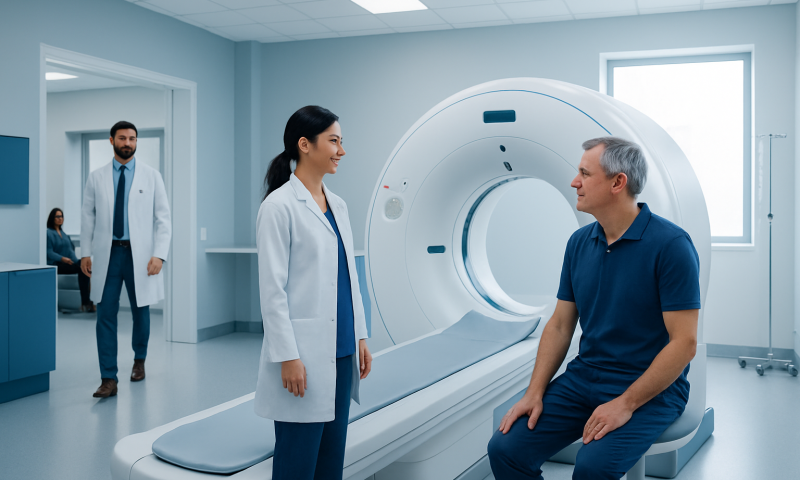
Lung screening is a planned test for people at higher risk of lung cancer who do not currently have warning symptoms. It usually involves a low-dose computed tomography (CT) scan, which creates detailed pictures of the lungs using a much lower radiation dose than a standard diagnostic chest CT.
The purpose is to identify possible lung cancer at an earlier stage, when treatment may be simpler and more effective. Screening does not prevent lung cancer and cannot identify every cancer, but it can support earlier investigation of suspicious changes.
Screening and diagnostic testing are not the same thing. If you already have a persistent cough, are coughing up blood, are losing weight without trying, have chest pain or are getting more breathless, you need a clinical assessment now — don’t wait for a routine screening appointment.
Who May Be a Candidate for Lung Screening?
Eligibility for lung screening depends on national guidance, local services, age, overall health, and smoking exposure. In many evidence-based programs, annual low-dose CT screening is considered for adults roughly 50 to 80 years old who have a significant smoking history and who currently smoke or stopped within the past 15 years.
Smoking exposure is often measured in pack-years. One pack-year means smoking an average of one pack of cigarettes per day for one year. For example, two packs per day for 10 years equals 20 pack-years. A clinician can help calculate this accurately, including for people whose smoking patterns changed over time.
Screening isn’t right for everyone. There is little point if you would not be able or willing to go through follow-up testing or treatment should cancer be found. Personal risk can also be affected by secondhand smoke, occupational exposures, chronic lung disease, family history, and previous cancer, although these factors do not automatically qualify someone for screening.
People with long-term tobacco exposure may also benefit from discussion of related respiratory conditions, including chronic obstructive pulmonary disease (COPD), which can contribute to breathlessness and may coexist with lung cancer risk.
How Lung Screening Works: Step by Step

Before the appointment, the healthcare team reviews eligibility, smoking history, current symptoms, previous scans, and relevant medical conditions. The person may be asked to remove necklaces, clothing with metal fasteners, or other metal items that could interfere with the images.
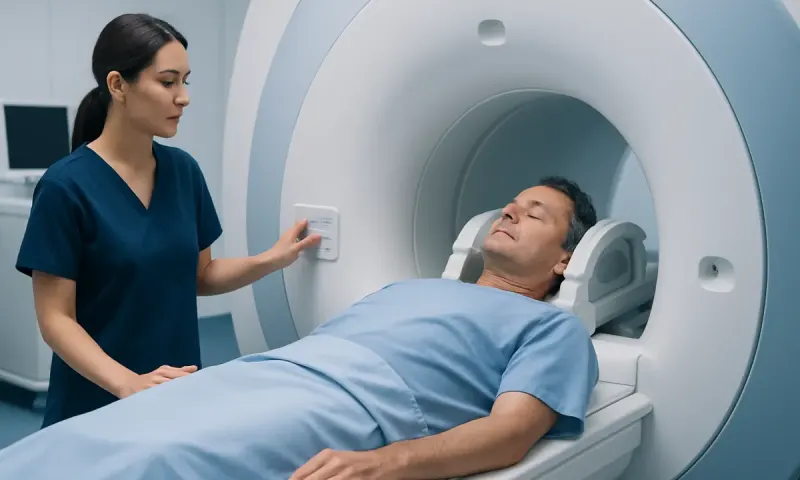
During the scan, the person lies on a table that moves slowly through the circular CT scanner. They will usually be asked to raise their arms and hold their breath for a few seconds while images are taken. The scan itself is typically completed within minutes, and no injections, contrast material, or anesthesia are usually needed for routine low-dose screening.
A radiologist reviews the images for lung nodules, areas of scarring, emphysema, and other changes. The report may also identify findings outside the lungs, such as changes involving the heart, thyroid, or upper abdomen. These incidental findings are common and often harmless, but some require discussion with a doctor.
If a suspicious finding needs closer assessment, the next step may include a repeat CT, a PET-CT scan, a specialist review, or a biopsy. Where cancer is diagnosed, a care team may discuss lung cancer treatment options based on the cancer type, stage, overall health, and personal preferences.
What Not to Do Before Lung Screening?
You don’t need to fast, stop your regular medicines, or change anything major in your routine before a low-dose CT lung screening scan. Unless the imaging center provides different instructions, people can usually eat, drink, and take prescribed medicines as normal.
Leave jewelry at home and skip clothing with metal around the chest and neck — you would only have to take it off anyway. Tell the team if you could be pregnant, if you have had recent chest imaging, if you have an implanted medical device, or if you have any new breathing symptoms.
Smoking immediately before the scan does not usually affect whether images can be taken, but avoiding tobacco is strongly encouraged for overall health. A screening appointment is also a useful opportunity to ask for evidence-based help with quitting, including counseling and medicines when appropriate.
Lung Screening Results, Follow-Up and Recovery
There is no physical recovery period after a routine low-dose CT scan. Most people can leave immediately and return to work, drive, exercise, eat, and take medicines as usual. If the scan causes worry, it can help to remember that many nodules detected by screening are not cancer.
Results are commonly grouped into normal or negative findings, findings that need routine surveillance, and findings that require further evaluation. A normal result does not remove future risk, so eligible people may still be advised to continue annual screening. A nodule may simply be monitored over time because changes in size or appearance can provide useful information.
Follow-up testing is individualized. Depending on the result, a clinician may recommend another low-dose CT after a specified interval, diagnostic CT imaging, PET-CT, referral to a respiratory specialist, or tissue sampling. More tests can be nerve-racking, but usually they are there to clarify a finding, not to confirm cancer.
Acıbadem Health Point’s multidisciplinary specialists and JCI-accredited hospitals support international patients who need assessment, imaging, and coordinated care after an abnormal lung screening result.
How Long Does It Take to Get Results Back from a Lung Cancer Screening?
The scan is usually brief, but the final report takes longer because a radiologist must carefully review the images and compare them with prior scans when available. Many centers provide results within several days to one or two weeks, although timing varies by service and whether further review is needed.
Ask your screening provider how and when you’ll hear back. Some results are shared through a patient portal, while others are discussed by telephone, letter, or a follow-up appointment. If results have not arrived within the expected time frame, contacting the screening center is reasonable.
An urgent call does not automatically mean cancer has been found. It may mean the team wants to arrange another test promptly or discuss an issue that is easier to explain directly. Keeping copies of prior imaging reports can be helpful if care is received at more than one center.
Benefits, Limits and Possible Risks of Lung Screening
The main potential benefit of lung screening is earlier detection of lung cancer in people most likely to benefit. Early-stage disease may have more treatment options, which can include surgery, radiation therapy, systemic treatment, or a combination of approaches. Appropriate screening can also identify other lung concerns that merit attention.
Screening has limitations. It can produce false-positive results, meaning a scan identifies a change that later proves not to be cancer. This can lead to additional scans, procedures, expense, and understandable anxiety. It can also find slow-growing cancers that may never have caused symptoms, a concern known as overdiagnosis.
Low-dose CT uses a small amount of ionizing radiation. The exposure is lower than a standard chest CT, but repeated screening still involves cumulative exposure over time. For people at sufficiently high risk of lung cancer, the expected benefit may outweigh this risk; this decision should be made with a qualified clinician.
Screening should be combined with prevention. Support for tobacco cessation, vaccination where recommended, management of chronic lung conditions, and attention to workplace exposures can all contribute to better lung health.
What Is One of the First Signs of Lung Cancer?
Early lung cancer may cause no symptoms at all, which is why screening can be valuable for eligible high-risk individuals. When symptoms occur, a new cough that does not go away or a clear change in a long-standing cough is one possible early sign, but it is not specific to lung cancer.
Other symptoms that deserve medical assessment include coughing up blood, chest or shoulder pain, recurring chest infections, unexplained tiredness, hoarseness, unexplained weight loss, or new or worsening shortness of breath. These symptoms can have many causes, including infection, asthma, COPD, reflux, or heart conditions.
Please don’t try to work out the cause yourself. A doctor can go through your history, examine you, and arrange the right tests — chest imaging, breathing tests, or a referral to a respiratory or oncology specialist.
What Is the 5 Finger Test for Lung Cancer?
The “5 finger test” is not a validated medical test for lung cancer. It is a term sometimes used online for hand or finger observations that claim to identify cancer, but it cannot diagnose or rule out lung cancer and should not replace medical care or recommended screening.
Finger clubbing, in which the ends of the fingers become enlarged and the nails curve more than usual, can occasionally be associated with lung disease, including lung cancer. However, clubbing has many possible causes and is not present in most people with lung cancer.
A person who notices persistent finger changes, breathlessness, cough, or other new symptoms should arrange a medical review. Diagnosis depends on clinical assessment and appropriate tests, not home checks or social-media claims.
When to Seek Medical Care
Seek medical advice promptly for coughing up blood, persistent or worsening cough, unexplained weight loss, chest pain, new hoarseness, repeated chest infections, or unexplained shortness of breath. Urgent medical care is important for severe difficulty breathing, severe chest pain, fainting, or large amounts of blood in sputum.
People who meet screening criteria should discuss annual low-dose CT screening with a doctor even if they feel well. Screening is not a substitute for seeking care when symptoms develop, and a previous normal scan should not delay assessment of new concerns.
If you smoke, asking for help to quit is a practical next step at any age, whatever your scan shows. A healthcare professional can discuss a tailored cessation plan and other ways to reduce lung cancer risk.
Frequently asked questions
01Is lung screening the same as a chest X-ray?
No. Lung cancer screening is generally performed with a low-dose CT scan, not a chest X-ray. CT provides more detailed images and has been shown to be more effective for screening selected people at high risk.
02Do I need contrast dye for lung screening?
Routine low-dose CT lung screening usually does not require contrast dye. If a scan shows a finding that needs more detailed assessment, a clinician may later recommend a different type of imaging study that may use contrast.
03Can a low-dose CT scan find cancer if I have no symptoms?
Yes, this is the purpose of screening. Low-dose CT can detect some lung cancers before symptoms begin, although it cannot find every cancer and may also identify harmless nodules.
04What happens if lung screening finds a nodule?
A lung nodule is a small spot in the lung and is often not cancer. The recommended next step depends on its size, appearance, growth, and a person's individual risk factors, and may range from routine monitoring to further tests.
05Should people who have never smoked have lung screening?
Routine low-dose CT screening is not generally recommended for people at average risk who have never smoked. However, anyone with concerning symptoms should see a doctor, regardless of smoking history.
06Can I stop screening after quitting smoking?
Quitting smoking greatly benefits health, but eligibility for screening may continue for a period after quitting depending on age, past smoking exposure, and local guidelines. A clinician can advise when screening is appropriate to continue or stop.
This article is for general information only and is not a substitute for professional medical advice. Please consult a qualified doctor about your individual situation.
Oncology care in Turkey — second opinion and treatment plan
JCI-accredited · board-certified surgeons · reply within 24h
Add us as a Preferred Source to see more of our trusted health content across Google Search, AI Overviews and Discover.