Lump Under Breast at Bra Line: Common Causes
A lump under breast at bra line commonly comes from the skin or tissue beneath it, including friction-related inflammation, an ingrown hair, a cyst, or a blocked sweat gland. Most are not dangerous, but any new, growing, persistent, or unexplained lump deserves medical assessment to identify the cause and provide appropriate care.
What does a lump under the breast at the bra line mean?
A lump under breast at bra line is often related to the skin, hair follicles, sweat glands, or fatty tissue in the fold beneath the breast. This warm, moist area is exposed to pressure and rubbing from bras, clothing, exercise, and perspiration, so irritation and blocked follicles are common. A lump may be tender, red, itchy, soft, firm, or associated with a visible spot on the skin.
Not every lump in this location comes from the breast itself. However, it can be difficult to tell the source by touch alone, especially if the lump is deep or close to the lower breast. A healthcare professional can determine whether it appears to be a skin condition, an infection, a benign soft-tissue lump, or a breast-related finding.
Most lumps have non-cancerous explanations, particularly when they are superficial and develop after chafing, shaving, or an ingrown hair. Still, a new lump that does not settle, keeps returning, grows, or is accompanied by breast or skin changes should be assessed rather than self-diagnosed.
Common causes in the bra-line area
Friction and moisture can inflame the skin beneath the breast. Intertrigo is a rash in skin folds that may cause soreness, itching, redness, cracking, or odor. It can sometimes be complicated by yeast or bacterial overgrowth. A small inflamed hair follicle, ingrown hair, pimple-like lesion, or boil can also create a painful lump near the bra line.
An epidermoid cyst is another common possibility. These slow-growing, usually benign lumps form when skin cells become trapped below the surface. They may feel round and mobile and sometimes have a small central pore. A cyst can become tender, swollen, or infected, especially when it is repeatedly rubbed by clothing.
Some people develop recurrent, painful nodules or abscesses in skin folds, including beneath the breasts. This pattern may be associated with hidradenitis suppurativa, an inflammatory skin condition that can also affect the armpits, groin, or buttocks. Repeated lesions, scarring, drainage, or tunnel-like tracks under the skin are reasons to seek a dermatology evaluation.
Less commonly, the lump may be a lipoma, which is a benign collection of fatty tissue, or a lymph node or deeper breast lump. Hormonal breast changes, benign breast conditions, and rarely breast cancer can present with a lump near the lower breast. Clinical examination and imaging help distinguish these possibilities.
Features that can help describe the lump

Before an appointment, it can be useful to note when the lump first appeared and whether it is changing. A skin-related lump may be close to the surface, associated with redness or a visible pore, and painful with friction. A deeper lump may be felt beneath normal-looking skin and may move differently when the skin or breast tissue is moved.
Tenderness does not reliably determine whether a lump is serious. Infections and inflamed cysts are often painful, while some benign and more concerning breast lumps can be painless. The most helpful information is the overall pattern: duration, growth, recurrence, skin appearance, drainage, and whether there are additional breast symptoms.
- Signs of irritation or infection: warmth, spreading redness, tenderness, pus, crusting, or fever.
- Signs that merit assessment: a hard or irregular lump, a lump that feels fixed in place, progressive enlargement, or persistence beyond a few weeks.
- Breast changes to report: nipple discharge, new nipple inversion, dimpling, persistent rash on the breast, or a change in breast shape.
It is best to avoid repeatedly checking or squeezing the area. Frequent pressure can make swelling and soreness worse and may make it harder to judge whether the lump is truly changing.
How doctors evaluate a lump under the breast
A clinician will usually ask about the lump’s timing, pain, previous similar episodes, skin symptoms, menstrual or hormonal changes, medications, family history, and any recent shaving, skin injury, or friction. They will examine the skin fold, breast, surrounding chest wall, and nearby lymph-node areas while respecting privacy and comfort.
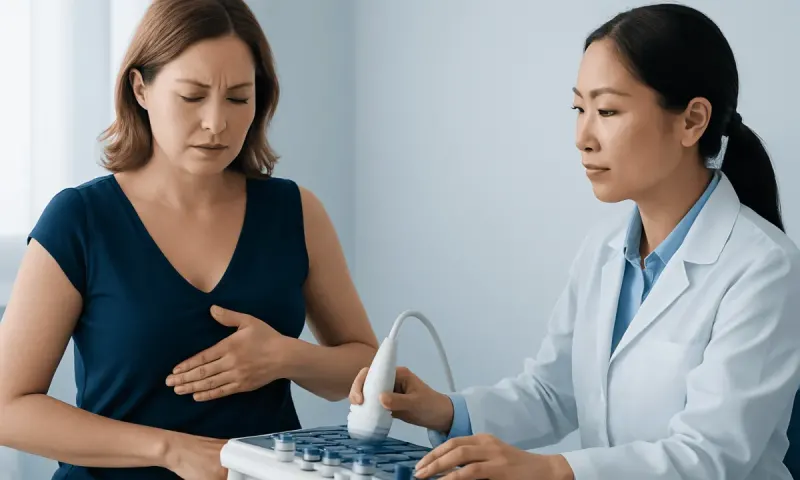
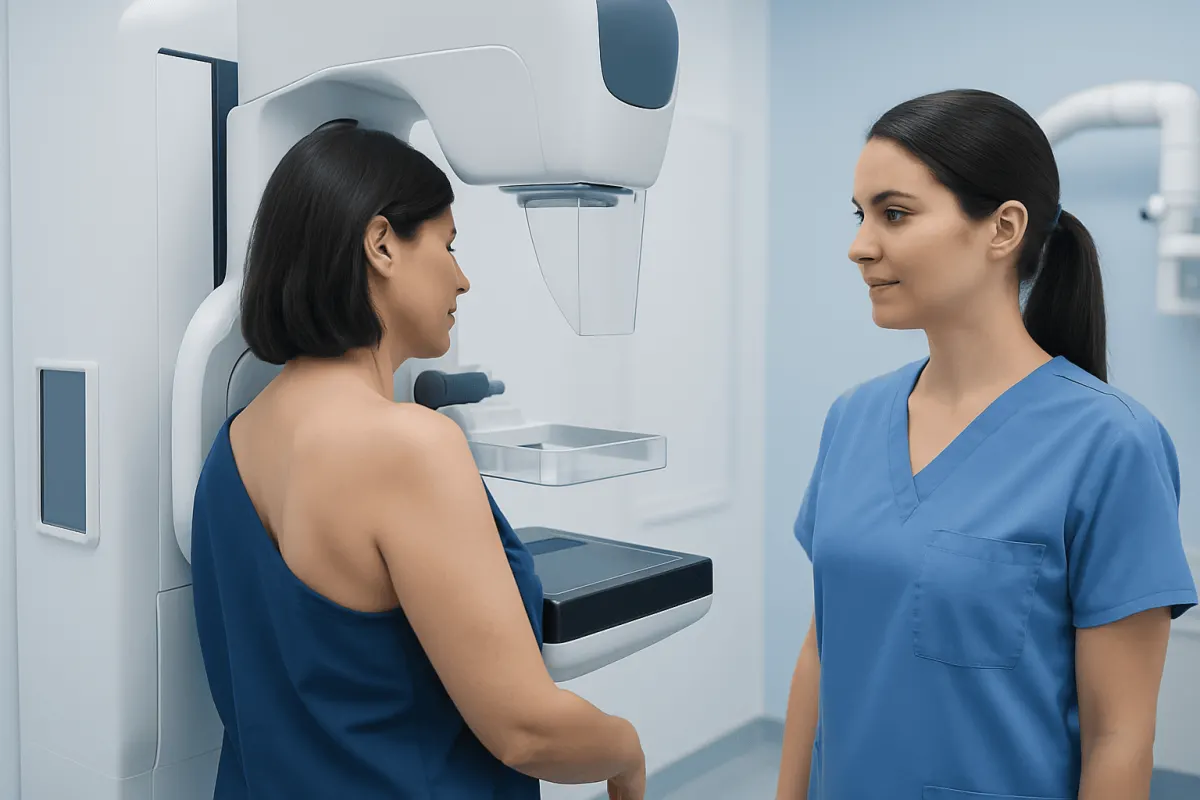
If the finding appears to be a superficial skin problem, the diagnosis may be made clinically. For a possible abscess, cyst, or uncertain soft-tissue lump, ultrasound can help show whether there is fluid, inflammation, or a solid lesion. If a breast-related cause is possible, the clinician may recommend age- and symptom-appropriate breast imaging, such as diagnostic ultrasound or mammography.
Further testing is not always necessary, but it is important when a lump cannot be confidently identified through examination. A sample of drainage may sometimes be tested if infection is suspected. If imaging reveals a suspicious area, a biopsy may be recommended to establish a clear diagnosis.
Assessment is individualized. The aim is not to assume the worst, but to identify the source of the lump accurately and make sure treatment matches the cause.
Management and treatment options
Treatment depends on the underlying condition. Mild chafing or intertrigo may improve with reducing moisture and friction, using gentle skin care, and treating any confirmed fungal or bacterial component with clinician-recommended medication. A properly fitted, breathable bra and clean, dry clothing after sweating can reduce ongoing irritation.
Inflamed follicles and small boils may need warm compresses and medical review. A larger abscess can require drainage by a qualified clinician; antibiotics may be used when they are appropriate for the extent and type of infection. It is not safe to lance or drain a lump at home, because this can spread infection and cause scarring.
An uncomplicated cyst may be observed if it is not painful or enlarging. If it repeatedly becomes inflamed, causes discomfort, or has an uncertain diagnosis, a clinician may discuss removal after inflammation is controlled. Recurrent inflammatory nodules may need a longer-term dermatology plan, which can include topical, oral, hormonal, or procedural approaches depending on severity.
If testing shows a breast condition, care is guided by the specific diagnosis. This may include monitoring, medication, biopsy, or surgery. For patients requiring specialist assessment, breast cancer treatment planning is based on the type and stage of disease, individual health needs, and informed discussion with a multidisciplinary team.
Self-care while arranging medical advice
For a small, mildly irritated area without red-flag symptoms, keeping the skin clean and thoroughly dry can be helpful. Wear soft, breathable fabrics and consider a bra style that reduces pressure on the affected spot. Changing out of damp workout clothing promptly may also reduce rubbing and moisture buildup.
A warm, clean compress applied gently for short periods may ease discomfort from a blocked follicle or small superficial inflamed area. Avoid harsh scrubs, fragranced products, adhesive coverings that irritate the skin, and tight underwires directly over a painful lump. Do not pick, squeeze, shave over, or puncture the area.
It can be useful to record the approximate size, date of onset, and symptoms once every few days, rather than checking many times per day. If the lump is related to hormonal breast tenderness, noting where it falls in the menstrual cycle may provide useful context for a clinician.
Self-care should not replace assessment when a lump is unexplained, deep, persistent, or changing. Over-the-counter products and home remedies may not be suitable for an infection, abscess, or breast lump, so professional guidance remains important.
When to seek medical care
Make a routine medical appointment for a new lump under the breast that remains after a few weeks, enlarges, returns repeatedly, or does not have an obvious and improving skin-related cause. It is also sensible to arrange review for a lump that is firm, deep, fixed, or associated with a new change in the breast, nipple, or nearby skin.
Seek prompt medical attention if there is rapidly spreading redness, significant warmth or swelling, severe pain, pus or foul-smelling drainage, fever, or feeling unwell. These may indicate an infection that needs timely treatment. People with diabetes, immune suppression, or a history of recurrent skin abscesses should seek advice earlier if a suspected infection develops.
Urgent evaluation is also appropriate for a new breast lump with skin dimpling, persistent nipple changes, bloody nipple discharge, or enlarged lymph nodes in the armpit or above the collarbone. These signs do not confirm cancer, but they should not be delayed.
Acıbadem Health Point’s multidisciplinary specialists and JCI-accredited hospitals can evaluate breast and skin concerns and coordinate appropriate testing and treatment for Myomectomy Recovery for International Patients: The Usual Travel Timeline" class="ahp-ilk">international patients.
Frequently asked questions
01Can a bra cause a lump under the breast?
A bra does not usually create a true deep lump, but a tight or rubbing bra can irritate the skin and worsen chafing, inflamed follicles, cyst discomfort, or boils. A bra-line lump that persists after reducing friction should be checked by a healthcare professional.
02Is a painful lump under the breast usually cancer?
Painful lumps are often related to inflammation, infection, cysts, or hormonal breast changes. However, pain alone cannot determine the cause, and a new or persistent lump should be assessed so that breast-related conditions are not overlooked.
03How long should a lump under the breast last?
A minor irritated follicle or friction-related swelling may begin improving within days with gentle care and less rubbing. If it does not improve, lasts more than a few weeks, enlarges, or recurs, medical review is recommended.
04Should a lump under the breast be squeezed?
No. Squeezing, popping, or attempting to drain a lump can worsen inflammation, introduce bacteria, spread an infection, and lead to scarring. A clinician can safely assess and drain an abscess if drainage is needed.
05What is the difference between a cyst and an abscess under the breast?
A cyst is a closed sac under the skin that may contain skin material or fluid and is often painless unless inflamed. An abscess is a pocket of infection, often causing increasing pain, redness, warmth, swelling, and sometimes pus or fever.
06Can hidradenitis suppurativa affect beneath the breasts?
Yes. Hidradenitis suppurativa can cause recurring painful nodules, boils, drainage, and scarring in areas where skin rubs together, including beneath the breasts. Early medical assessment can help reduce symptoms and guide long-term management.
This article is for general information only and is not a substitute for professional medical advice. Please consult a qualified doctor about your individual situation.
Hair transplant in Turkey — costs, graft counts & a free assessment
JCI-accredited · board-certified surgeons · reply within 24h
Add us as a Preferred Source to see more of our trusted health content across Google Search, AI Overviews and Discover.