Lower Spine Pain After Deadlift: Causes and Warning Signs
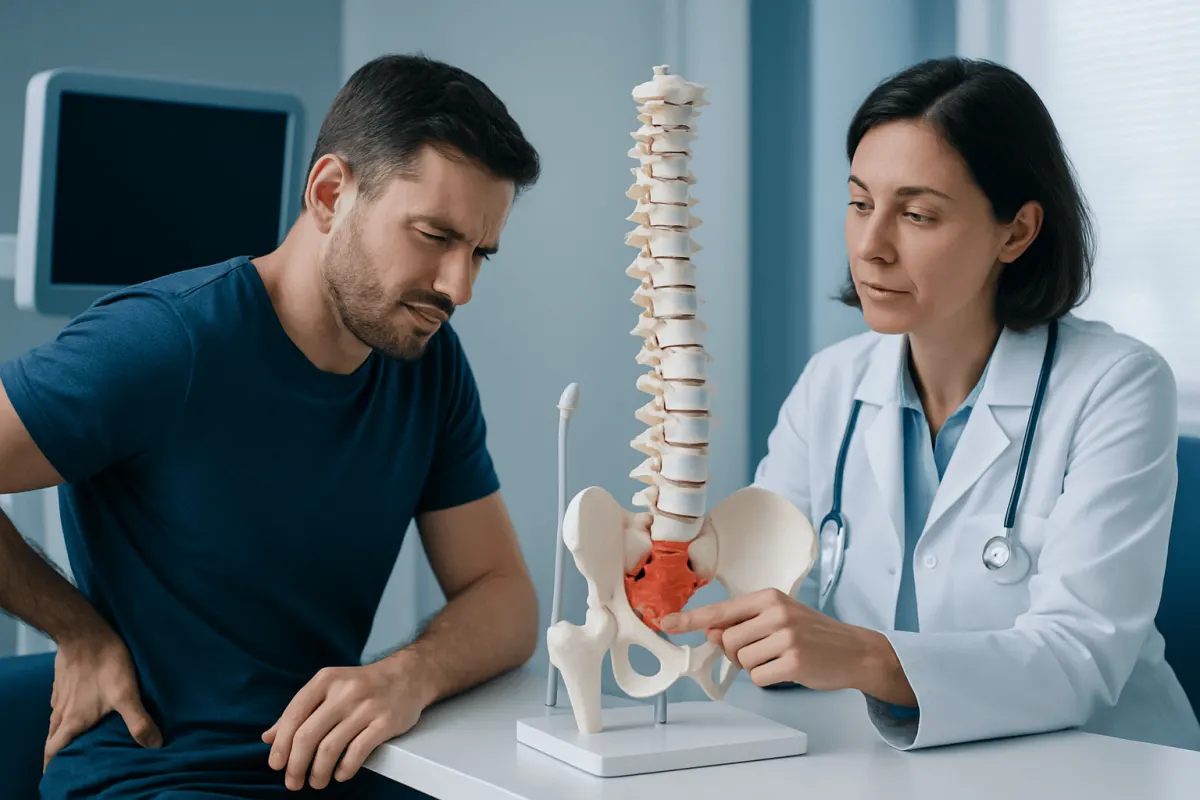
Lower spine pain after deadlift is commonly related to muscle strain, irritated spinal joints, or lifting beyond current capacity, and it often improves with relative rest and a gradual return to movement. However, pain that travels down a leg, causes numbness or weakness, or occurs with bowel or bladder changes should be assessed urgently.
Overview: Why Lower Spine Pain Can Happen After Deadlifts
Lower spine pain after deadlift is often caused by temporary irritation of the muscles, ligaments, joints, or discs in the lower back. A deadlift places substantial demand on the hips, trunk, and legs. When the load, range of motion, training volume, or level of fatigue exceeds what the body is currently prepared for, the lower back may become painful or stiff.
The timing and character of the pain can provide useful clues. General soreness and stiffness that appear later the same day or the next day may reflect delayed muscle soreness or a mild strain. Sudden, sharp pain during a repetition, especially if it persists or spreads into the buttock or leg, may suggest a more significant injury or nerve irritation. Symptoms alone cannot confirm the exact structure involved, so assessment should focus on the overall pattern, function, and any warning signs.
Most uncomplicated episodes improve without surgery or extensive testing. The immediate goal is usually to calm symptoms while maintaining safe, comfortable movement, then to address training factors before returning to heavier deadlifts. A clinician or physiotherapist can help clarify the cause when pain is severe, persistent, recurring, or associated with neurological symptoms.
Pain Patterns That Can Help Explain the Problem
A muscular strain commonly causes a localized ache, tightness, spasm, or tenderness on one or both sides of the low back. It may hurt more with bending, rising from a chair, coughing, or changing position. Muscular symptoms can feel significant at first but often begin to improve gradually over several days when the area is not repeatedly overloaded.
Irritation of the small joints at the back of the spine, sometimes called facet joints, can also cause central or one-sided lower back pain. This pattern may feel worse with standing for a long time, leaning backward, twisting, or returning to an upright position after bending. Sacroiliac joint irritation, involving the joints where the spine meets the pelvis, may cause pain lower down, near one side of the buttock.
Disc-related pain and nerve irritation are other possibilities. A spinal disc can become irritated without being permanently damaged, and symptoms may include pain that is aggravated by sitting, bending, coughing, or straining. When a nerve root is affected, pain may travel into the buttock, thigh, calf, or foot and may occur with tingling, numbness, or weakness. This type of radiating leg pain is sometimes called sciatica.
- Localized stiffness or soreness usually suggests a mechanical muscle or joint problem.
- Pain extending below the knee, tingling, or altered sensation can suggest nerve involvement.
- Severe pain does not always mean severe structural damage, but worsening function should be assessed.
Common Deadlift Triggers and Risk Factors

Deadlift-related back pain is rarely explained by one factor alone. A rapid increase in weight, repetitions, sets, frequency, or training intensity is a common trigger. This can happen after returning to training following a break, beginning a new program, attempting a personal best, or adding deadlifts alongside other demanding activities such as squats, manual work, or sports.
Technique can influence how force is distributed through the body. Losing trunk control, allowing the bar to move away from the body, twisting under load, or repeatedly rounding or overextending the lower back may increase stress for some lifters. However, there is no single perfect posture for every person. Hip anatomy, limb length, mobility, deadlift variation, experience, and tolerance to loading all affect what is comfortable and sustainable.
Fatigue is particularly important. A lift that feels controlled in the first few repetitions may become less coordinated later in a set or after a demanding training session. Poor sleep, insufficient recovery, inadequate nutrition, stress, and training through persistent pain can lower tolerance further. Previous episodes of low back pain, reduced conditioning, smoking, and certain chronic health conditions may also increase the chance of recurrent symptoms.
What to Do in the First Few Days
After new lower back pain develops, it is reasonable to pause heavy deadlifts and other movements that clearly worsen symptoms. This does not usually mean staying in bed. Short walks, gentle changes of position, and normal daily movement within a comfortable range can help prevent stiffness and support recovery. Activities should be reduced or modified if they cause sharp pain, worsening leg symptoms, or pain that remains notably worse afterward.
Cold or heat may provide temporary comfort for some people. A wrapped cold pack can feel soothing soon after an aggravation, while gentle heat may help stiffness or muscle spasm. The choice is mainly personal. Over-the-counter pain medicines may be appropriate for some adults, but they are not suitable for everyone; a pharmacist or doctor can advise people with stomach ulcers, kidney disease, liver disease, heart disease, pregnancy, medication interactions, or other health concerns.
It is generally best to avoid repeatedly testing the painful movement with heavy weight. Instead, recovery can be guided by symptoms and function. If pain is steadily improving, comfortable low-impact activity and gentle trunk, hip, and leg movements may be introduced. If symptoms are not improving, or if daily activities become increasingly difficult, a medical evaluation is appropriate.
Diagnosis and When Imaging Is Helpful
A doctor, sports medicine clinician, or physiotherapist usually begins with a detailed history and physical examination. They may ask how the pain started, where it is felt, whether it travels down the leg, what movements change it, and whether there are any previous injuries. The examination may assess posture, walking, range of motion, strength, reflexes, sensation, and signs of nerve tension.
Imaging is not routinely needed for uncomplicated acute low back pain after lifting. X-rays do not show muscles, discs, or nerves well and may not explain symptoms. MRI can provide detailed images of discs and nerves, but findings such as disc bulges are also common in people without pain. For this reason, imaging is usually considered when there are red flags, clear or progressive neurological signs, suspicion of fracture or infection, or symptoms that do not improve with appropriate conservative care.
Clinicians also consider conditions not directly caused by lifting, including kidney problems, inflammatory spinal disease, infection, or referred pain from abdominal or pelvic organs. These are less common, but the presence of fever, unexplained weight loss, night pain, a history of cancer, immune suppression, or pain unrelated to movement may change the assessment and need for testing.
Treatment and a Safe Return to Deadlifting
For many people, treatment begins with education, activity modification, and a gradual return to normal movement. Physiotherapy may be helpful for persistent symptoms, repeated episodes, or uncertainty about returning to training. A rehabilitation plan often includes progressive strengthening of the trunk, hips, and legs; mobility work where useful; and practice of lifting patterns that match the individual’s needs and goals.
A return to deadlifting should be based more on improving symptoms and capacity than on a fixed timeline. Before loading heavily, a person should be able to walk, sit, bend, and perform daily tasks without significant symptom aggravation. They may begin with easier variations, a reduced range of motion, a lighter load, fewer repetitions, or alternatives such as hip hinges, bridges, carries, or machine-based exercises, depending on comfort and professional guidance.
Progression should be gradual. It can be useful to increase only one variable at a time, such as weight, repetitions, sets, or frequency, while allowing enough recovery between sessions. Recording symptoms during and the day after training can help identify a tolerable level. If pain repeatedly worsens, radiates down the leg, or is accompanied by weakness, the person should stop the provoking exercise and seek clinical advice rather than pushing through it.
When to Seek Medical Care
Prompt medical assessment is recommended for lower spine pain after deadlift that is severe, does not begin to improve within one to two weeks, repeatedly returns, or limits walking, work, sleep, or basic daily activities. It is also important to seek assessment for pain that travels into a leg, persistent tingling or numbness, or a feeling that the leg or foot is weak. These symptoms may indicate nerve irritation and should not be ignored.
Urgent medical care is needed for new loss of bladder or bowel control, difficulty starting urination, numbness in the groin or inner thighs, rapidly worsening weakness, fever with back pain, unexplained weight loss, or back pain after a major fall, collision, or other trauma. These symptoms are uncommon but can point to conditions requiring urgent treatment.
People with osteoporosis, a history of cancer, long-term corticosteroid use, immune suppression, or intravenous drug use should also contact a doctor promptly if they develop significant new back pain. Acıbadem Health Point’s multidisciplinary specialists and JCI-accredited hospitals can assess spine and musculoskeletal symptoms for international patients when specialist evaluation is needed.
Frequently asked questions
01Is lower spine pain after deadlift normal?
Mild muscle soreness or stiffness after an unfamiliar, intense, or high-volume deadlift session can be common. Sudden sharp pain, pain that is getting worse, or pain with numbness, tingling, weakness, or symptoms down the leg is not something to simply train through. A clinician can assess persistent or concerning symptoms.
02Should a person deadlift with lower back pain?
Heavy deadlifting should usually be paused when it causes sharp pain or clearly worsens symptoms. Some people can continue modified, comfortable movement or lighter exercises as they recover, but this should be symptom-guided. Returning to the same load too early can prolong irritation.
03How long does a lower back strain from deadlifting last?
A mild strain may start improving within several days and settle over a few weeks. Recovery varies with the severity of symptoms, overall health, sleep, workload, and whether the back is repeatedly aggravated. Pain that does not improve after one to two weeks, or that interferes substantially with function, should be evaluated.
04Can deadlifts cause a herniated disc?
Deadlifting can aggravate a disc or trigger symptoms in someone who is susceptible, particularly when training load rises quickly or fatigue affects control. However, disc problems are not caused by one movement alone in every case, and many people have disc changes on imaging without pain. A diagnosis requires a clinical assessment, not symptoms or imaging alone.
05What does nerve pain after a deadlift feel like?
Nerve-related pain may feel burning, electric, shooting, or sharp and can travel from the lower back into the buttock and leg. Tingling, numbness, altered sensation, or weakness may occur as well. New or progressive weakness, groin numbness, or bladder or bowel changes requires urgent medical care.
06Is heat or ice better for lower back pain after lifting?
Either may be used for short-term comfort, depending on which feels better. Cold may feel helpful soon after an aggravating event, while heat often helps some people with stiffness or muscle tightness. Neither replaces gradual activity, load management, or medical assessment when symptoms are concerning.
This article is for general information only and is not a substitute for professional medical advice. Please consult a qualified doctor about your individual situation.
Persistent digestive symptoms? Get evaluated in Turkey
JCI-accredited · board-certified surgeons · reply within 24h
Add us as a Preferred Source to see more of our trusted health content across Google Search, AI Overviews and Discover.