Lower Right Back Pain: Causes and Treatment

Key Takeaways
- Lower right back pain is a symptom, not a diagnosis, and the source may be musculoskeletal, urinary, digestive, or nerve-related.
- Pain that starts after lifting, twisting, or long sitting often points to muscles, joints, or posture-related strain.
- Fever, urinary symptoms, numbness, weakness, or severe abdominal pain should prompt medical evaluation.
- A clinician may use an exam, urine tests, and imaging to identify the cause and rule out urgent problems.
- Simple measures such as rest, gentle movement, heat, and posture changes may help some mild cases, but persistent pain needs assessment.
Lower right back pain is a symptom with many possible explanations, ranging from muscle strain to kidney, spine, or abdominal conditions. Understanding the pattern, related symptoms, and when to seek care can help guide the next step safely.
Overview
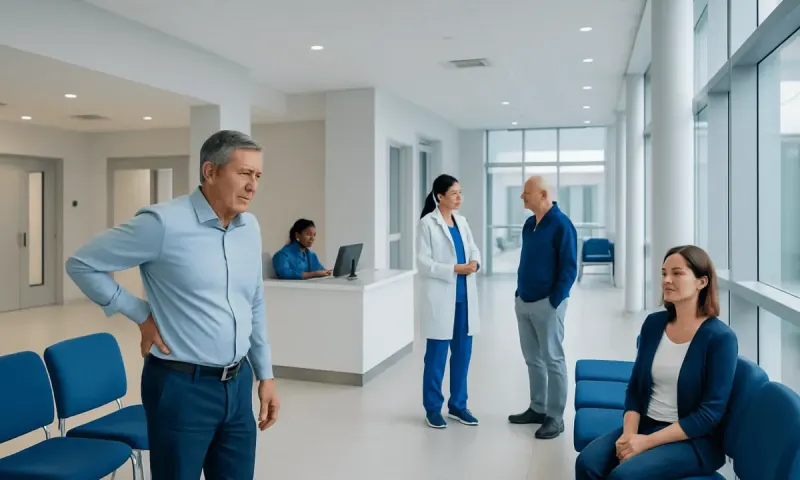
Lower right back pain is a common complaint, but the location alone does not reveal the cause. The discomfort may come from the muscles and joints of the back, the spine, the kidneys, the digestive tract, or, less often, the reproductive or pelvic organs.
For many people, the pain is linked to everyday strain: an awkward lift, a long car ride, poor sleeping position, or hours of sitting without support. In other cases, the pain is a clue that a deeper problem needs attention, especially when it appears suddenly, keeps returning, or comes with other symptoms.
Because pain in this area can cross several medical specialties, the evaluation often starts with careful history-taking and a focused physical exam. That approach helps separate a mechanical back problem from conditions that may need urine testing, blood work, imaging, or urgent treatment.
Symptoms
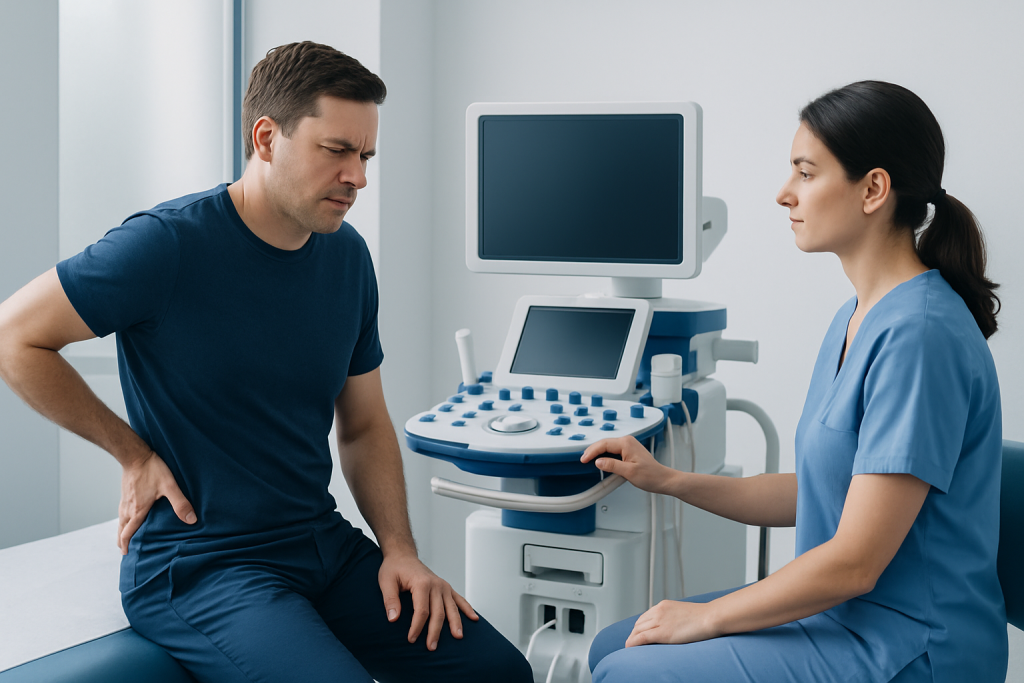
The pain itself may feel dull, sharp, aching, burning, or cramping. Some people notice it only when bending, turning, or standing for long periods, while others feel it at rest or during sleep. The discomfort may stay in one spot or travel toward the buttock, hip, groin, or leg.
Clues that help narrow the cause include the presence of stiffness, spasms, tenderness to touch, or pain that worsens with certain movements. If the pain comes from the urinary system, it may be paired with nausea, fever, side pain, blood in the urine, or painful urination. Pain linked to the abdomen may be associated with bloating, bowel changes, or appetite loss.
Seek prompt medical attention if lower right back pain is accompanied by weakness, numbness, loss of bladder or bowel control, severe abdominal pain, high fever, unexplained weight loss, or pain after a major fall or accident. These features do not always signal a serious problem, but they deserve timely evaluation.
Causes & Risk Factors

Muscle strain is one of the most frequent reasons for lower right back pain. It can follow lifting, twisting, exercise, or repetitive movements, and it often improves gradually with time and gentle activity. Problems with the spine, such as irritated joints, disc changes, or nerve compression, can also create pain on one side of the lower back.
Kidney-related causes are an important consideration when the pain sits higher in the flank or feels deep and constant. Kidney stones, urinary tract infections, and, less commonly, kidney inflammation can cause one-sided back pain, especially when urinary symptoms or fever are present. Digestive issues, such as constipation or inflammation in the right lower abdomen, may also refer pain to the back.
Risk factors vary by cause. A physically demanding job, weak core muscles, poor lifting mechanics, prolonged sitting, obesity, smoking, dehydration, previous back injury, and certain chronic medical conditions can all increase the likelihood of symptoms. In some women, pelvic or gynecologic conditions may contribute, so the full medical context matters.
Diagnosis
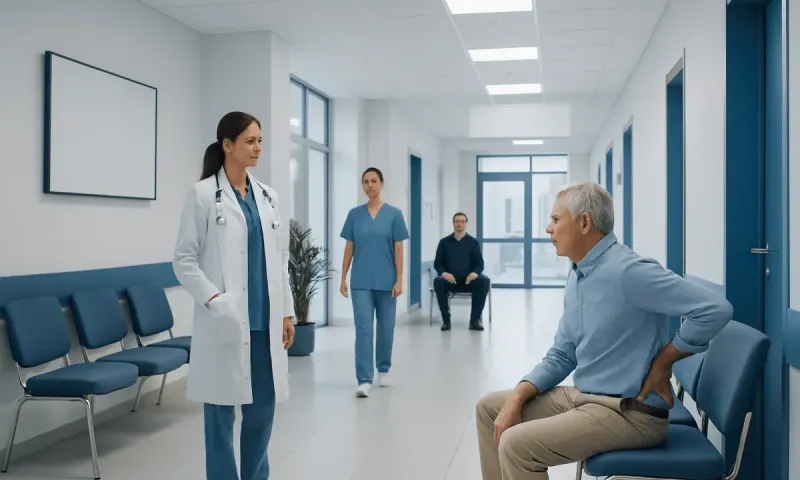
Diagnosis begins with a conversation about where the pain is, what it feels like, how long it has been present, and what makes it better or worse. A clinician will usually ask about recent activity, injuries, urinary symptoms, bowel changes, fever, menstrual history if relevant, and any numbness or weakness.
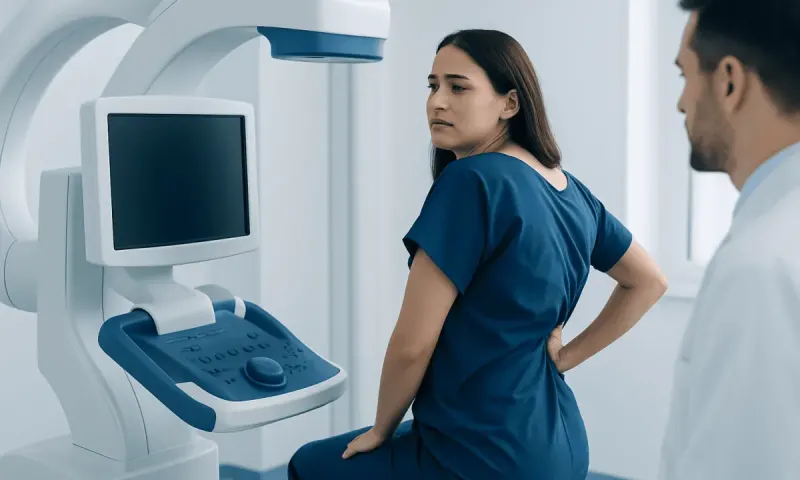
The physical exam may include checking posture, range of motion, tenderness, reflexes, strength, and sensation. Depending on the findings, the clinician may request urine testing, blood tests, or imaging such as ultrasound, X-ray, CT, or MRI. The goal is not to scan everyone immediately, but to choose the test that best matches the likely cause.
For people traveling from another country, bringing prior imaging reports, lab results, medication lists, and a brief symptom timeline can make the visit more efficient. Clear records can help the care team compare previous findings with the current exam and avoid unnecessary repetition.
Treatment Options
Treatment depends entirely on the cause. A simple muscle strain may be managed with relative rest, heat or cold, careful movement, and activity modification. A clinician may also suggest Arthritis Knee Physical Therapy: Early Signs, Risk Factors, and How It Is Treated" class="ahp-ilk">physical therapy or exercises that improve mobility, core support, and posture over time.
If the pain is due to a kidney infection, kidney stone, or another urinary issue, treatment may involve hydration guidance, medication, or procedural care. Spine-related causes may require anti-inflammatory treatment, nerve-targeted care, injections, or rehabilitation, depending on severity and persistence. When the source is digestive or pelvic, care is directed at that underlying condition rather than the back itself.
It is best to avoid self-treating for long periods when the cause is unclear. Over-the-counter Knee Pain Relief: Causes and Treatment" class="ahp-ilk">pain relief can mask important symptoms, and heavy exercise or repeated stretching may aggravate some conditions. A proper diagnosis helps ensure that treatment supports recovery instead of delaying it.
Prevention & Self-care
Not every episode of lower right back pain can be prevented, but many mechanical flare-ups can be reduced. Regular walking, balanced strength and flexibility work, ergonomic sitting habits, and safe lifting techniques all help protect the lower back. Breaking up long periods of sitting can also ease strain on one side of the spine.
At home, short-term self-care may include gentle movement, maintaining comfortable hydration, and paying attention to sleep posture and mattress support. People who have had similar episodes before may notice patterns, such as long drives, gardening, or lifting luggage, and can plan ahead with pacing and support.
- Use controlled bending at the knees and hips when lifting.
- Keep screens and chairs arranged to reduce twisting.
- Choose gradual return to activity rather than complete bed rest.
- Track whether pain changes with meals, urination, movement, or menstruation.
If the pain is recurring, a clinician or physiotherapist can help identify weak points in movement, core control, or workplace habits. For international patients arranging care from abroad, this can be especially useful when planning treatment and recovery around travel and follow-up.
When to See a Doctor
Medical assessment is appropriate when lower right back pain lasts more than a few days, keeps returning, or limits normal activity. It is also wise to seek care if the pain follows an injury, begins after an infection, or appears alongside urinary, abdominal, or neurologic symptoms.
Immediate evaluation is important if the pain is severe, rapidly worsening, or associated with fever, vomiting, blood in the urine, difficulty walking, numbness in the groin area, or loss of bladder or bowel control. These symptoms may need prompt testing to rule out urgent conditions.
For people who need a coordinated second opinion, imaging review, or multidisciplinary assessment, Acibadem Health Point can connect international patients with specialists and JCI-accredited hospitals for diagnosis and treatment. The aim is a clear plan that matches the cause, the traveler’s schedule, and the need for safe follow-up after returning home.
Frequently asked questions
01Is lower right back pain usually a muscle problem?
Often it is, especially if it started after lifting, twisting, exercise, or prolonged sitting. Still, pain in this area can also come from the kidneys, spine, abdomen, or pelvis, so the full symptom pattern matters.
02How can someone tell if it is kidney pain or back pain?
Kidney-related pain is often deeper, may sit more toward the side or flank, and can come with fever, nausea, or urinary symptoms. Muscle pain usually changes more clearly with movement, posture, or touch, but only a clinician can tell with confidence.
03Should lower right back pain always be imaged?
No. Many cases are diagnosed through history and examination, and imaging is reserved for certain situations such as trauma, red-flag symptoms, or pain that does not improve as expected. The right test depends on the suspected cause.
04Can home care help lower right back pain?
Mild muscle-related pain may improve with gentle movement, short periods of rest, heat or cold, and better posture. If the pain is severe, unusual, or persistent, home care should not replace medical evaluation.
05When is lower right back pain an emergency?
It becomes urgent when it occurs with weakness, numbness, bladder or bowel changes, high fever, severe abdominal pain, blood in the urine, or after a major injury. Those symptoms need prompt medical attention.
06What should a traveler bring to a back pain appointment abroad?
Prior scans, lab reports, a medication list, and a short timeline of symptoms are very helpful. Clear records allow the care team to compare findings and choose the most appropriate next step efficiently.
This article is for general information only and is not a substitute for professional medical advice. Please consult a qualified doctor about your individual situation.
Medical weight-loss options in Turkey — costs & eligibility
JCI-accredited · board-certified surgeons · reply within 24h
Add us as a Preferred Source to see more of our trusted health content across Google Search, AI Overviews and Discover.