Lower Extremities: Anatomy, Symptoms, and Care
The lower extremities are the body parts from the hips through the legs, ankles and feet. They carry body weight, enable walking and balance, and rely on healthy bones, joints, muscles, nerves and blood vessels to function comfortably.
Overview: What Are the Lower Extremities?
The lower extremities, also called the lower limbs, are the parts of the body that connect the trunk to the ground. In everyday clinical use, they include the hip area, thigh, knee, lower leg, ankle and foot. Together, these structures support standing, walking, running, climbing, balance and many daily activities.
Each lower extremity is a coordinated system rather than a single body part. Bones provide structure; joints allow controlled movement; muscles and tendons create motion; ligaments add stability; nerves carry sensation and movement signals; and arteries and veins deliver blood to and from the tissues. A symptom in one area, such as foot numbness or knee pain, can sometimes relate to another part of the limb or to an underlying health condition.
Many lower-extremity symptoms are temporary and improve with sensible self-care. However, persistent, recurrent or suddenly severe symptoms deserve medical attention because problems involving circulation, nerves, infection, injury or joints may need timely treatment.
Main Structures and How They Work Together
The major bones of the lower extremities are the femur in the thigh, the patella at the knee, the tibia and fibula in the lower leg, and the many small bones of the ankle and foot. The hip is a ball-and-socket joint, while the knee, ankle and toe joints guide movement in different directions. Cartilage covers joint surfaces and helps them move smoothly.
Muscles in the hips and thighs help with posture, stepping and rising from a chair. Muscles in the lower leg control ankle and foot movement. Tendons attach muscle to bone, including the Achilles tendon at the back of the ankle. Ligaments connect bone to bone and are particularly important for stability at the knee and ankle.
Blood vessels supply oxygen and nutrients to the legs and feet. Veins return blood to the heart, helped by calf-muscle contractions during walking. Nerves provide touch, temperature and pain sensation and activate muscles. This close relationship explains why reduced blood flow, nerve irritation, joint inflammation or a soft-tissue injury may all cause discomfort in the lower limbs.
Common Lower-Extremity Symptoms

Lower-extremity concerns can present in many ways. Pain may be aching, sharp, burning, cramping or throbbing. It may occur during activity, after an injury, at rest or at night. Stiffness, reduced range of motion, a sense of instability, clicking, or difficulty bearing weight can suggest a problem involving muscles, tendons, ligaments, bones or joints.
Swelling may affect the feet, ankles, calves or an entire leg. It can follow prolonged standing, travel, heat, injury or pregnancy, but it may also be associated with vein problems, medicines, heart, kidney or liver disease, infection, or a blood clot. Symptoms affecting only one side, especially if they appear suddenly, should not be assumed to have a harmless cause.
Numbness, tingling, burning pain or reduced sensation can occur when nerves are compressed, injured or affected by conditions such as diabetes. Changes in skin color, temperature, wounds that heal slowly, shiny skin, reduced hair growth on the legs, or pain in the calves when walking may point to a circulation concern. A clinician can assess the pattern of symptoms and determine the appropriate next step.
Why Leg, Ankle and Foot Problems Develop
Everyday strain is a common reason for lower-extremity symptoms. A new exercise routine, repetitive work, prolonged sitting or standing, poorly fitting shoes, and changes in walking pattern can overload muscles and tendons. Sprains, strains, fractures and overuse injuries may occur after a fall, twist, impact or repeated activity. Recovery depends on the tissue involved and the severity of the injury.
Joint conditions can also affect mobility. Osteoarthritis becomes more common with age and may cause activity-related pain and stiffness, particularly in the hips, knees or feet. Inflammatory arthritis, gout and some autoimmune conditions can cause episodes of joint swelling, warmth and tenderness. Spinal conditions may lead to pain, tingling or weakness that travels down one or both legs.
Vascular and metabolic health matters as well. Varicose veins, chronic venous insufficiency, peripheral artery disease and blood clots affect blood flow in different ways. Diabetes can damage small blood vessels and nerves over time, increasing the chance of numbness, skin injury and foot ulcers. Smoking, high blood pressure, high cholesterol, inactivity and excess body weight can raise the likelihood of certain circulation and joint problems.
How Doctors Assess Lower-Extremity Symptoms
A medical assessment starts with a detailed history. The clinician may ask when symptoms began, whether there was an injury, what makes symptoms better or worse, and whether pain occurs with walking or at rest. Relevant medical conditions, current medicines, recent travel or surgery, and personal or family history of circulation problems may also help clarify the cause.
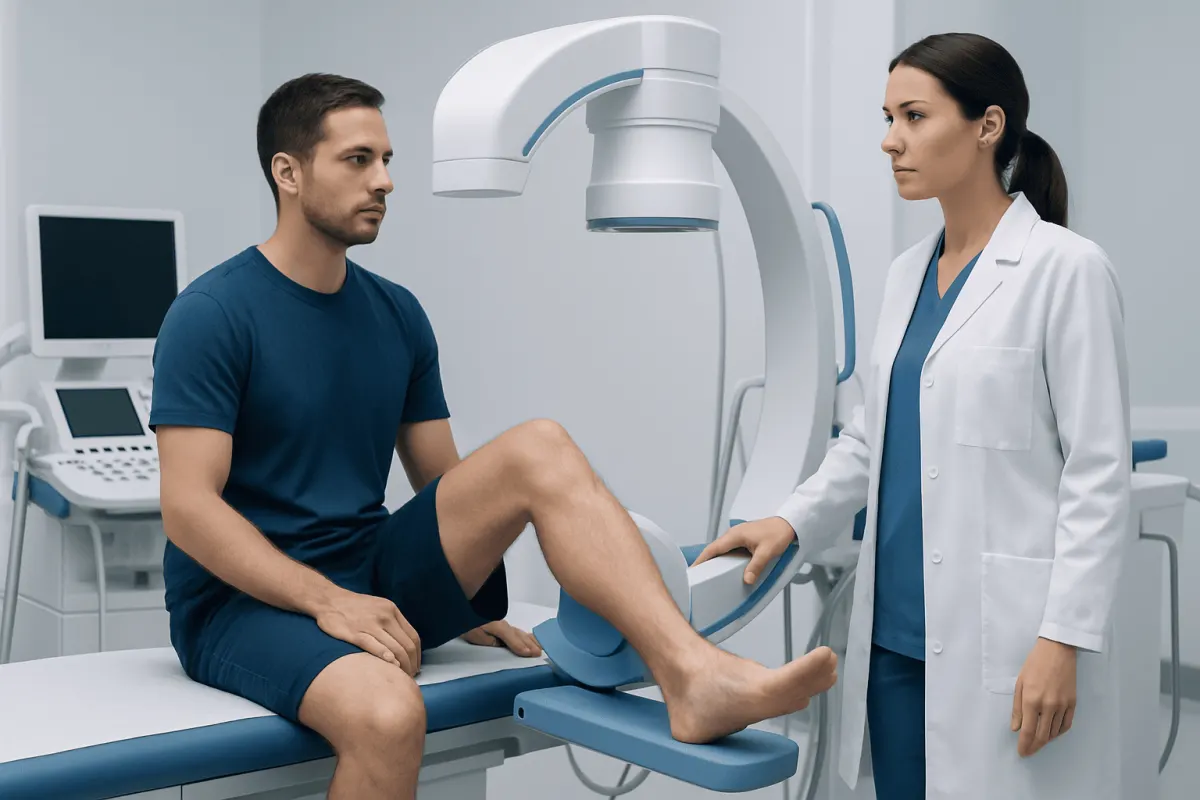
During the physical examination, the clinician may observe walking and posture, compare both legs for swelling or skin changes, check joint movement and muscle strength, and assess sensation and pulses in the feet. The location and nature of tenderness can help distinguish a muscle, tendon, joint, bone, nerve or vascular problem.
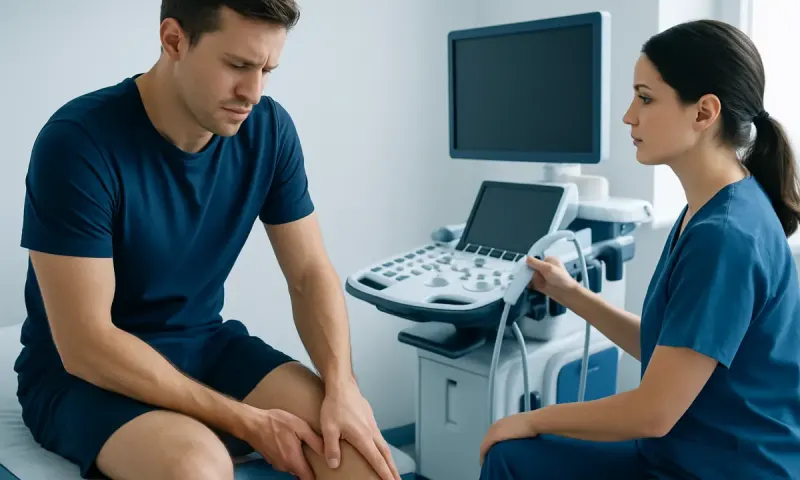
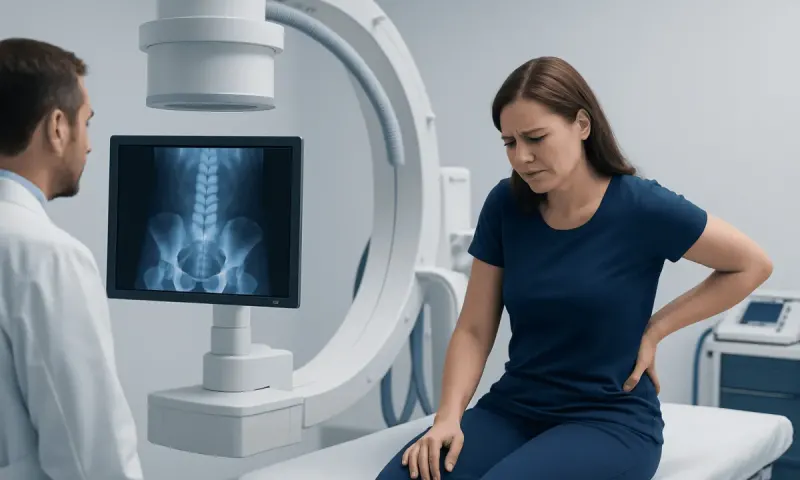
Further testing is selected based on the findings. This may include X-rays for suspected bone or joint changes, ultrasound for soft tissues or blood-flow concerns, magnetic resonance imaging for certain ligament, tendon, muscle or spine conditions, and blood tests where inflammation, infection, gout or metabolic illness is considered. Vascular testing may assess circulation, while nerve studies can be helpful for selected numbness or weakness symptoms.
Treatment and Day-to-Day Care
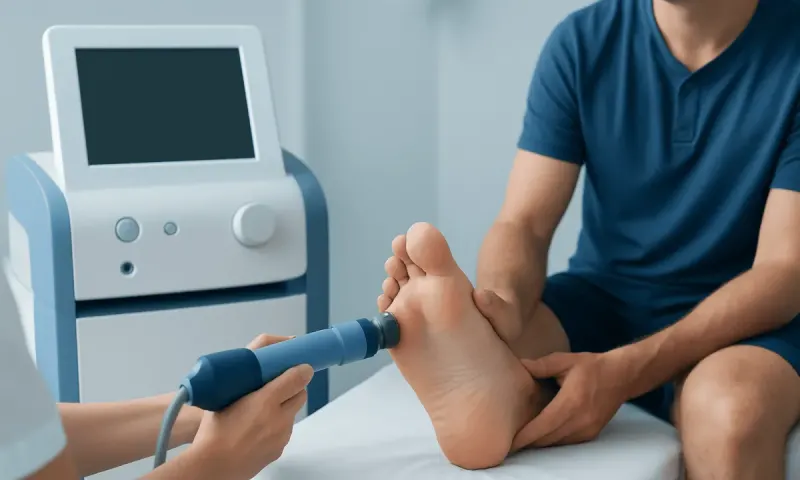
Treatment is directed at the underlying cause. A minor soft-tissue injury may improve with temporary activity modification, gradual return to movement, elevation when appropriate, and clinician-guided pain relief. Rehabilitation exercises can improve strength, flexibility, balance and joint control. For more significant injuries or ongoing joint problems, a doctor may recommend physical therapy, bracing, injections, medication or, in selected cases, surgery.
For circulation-related conditions, treatment may include exercise guidance, management of blood pressure, cholesterol or diabetes, and medicines when indicated. Compression garments can be useful for some people with venous swelling, but they are not suitable for everyone, particularly when significant arterial disease is present. A healthcare professional should advise whether compression is appropriate.
Foot care is especially important for people with diabetes, reduced sensation or poor circulation. Checking the feet daily, keeping skin clean and moisturized while avoiding lotion between the toes, wearing properly fitted footwear, and seeking early advice for blisters, cracks or sores can reduce complications. People should not attempt to cut away corns, calluses or damaged skin themselves if sensation or circulation is impaired.
Acıbadem Health Point’s multidisciplinary specialists and JCI-accredited hospitals assess and treat lower-extremity concerns for international patients, coordinating care when orthopedic, vascular, neurological or rehabilitation expertise is needed.
Supporting Healthy Lower Extremities
Regular, comfortable movement supports muscle strength, joint mobility and circulation. Walking, cycling, swimming, strength training and balance exercises can all be adapted to an individual’s fitness level and health needs. Increasing activity gradually is generally safer than making sudden, large changes in intensity or distance.
Supportive shoes that fit the length and width of the feet can reduce pressure points and improve comfort. Footwear needs vary by activity, foot shape and any existing condition. Replacing worn-out athletic shoes, choosing a stable sole, and avoiding shoes that pinch the toes are practical habits. People with diabetes or significant foot deformity may benefit from individualized footwear advice.
During long periods of sitting, standing or travel, gentle ankle movements and short walking breaks can help maintain circulation. Maintaining a healthy weight where possible, not smoking, and managing diabetes, blood pressure and cholesterol also support leg and vascular health. Persistent symptoms should be evaluated rather than managed indefinitely with rest alone.
When to Seek Medical Care
Medical advice is appropriate for lower-extremity pain, swelling, numbness or weakness that persists, recurs, limits daily activities, follows an injury, or does not improve as expected. A clinician should also assess a painful or swollen joint, a wound that is slow to heal, new skin discoloration, or pain in the calf that appears predictably with walking and eases with rest.
Urgent medical assessment is needed for sudden swelling, warmth, redness or pain in one leg, as these symptoms can be associated with a blood clot. Emergency care is important if leg symptoms occur with shortness of breath, chest pain, fainting, or coughing blood. A leg or foot that becomes suddenly cold, pale, blue, severely painful, numb or weak also requires emergency evaluation because it may indicate severely reduced blood flow.
Prompt care is also important after a major injury, an inability to bear weight, a visibly deformed limb, rapidly increasing swelling, fever with a red and painful area, or a deep wound. People with diabetes, known poor circulation or reduced sensation should contact a healthcare professional early for any new foot ulcer, infection sign or unexplained skin change.
Frequently asked questions
01What body parts are included in the lower extremities?
The lower extremities include the hip region, thighs, knees, lower legs, ankles and feet. They are also commonly called the lower limbs. These areas work together to support body weight and allow movement.
02Is lower-extremity pain always caused by a muscle problem?
No. Pain can arise from muscles, tendons, ligaments, joints, bones, nerves or blood vessels. The timing, location, associated swelling, skin changes and relation to activity can help a clinician identify the likely source.
03Why do my ankles and feet swell by the end of the day?
Mild swelling can occur after prolonged standing, sitting, heat exposure or travel because fluid collects in the lower legs. It can also be related to vein conditions, medications or medical disorders affecting the heart, kidneys or liver. New, persistent or one-sided swelling should be medically assessed.
04What is the difference between leg pain from circulation and joint pain?
Joint pain is often felt around a specific joint and may worsen with bending, weight-bearing or particular movements. Reduced arterial blood flow can cause cramping discomfort in the calf, thigh or buttock during walking that improves with rest. Symptoms overlap, so an examination is important for an accurate diagnosis.
05When is numbness in a foot concerning?
Numbness should be assessed when it is persistent, worsening, associated with weakness, or occurs with a wound or skin injury that may go unnoticed. Sudden numbness with a cold, pale or painful foot needs emergency assessment. People with diabetes should report new numbness or foot changes promptly.
06Can walking improve lower-extremity health?
For many people, regular walking supports circulation, muscle strength, joint mobility and overall health. The amount and pace should be suitable for the person's condition and increased gradually. Anyone with severe pain, an active injury, a foot ulcer or known circulation disease should ask a clinician for individualized activity advice.
This article is for general information only and is not a substitute for professional medical advice. Please consult a qualified doctor about your individual situation.
Joint and spine care in Turkey — expert assessment & treatment
JCI-accredited · board-certified surgeons · reply within 24h
Add us as a Preferred Source to see more of our trusted health content across Google Search, AI Overviews and Discover.