Low Sugar Level in the Morning: Causes and Symptoms
A sugar level low in the morning can happen when blood glucose falls overnight or before breakfast. It is most important for people using insulin or certain diabetes medicines, but recurrent morning symptoms also deserve medical assessment in people without diabetes.
Overview: What Does Sugar Level Low in the Morning Mean?
Sugar level low in the morning usually means that blood glucose has dropped during sleep or is low on waking before breakfast. This may be noticed as shakiness, sweating, hunger, headache, poor sleep, unusual dreams, tiredness, irritability or difficulty thinking clearly. Some people have no obvious symptoms and discover the low reading only through routine glucose monitoring.
Blood glucose naturally changes through the day in response to meals, activity, stress hormones, sleep and medicines. In people with diabetes, a reading below 70 mg/dL (3.9 mmol/L) is commonly treated as hypoglycemia. However, the meaning of any reading depends on the person, their symptoms, their diabetes plan and the accuracy of the meter or continuous glucose monitor.
Morning lows are particularly relevant for people who use insulin or medicines that stimulate the pancreas to release insulin. They can also occur in people without diabetes, although repeated confirmed hypoglycemia in this group is less common and should be evaluated by a clinician. A single mild symptom on waking does not always mean blood glucose is low; dehydration, poor sleep, anxiety and other conditions can feel similar.
How Overnight Glucose Regulation Works
While a person sleeps and does not eat, the body normally maintains blood glucose by releasing stored glucose from the liver. Hormones, including glucagon, cortisol and growth hormone, help prevent levels from falling too far. This coordinated process allows the brain and other organs to keep receiving energy overnight.
Low glucose can occur when insulin levels are relatively too high for the amount of glucose available. This can happen after a larger-than-needed insulin dose, an insulin-producing diabetes medicine, delayed or missed food, alcohol intake, or prolonged physical activity. In some situations, the liver may not release enough stored glucose, especially after heavy alcohol use or during certain illnesses.
Some people wake with high rather than low glucose because early-morning hormones increase blood sugar before waking, sometimes called the dawn phenomenon. This is different from overnight hypoglycemia. Checking glucose at bedtime, during the night when advised by a healthcare professional, and on waking can help distinguish these patterns. Continuous glucose monitoring can be especially useful when nighttime lows are suspected.
Symptoms and Signs to Notice

Early symptoms of low blood sugar are caused partly by the body’s stress response. They may include trembling, sweating, a fast heartbeat, hunger, nausea, tingling around the mouth, anxiety or a sense of weakness. During sleep, a person may wake suddenly feeling sweaty or unsettled, or a partner may notice restlessness, nightmares or unusual behavior.
When the brain does not receive enough glucose, symptoms can become more noticeable. These may include blurred vision, headache, dizziness, confusion, slurred speech, clumsiness, marked fatigue, mood changes or difficulty concentrating. Morning confusion should never be dismissed, particularly in a person taking glucose-lowering medication.
Severe hypoglycemia can lead to inability to safely eat or drink, loss of consciousness or seizures. This is an emergency. Importantly, people who have had frequent lows may gradually lose their warning symptoms, a situation known as impaired awareness of hypoglycemia. Regularly low readings or reduced awareness should be discussed with a diabetes specialist without delay.
- Shaking, sweating or waking hungry may signal a mild low.
- Nightmares, damp sheets or morning headache can suggest a possible overnight episode.
- Confusion, collapse, seizure or unconsciousness requires emergency assessment.
Common Causes and Risk Factors
For people with diabetes, the most frequent reason for a sugar level low in the morning is a mismatch between diabetes medication and the body’s needs overnight. Basal or long-acting insulin may be more than needed, an evening insulin dose may not match dinner, or a sulfonylurea-type medicine may continue lowering glucose while a person sleeps. Medication changes should only be made with guidance from the prescribing clinician.
Skipping dinner, eating substantially less carbohydrate than usual, vomiting, diarrhea or poor appetite can reduce the glucose available overnight. Strenuous or unfamiliar exercise, especially later in the day, may increase insulin sensitivity for hours afterward and contribute to delayed nighttime hypoglycemia. Drinking alcohol without enough food can also interfere with the liver’s ability to release glucose.
Less commonly, persistent hypoglycemia may be associated with hormonal disorders, significant liver, kidney or heart disease, severe infection, undernutrition, or rare insulin-producing conditions. In a person without diabetes, a clinician will consider the timing of symptoms, measured glucose levels, medical history and medications before deciding whether further testing is needed.
Older adults, young children, people with reduced kidney function, people who have experienced prior severe lows, and those unable to recognize symptoms may have a higher risk of harm from hypoglycemia. Individual targets and treatment plans should therefore be personalized.
Checking, Confirming and Treating a Low Reading
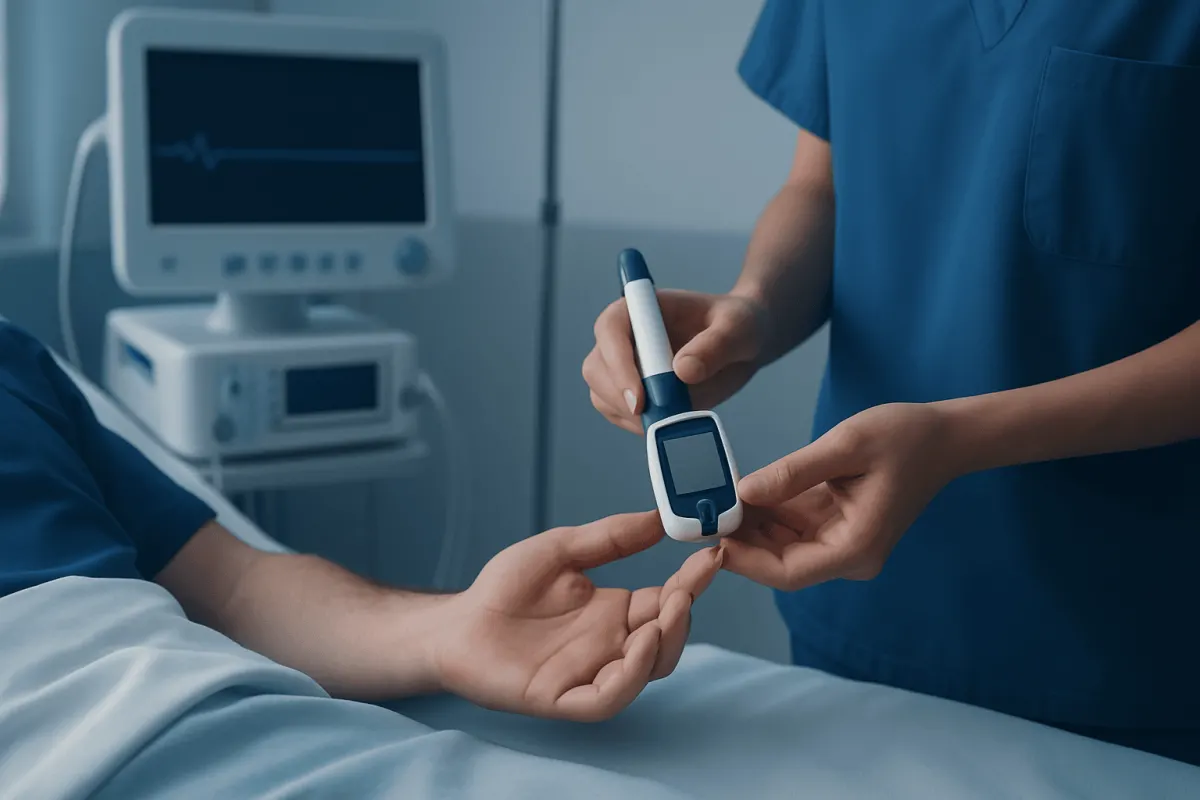
If symptoms occur on waking, checking blood glucose as soon as practical can help confirm whether it is low. Wash and dry hands before using a finger-stick meter, since food residue can affect results. If a continuous glucose monitor shows a low value that does not match how the person feels, a finger-stick check may be appropriate when available, according to the device instructions and the person’s care plan.
A person who is awake, able to swallow safely and has a low reading can usually take a fast-acting carbohydrate source, such as glucose tablets, glucose gel, regular fruit juice or regular non-diet soft drink. They should recheck after about 15 minutes if they can do so, and repeat treatment if glucose remains low. Once the level has recovered, a snack or meal containing longer-lasting carbohydrate may be appropriate if the next meal is not soon, following their individualized plan.
Chocolate, high-fat foods and large mixed meals are not ideal first treatments because fat can slow glucose absorption. A person should not drive, operate machinery or return to potentially hazardous activities until symptoms have resolved and glucose is safely recovered.
If the person is confused, having a seizure, unconscious, unable to swallow, or does not improve, others should call emergency services. Nothing should be placed in the mouth of an unconscious person. People prescribed glucagon should ensure family members, friends or caregivers know where it is kept and how to use it.
Preventing Recurrent Morning Lows
Prevention begins with identifying patterns rather than making assumptions. Keeping a short record of bedtime glucose, morning glucose, overnight alerts, meals, alcohol intake, exercise, illness and medication timing can give a clinician useful information. It may reveal that lows follow a particular activity, meal pattern or medication schedule.
People using insulin should follow the meal plan and monitoring schedule agreed with their diabetes team. A planned bedtime snack is useful for some people, but it is not necessary for everyone and should not replace a review of an unsuitable medication dose. Changing insulin, stopping diabetes medicine or routinely eating extra food without medical advice can lead to other glucose problems.
Practical measures may include avoiding skipped meals, carrying rapid glucose treatment, limiting alcohol or taking it only with food when medically appropriate, and checking glucose more often after unusual exercise or illness. People using continuous glucose monitors can discuss overnight low alerts with their clinician. Good sleep routines and appropriate hydration can also make symptoms easier to interpret, although they do not treat true hypoglycemia.
Acıbadem Health Point’s multidisciplinary specialists and JCI-accredited hospitals can assess recurrent low glucose patterns and support individualized diabetes care for international patients.
When to Seek Medical Care
Urgent medical care is needed for severe low blood sugar symptoms, including seizure, fainting, unconsciousness, severe confusion, injury after a fall, or inability to safely take carbohydrate by mouth. Emergency services should also be contacted if glucagon has been given, even if the person improves, because the cause of the episode and the risk of another low need assessment.
A prompt appointment with a doctor or diabetes team is recommended after any repeated morning low readings, nighttime low alerts, episodes that disturb sleep, or symptoms that affect work, driving or daily life. Medical review is also important after an unexplained low in someone who does not use diabetes medication, during pregnancy, or when kidney, liver or endocrine disease is present.
For the appointment, bringing a glucose log, device reports, a complete medication list and details of recent meals, activity and alcohol intake can be helpful. The clinician may review medication timing, assess other health factors, recommend laboratory tests when appropriate, and create a safer plan for preventing further episodes.
Frequently asked questions
01What is considered a low sugar level in the morning?
For many people with diabetes, blood glucose below 70 mg/dL (3.9 mmol/L) is considered low. Individual targets can differ, especially for children, older adults, pregnancy and people with a history of severe hypoglycemia, so a personal plan from the diabetes team is important.
02Why is my sugar level low in the morning if I did not take insulin?
A low morning reading can occur with some non-insulin diabetes medicines, missed meals, alcohol intake, strenuous exercise, illness or prolonged fasting. Repeated confirmed low readings in a person not taking glucose-lowering medicines should be discussed with a doctor.
03Can low blood sugar happen while sleeping without waking a person?
Yes. Some episodes of nocturnal hypoglycemia cause few or no symptoms, particularly in people who have had frequent lows. Night sweats, nightmares, restless sleep, morning headache or unusual fatigue can be clues, but glucose monitoring is needed to confirm the cause.
04What should a person eat for low blood sugar on waking?
If the person is awake and can swallow safely, a fast-acting carbohydrate such as glucose tablets, glucose gel, regular juice or a regular non-diet soft drink is generally used first. They should then recheck glucose after about 15 minutes when possible and follow their individualized diabetes plan.
05Should a bedtime snack be used to prevent morning low blood sugar?
A bedtime snack may help some people, particularly after increased activity or when advised by their clinician. However, recurrent overnight lows may indicate that medication, insulin timing or another factor needs review, so adding food should not be the only response.
06Can stress or poor sleep cause low morning blood sugar?
Stress and poor sleep can affect glucose regulation and may cause symptoms such as sweating, palpitations or fatigue that resemble hypoglycemia. They do not confirm a low blood sugar level, so checking glucose during symptoms is useful, especially for people taking diabetes medicines.
This article is for general information only and is not a substitute for professional medical advice. Please consult a qualified doctor about your individual situation.
Explore treatments in Turkey — costs, top hospitals & a free quote
JCI-accredited · board-certified surgeons · reply within 24h
Add us as a Preferred Source to see more of our trusted health content across Google Search, AI Overviews and Discover.