Low Progesterone: Symptoms, Causes and Treatment

Key Takeaways
- Low progesterone may cause shorter cycles, spotting, or difficulty maintaining pregnancy in some people.
- Symptoms often overlap with other hormone or gynecologic conditions, so testing is important before drawing conclusions.
- Diagnosis usually involves a review of cycle patterns, symptoms, and blood tests timed to the menstrual cycle.
- Treatment depends on the cause and may include progesterone support, fertility care, or management of an underlying condition.
- Lifestyle habits can support overall hormonal health, but they do not replace medical evaluation when symptoms persist.
Low progesterone can affect menstrual regularity, fertility, and how the body feels across the cycle. Understanding the signs can help a person know when a medical evaluation may be useful and what treatment options may be considered.
Overview
Progesterone is one of the main hormones that helps prepare the uterus for a possible pregnancy and supports the second half of the menstrual cycle. When progesterone levels are lower than expected, the change may show up in subtle ways at first: a period that arrives sooner than usual, spotting before bleeding starts, or more difficulty conceiving. In some people, the issue is temporary; in others, it reflects a broader hormonal pattern that deserves a closer look.
Because progesterone works in balance with estrogen, thyroid hormones, and ovulation itself, low levels are not a diagnosis by appearance alone. A person may suspect a problem because of cycle changes, but the full picture usually comes from a medical history, cycle tracking, and targeted testing. For Myomectomy Recovery for International Patients: The Usual Travel Timeline" class="ahp-ilk">international patients who are deciding whether to seek care abroad, it can be helpful to know that evaluation is often straightforward once the timing of the cycle is understood.
Low progesterone is not a single disease. It is a clue that may point to ovulation issues, perimenopause, stress-related cycle disruption, polycystic ovary syndrome, thyroid disease, or other reproductive health concerns. Looking at the symptom pattern, rather than one isolated blood result, gives the most reliable guidance.
Symptoms
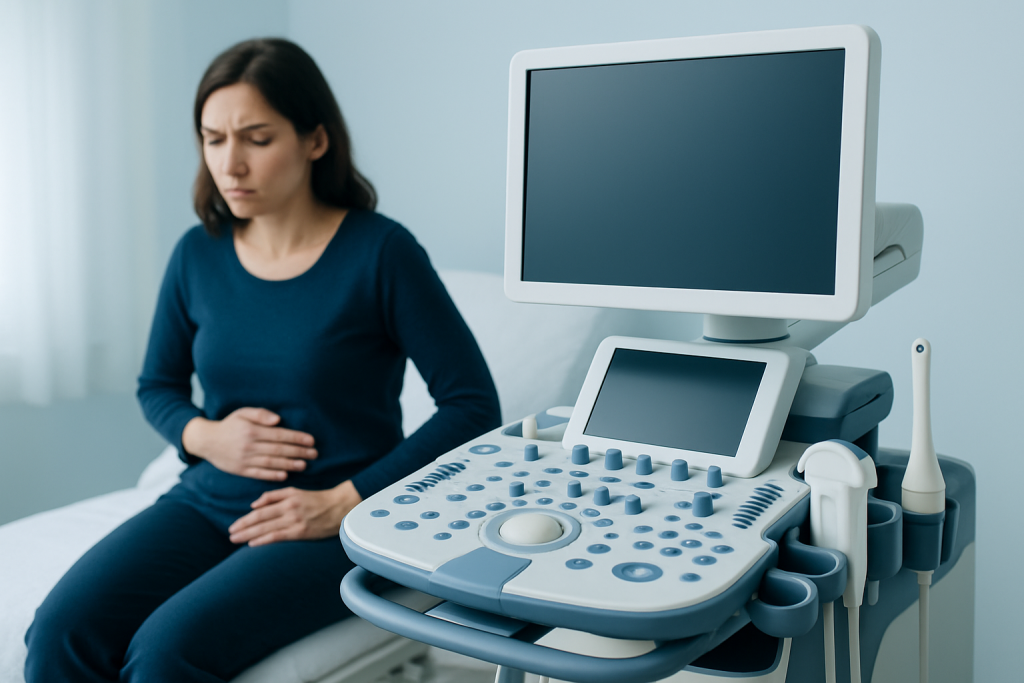
The symptoms associated with low progesterone are often menstrual and cycle-related, though some people also notice changes in mood or sleep. A common pattern is a shorter luteal phase, which is the time between ovulation and the next period. If this phase is consistently brief, the uterine lining may not have enough time to develop in the usual way.
Typical symptoms can include:
- Short menstrual cycles or periods that come earlier than expected
- Spotting before a period begins
- Difficulty becoming pregnant or repeated early pregnancy loss in some cases
- Changes in breast tenderness across the cycle
- Premenstrual symptoms that feel stronger or more disruptive than usual
- Headaches, bloating, or mood changes that seem linked to cycle timing
These signs are not specific to low progesterone. The same pattern can appear with thyroid disorders, ovarian conditions, stress, or normal cycle variation during adolescence or perimenopause. That is why symptoms are best viewed as signals to investigate, not as proof of a hormone imbalance on their own.
Some people with low progesterone notice few obvious symptoms and only learn about it during fertility evaluation. Others may feel that their cycle has become less predictable, even if overall bleeding is not heavy. Paying attention to timing can be especially useful: when symptoms repeatedly appear in the same phase of the cycle, that pattern can guide the clinician toward the right tests.
Causes & Risk Factors

Progesterone is produced mainly after ovulation by the corpus luteum, so anything that interferes with ovulation can lower levels. In practical terms, low progesterone is often less about the hormone itself and more about the body not ovulating regularly or not ovulating at all. This can happen for many reasons, and the cause matters because treatment depends on it.
Possible causes and contributing factors include:
- Irregular or absent ovulation
- Polycystic ovary syndrome
- Perimenopause or approaching menopause
- Thyroid disorders
- High stress, significant weight change, or intense exercise
- Hyperprolactinemia
- Some fertility-related conditions, including luteal phase concerns
Risk may be higher in people with a history of irregular periods, known endocrine disorders, or previous fertility challenges. Age is also relevant, since progesterone production can become less predictable as ovarian function changes over time. For some patients, travel, shift work, or major life changes can make it harder to notice cycle trends, which is one reason careful tracking can be useful before an appointment.
It is worth remembering that one low hormone reading does not always mean a lasting problem. Progesterone changes naturally from day to day, and levels vary depending on exactly when ovulation occurred. A doctor usually looks for a consistent pattern across time rather than relying on a single result.
Diagnosis
Diagnosis usually begins with a discussion of menstrual history, fertility goals, and associated symptoms. A clinician may ask how long the cycles are, whether spotting occurs before periods, whether ovulation signs are present, and whether there have been recent changes in stress, weight, exercise, or overall health. These details help determine whether the issue is likely to be hormonal, structural, or related to another condition.
Blood testing may be used, often timed to the mid-luteal phase rather than to a fixed calendar day, because progesterone rises after ovulation. In some cases, doctors also check other hormones such as thyroid-stimulating hormone, prolactin, or reproductive hormones to look for a root cause. If pregnancy is possible, testing may be part of the evaluation.
Depending on the history, imaging such as pelvic ultrasound may be recommended to assess the uterus and ovaries. This can help identify fibroids, ovarian cysts, or other structural issues that may be affecting cycles or fertility. For patients coming from abroad, the diagnostic pathway is often efficient when records from previous care, cycle notes, and any prior test results are brought along.
Because timing is so important, patients are often asked to track ovulation or menstrual dates before and during evaluation. This can make the assessment much more accurate. A clear diagnosis usually comes from combining symptoms, timing, and test results rather than from a single value alone.
Treatment Options
Treatment for low progesterone depends on why it is low and what the person is trying to achieve. For someone trying to conceive, the approach may focus on supporting ovulation and the luteal phase. For someone with irregular cycles but no fertility plans, the goal may be to regulate bleeding, reduce symptoms, and address the underlying hormonal imbalance.
Options may include progesterone supplementation, fertility medications if ovulation is not occurring reliably, or treatment of an underlying condition such as thyroid disease or PCOS. In some situations, doctors may recommend progesterone in a form that suits the patient’s needs and medical history. The exact plan is individualized, and it is important not to self-start hormones without guidance, since symptoms can overlap with other conditions.
When low progesterone is linked to perimenopause or natural cycle changes, treatment may be more about symptom management and monitoring than restoring a single “normal” number. If the person has had recurrent pregnancy loss or infertility, care may involve a reproductive endocrinologist or fertility specialist. In that setting, the treatment plan may be coordinated with ovulation monitoring, timed intercourse, intrauterine insemination, or IVF when appropriate.
In some cases, the best treatment is simply treating the underlying driver. If the body is not ovulating regularly because of stress, undernutrition, or excessive exercise, restoring balance can help the cycle recover. If thyroid levels are off, correcting that issue may improve progesterone production indirectly.
Prevention & Self-care
Not every case of low progesterone can be prevented, especially when it is related to age, inherited tendencies, or medical conditions. Still, supportive habits can help the body maintain more stable hormonal patterns and make it easier to notice when something changes. These steps are not a replacement for medical care, but they can be part of a sensible long-term plan.
Helpful self-care measures include:
- Keeping regular menstrual cycle notes or using an app to track dates and symptoms
- Eating consistently and avoiding extreme calorie restriction
- Maintaining a balanced exercise routine rather than overtraining
- Managing stress with realistic, sustainable methods
- Prioritizing sleep and recovery
- Following treatment plans for thyroid, metabolic, or reproductive conditions
People trying to conceive may also benefit from learning when ovulation likely occurs, because irregular timing can make progesterone testing harder to interpret. Tracking temperature, cervical mucus, or ovulation kits can provide useful context, though no home method is perfect. A clinician can help decide which tools are most helpful for the individual case.
For patients traveling for care, simple preparation can make follow-up easier: bring previous lab reports, note the first day of each period for several months, and list any medications or supplements already being used. That record often saves time and improves the quality of the consultation.
When to See a Doctor
Medical review is advisable if periods become consistently shorter, spotting appears before most cycles, or cycles are suddenly much more irregular than usual. It is also important to seek evaluation if pregnancy is difficult to achieve, there have been repeated early losses, or symptoms suggest an endocrine problem such as thyroid disease. Even when symptoms feel mild, persistent changes deserve attention because they can point to something that is treatable.
A doctor should also be consulted if bleeding becomes heavy, pain is significant, or periods stop for several months without a clear explanation. Those symptoms do not automatically mean low progesterone, but they do signal the need for a proper assessment. If someone is already using fertility treatment, any new cycle change should be discussed promptly with the care team.
For international patients, it may be reassuring to know that a well-organized evaluation can often be done with a focused history, timed labs, and imaging when needed. Acibadem Health Point’s multidisciplinary specialists and JCI-accredited hospitals diagnose and treat low progesterone-related concerns for international patients, with care plans tailored to each person’s reproductive goals and medical history.
Low progesterone symptoms are best understood as part of a broader reproductive health picture. With the right evaluation, the cause can usually be clarified and the next step chosen with confidence.
Frequently asked questions
01Can low progesterone cause spotting before a period?
Yes, spotting before a period can happen when progesterone is not supporting the uterine lining as expected. However, spotting can also be caused by other hormone changes, cervical conditions, or uterine problems, so it should be assessed if it happens repeatedly.
02Does low progesterone always mean infertility?
No. Some people with low progesterone still conceive naturally, especially if the underlying ovulation pattern is temporary or treatable. That said, low progesterone can make conception or early pregnancy maintenance more difficult in some cases.
03How is progesterone tested?
Progesterone is usually measured with a blood test timed to the luteal phase, after ovulation has likely occurred. Timing matters because the hormone rises and falls across the cycle, so a test done on the wrong day may be misleading.
04Can stress lower progesterone?
Stress can disrupt ovulation in some people, and that can indirectly lower progesterone because progesterone rises after ovulation. The relationship is not the same for everyone, but stress is one factor doctors often consider during evaluation.
05Is low progesterone common during perimenopause?
Progesterone can become less predictable during perimenopause because ovulation may happen less regularly. This is a common reason for cycle changes, but other causes should still be considered if symptoms are new or troubling.
06Should someone start progesterone supplements on their own?
It is not a good idea to start hormones without medical guidance. The right treatment depends on the cause, the cycle pattern, and whether pregnancy is being planned or already possible.
This article is for general information only and is not a substitute for professional medical advice. Please consult a qualified doctor about your individual situation.
IVF & fertility treatment in Turkey — success rates and costs
JCI-accredited · board-certified surgeons · reply within 24h
Add us as a Preferred Source to see more of our trusted health content across Google Search, AI Overviews and Discover.