

Lobectomy: Types, Reasons and Recovery
- 9 min read
- Published November 29, 2026
Key Takeaways
- Lobectomy removes one lobe while preserving the remaining healthy tissue as much as possible.
- It is commonly used for certain lung cancers, benign growths, or thyroid nodules and other selected conditions.
- Pre-operative testing and imaging help doctors plan the safest surgical approach.
- Recovery usually includes pain control, breathing or activity guidance, and follow-up appointments to monitor healing.
- Most patients benefit from clear planning before travel, especially when receiving care abroad and returning home for follow-up.
Lobectomy is a surgery that removes one lobe of an organ, most commonly part of the lung or thyroid, when disease is limited to that area. Understanding why it is recommended, what the operation involves, and how recovery unfolds can help patients feel more prepared and confident.
Overview
Lobectomy is the surgical removal of one lobe of an organ. In everyday medical practice, the word is most often used for the lung, where one of the five lobes is removed. It can also refer to the thyroid, which has two lobes, although the goals and recovery can differ depending on the organ involved.
The main idea behind a lobectomy is to treat a problem while preserving as much healthy tissue as possible. For some patients, that means removing a lung lobe affected by a tumor, infection, or other localized disease. For others, it may mean removing one thyroid lobe because of a suspicious nodule, cancer, or overactive tissue.
For international patients, a lobectomy is often part of a carefully staged journey: consultation, diagnostic scans, surgery, and recovery planning may all take place across borders. A clear plan helps patients understand what happens before they travel, what support they will need after surgery, and how follow-up will be coordinated once they return home.
Symptoms and When Lobectomy May Be Considered
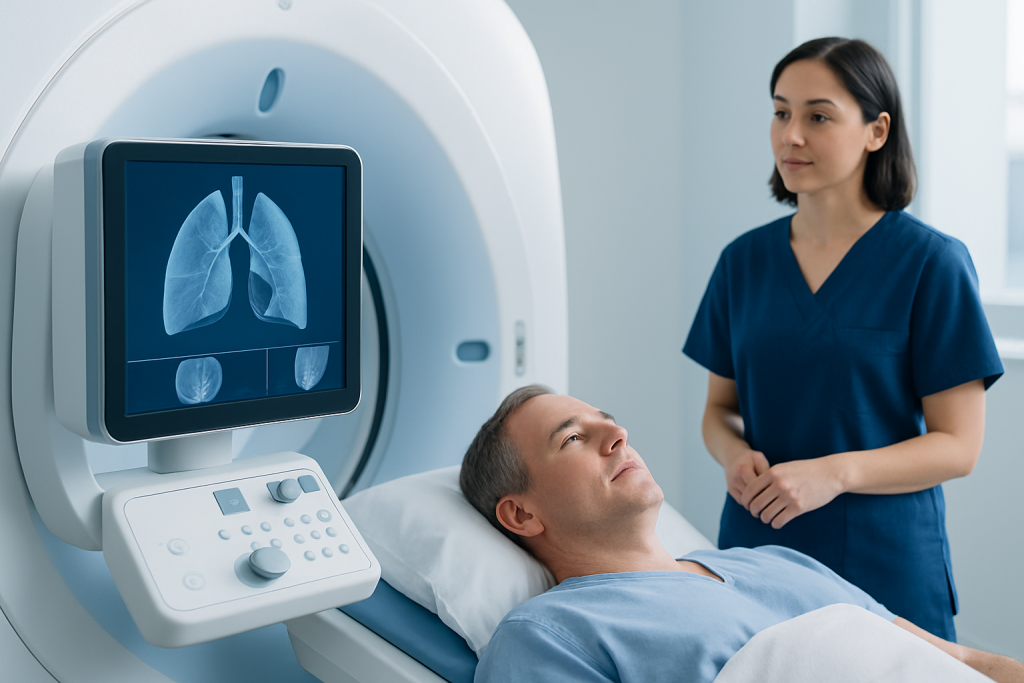
A lobectomy is not a symptom itself, but it may be recommended after a patient develops signs that lead doctors to investigate a particular organ. Lung-related symptoms can include a persistent cough, coughing up blood, unexplained shortness of breath, chest discomfort, recurrent chest infections, or an abnormal finding on imaging. Thyroid-related concerns may include a visible neck lump, trouble swallowing, pressure in the neck, hoarseness, or an abnormal blood test or ultrasound finding.
In many cases, the condition requiring lobectomy is first discovered during routine imaging or a workup for another problem. Some patients feel well and are surprised to learn that a nodule, mass, or suspicious area needs treatment. Others have symptoms that gradually become more noticeable over time.
Doctors usually consider lobectomy when the problem appears confined to one lobe and when removing that lobe offers the best balance between treating the disease and preserving function. The exact recommendation depends on the organ, the size and location of the abnormal area, and the patient’s overall health.
Causes and Risk Factors

The reasons for lobectomy depend on whether the surgery involves the lung or thyroid. In the lung, common causes include early-stage lung cancer, metastatic disease in selected situations, benign tumors, damaged tissue from repeated infection, or localized congenital abnormalities. In the thyroid, lobectomy may be used for indeterminate or suspicious nodules, small cancers in carefully selected cases, or one-sided enlargement that causes symptoms.
Risk factors are tied to the underlying disease rather than the operation itself. For lung conditions, smoking history, environmental exposure, older age, and chronic lung disease can increase the chance of developing problems that may eventually require surgery. For thyroid conditions, a family history of thyroid disease, prior radiation exposure to the neck, and certain inherited conditions may raise concern.
Patients are evaluated individually because lobectomy is usually chosen after doctors consider non-surgical options, the extent of disease, and the likelihood that surgery will improve long-term control. This careful selection helps avoid removing more tissue than necessary.
Diagnosis and Pre-Surgical Evaluation
Before a lobectomy is scheduled, doctors usually gather detailed information about the affected organ and the patient’s overall fitness for surgery. For lung lobectomy, this may include CT scans, PET scans in some cases, pulmonary function tests, blood work, and sometimes a biopsy to confirm the diagnosis. For thyroid lobectomy, evaluation often includes ultrasound, blood tests that assess thyroid function, and fine-needle aspiration when appropriate.
The pre-surgical visit is also the time to review medications, allergies, heart and lung health, and any prior operations. Patients may be asked about smoking, breathing symptoms, swallowing issues, or past radiation exposure. This is not simply paperwork; it helps the surgical team decide whether a minimally invasive approach is suitable and what precautions are needed.
International patients benefit from having reports, imaging files, and pathology results organized before travel. When records are complete, the team can plan the operation more efficiently, avoid repeating tests unnecessarily, and create a smoother timeline for admission, surgery, and discharge.
Treatment Options and Surgical Approach
Lobectomy is usually performed through either open surgery or a minimally invasive technique such as video-assisted thoracic surgery for the lung or selected endoscopic approaches for the thyroid. The choice depends on the size and location of the lesion, the surgeon’s assessment, and the patient’s anatomy and health status. Minimally invasive surgery often allows smaller incisions and may support a faster early recovery, but open surgery remains important in some situations.
During a lung lobectomy, the surgeon removes the affected lobe and may also sample or remove nearby lymph nodes if needed. For thyroid lobectomy, one thyroid lobe and the connecting isthmus may be removed, while the remaining lobe is preserved. In both settings, the goal is to remove the diseased tissue completely while protecting surrounding structures as much as possible.
Sometimes additional treatment is recommended after surgery, especially if pathology shows cancer or features that require closer follow-up. That may include observation, thyroid hormone replacement, radiation-related treatment in selected cases, or oncology consultation. The final plan is based on the pathology report, not just the initial imaging.
What Recovery Usually Involves
Recovery varies depending on the organ involved, the surgical technique, and the patient’s general health. After lung lobectomy, patients may spend time in the hospital so the care team can manage pain, monitor breathing, encourage movement, and ensure the lungs are expanding well. After thyroid lobectomy, the hospital stay may be shorter, but voice changes, swallowing discomfort, and neck soreness can still occur.
At home, recovery often centers on rest, gradual activity, wound care, and follow-up visits. Patients may be advised to walk regularly, avoid heavy lifting for a period of time, and watch for signs that the incision is healing normally. If a chest tube was used, instructions about its care and removal are given before discharge.
For patients traveling internationally, discharge planning should include medication instructions, wound-care guidance, and a clear explanation of which symptoms warrant urgent review. It is also sensible to arrange the first follow-up before leaving the country, so the surgical team can review healing and pathology results in a timely way.
Prevention and Self-care
Not every lobectomy can be prevented, because many are performed to treat conditions that develop without warning. Still, some steps can lower the chance of lung disease or support thyroid health and recovery. Avoiding tobacco, following screening advice, treating respiratory infections promptly, and attending regular checkups all help reduce the likelihood that a small problem becomes a larger one.
After surgery, self-care makes a meaningful difference. Patients are usually encouraged to follow breathing exercises if prescribed, stay hydrated, eat balanced meals, and keep moving within the limits set by the surgeon. Good sleep and adherence to medication instructions also support healing.
- Keep all follow-up appointments, including pathology review.
- Take prescribed medicines exactly as directed and ask before using supplements.
- Protect the incision area according to the care team’s instructions.
- Share any new symptoms, such as fever, worsening pain, or shortness of breath, without delay.
Because healing can continue after a patient returns home, it helps to know in advance who will coordinate local care. A written summary in the patient’s preferred language can make handoff to the home-country doctor much easier.
When to See a Doctor
Medical advice should be sought promptly if a patient has a suspicious lung or thyroid finding that may need surgical evaluation, or if symptoms are getting worse. A lung specialist, thyroid surgeon, oncologist, or general surgeon can help determine whether lobectomy is appropriate and whether additional testing is needed first.
After surgery, it is important to contact the care team if there is increasing pain rather than gradual improvement, redness or drainage at the incision, fever, difficulty breathing, persistent hoarseness, trouble swallowing, or any sudden change that feels out of pattern. Most concerns are manageable when they are addressed early.
For international patients, Acibadem Health Point brings together multidisciplinary specialists and JCI-accredited hospitals to diagnose and treat lobectomy-related conditions for patients traveling from abroad. The aim is to provide coordinated care before surgery, during the hospital stay, and in the handoff back to a local physician.
Frequently asked questions
01Is lobectomy always done for cancer?
No. Although lobectomy is often discussed in cancer care, it is also used for some benign or non-cancerous conditions. The reason depends on which organ is involved and what the tests show.
02How long does recovery take after a lobectomy?
Recovery time varies widely. Many patients need several weeks to regain energy and resume normal routines, while the exact timeline depends on the type of surgery, the approach used, and the person’s overall health.
03Will a lobectomy affect breathing?
After lung lobectomy, breathing may feel different at first, especially during the early recovery period. Many patients adapt well because the remaining lung tissue continues to function, but pre-existing lung disease can influence recovery.
04Can the thyroid work normally after thyroid lobectomy?
Often, the remaining thyroid lobe can produce enough hormone on its own. Some patients still need monitoring and, in some cases, thyroid hormone replacement if the remaining gland does not provide adequate function.
05What tests are needed before surgery?
The exact tests depend on the organ and the suspected condition. They often include imaging, blood work, and sometimes biopsy or lung function testing so the team can plan surgery safely.
06What should an international patient bring to the consultation?
It is helpful to bring imaging scans, pathology reports, medication lists, and any previous surgery or treatment records. Clear documentation allows the team to review the case efficiently and create a coordinated plan.
This article is for general information only and is not a substitute for professional medical advice. Please consult a qualified doctor about your individual situation.
Oncology care in Turkey — second opinion and treatment plan
JCI-accredited · board-certified surgeons · reply within 24h
Add us as a Preferred Source to see more of our trusted health content across Google Search, AI Overviews and Discover.


How can we help you today?
Meet an Acibadem specialist by secure video, before you travel.
Book a video visit