Living Donor vs. Deceased Donor Kidney Transplant: How Patients Weigh the Trade-Offs
Key Takeaways
- A living donor kidney transplant can often be planned sooner and may shorten time on dialysis.
- A deceased donor transplant depends on organ availability and waiting-list factors, which can make timing less predictable.
- Both options require careful compatibility testing, medical evaluation, and lifelong follow-up after surgery.
- The best choice depends on health status, donor availability, urgency, and the patient’s preferences and support system.
- A transplant team can help patients compare expected benefits, risks, and logistics before choosing a path.
For people considering kidney transplantation, the choice between a living donor and a deceased donor is often shaped by timing, medical compatibility, and personal circumstances. Understanding how each path works can help patients and families make calmer, better-informed decisions with their transplant team.
Overview
A kidney transplant is not just a surgery; it is a sequence of decisions, tests, conversations, and practical arrangements that often stretch across months. For many patients living with advanced kidney disease, the first big question is whether the new kidney should come from a living donor or a deceased donor. Each route can lead to the same goal, but the path to get there looks very different.
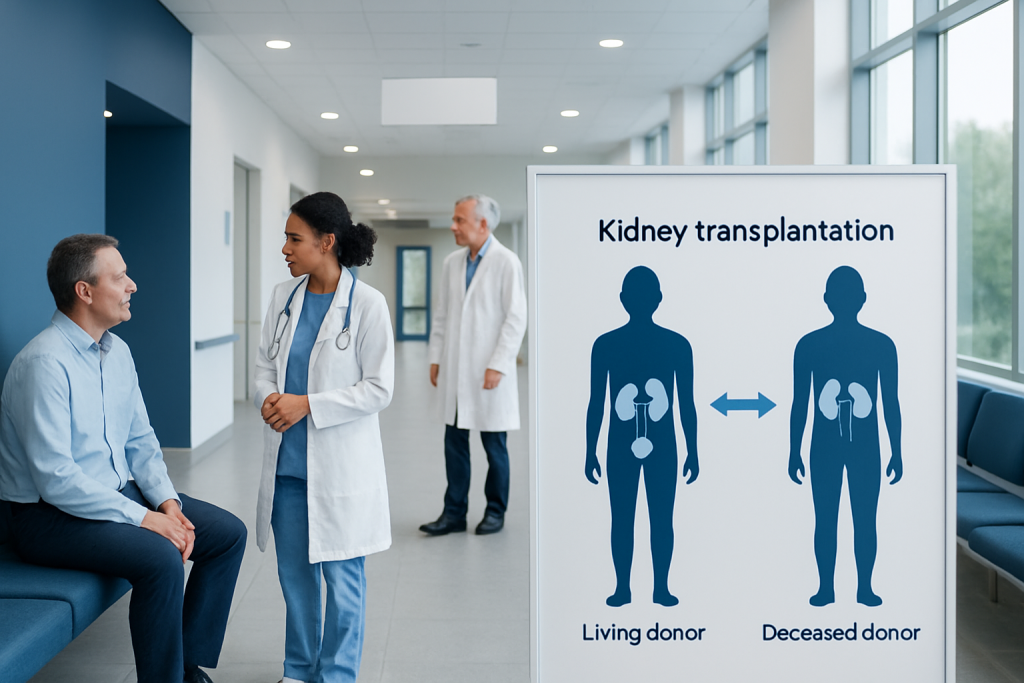
A living donor transplant uses a kidney from a healthy person who chooses to donate one kidney, usually a relative, friend, spouse, or sometimes an altruistic donor. A deceased donor transplant uses a kidney from someone who has died and previously consented to donation, or whose family authorizes donation according to local laws. Both can be life-changing, yet they come with distinct trade-offs in timing, planning, and follow-up.
For international patients, the decision can involve additional layers: travel schedules, access to donor testing, postoperative recovery away from home, and the need for a team that can coordinate care across borders. A transplant center can help patients understand whether speed, compatibility, and logistics make one option more practical than the other.
How the Two Paths Differ
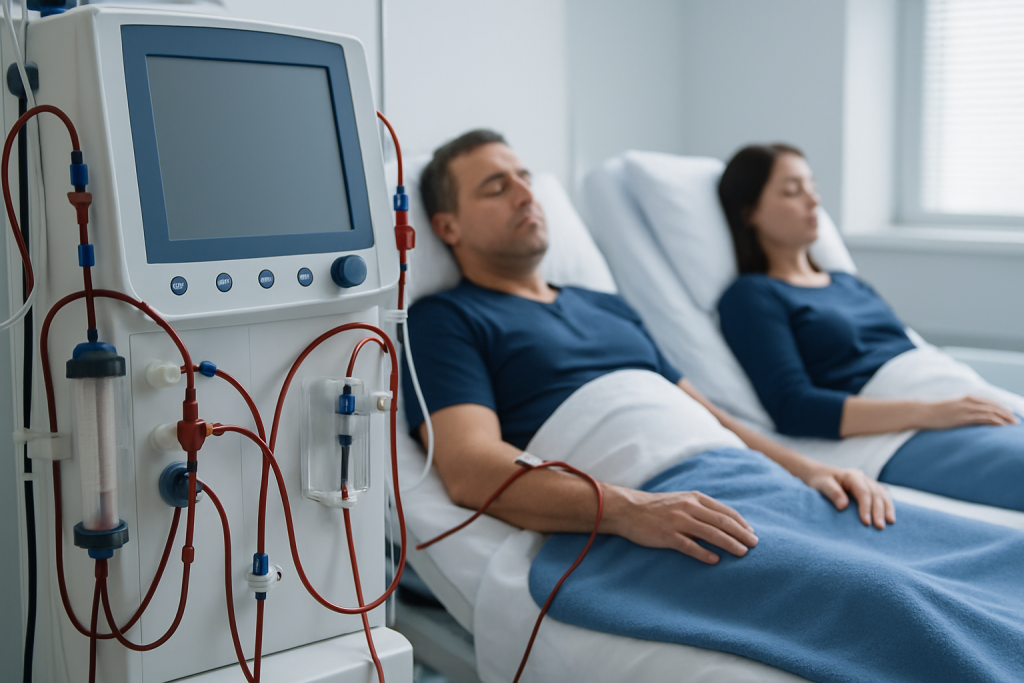
The clearest difference is timing. A living donor transplant can often be scheduled once the donor and recipient complete their evaluations and the transplant team confirms medical suitability. That predictability can reduce the time a patient spends waiting on dialysis or living with progressive kidney failure.
By contrast, a deceased donor transplant depends on organ availability and allocation systems, which means the wait can be longer and less predictable. Some patients receive an offer sooner than expected, while others may wait much longer, especially if their blood type, antibody profile, or medical condition makes matching more complex.
There are also practical differences in preparation. Living donation allows the team to plan surgery more deliberately, coordinate recovery support, and sometimes perform preemptive transplantation before dialysis becomes necessary. Deceased donation is more dependent on readiness to travel or be reachable at short notice, which can be challenging for patients who live far from the transplant center.
- Living donor: planned timing, known donor evaluation, more control over scheduling
- Deceased donor: unpredictable timing, organ allocation-based, no living donor risk
- Both: require compatibility testing, surgical expertise, and long-term immunosuppression
Benefits and Trade-Offs Patients Often Consider

Many patients are drawn to living donation because it can offer a shorter wait and the opportunity to schedule surgery under relatively controlled conditions. In some cases, a living donor kidney begins functioning sooner after transplant and may be associated with fewer delays caused by extended waiting-list time. That can be especially meaningful for patients whose health is becoming harder to stabilize on dialysis.
Living donation also gives families and care teams time to prepare. The recipient can arrange travel, postoperative lodging, medication access, and follow-up appointments in advance. For someone traveling from another country, this can make the journey feel more manageable and less dependent on last-minute decisions.
Still, living donation has an important human side: the donor must undergo surgery and accept a recovery period of their own. Even when donors are carefully screened and protected, some patients feel uncomfortable asking a loved one to assume any medical risk. Others worry about family dynamics, pressure, or the emotional weight of accepting such a gift.
Deceased donor transplantation avoids the ethical and physical burden placed on a living person, which matters to many recipients and families. However, it brings uncertainty. Patients may need to remain ready for an offer for a prolonged period, and even when a kidney becomes available, the match may not be as ideal as a carefully evaluated living donor option.
Who May Be a Candidate for Each Option
Eligibility is not determined by donor type alone. A patient’s kidney transplant candidacy depends on overall health, heart and vascular status, infection risk, cancer history, body composition, adherence capacity, and many other medical details. The transplant team evaluates whether surgery is safe and whether the patient is likely to benefit from a new kidney.
Living donor transplantation may be especially appealing for patients who have a willing, medically suitable donor and who would benefit from earlier surgery. It may also be considered when the patient has antibodies that make deceased donor matching harder, because living donor options can sometimes be paired with specialized matching strategies such as paired exchange, depending on the center and region.
Deceased donor transplantation may be the more realistic path for patients without a suitable living donor, for those whose potential donors are not eligible, or for those who prefer not to ask a family member or friend to donate. Some patients begin on one pathway and later move to the other if circumstances change.
Common factors that influence candidacy include:
- Blood type and tissue compatibility
- Presence of donor-specific antibodies
- Overall cardiovascular and surgical risk
- Kidney disease severity and dialysis status
- Support system for recovery and medication adherence
How Doctors Evaluate the Match
Before either transplant type can proceed, the recipient and donor undergo detailed testing. The aim is to reduce the risk of rejection, uncover hidden medical problems, and ensure the transplant can be done as safely as possible. This evaluation is comprehensive because a kidney transplant is a long-term treatment, not a one-time event.
For a living donor, the evaluation is especially thorough. It includes blood tests, imaging, kidney function assessment, infection screening, and a medical review to make sure donation will not harm the donor. Emotional readiness and voluntariness are also important, because ethical donation depends on clear understanding and free choice.
For a deceased donor transplant, some matching is already determined by the organ allocation system, but the recipient still needs medical assessment to confirm they are stable enough for surgery when an organ becomes available. The team may also review antibody levels, recent illnesses, and any changes in the patient’s condition since listing.
Patients are sometimes surprised by how much planning happens before a transplant date is even possible. In reality, this preparatory work is what allows the surgical team to move quickly when the right opportunity arises.
Treatment Options and Surgical Course
The surgical operation itself follows the same basic principle in both situations: the new kidney is placed in the lower abdomen and connected to blood vessels and the bladder. The patient’s own kidneys are usually left in place unless there is a special reason to remove them. After surgery, the transplant team watches closely for urine output, kidney function, fluid balance, and signs of rejection or infection.
Living donor transplants are often scheduled electively, which means the patient can prepare in a more organized way. Because surgery is planned, medications, transport, and family support can be arranged ahead of time. In some cases, this makes the recovery period feel more predictable, even though every patient heals at a different pace.
Deceased donor transplants usually happen when the patient is called in after an organ offer is accepted. That can mean a more urgent hospital arrival, but the surgical and postoperative care are otherwise similar. After either transplant, patients typically need immunosuppressive medications to prevent rejection, along with regular blood tests and clinic visits.
Typical treatment considerations include:
- Immunosuppressive medication to protect the graft
- Monitoring for rejection, infection, and medication side effects
- Hydration, wound care, and activity restrictions during early recovery
- Scheduled laboratory tests and transplant follow-up visits
Recovery, Travel, and Long-Term Follow-up
Recovery after kidney transplantation is not only about the surgical incision healing. It also involves adjusting to medications, monitoring lab results, managing energy levels, and learning new routines. Patients often need frequent follow-up early on, then less frequent but still regular lifelong monitoring.
For those coming from another country, a living donor transplant can sometimes simplify the timeline because surgery is planned and follow-up can be coordinated before travel. That said, patients still need to think about how long they will stay near the transplant center, where they will obtain medication refills, and how communication with the team will continue after returning home.
Deceased donor transplantation may require a more flexible travel plan because the operation date is not known in advance. Patients on the waiting list may need to remain reachable and ready to travel quickly, which can be stressful if they live far away or must arrange visas, family support, or time away from work.
Long-term success depends on consistency: taking medications exactly as prescribed, attending follow-up appointments, reporting new symptoms early, and maintaining a kidney-friendly lifestyle. The transplant itself is only one part of the journey; the routine after surgery matters just as much.
Prevention & Self-care
Patients cannot choose every factor in transplant care, but they can strengthen the chances of a good outcome through preparation and steady self-care. Before transplant, this may mean staying as healthy as possible, following dialysis instructions if applicable, and keeping all evaluation appointments. Good communication helps the team identify issues early, from infection symptoms to medication changes.
After transplant, daily self-care becomes central. Patients should take medicines on time, monitor blood pressure if advised, protect themselves from infection, and avoid making changes to supplements or over-the-counter medicines without checking with the transplant team. Nutrition, physical activity, and sleep also support recovery, though recommendations should be individualized.
It can help to prepare a simple support plan before surgery:
- A person to help with transportation and follow-up visits
- A reliable way to store and refill medicines
- Contact details for the transplant team and local doctors
- A plan for staying near the center if early follow-up is required
Patients who are considering an international transplant should also ask how records will be shared across countries and who will coordinate urgent questions once they are back home. Clear planning reduces stress and helps the patient focus on healing.
When to See a Doctor
Patients with advanced kidney disease should speak with a nephrologist or transplant specialist when kidney function is declining, dialysis is being discussed, or symptoms are affecting daily life. A transplant evaluation can happen before dialysis starts, and early referral may open more options, including living donor transplantation.
After transplantation, patients should contact their medical team promptly for fever, reduced urine output, pain around the transplant site, swelling, shortness of breath, vomiting that prevents medication use, or any sudden change in how they feel. These symptoms do not always mean a serious problem, but they deserve attention because transplant care works best when concerns are addressed early.
Families considering donation should also seek professional guidance rather than relying on assumptions. A donor’s safety, the recipient’s timing, and the overall plan should all be reviewed by qualified specialists. At Acibadem Health Point, multidisciplinary specialists and JCI-accredited hospitals help diagnose and treat kidney transplant patients for international care journeys, with coordination designed around safe evaluation, surgery, and follow-up.
The most useful next step is often a detailed conversation with a transplant team that can compare the patient’s medical needs, donor possibilities, and travel realities. That discussion usually brings much-needed clarity to a decision that can otherwise feel overwhelming.
Frequently asked questions
01Is a living donor kidney transplant better than a deceased donor transplant?
Neither option is automatically better for every patient. A living donor transplant often allows earlier surgery and more control over planning, while a deceased donor transplant may be the right or only option for some patients. The best choice depends on medical compatibility, urgency, and donor availability.
02Do living donor kidneys last longer?
Outcomes can vary widely, and many factors affect how long a transplanted kidney functions, including donor health, recipient health, and adherence to medication. Living donor transplants are often planned earlier, which may reduce time on dialysis, but the long-term result still depends on many individual details. A transplant team can explain what is most relevant in a specific case.
03Can someone get a transplant before starting dialysis?
Yes, some patients receive a preemptive kidney transplant before dialysis begins, especially when a living donor is available. This is not suitable for everyone, but it can be considered during transplant evaluation. Early referral to a specialist helps determine whether that path is realistic.
04What happens if a living donor is not a match?
In some centers, paired exchange or other matching strategies may allow the donor to help by matching with another recipient-donor pair. If that is not possible, the patient may still pursue a deceased donor transplant. The transplant center can explain what options are available locally and internationally.
05How long is recovery after kidney transplant?
Early recovery usually takes several weeks, but full adjustment to life after transplant takes longer because medications and follow-up continue indefinitely. Patients often need frequent visits at first, then ongoing monitoring over time. Recovery plans should be individualized based on the patient’s health and whether care is being coordinated across borders.
06Should international patients choose one donor type over the other?
There is no universal rule, but travel distance, visa timing, medication access, and the ability to stay near the center after surgery can influence the decision. A living donor transplant may be easier to schedule, while a deceased donor transplant may require more flexibility. A transplant team can help balance medical and logistical needs.
This article is for general information only and is not a substitute for professional medical advice. Please consult a qualified doctor about your individual situation.
Explore treatments in Turkey — costs, top hospitals & a free quote
JCI-accredited · board-certified surgeons · reply within 24h
Add us as a Preferred Source to see more of our trusted health content across Google Search, AI Overviews and Discover.