Liver Cancer Symptoms: Possible Causes and When to Seek Care
Maybe it’s a dull ache under your right ribs that won’t settle. Or your clothes fit looser and you haven’t changed a thing. Perhaps someone told you your eyes look yellow.
Breast Cancer Symptoms: Early Signs and Changes" class="ahp-ilk">Cancer Symptoms in Women: Signs, Testing and Care" class="ahp-ilk">Liver cancer symptoms may include ongoing upper abdominal pain, unexplained weight loss, jaundice, swelling, and fatigue — but some people have few or no symptoms early on. The tricky part is that these same symptoms show up with non-cancer liver problems too. So if something persists or keeps getting worse, have a doctor look at it.
Overview: what liver cancer symptoms can mean
Liver cancer symptoms can include pain or discomfort in the upper right side of the abdomen, unexplained weight loss, reduced appetite, nausea, fatigue, swelling in the belly, and yellowing of the skin or eyes. Some people notice only subtle changes at first, while others have no symptoms until the disease is more advanced.
These symptoms do not automatically mean cancer. They can also occur with hepatitis, cirrhosis, gallbladder disease, fatty liver disease, or other digestive conditions. Even so, symptoms that persist, worsen, or appear in someone with known liver disease deserve prompt medical evaluation.
The liver is a large organ that helps process nutrients, filter blood, and remove waste products. When cancer develops in the liver, it may interfere with these functions or stretch the capsule around the liver, leading to discomfort, swelling, jaundice, and general symptoms such as weakness or unintentional weight loss.
Primary liver cancer starts in the liver itself, most often as hepatocellular carcinoma. Doctors separate this from cancer that has spread to the liver from another organ. Your symptom pattern is only one piece of the picture — the diagnosis comes from proper testing and a look at your personal risk factors.
Common liver cancer symptoms
Many liver cancer symptoms are non-specific, so they are easily mistaken for other illnesses. You may simply feel unwell without being able to point to one clear sign. That is exactly why changes lasting more than a short period should not be brushed off.
Possible symptoms include:
- Pain, pressure, or a feeling of fullness in the upper right abdomen
- A lump or swelling under the ribs on the right side
- Abdominal bloating or fluid buildup in the belly
- Unexplained weight loss
- Loss of appetite or feeling full quickly after eating small amounts
- Nausea or occasional vomiting
- Ongoing fatigue or weakness
- Yellowing of the skin or eyes (jaundice)
- Dark urine or pale stools
- Itchy skin
- Fever without a clear cause in some cases
Some symptoms reflect changes in liver function rather than the tumor itself. For example, jaundice can happen when bile flow is affected, and abdominal swelling may occur if the liver is scarred or blood flow through the liver is impaired. General symptoms such as fatigue and weight loss can occur with many cancers but also with chronic liver disease.
People with cirrhosis or hepatitis may notice that familiar symptoms suddenly worsen. A rapid increase in abdominal swelling, more frequent pain, new jaundice, or a sharp decline in energy can be important clues. In this setting, doctors may investigate for liver cancer as well as other liver-related complications.
Possible causes and risk factors
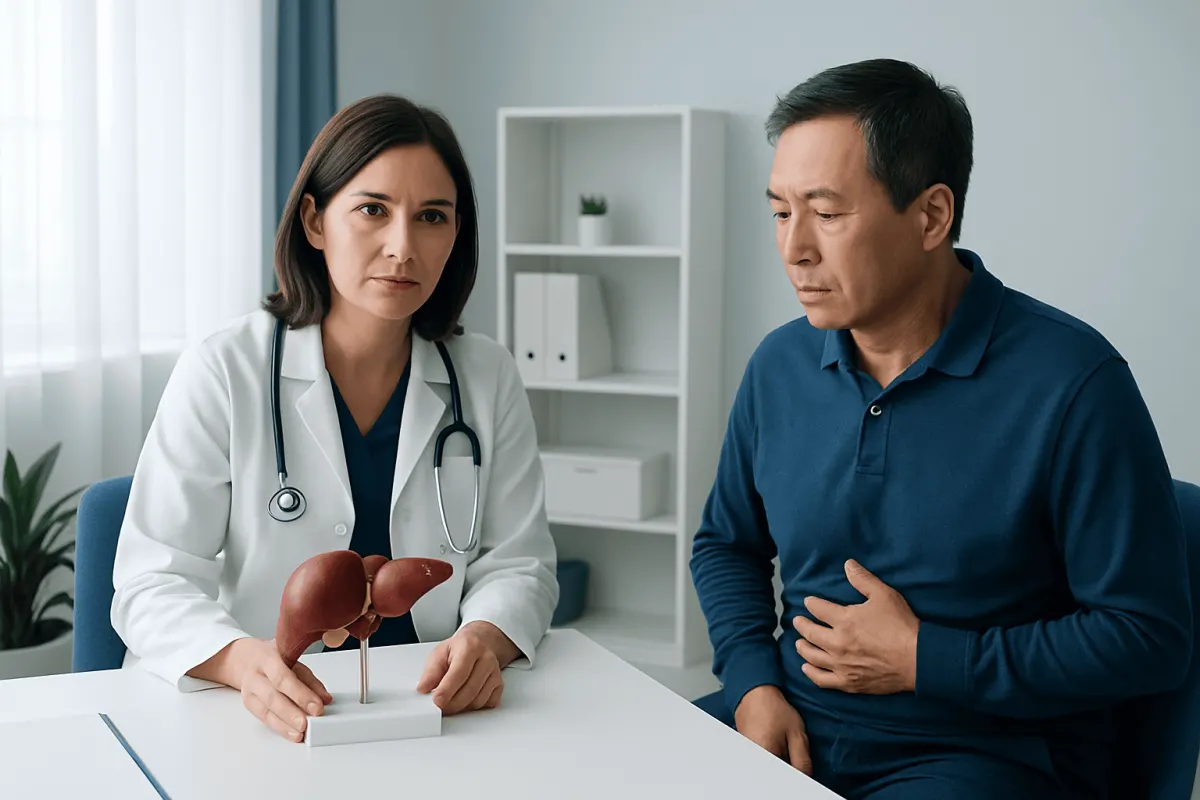
Liver cancer usually develops over time in a liver that has already been damaged by chronic disease. The strongest risk factors include cirrhosis, chronic hepatitis B infection, and chronic hepatitis C infection. Long-term inflammation and scarring can increase the chance that liver cells will change and grow abnormally.
Other important risk factors include heavy alcohol use, metabolic dysfunction-associated fatty liver disease, type 2 diabetes, obesity, and certain inherited liver disorders. Exposure to aflatoxins, which are toxins produced by some molds in poorly stored foods, is also a recognized risk factor in some parts of the world. Smoking may further raise risk in some individuals.
Having risk factors does not mean you will get liver cancer, and some people diagnosed had no obvious symptoms early on. That is why regular follow-up matters so much if you have cirrhosis or chronic viral hepatitis. Conditions such as hepatitis and advanced fatty liver disease may require structured surveillance even before symptoms appear.
Age, sex, family history, and the underlying health of your liver all influence risk. Your doctor weighs the whole medical history, not one symptom on its own. That broader context helps guide whether symptoms are more likely to reflect inflammation, scarring, infection, or a possible tumor.
How doctors evaluate symptoms and make a diagnosis
When someone presents with possible liver cancer symptoms, the evaluation usually begins with a medical history and physical examination. The doctor may ask about hepatitis exposure, alcohol use, previous liver disease, recent weight changes, and the timing of symptoms such as pain, swelling, and jaundice.
Blood tests can help assess liver function and look for signs of inflammation, infection, or abnormal clotting. In some cases, doctors also measure tumor markers such as alpha-fetoprotein, although this test alone cannot confirm or rule out liver cancer. It is used alongside imaging and clinical findings rather than by itself.
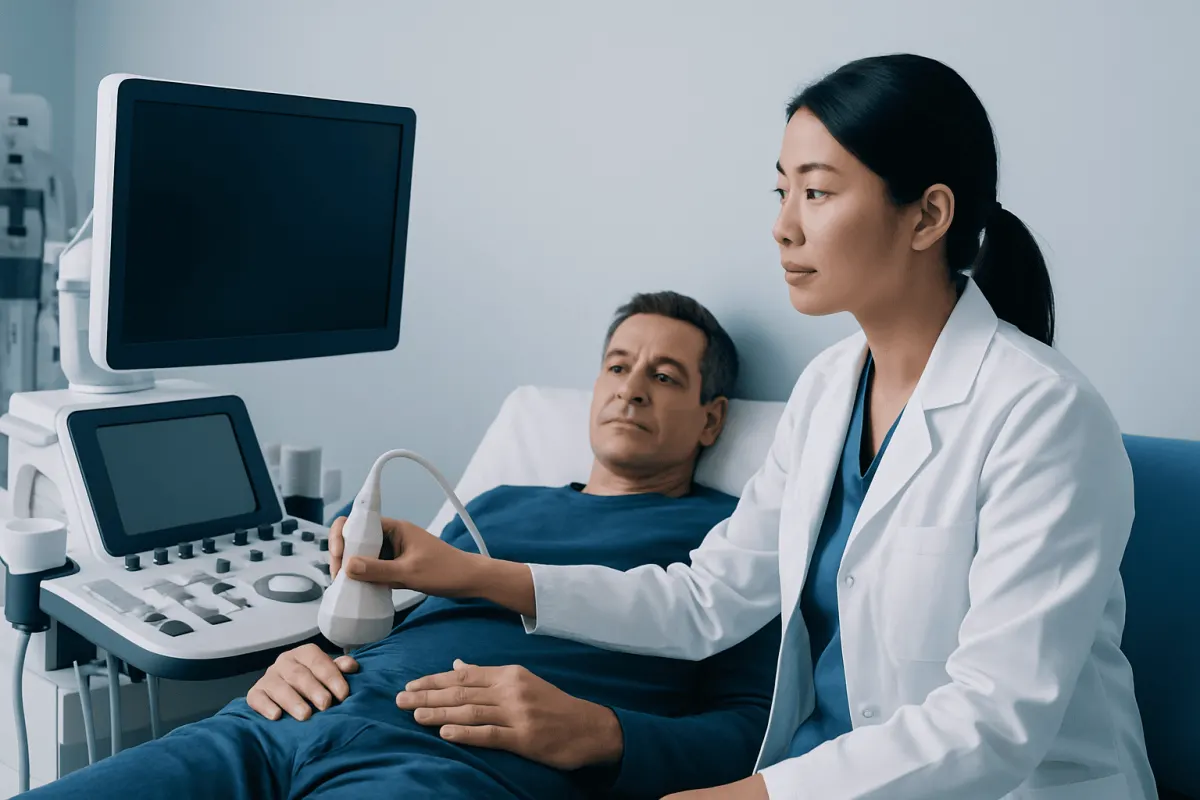
Imaging is central to diagnosis. Ultrasound may be used as an initial test, while contrast-enhanced CT or MRI can provide more detailed information about the size, number, and pattern of liver lesions. These scans also help doctors evaluate whether disease is limited to the liver and plan next steps, including MRI imaging or PET-CT imaging when clinically appropriate.
Sometimes a liver biopsy is needed, especially if imaging does not clearly show the nature of a lesion. Doctors may also stage the cancer if it is confirmed, which means assessing tumor extent, liver function, and overall health. This combination is important because treatment decisions in liver cancer depend on both the cancer and how well the liver is working.
Treatment options and what they depend on
Treatment for liver cancer depends on the size and number of tumors, whether the cancer has spread, and the condition of the underlying liver. Options may include surgery, local therapies that target the tumor directly, systemic medicines, or liver transplantation in selected cases. A multidisciplinary team often includes hepatology, oncology, surgery, radiology, and pathology specialists.
For some patients, surgery offers the best chance of removing a localized tumor if the remaining liver is healthy enough. In others, local treatments may be considered, such as ablation or therapies delivered directly to the liver through its blood supply. When cancer is more advanced, targeted drugs or immunotherapy may be used to help control the disease.
If liver function is significantly affected, treatment planning becomes more complex. A person may need management of cirrhosis-related issues such as fluid retention, poor nutrition, or bleeding risk alongside cancer treatment. In selected cases, liver transplantation may be discussed when it can address both the tumor and severe underlying liver disease.
People with symptoms suggestive of liver cancer may also need care for the cause of liver injury, such as hepatitis B treatment or support for alcohol-related liver disease. Some patients also benefit from symptom control services focused on pain, appetite, and quality of life. Acıbadem Health Point’s multidisciplinary specialists in JCI-accredited hospitals diagnose and treat liver conditions and cancers for international patients.
Prevention and self-care for people at risk
Not all liver cancer can be prevented, but risk can often be reduced by protecting liver health. Vaccination against hepatitis B, treatment of chronic viral hepatitis, limiting alcohol, maintaining a healthy weight, and managing diabetes are all practical steps that may lower risk over time.
For people with cirrhosis or chronic hepatitis, regular medical follow-up is especially important. Doctors may recommend periodic imaging and blood tests to look for changes before symptoms become obvious. This kind of surveillance is not self-diagnosis; it is a planned way to watch for liver complications in higher-risk individuals.
Healthy habits support your liver, but they are not a substitute for medical care. A balanced diet, regular physical activity, avoiding unnecessary supplements or substances that may harm the liver, and taking medicines only as directed can all help. People should also speak with a doctor before using herbal products, since some may affect the liver.
If symptoms such as jaundice, persistent abdominal discomfort, early fullness, or unexplained weight loss appear, self-care alone is not enough. These warning signs should be discussed with a healthcare professional, especially in anyone with known liver disease or a history of hepatitis.
When to seek medical care
Medical care should be sought if liver cancer symptoms persist for more than a short time, keep returning, or gradually worsen. Concerning symptoms include ongoing pain in the upper right abdomen, yellowing of the skin or eyes, swelling in the abdomen, unexplained weight loss, reduced appetite, or marked fatigue.
People with cirrhosis, chronic hepatitis B or C, heavy alcohol use, or known fatty liver disease should seek evaluation sooner if any new liver-related symptoms appear. Even mild changes can matter in someone already at higher risk. A doctor can determine whether symptoms are linked to cancer, worsening liver disease, or another treatable condition.
Urgent care is appropriate for severe abdominal pain, vomiting that does not stop, confusion, rapid abdominal swelling, black stools, vomiting blood, or significant jaundice. These symptoms can signal serious liver complications and should not be monitored at home without advice.
Getting checked early does not mean the answer will be cancer. It simply improves the odds of finding the real cause and starting treatment quickly if you need it. When in doubt, book the appointment rather than waiting to see if things get worse.
Frequently asked questions
01Are liver cancer symptoms always obvious in the early stages?
No. Early liver cancer may cause few symptoms or none at all. When symptoms do occur, they are often vague, such as tiredness, poor appetite, or mild abdominal discomfort.
02What is usually the first symptom of liver cancer?
There is no single first symptom that appears in every person. Common early changes can include discomfort in the upper right abdomen, feeling full quickly, or unexplained weight loss, but some people notice jaundice or abdominal swelling later on.
03Can liver cancer symptoms be confused with other liver problems?
Yes. Symptoms such as jaundice, fatigue, nausea, and abdominal swelling can also happen with hepatitis, cirrhosis, gallbladder disease, or fatty liver disease. That is why medical testing is needed to find the cause.
04When should someone worry about liver cancer symptoms?
A person should seek medical advice if symptoms persist, worsen, or occur together, especially if there is jaundice, abdominal swelling, or unintentional weight loss. Evaluation is even more important in people with hepatitis, cirrhosis, or other known liver disease.
05How do doctors confirm whether symptoms are caused by liver cancer?
Doctors usually combine a physical exam, blood tests, and imaging such as ultrasound, CT, or MRI. In some cases, a biopsy is also needed to confirm the diagnosis and guide treatment.
06Can liver cancer be found before symptoms start?
Sometimes, yes. People at higher risk, especially those with cirrhosis or chronic hepatitis B, may have regular surveillance to look for liver changes before symptoms develop. This can help detect problems earlier.
This article is for general information only and is not a substitute for professional medical advice. Please consult a qualified doctor about your individual situation.
Medical weight-loss options in Turkey — costs & eligibility
JCI-accredited · board-certified surgeons · reply within 24h
Add us as a Preferred Source to see more of our trusted health content across Google Search, AI Overviews and Discover.