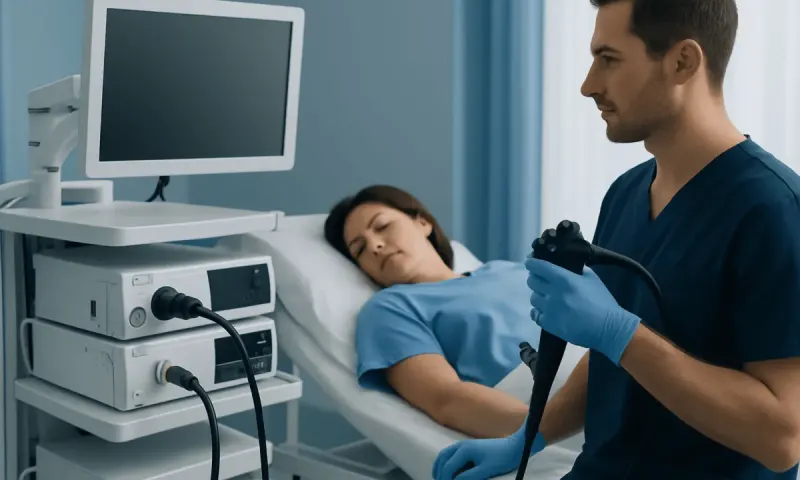
Liver Camera Test: Purpose, Procedure and Results

Key Takeaways
- A liver camera test is a functional imaging test, not a biopsy, and it uses a small amount of radioactive tracer.
- It may be ordered to look at liver function, bile flow, masses, cysts, or signs of blocked or abnormal blood flow.
- The procedure is usually straightforward, with the tracer given through a vein and images taken by a special camera.
- Most people can return to normal activities soon after the scan, with only routine aftercare instructions.
- Results are interpreted alongside blood tests, ultrasound, CT, MRI, and the person’s symptoms.
- Anyone with ongoing jaundice, fever, severe abdominal pain, or worsening symptoms should seek medical advice promptly.
A liver camera test is a nuclear medicine scan that shows how the liver is working and where problems may be present. It can help doctors assess liver function, bile flow, and certain lesions or complications when other tests need more detail.
Overview
A liver camera test is a common way to study the liver without surgery. Despite the name, it is not a camera placed inside the body; it is a nuclear medicine scan that uses a small amount of tracer and a special detector to create images of how the liver is functioning.
Doctors may suggest this test when they want more than a structural picture. A standard scan can show the shape of the liver, but a liver camera test can also reveal how well liver tissue takes up and processes the tracer, which can help identify areas that are not working normally.
For international patients, this kind of test is often part of a step-by-step evaluation rather than a single answer by itself. It may be chosen after blood work, ultrasound, or CT has raised a question that needs a more functional view before treatment decisions are made.
Symptoms and Reasons the Test May Be Ordered

A liver camera test is not done for every digestive symptom. It is usually requested when a clinician wants to understand a specific concern such as unexplained jaundice, abnormal liver enzyme results, suspected bile flow problems, or a lesion seen on another imaging study.
It may also be used when pain in the upper abdomen does not fit a simple explanation, or when doctors need to evaluate how the liver is handling a known condition. In some cases, the scan can help assess complications after surgery or after trauma involving the liver or bile ducts.
Common reasons include:
- To look for areas of reduced or altered liver function
- To assess bile drainage or possible blockage
- To help characterize cysts, abscesses, or certain masses
- To check for complications after liver procedures
- To clarify findings from ultrasound, CT, or MRI
Causes and Risk Factors Behind an Abnormal Scan

An abnormal liver camera test does not point to one single diagnosis. It can reflect inflammation, infection, scarring, reduced blood flow, bile obstruction, a benign growth, or a malignant process, depending on the pattern seen and the person’s medical history.
Risk factors vary with the underlying condition. A history of hepatitis, heavy alcohol use, fatty liver disease, gallbladder disease, prior abdominal surgery, cancer elsewhere in the body, or recent infection can all influence why the scan is ordered and what the results may suggest.
Because the liver is involved in digestion, detoxification, and bile production, changes in one system can affect others. Doctors usually combine scan findings with blood tests and symptom history to avoid overreading a single image.
How the Liver Camera Test Is Done
The procedure is usually performed in a nuclear medicine unit. A small amount of radioactive tracer is given through a vein, most often in the arm, and the body naturally carries it to the liver. A special gamma camera then records how the tracer moves through the liver, gallbladder, and sometimes the intestines.
The scan is typically painless. The person lies still on a table while the camera takes images from several angles. In some cases, the test takes only a short period; in others, more time is needed depending on the question being asked and how quickly the tracer moves through the body.
Preparation varies by the type of scan. Some people are asked to fast for a few hours, while others may need to pause certain medicines if their doctor advises it. The care team will explain what to bring, how long the visit may take, and whether a companion is helpful for travel back to the hotel or residence afterward.
What the Results Can Show
Results are usually reported as either normal or showing a particular pattern of abnormal tracer uptake or movement. A normal study suggests that the liver is taking up and processing the tracer in a typical way, although it does not rule out every liver disease.
An abnormal result may show a focal area that takes up less tracer, diffuse liver dysfunction, delayed bile flow, or signs that a space in the liver is not behaving like surrounding tissue. The meaning depends on the exact scan type and the clinical question behind it.
It is important to know that results are interpreted in context. A liver camera test may support a diagnosis, but it often does not stand alone. Doctors may combine it with hepatitis tests, liver function tests, ultrasound, CT, MRI, or, in some cases, biopsy to reach the clearest conclusion.
Treatment Options After an Abnormal Finding
Treatment is based on the cause, not on the scan result itself. If the test suggests inflammation, infection, bile obstruction, or another liver problem, the next step may involve medication, lifestyle changes, follow-up imaging, endoscopic treatment, or referral to a liver specialist.
Some people need observation and repeat testing, especially when the finding is small or unclear. Others may be evaluated for procedures that relieve bile duct blockage, manage gallbladder disease, or remove or sample a suspicious lesion.
For patients traveling from another country, it can be useful to ask for a written summary of the scan, the radiology report, and the plan for follow-up. That makes it easier to continue care with a local doctor once they return home.
Prevention and Self-Care
A person cannot usually prevent needing a liver camera test, because the scan is ordered to investigate a health concern. However, general liver care can reduce the chance of future problems and may lower the need for repeated investigations.
Helpful habits include limiting alcohol, maintaining a healthy weight, managing diabetes if present, eating a balanced diet, and using medicines or supplements only as directed. Vaccination against hepatitis A and B may also be relevant for some people after discussing it with a clinician.
After the scan itself, most people can resume normal activities unless they were given specific instructions. Drinking fluids may be encouraged, and any unusual symptoms after the test, such as rash or persistent discomfort, should be reported to the care team.
When to See a Doctor
A liver camera test is usually arranged by a doctor when there is a clinical reason to look more closely at the liver. Anyone with persistent jaundice, dark urine, pale stools, unexplained upper abdominal pain, fever, ongoing nausea, or a new abnormal blood test should seek medical advice rather than waiting.
Emergency evaluation may be needed if symptoms become severe, such as intense abdominal pain, confusion, vomiting that does not stop, or signs of bleeding. These are not typical findings from the scan itself, but they may point to a condition that needs urgent care.
When care is being organized across borders, it helps to review the report with a specialist who can explain what the scan means in everyday terms and whether further imaging, repeat labs, or treatment is the next best step. Acibadem Health Point’s multidisciplinary specialists and JCI-accredited hospitals diagnose and treat liver conditions for international patients, while coordinating a clear plan for follow-up.
Frequently asked questions
01What is a liver camera test?
A liver camera test is a nuclear medicine scan that uses a small tracer and a special camera to show how the liver is functioning. It is different from a biopsy because it does not remove tissue.
02Is the liver camera test painful?
The scan itself is usually painless. Some people feel a brief sting when the tracer is injected, but the imaging is generally comfortable.
03How long does the test take?
Timing depends on the type of study and the clinical question. Some scans are completed in a short visit, while others require longer image capture as the tracer moves through the liver and bile ducts.
04Do I need to fast before a liver camera test?
Sometimes, but not always. The care team will give specific preparation instructions based on the exact scan being ordered.
05Can the test show cancer?
It may show an area that looks abnormal, but it cannot confirm cancer on its own in every case. Doctors usually combine the result with other imaging and tests before making a diagnosis.
06What should I do after the scan?
Most people can return to normal activities unless told otherwise. Following the clinic’s instructions and keeping any follow-up appointments are the most important steps.
This article is for general information only and is not a substitute for professional medical advice. Please consult a qualified doctor about your individual situation.
Explore treatments in Turkey — costs, top hospitals & a free quote
JCI-accredited · board-certified surgeons · reply within 24h
Add us as a Preferred Source to see more of our trusted health content across Google Search, AI Overviews and Discover.