Live Vaccines: Safety, Benefits, and Special Precautions
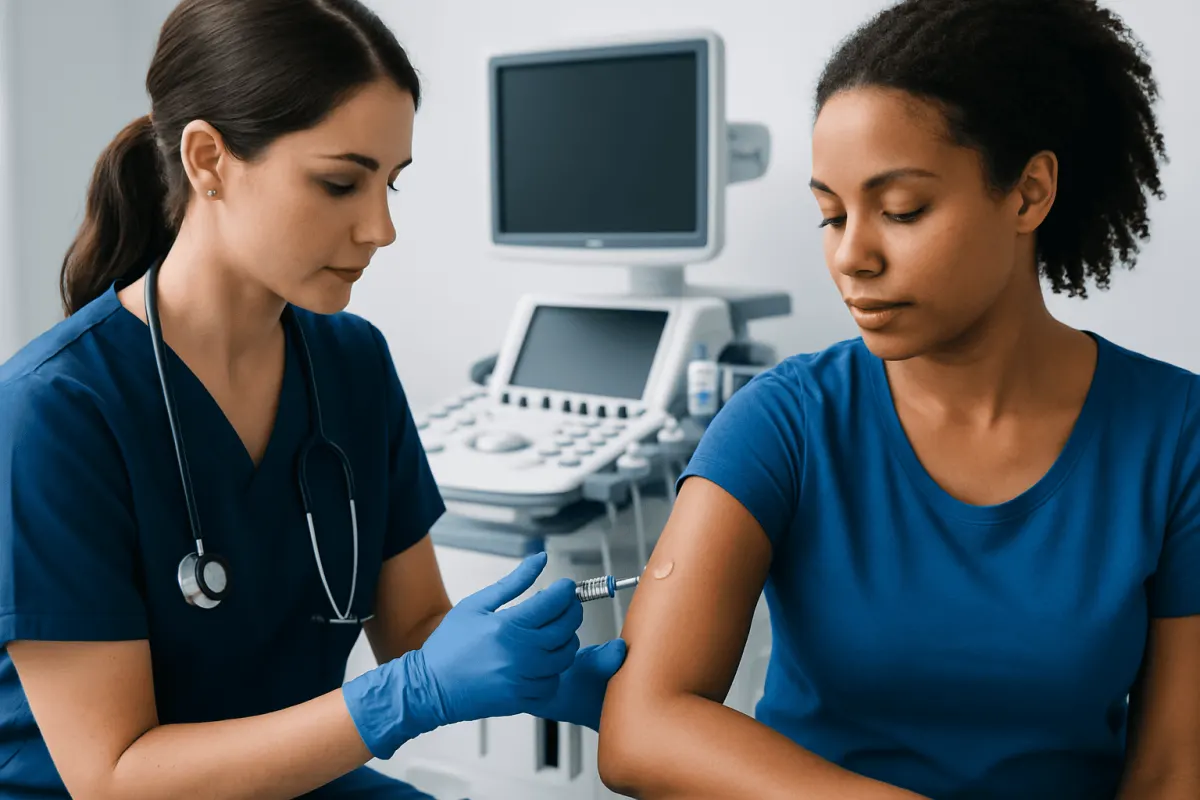
Live vaccines contain a weakened form of a virus or bacterium that helps the immune system learn to recognize and fight an infection. They provide effective, long-lasting protection for many people, but may not be suitable during pregnancy or for people with significant immune suppression.
What Are Live Vaccines?
Live vaccines are vaccines made with a weakened version of a virus or, less commonly, a bacterium. The germ is altered so that it can stimulate the immune system without causing the full disease in people with healthy immune systems. This process is called attenuation, which is why these products are also called live attenuated vaccines.
Because the weakened germ can reproduce to a limited extent in the body, live vaccines often create an immune response that closely resembles the protection developed after natural infection. Depending on the vaccine and the person’s age and health, one or two doses may provide long-lasting immunity. However, vaccination recommendations differ by country, age, health status and travel plans.
Live vaccines have been used for many decades and are carefully tested before approval. Like all vaccines, they are monitored for safety after they are introduced. A clinician can explain which vaccines are recommended for an individual and whether there are reasons to delay or avoid a particular live vaccine.
Which Vaccines Are Live?
The live vaccines routinely offered vary between national immunization programs. Common examples include the measles, mumps and rubella (MMR) vaccine; varicella vaccine for chickenpox; and rotavirus vaccine for infants. Some countries also use a nasal-spray influenza vaccine, which is a live attenuated influenza vaccine.
Other live vaccines may be recommended in particular settings. These include yellow fever vaccine for travel to or residence in areas where yellow fever occurs, Bacille Calmette-Guérin (BCG) vaccine in countries with a higher burden of tuberculosis, and oral typhoid vaccine for some travelers. A live shingles vaccine exists in certain locations, although non-live shingles vaccines are used more widely in many countries.
Not all vaccines against the same disease work in the same way. For example, injected influenza vaccines are usually inactivated or non-live, while the nasal formulation is live attenuated. Similarly, there are both live and non-live options for certain travel-related infections. The exact product matters, so patients should ask their clinician or pharmacist if they are uncertain.
- Live vaccines contain a weakened living germ.
- Inactivated vaccines contain killed germs or pieces of germs.
- Other vaccine types use proteins, toxins, genetic instructions or other components to train immunity.
How Live Vaccines Work and What to Expect

After a live vaccine is given, immune cells identify the weakened germ as unfamiliar and begin making antibodies and immune memory cells. This immune memory can help the body respond more quickly if it later encounters the infection. Protection does not start immediately; the immune response generally develops over days to weeks.
Most side effects are mild and temporary. They may include soreness, redness or swelling where an injection was given, a low-grade fever, fatigue, headache or body aches. Some live vaccines can cause symptoms that resemble a very mild form of the illness they prevent. For example, a small, temporary rash can occur after MMR or chickenpox vaccination, often days rather than hours after vaccination.
Severe allergic reactions are very rare, but vaccination providers are trained to recognize and treat them. People are usually asked to remain at the clinic briefly after vaccination. A person who has previously had a severe allergic reaction to a vaccine dose or a known vaccine component should discuss this carefully with an allergy specialist or immunization clinician before another dose is given.
Who May Need to Delay or Avoid a Live Vaccine?
Live vaccines are appropriate for many children and adults, but the weakened germ may present a risk to people whose immune defenses are substantially reduced. This includes some people receiving chemotherapy, high-dose immune-suppressing medicines, certain biologic treatments, or treatment after an organ or stem cell transplant. The degree of immune suppression varies considerably, so decisions should be individualized rather than assumed.
Live vaccines are generally avoided during pregnancy as a precaution. If a person plans pregnancy, they should ask their clinician whether any needed live vaccines should be given beforehand and how long to wait before trying to conceive. If someone receives a live vaccine before realizing they are pregnant, they should contact their maternity care team for advice; this situation does not automatically mean there will be a problem.
Additional precautions may apply to people with certain inherited immune disorders, advanced untreated HIV infection, or a history of severe allergy to a previous dose or ingredient. Infants may have specific timing rules, particularly for rotavirus vaccine. People who are moderately or severely unwell with fever may be advised to postpone vaccination until they recover, while a minor cold is usually not a reason to delay.
Household members of people with weakened immunity can usually receive their recommended vaccines. This may help protect the vulnerable person by reducing infections in the household. There are a few vaccine-specific precautions, such as careful hygiene after an infant receives rotavirus vaccine and seeking advice if a chickenpox-like rash develops after varicella vaccination.
Timing, Other Vaccines and Travel Planning
Timing is an important part of safe and effective vaccination. Some live injectable or nasal vaccines can be given on the same day. When they are not given at the same visit, clinicians may recommend spacing certain live vaccines apart, often by several weeks, to ensure the immune response to each is not reduced. Oral live vaccines may have different timing considerations.
Antibody-containing blood products, such as immune globulin or some blood transfusions, can interfere with the response to particular live vaccines, especially MMR and varicella vaccines. The timing depends on the product received and the vaccine needed. Patients should tell their clinician about recent transfusions, immune globulin treatment, or medications that affect immunity.
Travelers should arrange a pre-travel health appointment well ahead of departure. Some destinations require proof of yellow fever vaccination, while other vaccines may be advised based on the itinerary, season, activities and personal health. Last-minute travel does not always prevent vaccination, but early planning allows time for doses, documentation and discussion of alternatives if a live vaccine is unsuitable.
Before starting planned immune-suppressing treatment, patients should ask their specialist whether vaccinations can be updated first. In many situations, live vaccines need to be completed before immune suppression begins. The safest interval depends on the medicine and the vaccine, so guidance from the prescribing team is essential.
Practical Steps Before and After Vaccination
Before receiving a live vaccine, patients should share a complete health history with the vaccination provider. Important details include pregnancy or plans for pregnancy, medicines and supplements, cancer treatment, transplant history, immune conditions, prior reactions to vaccines, severe allergies and recent blood products. Bringing a vaccination record, if available, can prevent unnecessary repeat doses and identify missing protection.
After vaccination, normal activities can usually continue unless a clinician gives different instructions. Staying hydrated and resting if tired may help with mild symptoms. A cool compress may ease temporary injection-site discomfort. Fever or pain medicines should be used only as advised by a healthcare professional, particularly for infants and young children.
It is helpful to keep a personal record of the vaccine name, date, clinic and any observed side effects. This information can be important for school requirements, employment, immigration processes, future pregnancy planning and travel. National or regional immunization registries may also store vaccine records where available.
Vaccination decisions should be based on reliable medical guidance rather than online claims alone. Public-health authorities regularly update schedules as disease patterns, available products and evidence evolve. A doctor can help patients weigh the expected benefits and any individual precautions.
When to Seek Medical Care
Most reactions after a live vaccine are mild and settle without treatment. However, urgent medical care is needed for signs of a serious allergic reaction, such as trouble breathing, wheezing, swelling of the face or throat, widespread hives, severe dizziness or collapse. These symptoms usually occur soon after vaccination but should be treated as an emergency whenever they arise.
A clinician should also be contacted for a persistent high fever, unusual weakness, a seizure, symptoms that are severe or worsening, or a rash that is extensive or concerning. Parents and caregivers should seek prompt advice if an infant seems very unwell, is difficult to wake, feeds poorly, has fewer wet diapers than usual, or develops other worrying symptoms.
People who are pregnant, have a weakened immune system, or are about to begin chemotherapy, transplant-related treatment or other immune-suppressing therapy should seek medical guidance before receiving a live vaccine. Acıbadem Health Point’s multidisciplinary specialists and JCI-accredited hospitals can assess vaccination needs and related health considerations for international patients.
Frequently asked questions
01Are live vaccines safe?
Live vaccines are considered safe and effective for most people who are eligible to receive them. They contain weakened germs that are designed to trigger immunity without causing the full illness in healthy individuals. As with any medical product, side effects can occur, and suitability should be reviewed when someone is pregnant or has a weakened immune system.
02Can a live vaccine cause the disease it prevents?
In people with healthy immune systems, live vaccines do not cause the typical full disease they are designed to prevent. Some people may develop mild, short-lived symptoms, such as a low fever or a light rash, as the immune system responds. Serious vaccine-related illness is very uncommon but may be more of a concern in people with severe immune suppression.
03Can live vaccines be given at the same time?
Many live vaccines can be given during the same appointment if they are administered in different locations when needed. If certain injectable or nasal live vaccines are not given together, a clinician may recommend separating them by a specific interval. The best schedule depends on the vaccines involved and the person’s medical history.
04Can someone who is pregnant receive a live vaccine?
Live vaccines are generally not given during pregnancy as a precaution. Non-live vaccines may still be recommended during pregnancy depending on the infection risk and local guidance. Anyone who is pregnant or planning pregnancy should discuss their immunization status with their maternity care clinician.
05Can people with weakened immunity receive live vaccines?
It depends on the cause and degree of immune suppression. Some people may safely receive selected live vaccines, while others should avoid them or wait until treatment ends and immune function recovers. A specialist who understands the person’s condition and medications should make this decision.
06How long should a person wait to get pregnant after a live vaccine?
The recommended waiting period differs by vaccine, although a waiting period of about one month is commonly advised after certain live vaccines such as MMR or varicella. The clinician who provides the vaccine can give guidance based on the exact product and an individual’s circumstances. People should not stop or delay contraceptive methods without medical advice.
This article is for general information only and is not a substitute for professional medical advice. Please consult a qualified doctor about your individual situation.
Explore treatments in Turkey — costs, top hospitals & a free quote
JCI-accredited · board-certified surgeons · reply within 24h
Add us as a Preferred Source to see more of our trusted health content across Google Search, AI Overviews and Discover.