Little Stroke: Symptoms, Risks and Next Steps
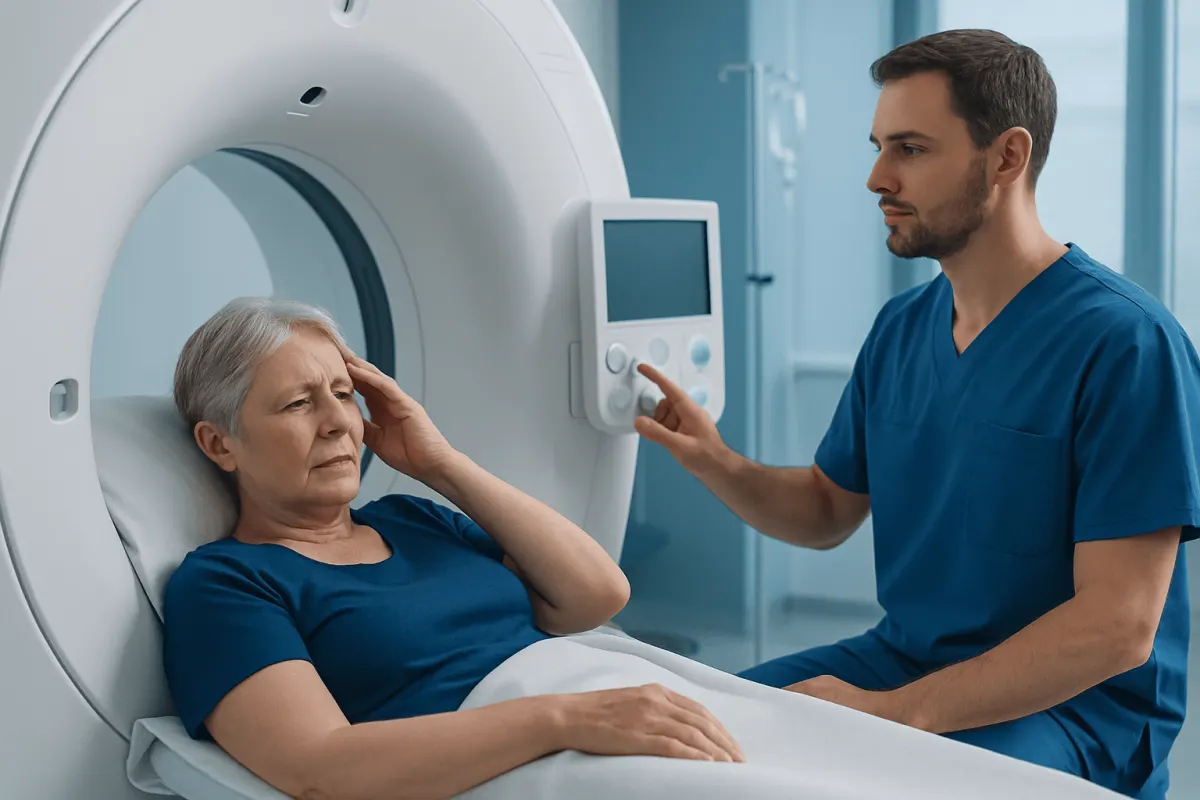
A little stroke is usually a transient ischemic attack (TIA), a brief interruption of blood flow to part of the brain that causes stroke-like symptoms. Symptoms may disappear quickly, but a TIA is an urgent warning sign that requires prompt medical assessment to reduce the risk of a future stroke.
Little Stroke Overview: Why It Needs Urgent Attention
A little stroke is a common non-medical term for a transient ischemic attack (TIA), sometimes called a mini stroke. It occurs when blood flow to part of the brain is briefly reduced or blocked, producing sudden symptoms similar to stroke. The blockage clears before permanent injury can usually be seen on brain imaging, but the episode must still be treated as an emergency.
Little strokes are called what? The clinical term is transient ischemic attack. “Transient” means temporary, and “ischemic” refers to reduced blood supply. A TIA differs from a stroke because symptoms resolve and there is no lasting brain infarction, but it can be impossible to tell the difference at home while symptoms are happening.
A complete stroke definition is a sudden neurological injury caused either by blocked blood flow to the brain (ischemic stroke) or bleeding in or around the brain (hemorrhagic stroke). Some people use the phrase “complete stroke” to mean a full stroke with persistent deficits, but it is not a formal medical term. Both TIA and stroke require rapid assessment because early treatment can help prevent further harm.
Little Stroke Symptoms Can Be Brief but Sudden
Little stroke symptoms usually begin suddenly and affect a specific function controlled by the brain. They may last only minutes, or may continue for hours before resolving. Symptoms should never be dismissed because improvement does not prove that the event was harmless.
A practical way to recognize possible stroke symptoms is FAST: facial drooping, arm weakness, speech difficulty, and time to call emergency services. Other possible signs include sudden numbness or weakness on one side of the body, trouble understanding speech, confusion, new loss of vision in one or both eyes, double vision, severe imbalance, dizziness, or difficulty walking.
- Sudden weakness, numbness, or drooping affecting the face, arm, or leg, particularly on one side
- Slurred speech, inability to find words, or difficulty understanding others
- Brief vision loss, blurred vision, or double vision
- Sudden loss of coordination, unsteadiness, or vertigo with other neurological symptoms
- A sudden, unusual severe headache, especially when accompanied by weakness, confusion, or vision changes
Symptoms such as migraine, low blood sugar, seizure, or inner-ear disorders can sometimes resemble a TIA. Only a clinician can distinguish these conditions reliably, so immediate evaluation is the safest response.
Is a Mini Stroke Very Serious?

Yes. A mini stroke is very serious because it may be the first warning that a larger stroke could occur. Although the symptoms of a TIA are temporary, the underlying cause—such as a blood clot, narrowed artery, uncontrolled blood pressure, or an irregular heartbeat—may still be present.
The period soon after a TIA is especially important. Clinicians aim to identify the cause quickly and begin prevention measures, which may include medicines to reduce clotting risk, treatment for blood pressure or cholesterol, management of diabetes, or treatment for an abnormal heart rhythm. In some situations, a procedure to address severe narrowing of a neck artery may be considered.
A person who has experienced a suspected TIA should not drive themselves to a clinic or wait for a routine appointment. They should call local emergency services or go to an emergency department immediately, even if every symptom has already gone away.
Causes and Risk Factors for a Little Stroke
Most TIAs are caused by a temporary blockage in an artery supplying the brain. A clot may form in a narrowed blood vessel, travel from the heart, or arise from plaque in the carotid arteries in the neck. Less commonly, other blood-vessel problems or medical conditions contribute.
Important risk factors include high blood pressure, diabetes, high cholesterol, smoking, obesity, physical inactivity, excess alcohol use, and an unhealthy dietary pattern. Atrial fibrillation, an irregular heart rhythm, is a particularly important risk factor because blood clots can form in the heart and travel to the brain. Risk also rises with age and may be higher in people with a personal or family history of stroke or vascular disease.
Some risk factors cannot be changed, but many can be managed effectively. A TIA assessment is therefore not only about explaining a past episode; it is an opportunity to identify preventable contributors and create an individualized stroke-prevention plan.
Diagnosis and Treatment After a Suspected TIA
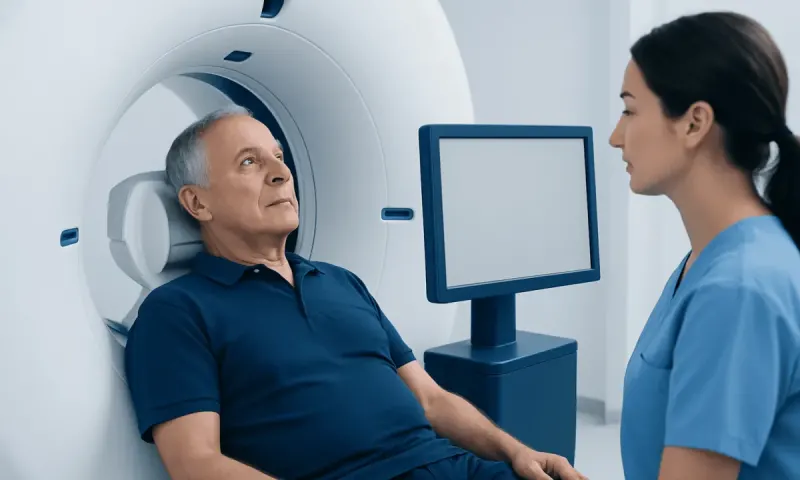
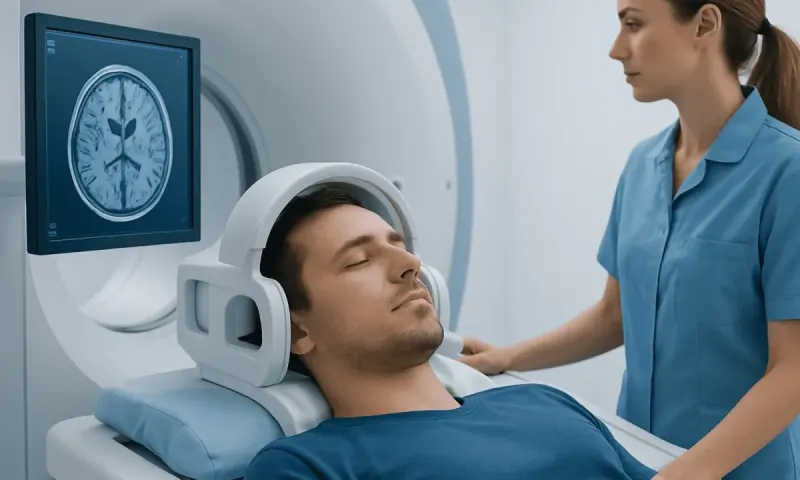
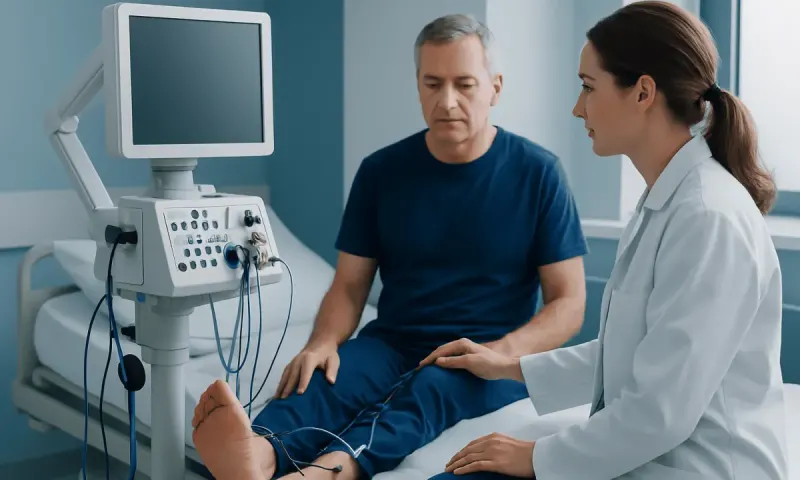
Emergency clinicians will ask about the exact symptoms, when they began, how long they lasted, medical history, and current medicines. A neurological examination is performed, even when symptoms have resolved. Blood tests, an electrocardiogram (ECG), and brain imaging such as CT or MRI may be used to rule out bleeding, identify a recent stroke, and assess other possible causes.
Tests of the head and neck arteries, such as ultrasound, CT angiography, or MR angiography, may identify narrowing or blockage. Heart monitoring can detect atrial fibrillation or other rhythm problems, and an echocardiogram may be appropriate for some people. The testing plan depends on the individual’s symptoms and medical history.
Treatment is tailored to the cause. It may include antiplatelet medication for many people with TIA, anticoagulant medication when atrial fibrillation is present, and treatment for high blood pressure, cholesterol, or diabetes. Selected people with significant carotid artery narrowing may benefit from a vascular procedure. Stroke specialists can also assess whether symptoms could be related to conditions such as stroke or another neurological disorder.
Acıbadem Health Point’s multidisciplinary specialists and JCI-accredited hospitals diagnose and treat stroke-related conditions for international patients, with care plans based on the person’s clinical findings and risk factors.
Can Your Brain Fully Recover From a Mini Stroke?
Many people fully recover from the symptoms of a TIA because the interruption in blood flow is brief and does not result in lasting brain tissue injury. However, “full recovery” should not mean returning to usual life without medical follow-up. A TIA remains evidence that the brain’s blood supply was temporarily compromised.
Some people notice temporary tiredness, anxiety, trouble concentrating, or reduced confidence after an episode, even when the neurological examination is normal. These concerns are valid and should be discussed with a doctor. They may be related to the event itself, emotional stress, sleep problems, medication effects, or another health issue requiring attention.
Recovery also includes reducing the risk of another TIA or stroke. Taking medicines as prescribed, attending follow-up appointments, and addressing vascular risk factors can have an important role in protecting long-term brain health.
What Should You Avoid If You Had a Mini Stroke?
After a mini stroke, people should avoid delaying follow-up care or stopping prescribed medication without speaking to their clinician. They should also avoid smoking and nicotine products, as these damage blood vessels and increase stroke risk. Heavy alcohol intake and recreational drugs, particularly stimulants, can also raise cardiovascular and stroke risk.
It is sensible to avoid driving until a doctor has advised that it is safe and local regulations have been considered. This is particularly important if there were visual symptoms, weakness, confusion, seizures, or ongoing dizziness. People should also avoid self-treating new neurological symptoms with rest or over-the-counter medicine; recurrent symptoms need emergency evaluation.
Long-term prevention does not require extreme restrictions. It generally involves a balanced eating pattern, regular activity approved by the care team, healthy sleep, and careful control of blood pressure, cholesterol, blood sugar, and heart rhythm. A clinician can provide advice that accounts for other conditions and medicines.
When to Seek Medical Care
Seek emergency medical care immediately for any possible stroke or TIA symptom, even if it lasts only a few minutes. Call local emergency services for sudden face, arm, or leg weakness; speech or comprehension problems; vision loss; severe imbalance; or a sudden severe headache with neurological symptoms. Note the time symptoms began or the last time the person was known to be well.
After a confirmed or suspected TIA, prompt specialist follow-up is essential. People should seek urgent medical advice if symptoms return, if they develop new weakness or speech difficulty, or if they have medication side effects that make it difficult to follow the treatment plan.
Family members and friends can help by learning the warning signs, encouraging emergency evaluation, and supporting healthy changes. Fast action is appropriate and reassuring: it gives the clinical team the best opportunity to identify the cause and prevent a future stroke.
Frequently asked questions
01What is the life expectancy after a mini stroke?
Life expectancy after a mini stroke varies widely and depends on age, overall health, the cause of the TIA, and how well stroke risk factors are controlled. A TIA itself does not usually cause permanent brain damage, but it signals an increased risk of future stroke and cardiovascular disease. Prompt assessment and ongoing preventive care can meaningfully improve long-term outlook.
02How long do little stroke symptoms last?
TIA symptoms commonly last minutes and may last up to several hours, but they resolve completely by definition. There is no safe duration to wait at home, because a stroke can begin with symptoms that seem mild or temporary. Emergency assessment is needed as soon as symptoms appear.
03Can a mini stroke happen without warning?
Yes. Symptoms typically begin suddenly, without a gradual buildup. Some people have no warning signs before a TIA, which is why knowing FAST symptoms and seeking emergency help quickly is important.
04Can stress cause a little stroke?
Stress alone is not usually considered a direct cause of TIA, but long-term stress may contribute to factors such as high blood pressure, poor sleep, smoking, inactivity, or unhealthy eating. It is important not to assume sudden neurological symptoms are stress-related. They require urgent medical assessment.
05What tests are done after a mini stroke?
Testing may include brain imaging, blood tests, an ECG, heart rhythm monitoring, and imaging of the arteries in the neck and brain. The aim is to identify whether a clot, narrowed artery, heart rhythm disorder, or another condition may have caused the episode. The exact tests depend on the person’s symptoms and risk factors.
06Can a TIA happen more than once?
Yes, a person can have more than one TIA. Recurrent episodes may indicate an ongoing problem with blood flow or clot formation and should be treated as emergencies. Regular follow-up and adherence to the prevention plan are important after any TIA.
This article is for general information only and is not a substitute for professional medical advice. Please consult a qualified doctor about your individual situation.
Explore treatments in Turkey — costs, top hospitals & a free quote
JCI-accredited · board-certified surgeons · reply within 24h
Add us as a Preferred Source to see more of our trusted health content across Google Search, AI Overviews and Discover.