Light Glycolic Peel Benefits, Recovery and Care
A light glycolic peel is a superficial chemical peel that uses glycolic acid to remove part of the outermost layer of skin. It can help brighten dull skin, smooth rough texture and improve mild discoloration or acne, usually with little downtime when performed appropriately.
What Is a Light Glycolic Peel?
A light glycolic peel is a cosmetic skin procedure that applies a carefully selected concentration of glycolic acid to the skin for a limited time. Glycolic acid is an alpha hydroxy acid (AHA), commonly derived from sugar cane. Because its molecules are small, it can loosen bonds between dead cells in the skin’s outer layer and encourage more even shedding.
Unlike medium or deep chemical peels, a light glycolic peel is designed to act superficially. It does not remove deeper layers of skin and generally involves limited recovery time. The procedure may be used on the face and, in selected cases, areas such as the neck, chest, hands or back.
The aim is skin renewal rather than dramatic resurfacing. A clinician adjusts the approach according to the person’s skin type, current skin condition, previous procedures and goals. This assessment is especially important for people prone to post-inflammatory hyperpigmentation, where irritation can leave darker marks.
What Can a Glycolic Peel Help Improve?
By improving the shedding of surface skin cells, a light glycolic peel may make the skin look smoother and brighter. It may be considered for dullness, uneven texture, superficial dark spots, mild sun-related changes, fine surface lines and clogged pores. It can also be part of a broader plan for mild acne or acne-related marks.
Benefits vary from person to person. A peel may reduce the appearance of uneven tone or roughness, but it is not a treatment for deep wrinkles, significant scarring, loose skin, melasma in every case, or active inflammatory skin disease. Some concerns need a different or combined approach.
For example, people with acne may benefit from a dermatology assessment to identify the type and severity of the condition before choosing cosmetic procedures. A peel can be an adjunct to medical acne care, but it does not replace appropriate treatment for acne.
- Brighter-looking, less dull skin
- Smoother surface texture
- More even-looking skin tone
- Less visible congestion or blackheads in some people
- Subtle improvement in very fine lines over a course of treatment
How the Procedure Is Performed

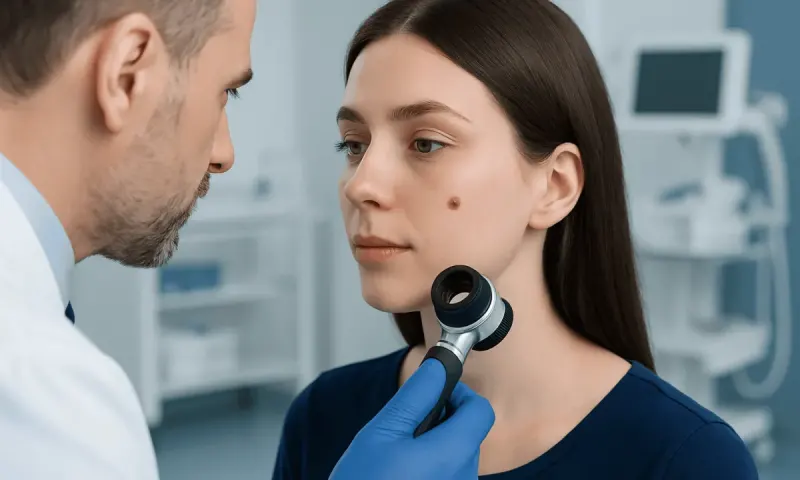
Before a light glycolic peel, a dermatologist or trained skin-care clinician reviews medical history, allergies, medications, recent procedures and the person’s usual skin-care products. They also examine the skin for signs of irritation, infection, eczema, active acne lesions or impaired healing. A patch test may be appropriate in selected situations.
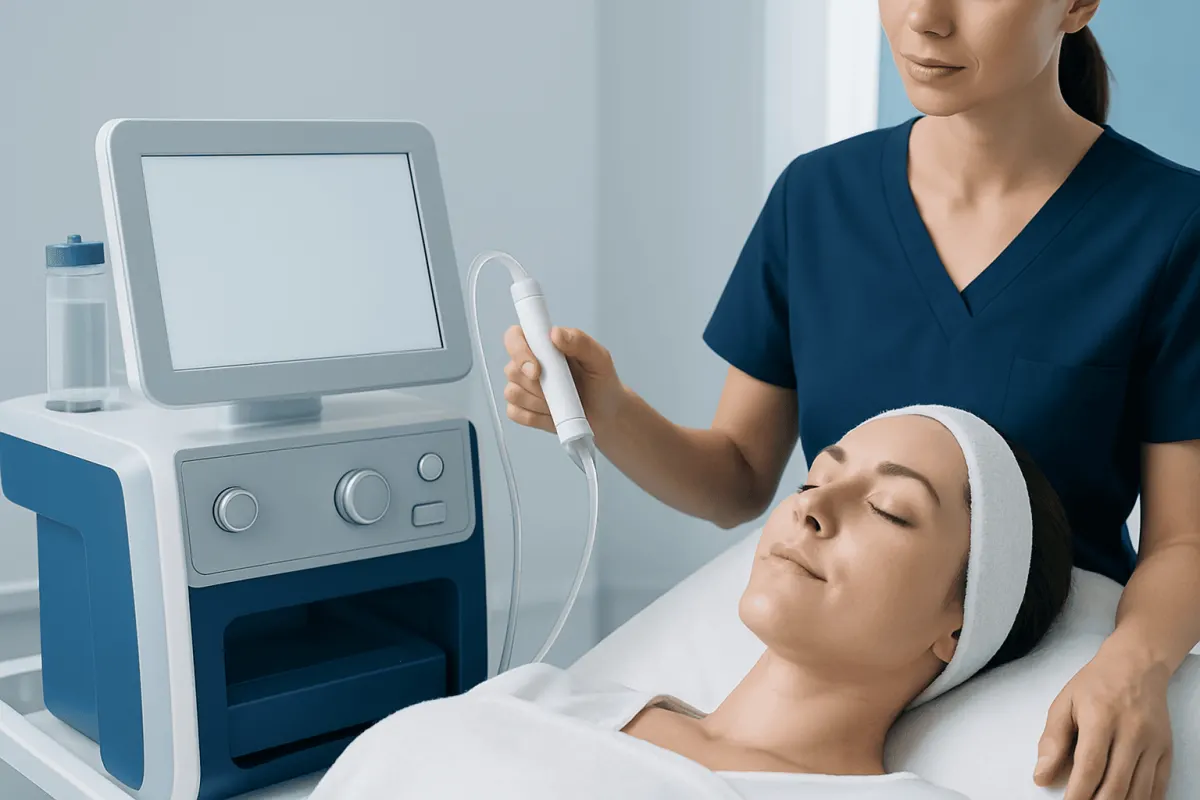
On the day, the skin is cleansed and protected areas such as the eyes and lips are avoided. The glycolic solution is then applied evenly for a controlled period. A temporary tingling, warmth or mild stinging sensation can occur. The clinician monitors the skin throughout and neutralizes or removes the solution as needed.
The appointment is often relatively short, although preparation and post-procedure instructions take additional time. The skin may look pink afterward, and the clinician may apply soothing products and sunscreen. A light peel should not be confused with at-home exfoliating products: professional treatment allows concentration, contact time and skin response to be managed more safely.
Recovery: What to Expect After a Light Glycolic Peel
Recovery after a light glycolic peel is usually straightforward. In the first day or two, the skin may feel warm, tight, dry or mildly sensitive. Redness is common, particularly in people with sensitive skin. Fine flaking or light peeling may begin over the next several days, though not everyone visibly peels.
During this period, gentle care helps protect the skin barrier. Use a mild cleanser, a simple fragrance-free moisturizer if tolerated, and broad-spectrum sunscreen with SPF 30 or higher. Sun protection is essential because newly exfoliated skin can be more vulnerable to sunburn and pigment changes.
It is important not to pick, scrub or pull at flaking skin. For several days, clinicians often advise pausing exfoliating acids, retinoids, benzoyl peroxide, abrasive scrubs, waxing and other potentially irritating products. The exact timing depends on the peel and the individual’s skin response, so the treating clinician’s instructions should take priority.
Makeup may be acceptable after the skin has settled, but heavy or irritating products should be avoided if they cause burning or worsening redness. Swimming pools, saunas, steam rooms and intense exercise may also be best postponed briefly when the skin is still sensitive.
Results, Treatment Frequency and Limitations
Some people notice a fresher appearance and smoother feel within several days, once temporary redness and dryness have settled. However, results from a light glycolic peel are usually subtle and build gradually. Repeated treatments, spaced according to professional advice, may be recommended to address persistent texture changes, mild discoloration or congestion.
How long results last depends on the underlying concern, skin-care routine, sun exposure, hormones and other factors. Daily sunscreen, gentle cleansing and suitable home skin care can help maintain improvement. New sun damage, acne breakouts and normal skin aging can still occur after a peel.
A light glycolic peel is not intended to create the more pronounced resurfacing possible with stronger chemical peels, laser procedures or other interventions. People seeking treatment for deeper acne scars, deeper wrinkles or substantial pigment changes should discuss options with a dermatologist. In some cases, chemical peel treatment of a different depth or another procedure may be more suitable.
Who Should Postpone or Avoid a Peel?
A professional assessment is important because not every person or skin concern is suitable for a glycolic peel at a particular time. Treatment may need to be postponed if there is active sunburn, open skin, a bacterial or viral skin infection, a cold sore outbreak near the treatment area, severe irritation, or a flare of eczema, rosacea or dermatitis.
People who develop dark marks after inflammation, have darker skin tones, have a history of keloid scarring, or are using prescription skin medicines should discuss their risk and treatment plan carefully. Certain topical and oral medicines can affect skin sensitivity or healing. A clinician may ask a person to stop specific products before the procedure; medications should never be stopped without medical advice.
Pregnancy and breastfeeding are also appropriate times to seek individualized guidance. Although superficial skin treatments may sometimes be considered, the evidence and product choices vary. A qualified clinician can help weigh potential benefits, alternatives and precautions.
When to Seek Medical Care
Mild redness, dryness, tightness and fine peeling can be expected after a light glycolic peel. However, medical advice should be sought promptly if there is severe or increasing pain, marked swelling, blistering, extensive crusting, pus, fever, spreading redness, or a rash that is worsening rather than settling.
A person should also contact the treating clinician if redness or sensitivity persists longer than expected, if skin color changes become noticeable, or if there are signs of a cold sore outbreak. Early assessment can help identify irritation, infection or an inflammatory reaction and guide appropriate care.
Acıbadem Health Point’s multidisciplinary specialists and JCI-accredited hospitals can assess skin concerns and discuss suitable treatment options for international patients. A consultation with a dermatologist is particularly helpful when symptoms are recurrent, when the diagnosis is uncertain, or when a person has a history of pigment changes after skin procedures.
Preparing for a Safer, More Comfortable Treatment
Preparation begins with an honest discussion of skin history and expectations. Before treatment, patients should tell the clinician about allergies, previous peels or laser procedures, cold sores, scarring, pigment changes, current products and all medicines or supplements. Arriving without fresh sunburn, self-tanner or skin irritation can make assessment more reliable.
In the days before a peel, the clinician may recommend simplifying the skin-care routine and avoiding hair removal, scrubs and strong active ingredients in the planned treatment area. A person should not start or stop prescription treatment independently. Sun avoidance and regular sunscreen use are useful before and after the procedure.
Choosing a qualified professional and following individualized aftercare are central to safety. A light glycolic peel can be a useful option for selected superficial skin concerns, but the best results come from matching the treatment to the person’s skin needs rather than using a one-size-fits-all approach.
Frequently asked questions
01Does a light glycolic peel hurt?
Most people experience temporary tingling, warmth or mild stinging while the solution is on the skin. The sensation should be monitored by the clinician and usually settles quickly after the peel is neutralized or removed. Significant pain is not expected and should be reported immediately.
02How long does peeling last after a glycolic peel?
Fine flaking or light peeling often occurs for a few days, although some people do not visibly peel. The timing and degree of peeling depend on the formulation, contact time, skin sensitivity and home care. Do not pull off flakes, as this may increase irritation or discoloration.
03Can a glycolic peel remove dark spots?
A light glycolic peel may improve the appearance of some superficial uneven pigmentation over time. It may not fully remove dark spots, and pigment concerns such as melasma require careful assessment because irritation can sometimes worsen discoloration. Consistent sun protection is essential.
04Can people with sensitive skin have a light glycolic peel?
Some people with sensitive skin can have a superficial peel, but they need an individualized assessment and cautious approach. Active eczema, rosacea, dermatitis or skin irritation may mean treatment should be delayed. A clinician can recommend alternatives if a glycolic peel is not appropriate.
05How soon can normal skin-care products be used again?
This depends on the peel and how the skin is healing. In general, gentle cleanser, moisturizer and sunscreen are used first, while exfoliating acids, retinoids and abrasive products are paused until the clinician says they can be restarted. Restarting strong products too soon can cause irritation.
06Is a light glycolic peel safe for acne-prone skin?
It can be suitable for some people with mild acne, clogged pores or post-acne marks, but active inflamed acne requires individualized care. A peel should be performed only after the skin has been assessed and with an appropriate treatment plan. It should not replace medical treatment for moderate or severe acne.
This article is for general information only and is not a substitute for professional medical advice. Please consult a qualified doctor about your individual situation.
Explore treatments in Turkey — costs, top hospitals & a free quote
JCI-accredited · board-certified surgeons · reply within 24h
Add us as a Preferred Source to see more of our trusted health content across Google Search, AI Overviews and Discover.