Legs Hips Ache Explained: Common Triggers and Red Flags
Legs and hips may ache after overuse, prolonged sitting, muscle tension, or changes in joint health. Because pain can also come from nerves, the lower back, blood vessels, or other medical conditions, the location, timing, and accompanying symptoms can help guide the next step.
Overview: why the legs and hips may ache
Legs hips ache can develop when the muscles, joints, tendons, nerves, or blood vessels in and around the pelvis and lower limbs are irritated or under strain. A temporary ache after an unfamiliar workout, a long walk, lifting, or sitting in one position is common and often improves with rest, gradual movement, and time. However, pain may also begin in the lower back or hip and travel into the thigh, knee, calf, or foot, making the original source difficult to identify without an assessment.
The pattern of symptoms matters. Pain felt mainly in the groin or outer hip may be related to the hip joint or nearby soft tissues, whereas pain that shoots down the back or side of the leg may point to nerve irritation. Aching in both legs after standing for a long time can have different causes from sudden pain in one leg. Looking at when symptoms started, what makes them better or worse, and whether there is swelling, weakness, numbness, or fever helps a clinician narrow down the possibilities.
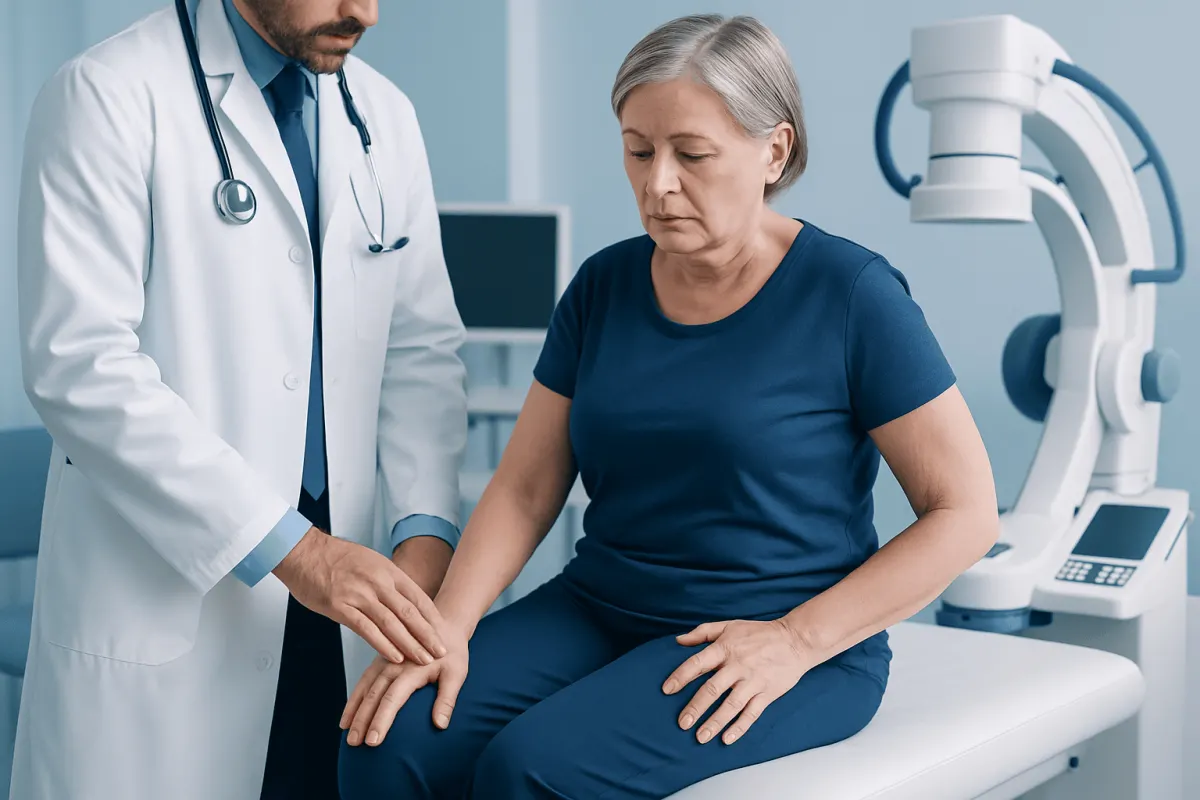
Most cases are not emergencies, but persistent pain should not simply be accepted as part of daily life. A medical professional can assess mobility, joint movement, strength, circulation, and nerve function, then recommend appropriate self-care, rehabilitation, testing, or treatment.
How the pain pattern can offer clues
Mechanical pain is commonly linked to movement, posture, or load. It may be worse after climbing stairs, running, squatting, carrying heavy items, or getting up after prolonged sitting. Muscle soreness often feels diffuse or tender to touch and can follow new or intense activity. Tendon or bursa irritation around the outer hip may cause pain when lying on that side, walking, or standing on one leg.
Joint-related discomfort may cause stiffness after rest, reduced range of motion, a deep ache in the groin or buttock, or difficulty putting on socks and shoes. Osteoarthritis becomes more common with age but can affect adults of different ages, particularly after joint injury or with certain structural differences. Pain from the sacroiliac joints, which connect the spine and pelvis, may be felt in the buttock, lower back, hip, or upper leg.
Nerve-related pain can feel burning, electric, tingling, or sharp rather than simply aching. It may travel below the knee and be accompanied by numbness or weakness. Lower-back conditions, including a disc problem or spinal narrowing, can irritate nerve roots and produce symptoms often described as sciatica. In contrast, heaviness, cramping, or fatigue in the legs that occurs predictably while walking and improves with rest can sometimes suggest a circulation-related cause and needs medical evaluation.
Common triggers and contributing factors

Everyday triggers are frequent causes of aching hips and legs. These include increasing exercise too quickly, walking or standing for extended periods, working in an awkward position, poor recovery after activity, and long periods of inactivity such as travel or desk work. Tight or weak muscles around the hips, abdomen, and thighs can alter movement patterns and place added stress on the lower back, knees, and hip joints.
Body mechanics and previous injuries may also contribute. A past fall, sports injury, fracture, or surgery can affect strength and movement long after the original injury has healed. Footwear that does not provide suitable support, an uneven walking surface, or a noticeable difference in leg length may worsen symptoms in some people. Pregnancy can also change posture and place additional strain on the pelvis, hips, and lower back.
Several health conditions can produce similar symptoms. Osteoarthritis, inflammatory arthritis, osteoporosis-related fractures, hip impingement, and tendon disorders are examples of musculoskeletal causes. Diabetes, thyroid disorders, vitamin deficiencies, and some medicines can contribute to muscle symptoms or nerve problems. Less commonly, infection, inflammatory disease, blood clots, or reduced arterial blood flow may be involved. This range of possibilities is why new, severe, unexplained, or persistent pain should be discussed with a qualified doctor.
What may happen during medical evaluation
A clinician will usually begin by asking about the location and character of pain, when it began, recent activity or injuries, and any symptoms such as back pain, fever, swelling, numbness, weakness, or changes in bladder or bowel control. They may also ask about medical conditions, regular medicines, family history, travel, smoking, and work or sports activities. These details help distinguish a local muscle or joint problem from pain referred from the spine or another body system.
The physical examination may include observing how the person walks, checking hip and back movement, gently pressing tender areas, and testing muscle power, sensation, reflexes, and pulses in the feet. The clinician may compare both legs for swelling, skin color, temperature, or changes in circumference. This assessment can often identify a likely cause without immediate imaging.
Tests are selected according to the findings rather than routinely ordered for every ache. An X-ray can assess bones and joint changes, while ultrasound may help evaluate soft tissues or blood flow. MRI may be considered when there are ongoing symptoms, suspected nerve compression, or concern about structures that are not well shown on an X-ray. Blood tests may be useful if inflammation, infection, metabolic conditions, or nutritional issues are possible.
Treatment and symptom relief options
Treatment depends on the underlying cause and the person’s overall health. For a straightforward overuse injury, relative rest from the aggravating activity, followed by a gradual return to movement, is often helpful. Complete bed rest is generally not advised for most uncomplicated back, hip, and leg pain because gentle activity can support mobility and reduce stiffness. Applying heat or cold may provide short-term comfort for some people, depending on what feels best.
Targeted physiotherapy can improve flexibility, strength, balance, posture, and movement habits. A program may focus on the hip muscles, core, thighs, and lower back, while avoiding exercises that sharply increase pain. A clinician or pharmacist can advise whether over-the-counter pain relief is appropriate, taking into account allergies, stomach, kidney, heart, liver, pregnancy, and other health considerations. Medication should be used as directed and should not replace evaluation of worsening symptoms.
When a joint condition, nerve problem, inflammatory illness, or vascular disorder is diagnosed, treatment may involve a more specific plan. This can include rehabilitation, prescription medicines, injections in selected situations, or referral to an orthopedic, neurology, rheumatology, vascular, or pain specialist. Surgery is not needed for most people with hip and leg aches, but may be considered for certain structural injuries or advanced joint disease when non-surgical measures have not provided sufficient benefit.
Daily habits that may reduce recurring aches
Small, sustainable adjustments can reduce strain on the hips and legs. Regular low-impact activity, such as walking, swimming, cycling, or clinician-guided exercise, can support joint movement and muscle strength. The best activity is one that can be increased gradually without causing a prolonged flare of symptoms. Warming up before exercise and allowing recovery time after a new activity may help prevent overuse.
Breaking up long periods of sitting or standing is also useful. During travel or desk work, changing position regularly and taking brief walking breaks can help maintain circulation and reduce stiffness. Attention to posture, ergonomic workstation setup, safe lifting technique, and footwear appropriate for the activity may be beneficial. People with a known condition should follow the specific activity advice provided by their care team.
A balanced diet, adequate hydration, sleep, and avoiding tobacco all support general musculoskeletal and vascular health. Weight management may reduce load on the hips, knees, and feet for some individuals, but it should be approached gradually and without blame. If pain repeatedly limits sleep, work, walking, or enjoyable activities, seeking advice early can help prevent a temporary problem from becoming more persistent.
When to seek medical care
Medical advice is appropriate when legs hips ache lasts longer than a few weeks, keeps returning, follows an injury, or interferes with walking, sleep, work, or daily activities. An appointment should also be arranged for unexplained pain at rest, progressive stiffness, limping, or pain that does not improve despite a reasonable period of gentle self-care. People with osteoporosis, cancer history, immune suppression, or significant chronic health conditions should seek assessment sooner if new bone, hip, or leg pain develops.
Urgent medical evaluation is important for sudden severe pain after a fall or injury, inability to bear weight, a visibly deformed hip or leg, or new severe weakness. Prompt care is also needed for one-sided leg swelling, warmth, redness, and tenderness, particularly after surgery, prolonged immobility, or long-distance travel. A leg that becomes cold, pale, blue, or markedly painful requires emergency assessment because blood flow may be affected.
Emergency care is also needed for back or leg pain with new loss of bladder or bowel control, numbness around the genitals or buttocks, fever with severe pain, or rapidly worsening weakness. Acıbadem Health Point’s multidisciplinary specialists and JCI-accredited hospitals can assess hip, leg, spine, nerve, and vascular symptoms for international patients when specialist care is needed.
Frequently asked questions
01Why do my legs and hips ache at the same time?
The hips, lower back, pelvis, and legs work together, so pain in one area can be felt in another. Common explanations include muscle strain, joint irritation, changes in the lower back, and nerve irritation. A clinical assessment can help determine whether the pain begins in the hip, spine, muscles, or circulation.
02Can sitting too long cause aching hips and legs?
Yes. Prolonged sitting can lead to stiffness in the hip flexors, reduced movement of the lower back and hips, and temporary leg discomfort. Regular position changes, short walking breaks, and an ergonomic sitting setup may help, but persistent pain should be assessed.
03Is hip and leg pain always caused by sciatica?
No. Sciatica is one possible cause, but it usually involves pain that travels from the lower back or buttock down the leg and may include tingling, numbness, or weakness. Hip joint conditions, muscle injuries, tendon problems, and circulation issues can cause similar discomfort.
04What is the difference between muscle soreness and a more serious problem?
Muscle soreness often follows unfamiliar or strenuous activity, affects a broad area, and improves over several days. More concerning features include severe pain, inability to bear weight, one-sided swelling, fever, numbness, weakness, or symptoms that continue to worsen. These signs should be evaluated promptly.
05Should a person exercise when their legs and hips ache?
Gentle movement is often helpful for mild, uncomplicated aches, while activities that clearly worsen pain should be reduced temporarily. High-impact exercise or heavy lifting may need to be paused until symptoms settle. A doctor or physiotherapist can recommend safe activity when pain is persistent, severe, or linked to an injury.
06When is leg pain a possible circulation emergency?
Sudden one-sided swelling, redness, warmth, and tenderness can indicate a blood clot and requires urgent medical assessment. A cold, pale, blue, numb, or severely painful leg can indicate reduced blood flow and is also an emergency. These symptoms should not be managed with home care alone.
This article is for general information only and is not a substitute for professional medical advice. Please consult a qualified doctor about your individual situation.
Joint and spine care in Turkey — expert assessment & treatment
JCI-accredited · board-certified surgeons · reply within 24h
Add us as a Preferred Source to see more of our trusted health content across Google Search, AI Overviews and Discover.