Leg Cramps at Night: Causes and Treatment

Key Takeaways
- Night leg cramps are sudden muscle tightenings, most often in the calf, foot, or thigh.
- Common triggers include muscle fatigue, dehydration, pregnancy, certain medicines, and some medical conditions.
- Gentle stretching, hydration, and light activity may help reduce episodes for many people.
- Frequent, severe, or one-sided cramps may need medical evaluation to rule out other causes.
- Treatment focuses on the underlying reason, plus practical steps to improve sleep and muscle comfort.
Leg cramps at night are sudden, painful muscle contractions that often wake people from sleep. They are usually not dangerous, but recurring cramps can affect rest and may point to an underlying issue that deserves medical attention.
Overview
Leg cramps at night are involuntary muscle contractions that can arrive without warning, often during the transition between sleep stages or while a person is resting. The muscle may feel hard, shortened, and intensely painful for a few seconds to several minutes. After the cramp eases, the area can remain tender for a while, which is why a single episode may affect the rest of the night.
Most nocturnal leg cramps involve the calf, but the feet and thighs can also be affected. They are common enough to disturb sleep in otherwise healthy adults, and they can be especially frustrating for people who travel, change time zones, or spend long hours on their feet. In most cases, the goal is not only to stop the cramp itself, but also to understand what may be making the muscles more likely to contract.
For international patients, this symptom often becomes noticeable when routines change: long flights, less movement, unfamiliar bedding, or a new exercise pattern can all make nighttime cramps seem more frequent. A careful review of habits, medicines, and health conditions usually helps clarify whether the cramps are a temporary nuisance or a sign of something that should be checked more closely.
Symptoms
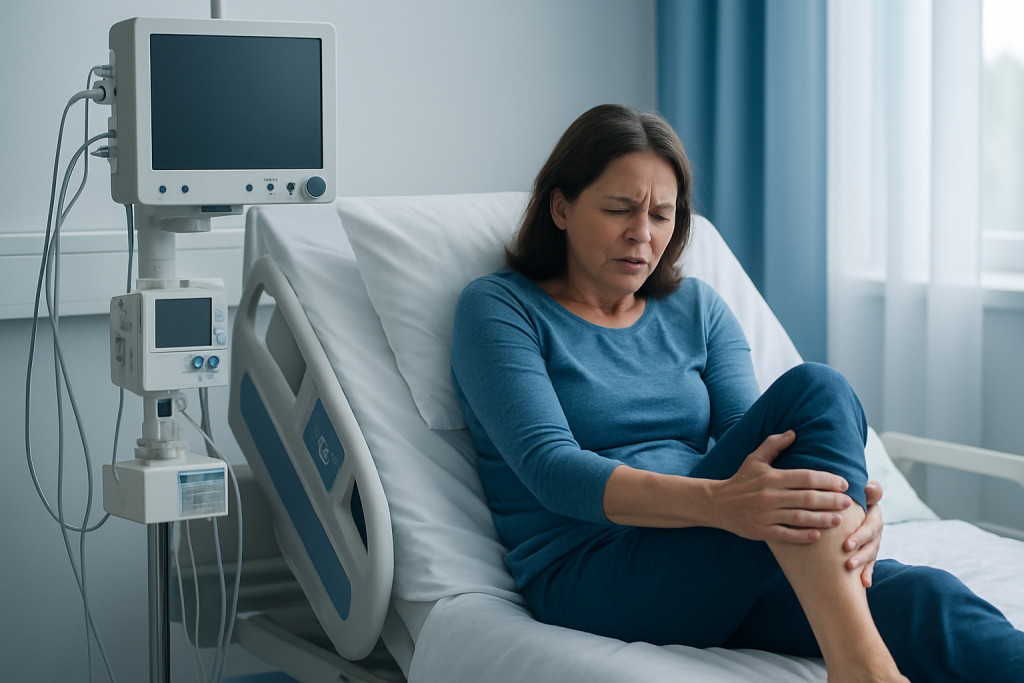
The hallmark symptom is a sudden, painful tightening of a leg muscle during sleep or at rest. The muscle may feel visibly firm or pulled into a bent position, and it can be hard to relax the leg until the spasm passes. Many people describe a cramp as coming on abruptly, often waking them fully and making it difficult to fall back asleep right away.
Common features include:
- Pain in the calf, foot, or thigh
- A hard or knotted feeling in the muscle
- Temporary difficulty standing or walking after the episode
- Residual soreness or tenderness
- Sleep disruption and fatigue the next day
It is helpful to distinguish leg cramps from other nighttime leg symptoms. Restless legs syndrome usually causes an urge to move the legs rather than a painful muscle knot. Numbness, swelling, redness, or persistent weakness are not typical cramp features and may suggest a different problem that should be evaluated.
Causes & Risk Factors

No single cause explains every night leg cramp. In many people, the muscles are simply more irritable at certain times, especially after exertion, dehydration, or prolonged positioning. A long day of walking, standing, or exercising can leave the calf muscles tired and more prone to tightening during the night.
Several factors are commonly linked with nocturnal cramps:
- Muscle fatigue or overuse
- Dehydration or low fluid intake
- Pregnancy, particularly later stages
- Long periods of sitting or sleeping with the toes pointed downward
- Certain medicines, including some diuretics and other treatments
- Medical conditions that affect nerves, circulation, or metabolism
Age can also play a role, as night leg cramps become more common in older adults. In some people, the issue is related to a mix of minor contributing factors rather than one clear diagnosis. A clinician may ask about exercise habits, sleep position, recent travel, fluid intake, and any new medicines, because the pattern often offers useful clues.
Diagnosis
Diagnosis usually begins with a conversation. A doctor will ask where the cramps occur, how often they happen, how long they last, and whether anything seems to bring them on or relieve them. This history is often enough to identify typical nocturnal leg cramps, especially when the symptoms are brief, painful, and isolated to the muscles.
A physical examination may look for signs that suggest another cause, such as swelling, reduced pulses, nerve changes, weakness, or joint problems. If the story is not straightforward, or if the cramps are frequent and persistent, testing may be considered to look for contributing conditions such as electrolyte imbalance, thyroid disease, kidney problems, diabetes, or medication effects.
Imaging is not usually needed for ordinary night cramps. When doctors do recommend further evaluation, it is generally because the symptoms are unusual, one-sided, or associated with other findings. The aim is to rule out more serious conditions without overtesting a symptom that is often benign.
Treatment Options
Treatment depends on what is driving the cramps. If an underlying medical condition or medicine is involved, addressing that cause is often the most effective step. For many people, though, the first-line approach is practical: stretching, correcting contributing habits, and improving sleep-related muscle comfort.
During a cramp, gentle calf stretching can help the muscle relax. Pulling the toes upward toward the shin, standing and placing weight on the affected leg, or walking a few steps may ease the spasm. Some people find a warm compress helpful after the pain settles, while others prefer a brief massage to reduce lingering tightness.
For recurrent cramps, clinicians may suggest a broader plan that can include:
- Reviewing medicines that may be contributing
- Improving hydration and regular movement
- Stretching before bed, especially after exercise
- Managing conditions such as diabetes or nerve disorders
- Using supportive sleep habits to reduce prolonged muscle shortening
Medication is not usually the first choice for uncomplicated nocturnal leg cramps. When it is considered, it should be guided by a qualified clinician who can weigh possible benefits against side effects and interactions. People should avoid starting supplements or treatments on their own without medical advice, especially if they take regular medicines or have chronic illness.
Prevention & Self-care
Simple daily habits often make a noticeable difference. A consistent stretching routine for the calves, hamstrings, and feet can reduce muscle tightness, particularly when done before bed. Many people also benefit from keeping a water bottle nearby, especially after exercise, during hot weather, or while traveling.
Other self-care measures may include:
- Keeping a regular walking or stretching routine
- Avoiding long periods of immobility when possible
- Choosing comfortable sleeping positions that do not point the toes downward for long periods
- Wearing supportive footwear during the day
- Paying attention to recent activity changes, such as more exercise than usual
For travelers, small adjustments can help keep symptoms calmer on the road. Getting up to move on long flights, stretching the calves during layovers, and staying mindful of hydration are practical steps. If cramps begin after a new medication, recent illness, or a change in activity, it is sensible to note the timing and discuss it with a doctor.
When to See a Doctor
Leg cramps at night are often harmless, but medical advice is appropriate when they are frequent, severe, or disruptive enough to affect sleep and daily energy. A clinician can help identify whether the cramps are part of a larger picture such as circulation issues, nerve irritation, medication side effects, or an underlying metabolic problem.
It is especially important to seek evaluation if the cramps come with swelling, redness, warmth, persistent weakness, numbness, pain in only one leg, or trouble walking. A medical review is also wise if symptoms begin after a new medication is started, if cramps are happening almost every night, or if a person has diabetes, kidney disease, pregnancy-related concerns, or other chronic conditions.
International patients who are planning evaluation abroad may find it useful to bring a list of medicines, prior test results, and a short symptom diary noting when cramps occur and what seems to help. Acibadem Health Point can support patients with multidisciplinary specialists and JCI-accredited hospitals for diagnosis and treatment planning, including coordinated follow-up after the visit.
Frequently asked questions
01Why do leg cramps happen more often at night?
Nighttime cramps are often linked to muscle fatigue, sleep position, or reduced movement during rest. In some people, hydration, medicines, or an underlying health condition may also contribute. The exact reason is not always clear, which is why a pattern of repeated cramps is worth discussing with a doctor.
02What should someone do during a leg cramp?
Gentle stretching of the affected muscle is often the most helpful first step. Straightening the leg, pulling the toes upward, or walking a few steps may reduce the spasm. After the cramp passes, a warm compress or light massage may ease soreness.
03Are nocturnal leg cramps the same as restless legs syndrome?
No, they are different conditions. Leg cramps are painful muscle contractions, while restless legs syndrome usually causes an uncomfortable urge to move the legs, especially at night. A doctor can help tell them apart if the symptoms are unclear.
04Can dehydration cause night leg cramps?
Dehydration can be one contributing factor, although it is not the only possible cause. Drinking enough fluids during the day may help some people, especially after exercise, heat exposure, or travel. If cramps keep happening, hydration alone may not fully solve the problem.
05Do supplements help with leg cramps at night?
Some people try supplements, but they are not automatically helpful and may not be suitable for everyone. Because the cause of cramps varies, it is better to ask a doctor before starting anything new, especially if the person takes other medicines or has kidney, heart, or metabolic conditions.
06When are leg cramps at night a concern?
They deserve medical review when they are frequent, severe, one-sided, or paired with swelling, numbness, weakness, or redness. Cramps that begin after a new medicine or alongside other health changes should also be checked. The goal is to make sure a treatable cause is not being missed.
This article is for general information only and is not a substitute for professional medical advice. Please consult a qualified doctor about your individual situation.
Explore treatments in Turkey — costs, top hospitals & a free quote
JCI-accredited · board-certified surgeons · reply within 24h
Add us as a Preferred Source to see more of our trusted health content across Google Search, AI Overviews and Discover.