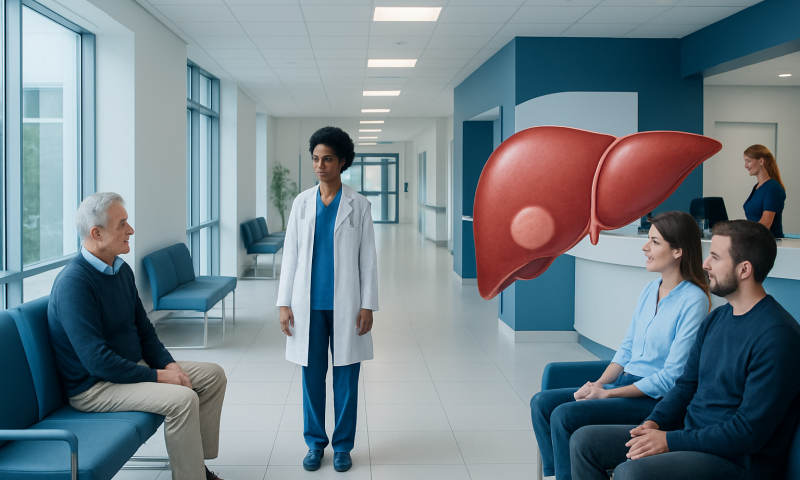
Left Side by Ribs Hurt: What You Need to Know

Key Takeaways
- Pain on the left side by the ribs is a symptom, not a diagnosis, and it can come from several organs and tissues.
- Digestive causes such as gas, reflux, gastritis, or constipation are common, but muscle, lung, and spleen issues can also be involved.
- Sudden severe pain, chest pressure, breathing difficulty, fever, vomiting, black stools, or pain after injury should be assessed urgently.
- Doctors usually use a history, physical examination, and targeted tests to identify the source and rule out serious conditions.
- Home care may help mild, short-lived discomfort, but ongoing or recurrent pain deserves medical evaluation.
If the left side by the ribs hurts, the cause can range from muscle strain or gas to stomach, spleen, lung, kidney, or heart-related problems. The location, timing, and associated symptoms help guide what it may mean and whether prompt medical attention is needed.
Overview
When the left side by the ribs hurts, the first question is not only where the pain is, but what else is happening with it. That area sits near the stomach, spleen, part of the colon, the lower left lung, the rib muscles, and nerves that can all create similar discomfort. Because so many structures overlap, the same symptom can point to very different causes.
For many people, the pain is linked to something relatively minor, such as muscle strain after lifting, trapped gas, or irritation from indigestion. In other situations, the pain can signal a condition that needs prompt assessment, including inflammation, infection, an injury to the ribs or spleen, a kidney problem, or even a heart-related issue that is felt in an unusual way. That is why the pattern of pain matters as much as its location.
From a patient’s point of view, it helps to notice whether the discomfort is sharp or dull, constant or on and off, worse after meals or movement, and whether it spreads to the back, shoulder, chest, or abdomen. Those details give clinicians important clues and can shorten the path to the right diagnosis.
Symptoms and Common Patterns
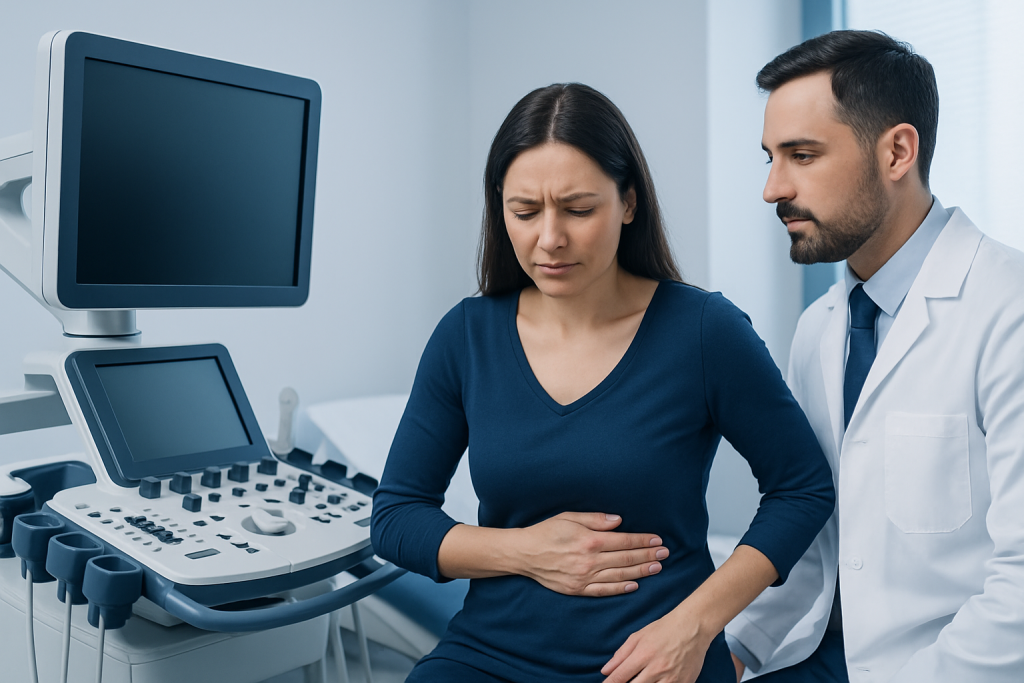
Pain under or beside the left ribs may feel tight, burning, stabbing, cramping, or like a deep ache. Some people notice it only when they twist, cough, or take a deep breath. Others feel it after eating, during stress, or alongside bloating and changes in bowel habits.
Digestive causes often come with related symptoms such as nausea, heartburn, belching, a sense of fullness, or abdominal bloating. Pain from the chest wall or muscles is more likely to become worse with movement, pressing on the area, or certain positions. Lung-related pain may worsen with breathing, coughing, or fever, while spleen-related discomfort can be linked to tenderness, fatigue, or pain after illness or trauma.
Symptoms that deserve careful attention include:
- Shortness of breath or chest pressure
- Fever, chills, or persistent cough
- Repeated vomiting or inability to keep fluids down
- Black stools, blood in stool, or vomiting blood
- Pain after a fall, blow, or sports injury
- Sudden, severe, or rapidly worsening pain
These accompanying features do not confirm a serious problem on their own, but they can raise the level of concern and help determine how quickly evaluation is needed.
Causes and Risk Factors

In gastroenterology, one of the most common explanations for pain on the left side by the ribs is a digestive problem. Gas trapped in the colon, constipation, acid reflux, gastritis, or irritation from an ulcer can all create upper abdominal discomfort that may be felt near the rib cage. Pain can also come from the spleen, which sits high on the left side of the abdomen and may become enlarged or inflamed in certain infections or blood disorders.
Not every case starts in the digestive tract. Muscle strain from exercise, repetitive work, or poor posture can irritate the intercostal muscles between the ribs. The lower left lung and the lining around it can also cause pain, especially with infection or inflammation. Kidney stones, shingles, and less commonly heart-related conditions may produce pain that is felt in this region or nearby.
Risk factors depend on the cause. Recent heavy lifting, a cough that will not settle, a blow to the area, a history of ulcers or reflux, gallstone or bowel issues, recent infection, or known spleen enlargement may all matter. Stress can also intensify gut symptoms and make pain feel more noticeable, even when the underlying issue is not dangerous.
How Doctors Diagnose It
Diagnosis begins with a careful conversation. A doctor will ask when the pain started, what it feels like, where it is located, what makes it better or worse, and whether it is linked to meals, movement, breathing, or bowel changes. Recent injury, travel, infections, medications, and past digestive problems are also important.
The physical examination usually includes checking the abdomen, ribs, lungs, and sometimes the heart. The clinician may press gently on the area to see whether the pain is reproducible, listen for bowel sounds, and assess for fever, tenderness, swelling, or signs of muscle strain. If the pain pattern suggests a non-digestive cause, the evaluation may expand beyond the abdomen.
Depending on the findings, doctors may recommend blood tests, urine tests, an electrocardiogram, chest imaging, abdominal ultrasound, or CT scanning. Endoscopy or other digestive tests may be used when reflux, ulcer disease, or another stomach-related problem is suspected. The goal is not to test everything at once, but to match the workup to the most likely and most serious possibilities.
Treatment Options
Treatment depends entirely on the cause. Mild digestive discomfort may improve with dietary changes, hydration, constipation relief, or medicines that reduce acid or settle the stomach. Muscle strain often responds to rest, heat or cold, and gradual return to normal activity. If an infection, ulcer, kidney stone, lung condition, or spleen issue is found, the treatment plan is tailored to that diagnosis.
It is important not to mask ongoing pain with repeated self-treatment if the cause is unclear. Pain relievers can sometimes irritate the stomach or affect other conditions, so a doctor or pharmacist should be asked which options are appropriate. If the pain is sudden, severe, or accompanied by red-flag symptoms, urgent medical evaluation is the safer choice than waiting for it to pass.
For patients traveling internationally for care, treatment planning may also include coordination of tests, imaging, medication review, and follow-up before returning home. When needed, multidisciplinary teams can help connect digestive evaluation with emergency, surgical, or chest-related assessment so the source of the pain is not missed.
Prevention and Self-care
Not all cases can be prevented, but some practical habits can reduce the chance of recurrent discomfort. Eating slowly, avoiding very large meals, staying hydrated, and managing constipation may ease digestive pressure under the left ribs. People who notice reflux or gas-related symptoms often benefit from identifying trigger foods and not lying down immediately after eating.
To lower the chance of muscle-related pain, it helps to use proper lifting technique, warm up before exercise, and avoid sudden overexertion. Good posture and regular movement breaks can also reduce strain on the chest wall and upper abdomen. If a cough is present, treating the underlying respiratory problem can prevent repeated pulling in the rib muscles.
Simple self-care can be reasonable for mild, short-lived discomfort, but it should be paired with observation. If the pain returns frequently, changes in character, or begins to interfere with sleep, eating, or breathing, it should be discussed with a doctor rather than managed indefinitely at home.
When to See a Doctor
Medical review is recommended when pain under the left ribs lasts more than a few days, keeps coming back, or is not clearly linked to a harmless cause such as a known muscle strain. A doctor should also evaluate pain that is associated with fever, ongoing vomiting, unexplained weight loss, constipation that is new or severe, blood in the stool, or heartburn that is becoming more frequent.
Urgent care is important for sudden severe pain, chest pressure, shortness of breath, fainting, pain after an injury, a rigid or very tender abdomen, or symptoms that suggest internal bleeding or infection. In these settings, waiting to “see if it settles” is not a good plan.
For international patients who need a coordinated workup, Acibadem Health Point’s multidisciplinary specialists and JCI-accredited hospitals diagnose and treat a wide range of conditions that can cause left-sided rib pain, with support for evaluation and follow-up during travel and recovery.
Living With Recurrent Left-Sided Rib Pain
When the symptom keeps returning, the most useful step is to look for patterns rather than guessing. A simple log of meals, activity, stress, bowel habits, coughing, and the timing of pain can help a doctor identify whether the source is digestive, muscular, or something else. Even small details, such as whether the discomfort appears after lying down or after exertion, can be meaningful.
Recurrent pain sometimes improves once the underlying problem is treated, but in other cases it remains manageable with a long-term plan. That plan may include dietary adjustments, posture changes, physical therapy, or follow-up testing, depending on the diagnosis. The goal is not just to reduce pain for one day, but to understand why it keeps returning.
With the right evaluation, left-sided rib pain is often explainable and treatable. The key is to recognize when the symptom is likely minor and when it deserves timely medical attention.
Frequently asked questions
01What does it mean when the left side by the ribs hurts?
It means one of several structures in that area may be irritated, including the stomach, colon, spleen, ribs, muscles, lung, or nerves. The exact meaning depends on the type of pain and the symptoms that come with it. A careful medical history and examination are usually needed to sort this out.
02Can gas cause pain under the left ribs?
Yes. Trapped gas in the stomach or colon can cause pressure, cramping, and bloating that may be felt under the left ribs. If the pain is recurrent or severe, it should not automatically be assumed to be gas without an evaluation.
03When is left rib pain an emergency?
It is urgent if the pain is sudden and severe, follows an injury, or comes with shortness of breath, chest pressure, fainting, fever, repeated vomiting, or black stools. These symptoms can point to problems that need prompt assessment. If there is any uncertainty, urgent medical care is the safer choice.
04Can muscle strain feel like internal pain?
Yes. Strained chest wall or intercostal muscles can feel deep and uncomfortable, and the pain may mimic pain coming from inside the abdomen. Pain that worsens with movement, coughing, or pressing on the area often suggests a muscle or rib wall source.
05What tests might a doctor order?
Depending on the suspected cause, tests may include blood work, urine testing, an ECG, chest imaging, abdominal ultrasound, CT scanning, or digestive tests such as endoscopy. Not every patient needs all of these tests. The doctor chooses based on the history and examination.
06What should someone do at home while waiting for an appointment?
If the pain is mild and there are no warning signs, resting, staying hydrated, and avoiding foods that seem to trigger symptoms may help. It is also sensible to avoid heavy lifting or intense exercise until the cause is clearer. If the pain worsens or new symptoms appear, medical care should be sought sooner.
This article is for general information only and is not a substitute for professional medical advice. Please consult a qualified doctor about your individual situation.
Persistent digestive symptoms? Get evaluated in Turkey
JCI-accredited · board-certified surgeons · reply within 24h
Add us as a Preferred Source to see more of our trusted health content across Google Search, AI Overviews and Discover.