Left-Sided Abdominal Pain: Causes and Treatment

Key Takeaways
- Left side abdominal pain has many possible causes, from gas and constipation to diverticulitis, kidney stones, or gynecologic conditions.
- The exact location, timing, and associated symptoms help doctors narrow down the cause.
- Sudden severe pain, fever, vomiting, blood in stool or urine, or fainting should be assessed promptly.
- Diagnosis may include a physical exam, blood tests, urine tests, stool tests, or imaging such as ultrasound or CT.
- Self-care can help mild discomfort, but ongoing or recurring pain should not be ignored.
Left side abdominal pain can come from the stomach, bowel, kidneys, muscles, or reproductive organs, and its meaning depends on where the pain is, how it feels, and what symptoms appear with it. Most causes are treatable, but persistent, severe, or unusual pain deserves medical evaluation.
Overview
Left side abdominal pain is a symptom, not a diagnosis. The left side of the abdomen contains several organs and structures, including part of the stomach, colon, pancreas, left kidney, and in many people the ovaries or other pelvic organs. Pain can also come from the abdominal wall or even from the chest, which is why a careful evaluation matters.
The meaning of the pain often changes with its location. Discomfort in the upper left abdomen may point toward the stomach, spleen, pancreas, or the left side of the colon, while lower left pain more often involves the colon, urinary tract, or pelvic organs. A doctor usually looks at the pain pattern together with other symptoms, travel history, diet changes, and recent illnesses.
For international patients, the practical question is often not only what is causing it? but also how quickly should it be checked? That depends on severity, duration, and related warning signs. Mild, short-lived discomfort may settle with rest, while persistent or worsening pain should be assessed by a clinician familiar with gastrointestinal and abdominal conditions.
Symptoms
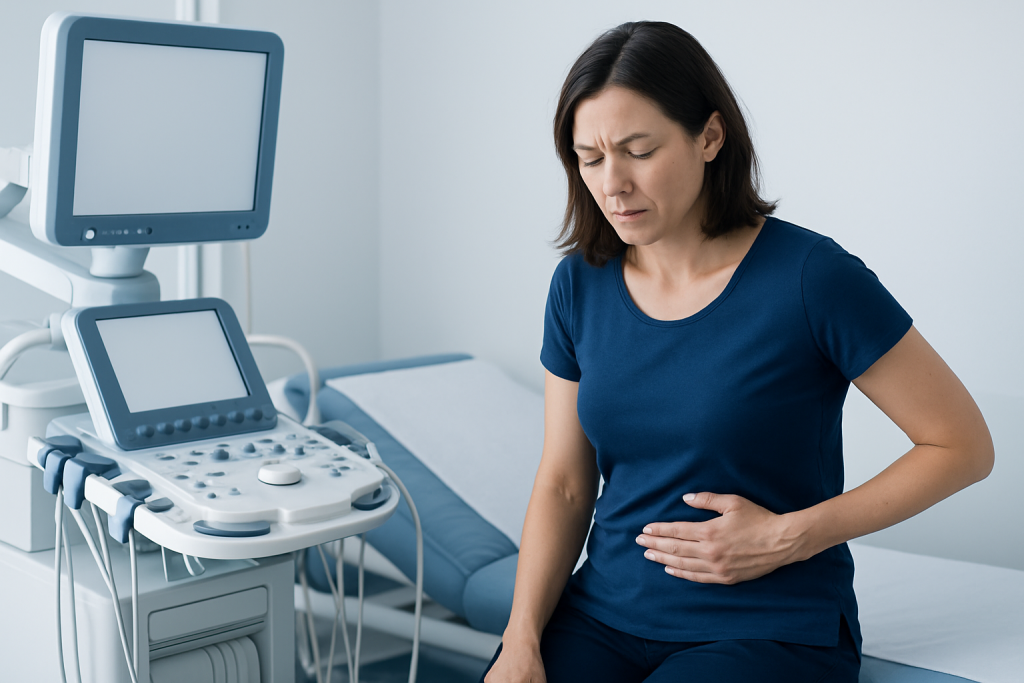
Left side abdominal pain can feel sharp, dull, cramping, burning, or pressure-like. Some people notice it only after eating, when moving, or after using the bathroom. Others feel constant discomfort that builds gradually over hours or days.
The symptoms that travel with the pain often give the most useful clues. Bloating, constipation, diarrhea, nausea, vomiting, fever, urinary changes, or pain that spreads to the back or groin can point to different causes. Pain linked to the menstrual cycle, vaginal bleeding, or pain during urination may suggest a pelvic or urinary source.
Examples of symptoms that may appear alongside left-sided pain include:
- Abdominal tenderness or swelling
- Changes in bowel movements
- Blood in stool or urine
- Fever or chills
- Loss of appetite or unexplained nausea
- Pain that worsens with movement, coughing, or deep breathing
Because symptoms overlap, it is usually not possible to identify the cause from pain alone. A careful history helps separate a short-term digestive upset from a condition that needs medical treatment.
Causes & Risk Factors
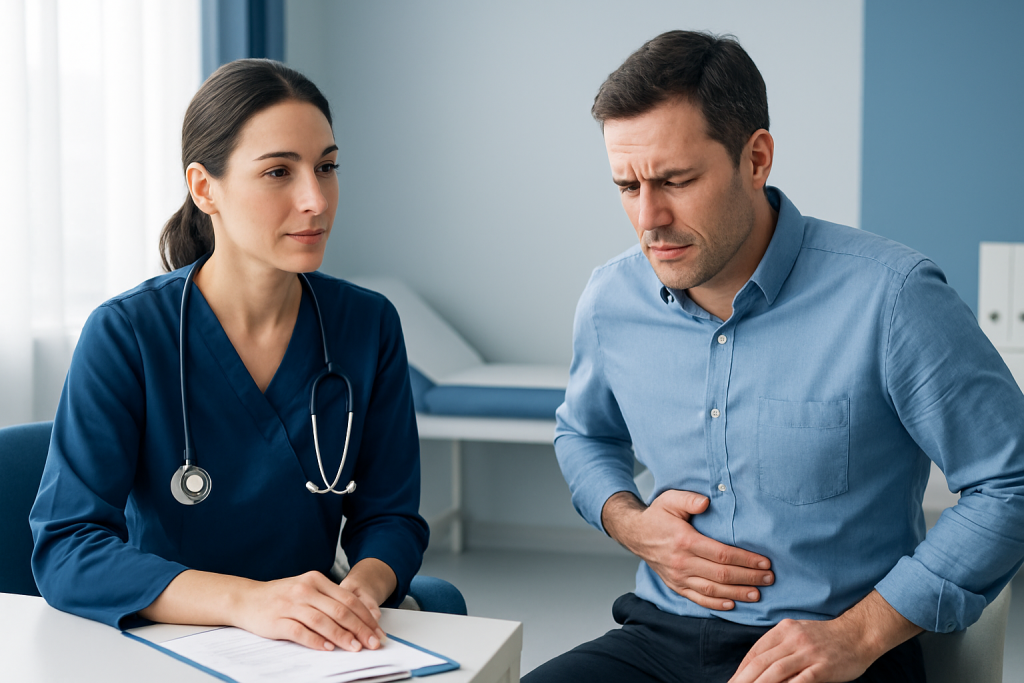
Many everyday conditions can cause pain on the left side of the abdomen. Gas, constipation, indigestion, and muscle strain are common and often improve with time and simple measures. Irritable bowel syndrome can also cause recurring cramping, bloating, and bowel changes, especially when stress or certain foods are involved.
Some causes need more focused treatment. Diverticulitis, which is inflammation or infection of small pouches in the colon, often causes lower left abdominal pain with fever or bowel changes. Kidney stones, urinary tract infections, gastritis, peptic ulcer disease, pancreatitis, and spleen-related problems may also be felt on the left side. In women, ovarian cysts, torsion, endometriosis, or ectopic pregnancy can produce left-sided pelvic or abdominal pain.
Risk factors vary by condition, but several patterns are common. A low-fiber diet, dehydration, previous abdominal surgery, a history of gallstones or kidney stones, pelvic disease, and certain medications can all influence risk. Recent travel, changes in food and water exposure, and infections may also matter, especially if the pain is accompanied by diarrhea or fever.
It is helpful to think in broad groups rather than a single answer. Digestive, urinary, muscular, and reproductive causes can look similar at first, so doctors rely on the full picture before deciding on treatment.
Diagnosis
Diagnosis usually begins with a conversation about the pain itself. A doctor may ask when it started, where it is located, whether it moves, what makes it better or worse, and what other symptoms are present. Questions about bowel habits, menstrual history, urinary symptoms, recent meals, travel, and prior medical problems are often important.
A physical examination helps check for tenderness, guarding, swelling, fever, dehydration, or signs that the pain may be coming from the abdominal wall rather than an internal organ. Depending on the findings, the next step may include blood tests, urine testing, stool tests, or pregnancy testing when relevant.
Imaging is sometimes needed, especially when the cause is unclear or when a more serious condition is being considered. Ultrasound can help evaluate pelvic organs or the urinary tract, while CT scanning may be used to look for diverticulitis, kidney stones, bowel inflammation, or other abdominal problems. The choice depends on the suspected cause and the patient’s overall situation.
In international care settings, doctors often aim to make the evaluation efficient so that travelers can receive a clear plan without unnecessary delay. When needed, the workup can be organized quickly and followed by coordinated treatment and recovery guidance.
Treatment Options
Treatment depends entirely on the cause. For mild indigestion, gas, or constipation, doctors may recommend hydration, gentle movement, dietary adjustments, and short-term symptom relief. If a medication is contributing to the pain, the prescribing clinician may suggest an alternative or a change in use.
When infection or inflammation is involved, treatment may include prescription medicines, such as antibiotics in selected cases, or other targeted therapies. Kidney stones may be managed with pain control, fluids, and follow-up, while more complicated stones may need procedures. Digestive disorders like ulcers, inflammatory conditions, or chronic bowel syndromes are treated according to the specific diagnosis.
Some causes require urgent or procedural care. For example, appendicitis-like emergencies are not on the left side, but severe abdominal conditions, bowel obstruction, ovarian torsion, ectopic pregnancy, ruptured cysts, or a significant internal infection can require hospital assessment, imaging, and sometimes surgery. The safest treatment plan is the one based on a confirmed diagnosis rather than assumptions.
Patients who are far from home often benefit from a plan that includes treatment, monitoring, and follow-up before travel back. Acibadem Health Point’s multidisciplinary specialists and JCI-accredited hospitals diagnose and treat abdominal pain conditions for international patients, with coordination designed to support both care and recovery.
Prevention & Self-care
Not every cause of left side abdominal pain can be prevented, but some everyday habits reduce the chance of common digestive triggers. Regular hydration, balanced meals, adequate fiber, and consistent physical activity can help bowel function. Listening to the body’s signals and not ignoring repeated constipation or urinary symptoms can also prevent problems from becoming harder to manage.
When pain is mild and there are no warning signs, gentle self-care may help. Rest, light meals, avoiding alcohol or very heavy foods, and using a warm compress can be useful for some people. Keeping track of foods, stress, bowel habits, and timing may also reveal patterns that help a doctor identify the cause later.
Safe self-care also includes knowing what to avoid. It is usually better not to start leftover antibiotics, take multiple pain medicines without guidance, or push through worsening pain during travel. If a person is planning an international trip, a recent abdominal pain episode should be discussed with a clinician first, especially if the cause has not been confirmed.
Simple self-care checklist:
- Drink enough fluids unless a doctor has limited intake
- Choose lighter, easier-to-digest meals if the stomach feels unsettled
- Stay mobile with gentle walking if comfortable
- Monitor bowel movements, urine changes, and fever
- Seek medical advice if the pain returns or changes pattern
When to See a Doctor
Medical evaluation is wise when left side abdominal pain lasts more than a short time, keeps returning, or interferes with eating, sleeping, or daily activity. It is especially important when the pain is new and unexplained, or when a person has a history of diverticulitis, kidney stones, Ulcerative Colitis, and Flares" class="ahp-ilk">inflammatory bowel disease, ovarian problems, or abdominal surgery.
Prompt medical attention is recommended if pain is severe, sudden, or paired with fever, vomiting, fainting, black or bloody stools, blood in urine, trouble breathing, rigid abdomen, or significant swelling. For women, pregnancy with abdominal pain should always be assessed quickly, because ectopic pregnancy can be dangerous. Children, older adults, and people with weakened immune systems also deserve quicker review when pain is persistent or unusual.
Even when the cause turns out to be minor, evaluation can be reassuring and can help prevent repeat episodes. A clear diagnosis is especially valuable for travelers who may need treatment, follow-up instructions, or a safe plan before continuing their journey.
Living With Recurrent Left Side Abdominal Pain
When pain comes and goes, the focus shifts from one episode to the pattern over time. A symptom diary can help capture meal triggers, bowel habits, menstrual timing, stress, fever, and the exact location of the discomfort. This information is often more useful than vague descriptions when a clinician is trying to distinguish IBS from diverticular disease, urinary issues, or pelvic causes.
Recurrent pain should not be self-labeled too quickly. Even if previous episodes improved on their own, a new pattern, stronger intensity, or additional symptoms may signal a different problem. That is why follow-up matters, especially after an emergency visit or if tests were done abroad and need review by a local doctor at home.
With a confirmed diagnosis, many people can manage recurring left-sided pain more confidently through diet changes, medication plans, monitoring, and scheduled reassessment. The goal is not only to reduce discomfort but also to understand what is safe to watch at home and what should be checked again.
Frequently asked questions
01Is left side abdominal pain usually serious?
Not always. Many causes are mild, such as gas, constipation, or muscle strain, but persistent, severe, or unexplained pain should be checked by a doctor. The surrounding symptoms matter as much as the pain itself.
02What organs can cause pain on the left side of the abdomen?
Several organs may be involved, including the stomach, colon, pancreas, left kidney, and pelvic organs such as the ovaries. Pain can also come from the abdominal wall or urinary tract. That is why the location and associated symptoms are important clues.
03Can stress cause left side abdominal pain?
Stress can worsen digestive symptoms and contribute to cramping, bloating, or bowel changes in some people. However, stress should not be assumed to be the only cause, especially if the pain is new or severe. A medical review helps rule out other problems.
04When should someone seek urgent care for abdominal pain?
Urgent care is important if the pain is sudden, severe, or accompanied by fever, vomiting, fainting, blood in stool or urine, a rigid abdomen, or breathing difficulty. Pregnancy with abdominal pain also needs prompt assessment. These symptoms can point to conditions that need fast treatment.
05How do doctors find the cause if the pain is on the left side?
Doctors usually start with a medical history and physical exam, then choose tests based on the most likely cause. Blood work, urine tests, stool tests, ultrasound, or CT imaging may be used. The goal is to identify the source of the pain rather than treat only the symptom.
06Can left side abdominal pain go away on its own?
Yes, some causes such as mild gas or temporary constipation may improve without treatment. Still, pain that keeps returning, lasts longer than expected, or changes in character should be evaluated. Recurrent symptoms are often easier to manage when the cause is identified early.
This article is for general information only and is not a substitute for professional medical advice. Please consult a qualified doctor about your individual situation.
Persistent digestive symptoms? Get evaluated in Turkey
JCI-accredited · board-certified surgeons · reply within 24h
Add us as a Preferred Source to see more of our trusted health content across Google Search, AI Overviews and Discover.