Lean Body Mass: Definition, Benefits and How to Build It

Key Takeaways
- Lean body mass is not the same as muscle alone; it includes several non-fat components of the body.
- A lower-than-expected lean mass can affect strength, energy, mobility, and overall health.
- Age, inactivity, poor nutrition, illness, and hormonal changes can all influence body composition.
- Assessment methods vary, and a qualified clinician can help interpret results in context.
- Nutrition, resistance exercise, and medical follow-up are the main pillars of improving lean mass safely.
Lean body mass refers to everything in the body except fat, including muscle, bone, organs, and water. Understanding it can help people make better decisions about fitness, nutrition, recovery, and long-term health.
Overview
When people say they want to be “lean,” they may mean looking fit, losing fat, or preserving muscle while changing weight. In medical terms, however, lean body mass has a more precise meaning: it is the part of the body that is not fat. That includes skeletal muscle, bone, organs, connective tissue, and body water.
This distinction matters because two people can weigh the same and still have very different body composition. One may carry more fat, while the other has more muscle and other lean tissues. For that reason, healthcare teams often look beyond the scale when evaluating health, fitness, nutrition, or recovery from illness.
For international patients planning care abroad, understanding body composition can also be helpful before surgery, rehabilitation, or a medical weight-management program. A careful assessment of lean mass can guide nutrition planning, exercise recommendations, and recovery expectations in a way that a simple body weight number cannot.
Symptoms and Signs of Low Lean Mass
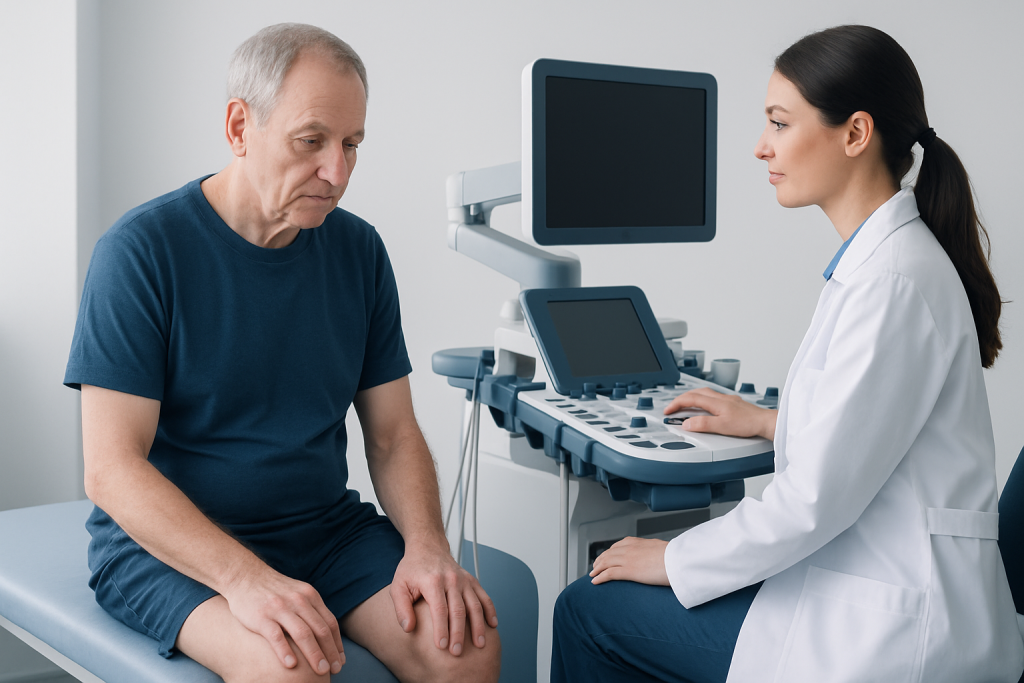
Low lean body mass does not always announce itself in an obvious way. Some people notice reduced strength, less endurance, slower walking speed, or a feeling that everyday activities are becoming harder. Others may simply see that their clothes fit differently even though their weight has not changed much.
In clinical settings, low lean mass may be suspected when there is visible muscle loss, a history of unintentional weight loss, or difficulty recovering after illness or surgery. Older adults may notice trouble climbing stairs, rising from a chair, carrying luggage, or maintaining balance. These changes do not always mean a serious disease is present, but they do deserve attention.
- Reduced muscle strength
- Fatigue or low stamina
- Slower movement or reduced balance
- Unplanned weight loss
- Noticeable loss of muscle size
Because symptoms can be subtle, low lean mass is often identified during a medical evaluation rather than by the person alone. That is one reason body composition review can be useful alongside symptom assessment.
Causes and Risk Factors

Lean mass can decrease for many reasons, and the cause is often a mix of factors rather than a single event. Aging is a common contributor, since muscle mass and strength tend to decline gradually over time if they are not actively maintained. Long periods of inactivity, including bed rest or recovery after hospitalization, can accelerate that process.
Nutrition also plays a major role. Inadequate protein intake, very low-calorie dieting, eating difficulties, or poor absorption from digestive conditions can all make it harder to preserve lean tissue. Chronic illnesses such as cancer, chronic lung disease, kidney disease, inflammatory disorders, and hormonal problems may also affect body composition.
Other risk factors include smoking, alcohol overuse, prolonged stress, and some medications that change appetite, metabolism, or fluid balance. In women and men alike, changes in hormones and physical activity patterns can influence whether the body maintains muscle efficiently. A clinician may consider the full medical picture before concluding why lean mass is low.
Diagnosis and Assessment
There is no single number that fully describes lean body mass. Clinicians usually combine physical examination, medical history, and body composition testing to understand what is happening. The best method depends on the person’s goals, age, health status, and the reason for assessment.
Common tools include bioelectrical impedance analysis, dual-energy X-ray absorptiometry (DEXA), skinfold measurements, and, in some settings, CT or MRI-based evaluation. Each method has strengths and limitations. For example, hydration can influence some readings, while imaging tests may provide more detail but are not needed for every patient.
Doctors may also review related markers such as weight trends, nutritional intake, strength, physical performance, and laboratory findings. This broader approach is especially useful for people traveling from another country, because follow-up plans need to be practical once they return home. The goal is not simply to label a result as “good” or “bad,” but to understand what the body needs next.
Treatment Options
Treatment depends on why lean mass is low and whether the person is trying to gain muscle, preserve it during weight loss, or recover after illness. In many cases, the foundation is a combination of nutrition support and resistance-based exercise, adjusted to the person’s medical condition and current strength level.
Dietary planning often focuses on sufficient protein, overall calorie adequacy, and easy-to-follow meal structure. A registered dietitian or physician may recommend practical changes that fit culture, travel schedule, chewing or swallowing issues, and any digestive limitations. For patients recovering abroad, a realistic plan for meals, supplements if needed, and local follow-up can make the difference between temporary improvement and lasting progress.
Exercise is another key part of preserving or rebuilding lean tissue. Strength training, resistance bands, bodyweight exercises, and guided rehabilitation can help the body retain or regain muscle function. When medical conditions are present, the plan may also involve treating the underlying illness, adjusting medications, or addressing hormones, vitamin deficiencies, or inflammation.
In some cases, short-term inpatient or outpatient rehabilitation is recommended, especially after surgery or a prolonged hospital stay. Acibadem Health Point’s multidisciplinary specialists and JCI-accredited hospitals diagnose and treat many body-composition and recovery-related concerns for international patients, with coordinated medical follow-up when needed.
Prevention and Self-care
People cannot completely control age-related changes in lean mass, but they can influence how much is preserved over time. Regular movement is one of the strongest protective habits. Even simple routines such as walking, stair climbing, resistance exercises, or supervised physical therapy can support muscle maintenance.
Eating enough protein and overall energy is also important, especially during recovery periods, intentional weight loss, or travel when meals may be irregular. Hydration, sleep, and stress management matter too, because they affect training recovery and appetite. If a person is trying to lose fat, slow and structured progress is generally safer for lean tissue than very rapid weight loss.
- Include resistance exercise in the weekly routine if medically appropriate
- Avoid crash diets and very restrictive eating plans
- Prioritize protein at regular meals
- Address swallowing, digestion, or appetite problems early
- Follow rehabilitation instructions after surgery or illness
Self-care works best when it is personalized. What supports a healthy body composition in a young adult training for fitness may be very different from what helps an older adult recover strength after hospitalization.
When to See a Doctor
Medical advice is worthwhile if there is unexplained weight loss, visible muscle loss, worsening weakness, or difficulty performing daily activities. It is also sensible to seek evaluation when a person is recovering slowly after illness or surgery, especially if energy, appetite, or mobility is not returning as expected.
People with chronic disease, older adults, and those considering major dietary changes may benefit from a clinician’s guidance before starting an exercise or weight-loss plan. A doctor can help distinguish healthy body recomposition from a problem that needs treatment. That can prevent a person from focusing only on the scale while missing a deeper issue such as malnutrition, inflammation, or muscle wasting.
If care is being planned from another country, it can help to bring prior test results, medication lists, and any previous body composition reports. This makes it easier for the receiving team to compare trends and create a follow-up plan that is realistic after travel ends.
Frequently asked questions
01Is lean body mass the same as muscle mass?
No. Muscle is an important part of lean body mass, but lean body mass also includes bone, organs, connective tissue, and water. That is why a person can have healthy muscle strength without the two terms meaning exactly the same thing.
02Can someone be overweight and still have low lean mass?
Yes. Body weight alone does not show how much of the body is fat versus lean tissue. Some people carry extra fat but still have relatively low muscle mass or reduced strength.
03What is the best way to measure lean body mass?
It depends on the situation. DEXA scans and bioelectrical impedance are commonly used, while some patients may need imaging or performance-based assessment for a fuller picture.
04Can lean mass be improved without going to a gym?
Often, yes. Resistance bands, bodyweight exercises, walking, stair use, and guided physical therapy can all help when matched to a person’s abilities and medical advice.
05Does losing weight always reduce lean mass?
Not necessarily, but rapid or poorly planned weight loss can increase the risk. A balanced plan with enough protein and exercise is more likely to preserve lean tissue.
06When should low lean mass be checked by a doctor?
It should be checked if weakness, muscle loss, or unintentional weight loss is happening, or if recovery is slower than expected. A doctor can look for nutritional, hormonal, or medical causes and recommend next steps.
This article is for general information only and is not a substitute for professional medical advice. Please consult a qualified doctor about your individual situation.
Medical weight-loss options in Turkey — costs & eligibility
JCI-accredited · board-certified surgeons · reply within 24h
Add us as a Preferred Source to see more of our trusted health content across Google Search, AI Overviews and Discover.