Rectal Leakage Is a Symptom With Several Treatable Causes
You notice a stain on your underwear, or a damp feeling around the anus that just will not go away. It is not something most people bring up easily. But leaking from the rectum — stool, mucus, or fluid escaping without your control — is common, and it is a symptom rather than a disease in itself.
Behind it there is usually something treatable: constipation with overflow, hemorrhoids, diarrhea, muscle injury, nerve problems, or inflammation of the rectum and anus.
What leaking rectal means
Leaking rectal is a nonmedical phrase people often use when they notice stool, mucus, or moisture coming from the anus without full control. Doctors may describe this as fecal incontinence, anal seepage, mucus discharge, or bowel leakage, depending on what is leaking and why it is happening. The symptom can range from mild staining of underwear after a bowel movement to a more noticeable loss of gas or stool.
Yes, it is embarrassing to talk about. But you are far from alone in this, and in most cases something can be done. Leakage may happen because stool is too loose, because the rectum is overly full, because the anal muscles are weak, or because the nerves that help control bowel movements are not working properly. In some people, irritation around the anus or rectum causes mucus discharge that feels like leakage.
Although some causes are minor and temporary, persistent rectal leakage should not be ignored. A careful medical assessment can help distinguish common causes such as hemorrhoids or constipation from conditions that need targeted treatment, including Ulcerative Colitis, and Flares" class="ahp-ilk">inflammatory bowel disease, rectal prolapse, or injury to the pelvic floor.
Common symptoms that may come with rectal leakage
The main symptom is unintentional leakage from the anus. This may be a small amount of stool, watery bowel fluid, mucus, or a persistent damp feeling around the anal area. Some people notice smearing on underwear, difficulty cleaning after bowel movements, or a sense that the rectum has not fully emptied.
Other symptoms can help point to the cause. Loose stools and urgency often suggest diarrhea-related leakage, while hard stools, straining, and infrequent bowel movements may suggest constipation with overflow. Itching, irritation, burning, or soreness around the anus can happen when moisture repeatedly contacts the skin.
Some people also have symptoms such as:
- Loss of control of gas
- Urgent need to reach a toilet
- A feeling of rectal fullness or pressure
- Pain during bowel movements
- Bleeding on toilet paper or in the stool
- Mucus discharge
Several different problems can look alike, so the whole picture matters. For example, mucus leakage may occur with hemorrhoids, proctitis, or irritable bowel symptoms, while stool leakage may be more strongly linked to muscle weakness, diarrhea, or nerve damage.
Why it happens: causes and risk factors

Rectal leakage can happen when bowel contents are difficult to control or when the tissues of the anus and rectum are irritated. One of the most common triggers is diarrhea. Loose stool is harder for the anal muscles to hold back, and repeated urgency may overwhelm normal control even in people without an underlying disease.
Constipation is another important cause. When hard stool becomes stuck in the rectum, softer stool and fluid can leak around it, a problem sometimes called overflow incontinence. Long-term straining may also affect the pelvic floor and worsen symptoms. Conditions affecting the anus itself, such as hemorrhoids, fissures, or skin irritation, may lead to mucus discharge and a damp sensation that people describe as leakage.
Weakness or injury of the anal sphincter muscles can reduce bowel control. This may happen after childbirth, anal or rectal surgery, trauma, or age-related muscle changes. Nerve problems can have a similar effect, especially in people with diabetes, spinal disorders, stroke, multiple sclerosis, or other neurologic disease.
Inflammation in the rectum or colon can also cause leakage, urgency, and mucus. Examples include infections, radiation injury, and inflammatory bowel disease such as ulcerative colitis. Additional risk factors include older age, reduced mobility, cognitive impairment, chronic laxative misuse, prior pelvic surgery, and structural problems like rectal prolapse or a rectocele.
How doctors evaluate leaking rectal
Diagnosis begins with a detailed history. A clinician usually asks what is leaking, how often it happens, whether it occurs with urgency or after bowel movements, and whether there is constipation, diarrhea, pain, bleeding, or recent illness. It is also helpful to review childbirth history, previous surgery, neurologic conditions, and the medicines a person takes, since some drugs can loosen stools or worsen constipation.
A physical examination often includes inspection of the anal area and a digital rectal exam. This helps assess skin irritation, hemorrhoids, impacted stool, muscle tone, tenderness, and any obvious structural problem. In many cases, this first step already gives important clues about the cause.
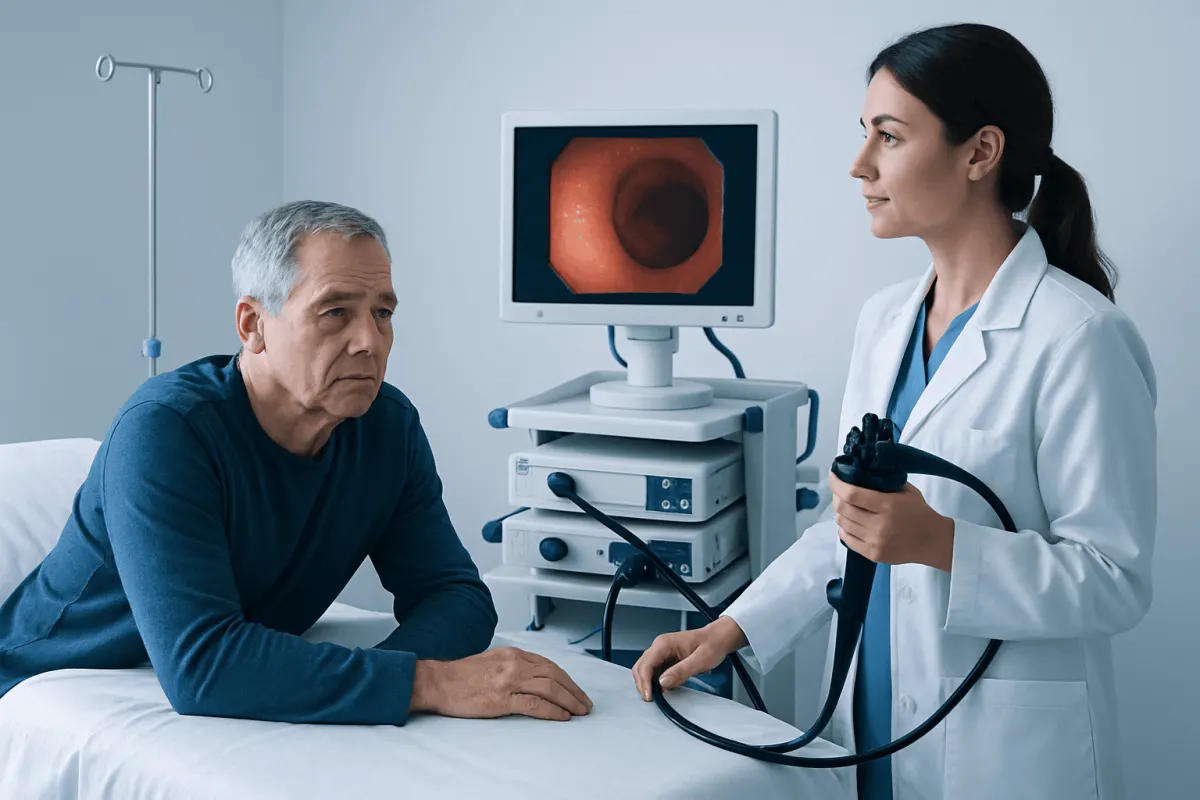
Depending on the findings, further tests may be recommended. These can include stool tests if infection is suspected, blood tests, colonoscopy or sigmoidoscopy to look for inflammation or growths, and imaging or functional tests of the pelvic floor. Specialized assessments may include anorectal manometry to measure pressure and sensation, or endoanal ultrasound or MRI to look for sphincter injury.
You can help your doctor a great deal by keeping a short bowel diary. Recording stool consistency, timing of leakage, food triggers, and urgency episodes may help the doctor decide whether the main problem is diarrhea, constipation, reduced muscle control, or rectal irritation.
Treatment options and supportive care
Treatment depends on the cause of the leakage. If diarrhea is the main issue, care focuses on identifying and treating the reason for loose stools while improving stool consistency. If constipation and overflow are responsible, treatment aims to clear retained stool and establish more regular bowel habits. Managing the underlying problem is usually the most effective way to reduce leakage.
Simple measures can help many people. These may include adjusting fiber intake, drinking enough fluid, planning regular toilet times, avoiding foods that trigger loose stools, and improving access to the bathroom. Gentle skin care is also important. Cleaning with water or fragrance-free wipes, patting dry, and using a protective barrier cream can reduce soreness and prevent skin breakdown.
Medical treatment may include medicines to reduce diarrhea, treat constipation, calm inflammation, or address infections when present. Some patients benefit from pelvic floor rehabilitation or pelvic floor therapy to strengthen coordination and improve control. Biofeedback may be recommended in selected cases to train the muscles and improve rectal sensation.
When a structural problem is identified, procedural or surgical treatment may be considered. Examples include care for significant hemorrhoids, repair of sphincter injury, or treatment of rectal prolapse. When symptoms stick around, a gastroenterologist, colorectal surgeon, pelvic floor specialist and continence team often work as one group. International patients can also be assessed at centers such as Acıbadem Health Point, where specialists in JCI-accredited hospitals evaluate and treat anorectal and bowel control problems together.
Prevention and self-care at home
You cannot prevent every case, but your daily habits can make leakage less likely and flare-ups milder. The most helpful goal is a predictable, well-formed bowel movement pattern. Sudden changes between constipation and diarrhea often make symptoms worse, so gradual, consistent routines are usually better than extreme diet changes.
Useful self-care steps include:
- Eating a balanced diet with an appropriate amount of fiber
- Drinking enough fluids unless a doctor has advised restriction
- Limiting foods that clearly trigger loose stools, such as excessive caffeine, alcohol, or very fatty meals
- Responding to the urge to have a bowel movement rather than delaying repeatedly
- Staying physically active to support bowel regularity
- Practicing pelvic floor exercises if advised by a clinician
People with sensitive skin around the anus should avoid harsh soaps and vigorous scrubbing. Breathable underwear and absorbent pads can help some people feel more comfortable while treatment is underway. Keeping a symptom diary may also reveal patterns related to diet, stress, or medications.
Home measures help, but if the leakage keeps going, have it looked at. It is especially important not to start frequent laxatives, antidiarrheal drugs, or enemas without guidance, since these can sometimes worsen the problem or mask a condition that needs diagnosis.
When to seek medical care
Medical care is appropriate if rectal leakage lasts more than a short time, keeps returning, or begins to interfere with daily life. Even mild but ongoing seepage can be a sign of constipation, inflammation, or muscle weakness that may improve once properly treated. A doctor should also review any symptom that starts after childbirth, surgery, or a new neurologic problem.
Prompt evaluation is more important if leakage is accompanied by rectal bleeding, black stools, unexplained weight loss, fever, severe abdominal pain, persistent diarrhea, a new lump, or marked pain around the anus. Sudden loss of bowel control, especially with back pain, leg weakness, or numbness, needs urgent medical attention because it can signal a serious nerve problem.
People with a family history of bowel disease, personal history of inflammatory bowel disease, or symptoms concerning for cancer screening needs may require a more detailed workup, sometimes including colonoscopy. Seeking care early often makes treatment simpler and can prevent avoidable skin irritation, dehydration, or worsening pelvic floor problems.
Frequently asked questions
01Is leaking rectal the same as fecal incontinence?
Often, yes, but not always. Leaking rectal is a general phrase people use for anal leakage, while fecal incontinence specifically means difficulty controlling stool or gas. Some people are actually noticing mucus discharge or moisture from hemorrhoids or irritation rather than true stool incontinence.
02Can constipation cause rectal leakage?
Yes. Severe constipation can lead to stool becoming stuck in the rectum, and softer stool or fluid may leak around it. This is one reason doctors ask about bowel frequency, straining, and a feeling of incomplete emptying.
03Does rectal leakage always mean a serious disease?
No. Many cases are related to manageable problems such as diarrhea, constipation, hemorrhoids, or temporary irritation around the anus. Still, persistent symptoms should be assessed so that more significant causes such as inflammation, nerve problems, or structural disorders are not missed.
04What kind of doctor treats leaking rectal?
A primary care doctor can often begin the evaluation and identify common causes. Depending on the findings, the person may be referred to a gastroenterologist, colorectal surgeon, or pelvic floor specialist for further testing and treatment.
05Will treatment always require surgery?
No. Many people improve with nonsurgical treatment such as diet adjustments, bowel habit training, medicines, treatment of constipation or diarrhea, and pelvic floor therapy. Surgery or procedures are usually considered only when there is a specific structural problem or when symptoms persist despite conservative care.
06How can someone prepare for a medical appointment about rectal leakage?
It helps to note when the leakage occurs, what it looks like, and whether there is constipation, diarrhea, pain, bleeding, or urgency. Bringing a list of medications and a short bowel diary can make the visit more productive and help the doctor narrow down the cause.
This article is for general information only and is not a substitute for professional medical advice. Please consult a qualified doctor about your individual situation.
Persistent digestive symptoms? Get evaluated in Turkey
JCI-accredited · board-certified surgeons · reply within 24h
Add us as a Preferred Source to see more of our trusted health content across Google Search, AI Overviews and Discover.