Lateral Flexion: Side Bending of the Neck and Trunk
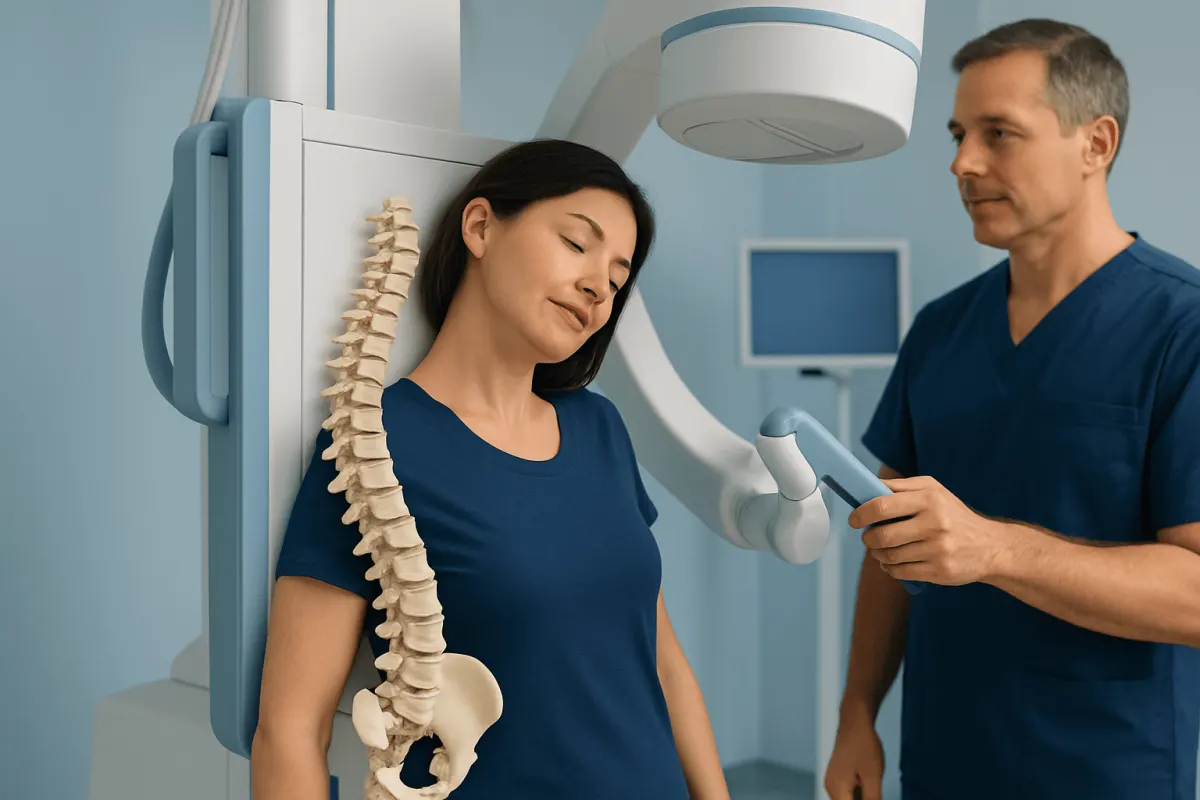
Lateral flexion is a normal movement in which the neck or trunk bends to the right or left side. It is important for everyday activities, but painful or restricted side bending may reflect muscle strain, joint irritation, or an underlying spinal condition that should be assessed when persistent or severe.
What Is Lateral Flexion?
Lateral flexion is the anatomical term for bending a body part sideways, away from the midline. In daily life, it occurs when a person brings an ear toward a shoulder, reaches down the outside of a leg, leans to pick up an object, or shifts the trunk while walking. The term is most often used to describe movement of the cervical spine (neck) and the thoracic and lumbar spine (upper and lower back).
For example, right cervical lateral flexion means tilting the head so that the right ear moves toward the right shoulder. Right trunk lateral flexion means that the rib cage and shoulders move toward the right side of the pelvis. This differs from rotation, which is turning to look over a shoulder, and from flexion and extension, which are forward and backward bending movements.
Lateral flexion is not a test of flexibility alone. Comfortable side bending depends on the shape and mobility of spinal joints, the condition of the discs and surrounding soft tissues, muscle control, balance, and the absence of pain. A person does not need to achieve an identical-looking range of motion on both sides to have a healthy spine.
How Side Bending Works in the Neck and Back
Side bending is a coordinated movement rather than the action of one isolated muscle. In the neck, muscles such as the scalenes, upper trapezius, levator scapulae, sternocleidomastoid, and deeper neck muscles help guide and stabilize lateral flexion. The small facet joints between vertebrae, discs, ligaments, and nearby nerves also influence how freely the neck moves.
In the trunk, the oblique abdominal muscles, quadratus lumborum, erector spinae, multifidus, and intercostal muscles contribute to control. The pelvis and hips matter as well. If the hips are stiff, weak, or held unevenly, the lower back may compensate during side bending. The thoracic spine and rib cage also need to move comfortably for the trunk to bend naturally.
Normal movement patterns vary. The neck generally has greater visible side bending than the lower back, while the lower back often combines a small amount of side bending with rotation. This is one reason why forcing a stretch to create a large side bend is not necessarily helpful. Smooth, controlled, pain-free movement is more meaningful than reaching a particular angle.
What Can Affect Lateral Flexion?
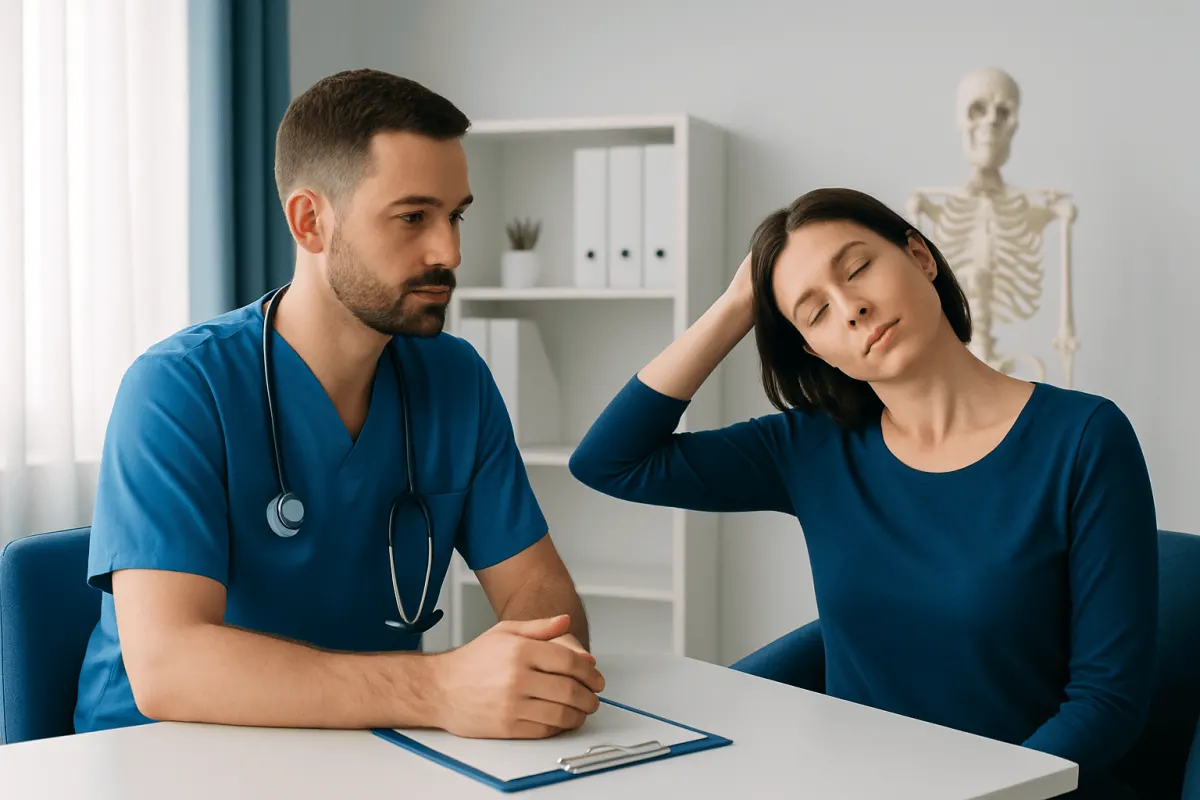
Temporary limitation of lateral flexion is common. It may occur after sleeping in an awkward position, spending a long time at a desk, carrying a bag on one shoulder, doing unfamiliar exercise, or making a sudden movement. In these situations, muscle guarding and mild irritation of soft tissues can make one direction feel tighter or more uncomfortable for a short period.
Neck or back pain can also reduce side bending. Common contributors include muscle strain, joint stiffness, prolonged static posture, reduced physical conditioning, and recovery after an injury. Headaches related to neck structures may be accompanied by neck tightness, although headaches have many possible causes and should not be self-diagnosed.
Some medical conditions may affect spinal mobility more substantially. These include osteoarthritis, disc-related conditions, scoliosis, inflammatory spinal disease, osteoporosis-related vertebral fractures, and nerve compression. A painful loss of movement does not automatically indicate a serious condition, but symptoms should be interpreted in context by a qualified clinician, particularly if they persist or interfere with normal function.
- Muscle-related restriction often feels tight, sore, or guarded and may improve with gentle movement.
- Joint-related restriction may feel localized and stiff, especially after rest or sustained positions.
- Nerve-related symptoms can include radiating pain, numbness, tingling, burning, or weakness in an arm or leg.
Common Myths About Lateral Flexion
Myth: Everyone should bend equally far to the left and right. Small side-to-side differences are common. Hand dominance, work habits, previous injuries, spinal shape, and normal individual anatomy can all affect movement. A difference is more relevant when it is new, worsening, painful, or associated with other symptoms.
Myth: Feeling a strong stretch means the exercise is effective. Stretching should not cause sharp pain, numbness, dizziness, or a sense of instability. Pushing repeatedly into pain can increase protective muscle tension and may aggravate an irritated area. A mild pulling sensation that settles after activity is generally more appropriate than forcing the end range.
Myth: Poor posture permanently damages the spine. There is no single perfect posture that must be held throughout the day. Many people feel better when they vary positions, take regular movement breaks, and build tolerance for everyday activities. Posture can contribute to symptoms for some people, but it is only one factor among physical workload, sleep, stress, conditioning, injury history, and overall health.
Myth: A painful side bend always means a slipped disc. Pain during lateral flexion has many possible causes, and symptoms alone cannot identify a disc problem. Clinical history and examination are usually the starting points; imaging is used when it is likely to change care or when warning signs are present.
How Clinicians Assess Restricted or Painful Lateral Flexion
Clinicians usually begin by asking when symptoms started, what movements provoke or relieve them, whether an injury occurred, and how symptoms affect work, sleep, exercise, and daily tasks. They may also ask about pain spreading into an arm or leg, changes in sensation or strength, fever, unexplained weight loss, cancer history, and bladder or bowel symptoms.
A physical examination may include observing posture and walking, comparing right and left side bending, checking other spinal movements, and assessing muscle tenderness and strength. For neck or back symptoms, a clinician may also examine reflexes, sensation, and signs of nerve irritation. The aim is not simply to measure range of motion, but to understand the pattern of symptoms and identify the most likely source.
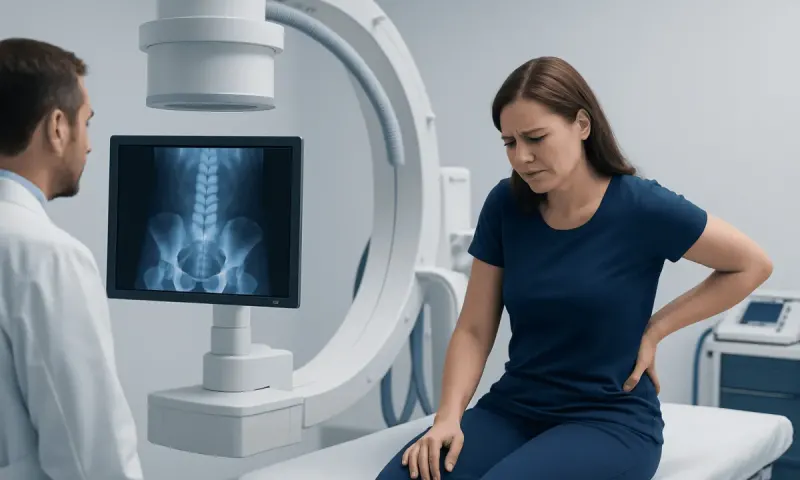
Imaging such as X-ray, magnetic resonance imaging (MRI), or computed tomography (CT) is not routinely needed for uncomplicated short-term pain. It may be considered after significant trauma, when there are neurological symptoms or other warning signs, or when symptoms do not improve as expected with appropriate care. Tests are selected individually, because imaging findings do not always explain pain and may also be seen in people without symptoms.
Supporting Comfortable, Healthy Side Bending
For mild, recent stiffness without warning signs, maintaining gentle activity is often preferable to prolonged bed rest. Short walks, comfortable changes of position, and light daily movement can help prevent additional stiffness. A healthcare professional or physiotherapist can advise on suitable exercises when pain is recurrent, when there has been an injury, or when a person is unsure how to move safely.
Mobility work should be controlled and within a comfortable range. For example, a person may slowly slide one hand down the side of the thigh while keeping the shoulders relaxed, then return to the center. Neck movements should be especially gentle: the head can be tilted slightly toward one shoulder without lifting that shoulder toward the ear. Exercises should be stopped if they trigger sharp pain, radiating symptoms, dizziness, or worsening discomfort.
Strength and endurance are also important. Programs that develop the trunk, hip, shoulder-blade, and deep neck muscles may improve movement control and reduce strain during repeated activities. Gradually increasing exercise, using good lifting technique, alternating sides when carrying items, and taking breaks from prolonged sitting can all support spinal health.
Heat or cold may provide short-term comfort for some people, depending on personal preference and the type of symptoms. Neither is a cure, and neither should be applied directly to the skin for prolonged periods. Persistent pain should be reviewed rather than managed indefinitely with self-care alone.
When to Seek Medical Care
Medical advice is appropriate when pain or restricted lateral flexion lasts longer than a few weeks, repeatedly returns, worsens despite simple measures, or makes normal activities difficult. Assessment is also helpful after a fall, sports injury, vehicle collision, or other trauma, even if symptoms initially seem manageable.
Urgent medical evaluation is needed for neck or back pain accompanied by new weakness, numbness that is worsening, loss of coordination, difficulty walking, or pain that travels down an arm or leg with significant loss of function. Immediate care is also important for new bladder or bowel control problems, numbness around the groin or buttocks, fever with severe spinal pain, or severe pain after significant injury.
Sudden neck pain with severe headache, confusion, fainting, difficulty speaking, facial weakness, vision changes, or one-sided body weakness requires emergency assessment. These symptoms may have causes unrelated to routine musculoskeletal neck stiffness and should not be treated with stretching or massage.
Acıbadem Health Point’s multidisciplinary specialists and JCI-accredited hospitals can assess neck and back symptoms for international patients when expert evaluation is needed. A clinician can help determine whether symptoms are likely to respond to conservative care or require further investigation.
Frequently asked questions
01Is lateral flexion the same as side bending?
Yes. Lateral flexion is the clinical anatomical term for side bending. It can describe movement of the neck, trunk, fingers, or other body parts, but it is most commonly discussed in relation to the spine.
02Why is my lateral flexion worse on one side?
One-sided tightness can result from daily habits, muscle tension, a previous injury, reduced joint mobility, or differences in how the hips and trunk move. A mild, stable difference without pain is often not concerning. It should be assessed if it is new, painful, progressively worsening, or linked with tingling or weakness.
03Should lateral flexion hurt during stretching?
A gentle feeling of stretch may be normal, but sharp pain is not a goal. A person should stop if movement causes shooting pain, numbness, tingling, dizziness, or symptoms that remain worse afterward. A clinician or physiotherapist can provide individualized guidance when pain persists.
04Can poor posture limit side bending?
Long periods in one position can contribute to temporary stiffness and muscle fatigue, which may make side bending feel limited. However, posture is not the only cause of symptoms, and no single posture is perfect for everyone. Regular movement and position changes are usually more useful than trying to hold one rigid posture all day.
05Do I need an MRI for painful lateral flexion?
Not usually. Many episodes of neck or back pain improve with a clinical assessment, activity guidance, and conservative care without imaging. An MRI may be considered when there are neurological symptoms, trauma, warning signs, or persistent symptoms for which imaging would change treatment decisions.
06How can I improve lateral flexion safely?
Start with slow, comfortable side-bending movements and avoid forcing the end range. Combine mobility work with regular walking and gradual strengthening of the trunk, hips, and neck or shoulder muscles as appropriate. Professional guidance is useful after injury or when symptoms do not improve.
This article is for general information only and is not a substitute for professional medical advice. Please consult a qualified doctor about your individual situation.
Joint and spine care in Turkey — expert assessment & treatment
JCI-accredited · board-certified surgeons · reply within 24h
Add us as a Preferred Source to see more of our trusted health content across Google Search, AI Overviews and Discover.