Knee Replacement Abroad: Procedure, Benefits, Risks and Recovery

Key Takeaways
- Knee replacement abroad is a major surgery and should be planned carefully with a qualified orthopedic team.
- The procedure may reduce pain and improve mobility when arthritis or joint damage is severe.
- Benefits can include access to experienced surgeons and coordinated care, but travel adds logistical and medical considerations.
- Recovery usually continues for weeks to months and depends heavily on rehabilitation, home support, and follow-up.
- Patients should review hospital accreditation, surgeon experience, implant options, and the plan for post-operative care before traveling.
Knee replacement abroad can be a practical option for people who want timely orthopedic care, access to experienced specialists, or coordinated recovery planning in another country. Understanding the procedure, possible benefits, risks, and follow-up needs helps patients make safer, more informed choices.
Overview
Knee replacement abroad means having a partial or total knee replacement in another country, often to access specialist care, shorter waiting times, or a treatment pathway that combines surgery with rehabilitation support. For many people, the decision is not only about the operation itself; it is also about how comfortably they can travel, recover, and stay in touch with the medical team after returning home.
The surgery replaces damaged parts of the knee joint with artificial components designed to move more smoothly and reduce pain. It is usually considered when daily life has become limited by advanced osteoarthritis, inflammatory arthritis, or significant injury-related joint damage, and non-surgical treatment no longer provides enough relief.
Choosing care abroad adds important questions: Is the hospital accredited? Will the surgeon explain the implant and recovery plan clearly? What happens if a problem appears after the patient flies home? A careful approach helps patients compare options and focus on safety, communication, and realistic expectations rather than simply on travel convenience.
Symptoms and When Knee Replacement Is Considered

Knee replacement is generally discussed when a person has persistent symptoms that affect routine movement and quality of life. Common signs include pain during walking or stairs, stiffness after rest, swelling, reduced range of motion, and difficulty with tasks such as rising from a chair or getting in and out of a car.
Doctors usually consider surgery when conservative treatments have not provided enough improvement. These may include weight management, activity modification, physiotherapy, anti-inflammatory medicines when appropriate, walking aids, and injections in selected cases. The decision is not based on X-rays alone; it is based on how much the knee problem limits the patient’s daily function and comfort.
For international patients, it is helpful to think beyond the diagnosis and ask how severe symptoms affect travel itself. Long airport transfers, stairs, and sitting for extended periods can all be difficult with a painful knee, so timing surgery and recovery around the trip matters.
Causes and Risk Factors
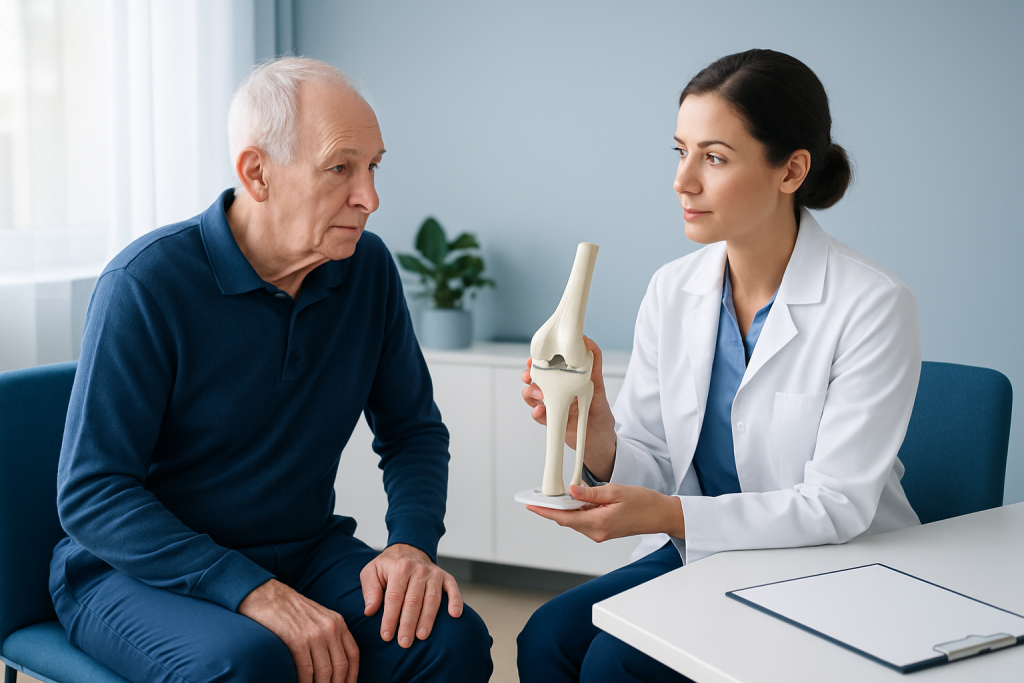
The most common reason for knee replacement is osteoarthritis, a condition in which the cartilage that cushions the joint gradually wears down. Other causes include rheumatoid arthritis, post-traumatic arthritis after an old injury, and less commonly other structural problems that damage the joint over time.
Several factors can increase the likelihood of severe knee degeneration. These include older age, previous knee injuries, obesity, family history, certain alignment issues in the legs, and occupations or sports that place repeated stress on the joint. Some people also develop inflammation-related joint disease that affects both knees or several joints.
These risk factors do not mean surgery is inevitable. They simply help doctors understand why a knee has become painful and whether replacement is likely to offer more benefit than continued non-surgical care.
How the Procedure Is Done
Before surgery, the orthopedic team reviews medical history, medications, allergies, recent imaging, and any conditions that could affect anesthesia or healing. Patients may need blood tests, an ECG, and occasionally additional cardiac or medical assessment, especially if they are older or have chronic illnesses. This step is particularly important for people traveling from abroad, because the hospital needs time to coordinate a safe plan before arrival.
During the operation, the surgeon removes the damaged surfaces of the knee joint and replaces them with metal and plastic components shaped to restore smoother movement. The surgery may be total knee replacement, which replaces the main joint surfaces, or partial knee replacement, which addresses only one damaged compartment in carefully selected patients.
Anesthesia is usually regional, general, or a combination, depending on the person’s health and the team’s judgment. After the procedure, the knee is monitored for pain control, swelling, circulation, and early mobility. Many hospitals encourage standing and walking with support soon after surgery, because early movement is an important part of recovery.
Benefits and Possible Risks
When successful, knee replacement can significantly reduce pain, improve walking ability, and make everyday activities more manageable. Many patients are able to return to hobbies, travel, and regular household tasks with less discomfort than before surgery. For some, the greatest benefit is simply regaining predictable movement and better sleep because pain is less constant.
There are, however, risks to understand before traveling for surgery. These include infection, blood clots, stiffness, bleeding, implant problems, nerve or blood vessel injury, and the possibility that the knee may not feel completely natural. Some people also need further treatment later if the implant wears out, loosens, or becomes infected.
Travel can add another layer of planning. Long flights shortly after surgery may increase discomfort and make clot prevention more important, so the medical team should advise on timing, mobility, and any medication or compression measures that are appropriate. A responsible plan weighs the expected benefit against the personal and travel-related risks.
Recovery and Rehabilitation
Recovery begins in the hospital and continues long after the patient leaves. In the early period, the focus is on pain control, protecting the wound, regaining movement, and walking safely with help. Swelling and tiredness are common at first and usually improve gradually.
Physical therapy is central to getting the best result. Exercises help restore knee bending and straightening, strengthen the muscles around the joint, and improve balance. The pace varies from person to person, but patients should expect steady progress rather than immediate full recovery.
For someone returning home to another country, the rehabilitation plan should be clear before departure. That includes who will monitor the wound, when stitches or dressings are checked, how therapy will continue, what symptoms should prompt contact with the surgeon, and how imaging or follow-up visits will be arranged if needed. A well-organized handover can make recovery safer and less stressful.
How to Prepare and What to Check Before Traveling
Preparation for knee replacement abroad starts with choosing a hospital and surgeon who can explain the treatment plan in plain language. Patients may wish to ask whether the hospital is accredited, how often the surgeon performs knee replacements, whether partial or total replacement is recommended, and what rehabilitation support is included.
It is also wise to review the practical side of the journey. This includes travel dates, mobility at the airport and hotel, having a companion if possible, arranging insurance coverage, and bringing a list of medicines and previous medical records. Patients should also discuss how long they are expected to stay in the destination country before it is safe to fly home.
Clear communication matters more than glossy brochures. A good international treatment plan should explain pre-operative testing, anesthesia, wound care, pain management, follow-up appointments, and what to do if new symptoms appear after return. That level of detail helps patients make an informed decision with confidence.
When to See a Doctor
A doctor should be consulted when knee pain lasts despite conservative treatment, limits walking or sleep, or makes routine activities difficult. Medical assessment is also important if the knee is swollen, unstable, deformed, or causing repeated falls. In these situations, imaging and examination can help determine whether replacement is appropriate.
After surgery, urgent medical advice is needed for fever, increasing redness or drainage from the wound, calf pain or swelling, shortness of breath, sudden severe pain, or inability to bear weight. These symptoms do not always mean there is a serious problem, but they should be reviewed promptly.
For patients considering care in another country, it is best to speak with an orthopedic specialist before booking travel. Acibadem Health Point’s multidisciplinary specialists and JCI-accredited hospitals diagnose and treat knee replacement cases for international patients, with attention to both the surgery and the recovery plan that follows.
Frequently asked questions
01What does knee replacement abroad usually involve?
It usually includes pre-operative assessment, the knee replacement surgery itself, a short hospital stay, and a structured rehabilitation plan. For international patients, it also requires careful coordination of travel, follow-up, and wound care after discharge.
02Who is a good candidate for knee replacement surgery?
People with severe knee pain and stiffness that do not improve enough with non-surgical treatment may be candidates. The final decision depends on symptoms, imaging, overall health, and whether the knee problem is truly limiting daily life.
03Is it safe to fly after knee replacement?
Flying soon after surgery needs medical guidance because there can be a higher risk of swelling, discomfort, and blood clots. The surgeon should advise on timing based on the patient’s recovery, medical history, and travel distance.
04How long does recovery take after knee replacement?
Recovery varies, but most people need several weeks to regain basic comfort and mobility, and rehabilitation may continue for months. Improvement is usually gradual, with physical therapy playing a major role in the final result.
05What should patients check before choosing surgery abroad?
They should review the surgeon’s experience, the hospital’s accreditation, the implant and rehabilitation plan, and how follow-up will be handled after returning home. Clear communication is one of the most important safety factors.
06Will a knee replacement feel completely normal?
Many people feel much less pain and move more easily, but a replaced knee may still feel different from a natural joint. The goal is usually meaningful pain relief and better function, not a perfect recreation of the original knee.
This article is for general information only and is not a substitute for professional medical advice. Please consult a qualified doctor about your individual situation.
Joint and spine care in Turkey — expert assessment & treatment
JCI-accredited · board-certified surgeons · reply within 24h
Add us as a Preferred Source to see more of our trusted health content across Google Search, AI Overviews and Discover.