Knee Injuries From Falling: Signs That Need Care
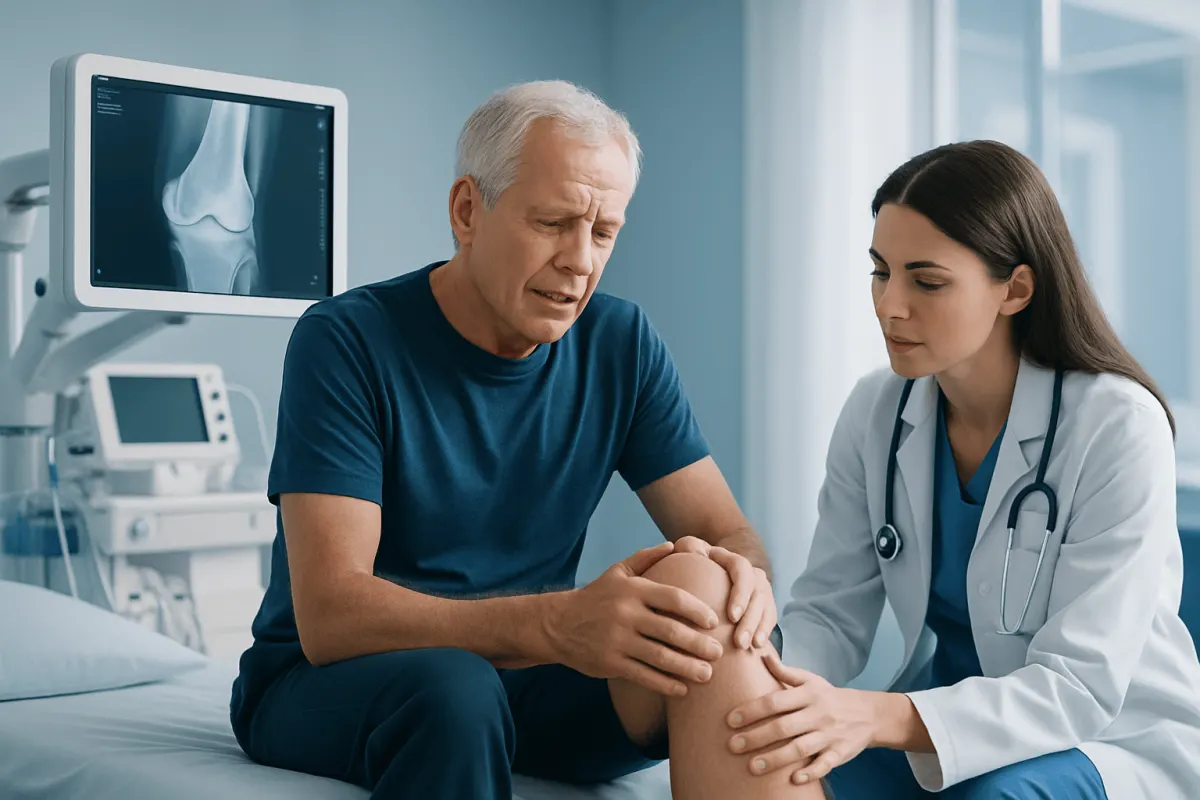
Knee injuries from falling are common and may affect the skin, kneecap, bones, cartilage, tendons, or ligaments. Many minor injuries improve with simple care, but significant swelling, inability to walk, a misshapen knee, or worsening pain should be assessed promptly by a clinician.
Overview: What Can Happen When Someone Falls on a Knee?
Knee injuries from falling can occur when the knee strikes the ground directly, twists during the fall, or is forced beyond its usual range of movement. The result may be a superficial scrape or bruise, but a heavier impact or twisting force can injure deeper structures inside and around the joint.
The knee includes the kneecap (patella), the lower end of the thighbone, the upper end of the shinbone, cartilage, ligaments, tendons, and fluid-filled bursae that cushion certain areas. A fall may affect one or several of these structures. Older adults, people with osteoporosis, athletes, and people taking medicines that increase bleeding risk may be more vulnerable to particular complications.
It is not always possible to judge the severity of an injury immediately. Pain and swelling can develop over hours, and some ligament, cartilage, or small bone injuries may not be obvious at first. Monitoring symptoms and seeking timely medical advice when warning signs are present helps support safe recovery.
Common Types of Knee Injuries After a Fall
A direct blow to the front of the knee often causes a contusion, commonly called a bruise. This may involve the skin, soft tissues, or bone. Scrapes and cuts can also occur, particularly if the fall happens outdoors. Wounds should be cleaned appropriately because dirt and bacteria may increase the risk of infection.
A fall directly onto the kneecap can cause a patellar fracture, especially after a high-impact fall or in a person with reduced bone strength. A fracture may cause marked pain, rapid swelling, bruising, difficulty straightening the knee, or inability to walk normally. In some cases, the kneecap may move out of position, known as a patellar dislocation.
When the body turns while the foot remains planted, the fall can strain or tear a ligament, including the anterior cruciate ligament (ACL) or medial collateral ligament (MCL). Twisting may also tear a meniscus, a cartilage cushion within the joint. These injuries may be associated with a popping sensation, instability, locking, or pain during turning and squatting.
Less commonly, a fall can damage the quadriceps or patellar tendon, which help straighten the knee. A person may have difficulty lifting the leg straight or actively extending the knee. This requires prompt clinical assessment. Information about related knee pain can help patients understand when ongoing symptoms need evaluation.
Symptoms That Help Describe the Injury

Symptoms vary according to the mechanism and severity of injury. Pain in one precise area may occur with a bruise, fracture, or tendon problem, while deeper joint pain can accompany cartilage or ligament injury. Swelling that appears soon after the fall can result from bleeding or fluid within the joint, whereas swelling that develops more gradually may reflect inflammation.
Patients should note whether they can take four steps, fully bend and straighten the knee, and place weight on the leg. A feeling that the knee gives way may suggest instability. Catching, locking, or an inability to fully straighten the knee can occur with a meniscal injury or loose material in the joint, although an examination is needed to identify the cause.
Bruising, tenderness, warmth, and stiffness are common after impact. However, a visible change in shape, a kneecap that appears out of place, severe pain with minimal movement, or a crackling sensation after major trauma should not be managed at home alone. Symptoms involving the foot, such as numbness, weakness, paleness, or unusual coolness, also need urgent attention.
- Direct pain over the kneecap may occur after an impact injury.
- Pain on the inner or outer side of the knee can occur with collateral ligament injury.
- Deep pain with twisting, catching, or locking may occur with meniscal injury.
- Giving way or a sense of instability can occur after ligament damage or significant pain-related weakness.
Assessment and Diagnosis
A clinician will usually ask how the fall happened, whether there was a twist or direct impact, when swelling began, and whether the person could continue walking. They will examine the skin, alignment, range of movement, points of tenderness, joint stability, circulation, and nerve function below the knee.
X-rays may be used to check for fractures, dislocation, or certain bony changes. They do not show all soft-tissue injuries. If symptoms, examination findings, or recovery suggest damage to ligaments, meniscus, cartilage, or tendons, magnetic resonance imaging (MRI) may be recommended. Ultrasound can be useful in selected cases, such as evaluating some tendon or fluid-related concerns.
Imaging is not needed for every fall. For a mild injury with improving pain, normal walking, and no concerning findings, a clinician may recommend a period of conservative care and follow-up. However, a normal early X-ray does not always exclude every injury, so persistent or worsening symptoms should be reviewed.
Accurate diagnosis guides treatment and helps avoid returning to activities before the knee is ready. It is particularly important to identify fractures, tendon ruptures, significant ligament tears, and infections early, as these conditions may need more specific care.
Early Care at Home for a Minor Knee Injury
For a mild injury without warning signs, early care generally focuses on protecting the knee and controlling discomfort. Rest from running, jumping, kneeling, deep squatting, or other movements that worsen symptoms. Short periods of gentle, comfortable movement may help reduce stiffness, but the knee should not be pushed through sharp pain.
Cold packs wrapped in a cloth can be applied for brief intervals during the first day or two to help relieve pain and limit swelling. A light elastic compression bandage may be helpful if it is comfortable and does not cause tingling, numbness, increased pain, or color change in the foot. Elevating the leg when resting can also reduce swelling.
Over-the-counter pain relief may be appropriate for some people, but the choice should take account of medical history, kidney disease, stomach ulcers, pregnancy, anticoagulant medicines, allergies, and other regular treatments. A pharmacist or clinician can advise on a suitable option. Cuts should be gently rinsed with clean running water and covered with a clean dressing; deep, contaminated, or gaping wounds need medical review.
Walking aids or a brace are sometimes used temporarily, but they should be recommended by a healthcare professional when possible. Prolonged immobilization without advice may contribute to stiffness and muscle weakness. If symptoms are not clearly improving over several days, assessment is sensible.
Treatment and Rehabilitation Options
Treatment is based on the injury rather than the fall itself. Simple bruises and mild sprains often improve with activity modification, symptom relief, and gradually restored movement. Rehabilitation can help rebuild strength in the quadriceps, hamstrings, hips, and core muscles, which support knee control during walking, stairs, and balance activities.
More substantial sprains, meniscal tears, kneecap instability, and some cartilage injuries may benefit from a tailored program of physiotherapy, sometimes combined with bracing or other supportive measures. Rehabilitation is progressed according to pain, swelling, range of movement, strength, and functional goals. Returning too quickly to pivoting sports or demanding work can increase the chance of further injury.
Fractures, complete tendon ruptures, and certain unstable ligament or meniscal injuries may require orthopedic treatment. This can include immobilization, reduction of a dislocation, or surgery when clinically appropriate. Knee Replacement Surgery: Candidates, Implant Types, and Recovery" class="ahp-ilk">Knee replacement surgery is generally intended for advanced joint disease rather than a routine fall injury, but may be considered in selected patients when major trauma occurs in a severely arthritic joint.
Acıbadem Health Point’s multidisciplinary specialists and JCI-accredited hospitals assess and treat knee injuries for international patients, with care plans based on clinical findings, imaging, and rehabilitation needs.
When to Seek Medical Care
Urgent medical assessment is recommended after a fall if the knee looks deformed, the kneecap appears displaced, there is an open wound, or the person cannot bear weight or take several steps. Severe pain, very rapid swelling, inability to straighten the knee, or a suspected fracture or dislocation also require prompt evaluation.
Emergency care is important if the foot becomes numb, weak, pale, blue, or cold; if severe swelling or pain is increasing quickly; or if there is heavy bleeding. These features can indicate injury to nerves, blood vessels, or other structures that need immediate attention.
A medical appointment should be arranged if pain or swelling persists, the knee repeatedly gives way, movement remains limited, or symptoms interfere with normal daily activities after a few days. Fever, spreading redness, drainage, or increasing warmth around a wound or swollen area should also be assessed, as these can be signs of infection.
Falls are more likely to recur when balance, vision, footwear, medicines, or home hazards contribute. A clinician can help identify potentially modifiable risks, particularly for older adults or people who have fallen more than once.
Reducing the Risk of Future Falls and Knee Injuries
Preventing future falls involves both personal health and the environment. Supportive footwear with good grip, adequate lighting, clear walkways, secure rugs, handrails on stairs, and grab bars in bathrooms can reduce common household risks. Outdoors, taking extra care on wet, uneven, or icy surfaces is helpful.
Regular strength and balance exercises can improve stability and confidence with movement. Activities should be appropriate for the individual’s fitness, health conditions, and current injury status. A physiotherapist can provide targeted exercises for people with knee weakness, previous injury, arthritis, or repeated falls.
Vision checks, review of medicines that may cause dizziness, management of foot problems, and assessment of bone health may be appropriate for some people. Those with osteoporosis or a history of low-impact fractures should discuss prevention and bone-strengthening strategies with a qualified clinician.
After an injury, returning to normal activity gradually is important. The knee should be able to move comfortably, tolerate weight, and perform daily tasks before higher-impact activity is resumed. Persistent pain is a signal to pause and seek professional advice rather than trying to train through the problem.
Frequently asked questions
01Can a fall cause a serious knee injury even if there is no visible bruise?
Yes. Ligament, meniscus, cartilage, and some bone injuries may cause little or no visible bruising at first. Persistent pain, swelling, instability, locking, or difficulty walking should be assessed by a healthcare professional.
02How long does knee pain after a fall usually last?
A mild bruise or strain may begin to improve within a few days and continue settling over one to several weeks. Recovery can take longer when deeper structures are injured. Pain that is not improving, or that worsens, should be reviewed.
03Should someone walk on a knee after falling?
If the person can walk comfortably and symptoms are mild, gentle weight-bearing may be reasonable. They should stop if walking causes significant pain, limping, instability, or increased swelling. Inability to bear weight after a fall needs prompt medical assessment.
04What does swelling immediately after a knee injury mean?
Rapid swelling may occur when fluid or blood collects within the joint after a significant injury. It does not diagnose a specific problem by itself, but it is a reason to seek clinical advice, particularly after a twist, direct impact, or inability to walk normally.
05Can a knee fracture be missed after a fall?
Some fractures are difficult to recognize without imaging, and symptoms can overlap with a severe bruise or sprain. Focal bone tenderness, marked swelling, pain with weight-bearing, or reduced ability to extend the knee should be medically evaluated. Follow-up is important if symptoms persist despite an initially reassuring assessment.
06When can someone return to exercise after falling on their knee?
Return should be gradual and based on recovery of comfortable movement, strength, balance, and ability to perform everyday activities without increased pain or swelling. High-impact exercise and sports involving twisting should wait until the knee is ready. A clinician or physiotherapist can provide individualized return-to-activity guidance after a more significant injury.
This article is for general information only and is not a substitute for professional medical advice. Please consult a qualified doctor about your individual situation.
Joint and spine care in Turkey — expert assessment & treatment
JCI-accredited · board-certified surgeons · reply within 24h
Add us as a Preferred Source to see more of our trusted health content across Google Search, AI Overviews and Discover.