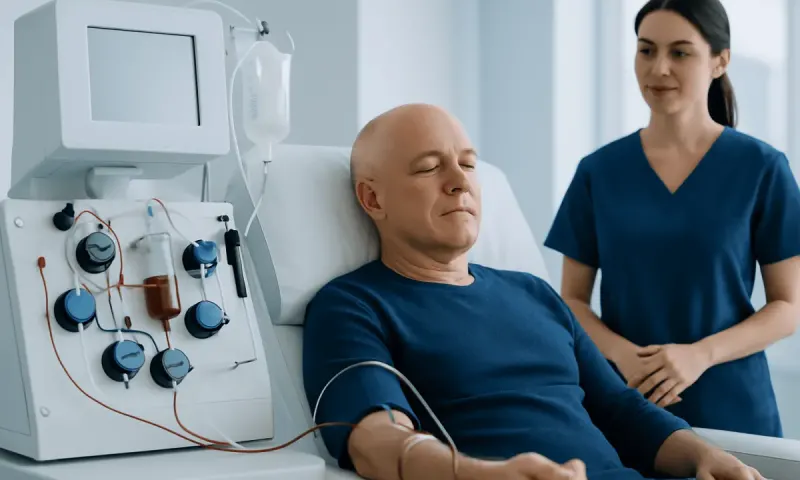
Kidney Transplant Recovery at Home: What Remote Follow-Up Usually Looks Like

Key Takeaways
- Home recovery after kidney transplant is active follow-up, not passive rest, and usually includes scheduled check-ins with the transplant team.
- Medicines, blood pressure, temperature, weight, and blood test results are common parts of remote monitoring.
- Small changes in urination, swelling, fever, pain, or fatigue deserve prompt attention, especially in the early weeks.
- Infection prevention, hydration guidance, wound care, and medication timing are central to safe recovery.
- Video visits, phone calls, local lab testing, and shared records can support follow-up when the patient is returning home or traveling from abroad.
Recovery after a kidney transplant continues well beyond the hospital stay. At home, remote follow-up helps doctors track healing, adjust medicines, and spot concerns early while the patient rebuilds daily routines.
Overview
Going home after a kidney transplant often feels like crossing a finish line, but in medical terms it is more like entering a carefully supervised second phase. The kidney has been placed and the immediate surgery is over, yet healing, medication adjustment, and infection prevention continue for weeks to months.
Remote follow-up is how that care often continues when the patient is no longer near the transplant center. It may combine telemedicine visits, local blood tests, medication reviews, and direct messaging with the transplant team. For patients who travel internationally for transplantation, this structure is especially important because the plan must work across time zones, labs, and health systems.
The overall goal is straightforward: protect the new kidney, detect problems early, and help the patient return to everyday life with confidence. A good follow-up plan also gives the patient clear instructions about what is normal, what needs a call, and what should be treated urgently.
What Recovery at Home Usually Feels Like
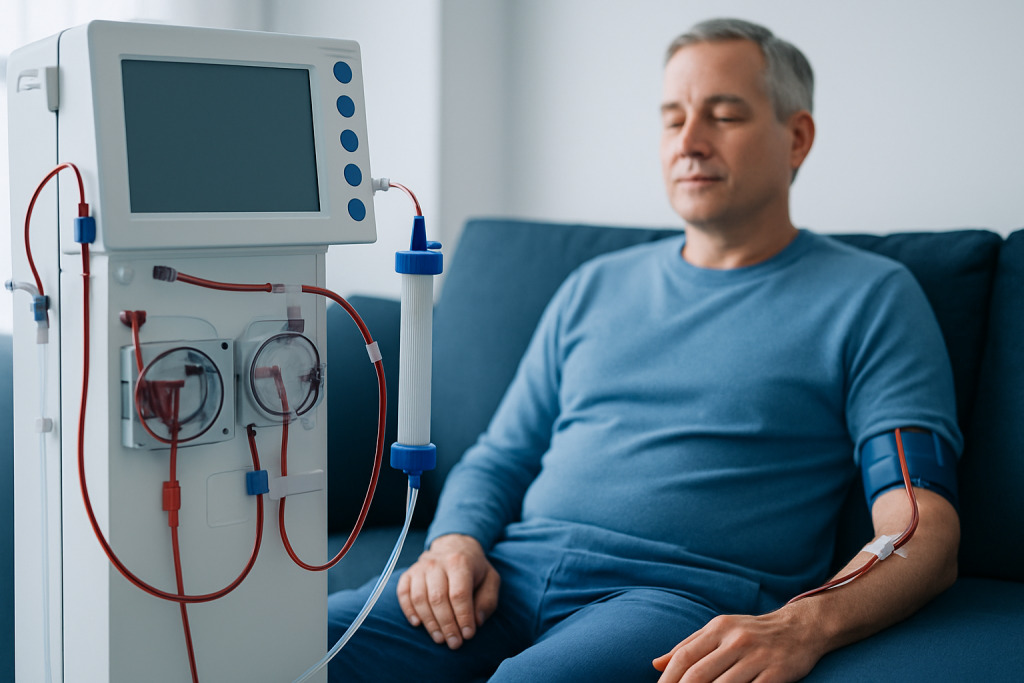
The first days at home are often shaped by fatigue, a sensitive abdomen, and the discipline of taking medicines on time. Many patients sleep more than usual, move a little more each day, and gradually rebuild their appetite and stamina. The pace is different for everyone, but recovery is usually measured in small steps rather than dramatic leaps.
It is common for the transplant team to ask the patient to keep a simple daily record. That record may include temperature, blood pressure, weight, fluid intake, urine output, blood sugar if relevant, and any symptoms such as swelling or pain. These details help the team see patterns that may not be obvious from a single conversation.
Remote follow-up works best when the patient treats those measurements as part of the treatment itself. The numbers are not just homework; they are a way to protect the kidney and to help the clinicians make safer decisions without needing a hospital visit for every concern.
Symptoms and Changes to Watch For

Some discomfort is expected after Organ Transplant Surgery: Step-by-Step From Evaluation to Recovery" class="ahp-ilk">transplant surgery, but recovery should gradually become easier rather than more difficult. Mild incision soreness, tiredness, and some digestive upset from medicines can happen early on. What matters most is whether symptoms are improving and whether new changes appear.
Because the immune system is intentionally suppressed, infection signs may be subtle at first. Fever, chills, burning during urination, cough, wound redness, unusual drainage, or feeling suddenly unwell should be reported. So should decreasing urine output, new swelling, rising blood pressure, shortness of breath, or a sudden weight gain over a short time.
The transplant team may also ask about medication side effects. Tremor, headaches, nausea, mouth sores, mood changes, high blood sugar, or trouble sleeping can be related to immunosuppressive treatment and may need adjustment. A remote check-in is often the right time to mention these early, before they interfere with daily life.
Causes, Risks, and Why Follow-Up Matters
Kidney transplant recovery has two linked priorities: allowing the surgical site to heal and preventing rejection or infection. The new kidney can work very well, but it needs the right balance of immune-suppressing medication. Too little medication can increase rejection risk; too much can raise the chance of infection or other side effects.
Several factors can make home recovery more complex. These include older age, diabetes, high blood pressure, delayed kidney function after surgery, difficulty obtaining medicines, language barriers, and the distance between the patient and the transplant center. For international patients, travel plans, visas, local lab access, and time-zone differences can all affect consistency.
Remote follow-up helps by creating structure. A patient may not need to be physically near the surgeon every day, but they do need a reliable way to share symptoms, receive lab interpretation, and confirm that the medication plan still fits the current stage of healing.
How Diagnosis and Monitoring Usually Happen After Discharge
After discharge, monitoring is usually based on trends rather than one isolated result. The transplant team may review blood tests for kidney function, electrolyte balance, blood counts, and drug levels when applicable. Urinalysis and urine protein checks may also be included depending on the individual plan.
Telehealth visits often focus on the practical details of recovery. The clinician may ask about urine output, fluid intake, blood pressure, weight changes, wound appearance, appetite, and side effects. If the patient is far from the transplant center, local laboratories can often draw blood and send the results to the transplant team for interpretation.
In some cases, imaging or an in-person examination is needed if symptoms suggest a complication. Remote care is useful, but it does not replace hands-on evaluation when the kidney function changes unexpectedly or when a physical finding needs to be checked directly.
Treatment Options and What the Care Plan May Include
There is no single recovery schedule for every transplant recipient. The care plan usually combines immunosuppressive medicines, infection prevention, pain control, blood pressure management, and gradual activity increase. Medicines are often adjusted several times in the first months as the team responds to lab results and symptoms.
Patients are commonly instructed to take medication at the same times every day and to avoid skipping doses, even when they feel well. The transplant team may also review interactions with over-the-counter drugs, supplements, and herbal products. Some common pain relievers or cold remedies are not ideal after transplant, so every new medicine should be checked first.
Follow-up may include practical support such as medication reminders, shared lab schedules, and written action plans for fever or missed doses. For international patients, a coordinated approach can link the transplant center with a local physician so that care remains consistent after the journey home.
- Regular medicine review and dose adjustment
- Blood tests and urine checks at planned intervals
- Blood pressure and weight monitoring at home
- Infection prevention guidance and wound care
- Communication with a local doctor when needed
Prevention and Self-Care at Home
Good self-care after kidney transplant is mostly about consistency. Patients are usually encouraged to wash hands frequently, avoid close contact with people who are sick, protect the incision as instructed, and follow food safety guidance carefully. These habits reduce infection risk while the immune system is still being deliberately lowered.
Hydration, activity, and rest also matter. The transplant team may give specific guidance on fluid intake, but in general the patient should avoid dehydration and should increase walking and light movement gradually. Heavy lifting and strenuous exercise are usually delayed until the surgeon says healing is sufficient.
It helps to build a routine that is easy to maintain at home or in another country. A pill organizer, phone alarms, a thermometer, a blood pressure monitor, and a written log can make remote follow-up smoother. If the patient is traveling after treatment, it is wise to keep prescriptions, discharge notes, and contact details for the transplant team in one accessible place.
When to See a Doctor
Prompt medical contact is important if the patient develops fever, chills, reduced urine output, increasing swelling, shortness of breath, worsening pain, redness around the incision, or any drainage from the wound. These changes do not always mean a serious problem, but they should be reviewed quickly.
The patient should also contact the transplant team if a dose of immunosuppressive medicine is missed, if vomiting makes medicines hard to keep down, or if blood pressure readings become unexpectedly high or low. A rising creatinine or other abnormal lab result should be discussed without delay, even if the patient feels fine.
Emergency care is appropriate if there is severe breathing difficulty, chest pain, confusion, fainting, heavy bleeding, or an inability to pass urine. When in doubt, it is safer to ask early. Transplant teams are used to guiding patients through uncertain situations and can often help decide whether remote monitoring is enough or whether in-person evaluation is needed.
For patients seeking care across borders, Acibadem Health Point’s multidisciplinary specialists and JCI-accredited hospitals diagnose and treat kidney transplant patients with coordinated follow-up designed to support international recovery.
Frequently asked questions
01How often is remote follow-up needed after a kidney transplant?
Follow-up is usually most frequent in the early weeks after surgery and becomes less frequent as recovery stabilizes. The exact schedule depends on kidney function, lab results, and the transplant center’s protocol. Many patients still need regular check-ins for months, and some continue long-term monitoring.
02Can kidney transplant recovery be safely monitored from another country?
Yes, in many cases it can, if there is a clear plan for labs, medication review, and urgent communication. The transplant team may coordinate with a local doctor or laboratory to keep care continuous. The key is making sure the patient has a reliable way to share results and symptoms promptly.
03What daily measurements are most useful at home?
Temperature, blood pressure, weight, fluid intake, and urine output are commonly tracked. These can help the team spot infection, fluid retention, medication effects, or changes in kidney function early. Patients should use the exact routine recommended by their transplant team.
04Is it normal to feel tired for a while after transplant surgery?
Yes, fatigue is common during recovery, especially while the body heals and medications are being adjusted. Energy usually improves gradually rather than all at once. If tiredness is severe, worsening, or linked to other symptoms, the patient should report it.
05Which medicines should not be started without asking the transplant team?
Over-the-counter pain relievers, cold medicines, supplements, and herbal products should all be checked first. Some can interact with immunosuppressive drugs or affect kidney function. The safest approach is to ask before starting anything new.
06When should a local doctor be involved in follow-up?
A local doctor can be helpful for blood tests, blood pressure checks, wound review, and routine care between transplant-center visits. This is especially useful for patients who live far away from the transplant hospital. The transplant team should remain informed so both sides are working from the same plan.
This article is for general information only and is not a substitute for professional medical advice. Please consult a qualified doctor about your individual situation.
Explore treatments in Turkey — costs, top hospitals & a free quote
JCI-accredited · board-certified surgeons · reply within 24h
Add us as a Preferred Source to see more of our trusted health content across Google Search, AI Overviews and Discover.