What Happens When a Kidney Stone Starts to Move
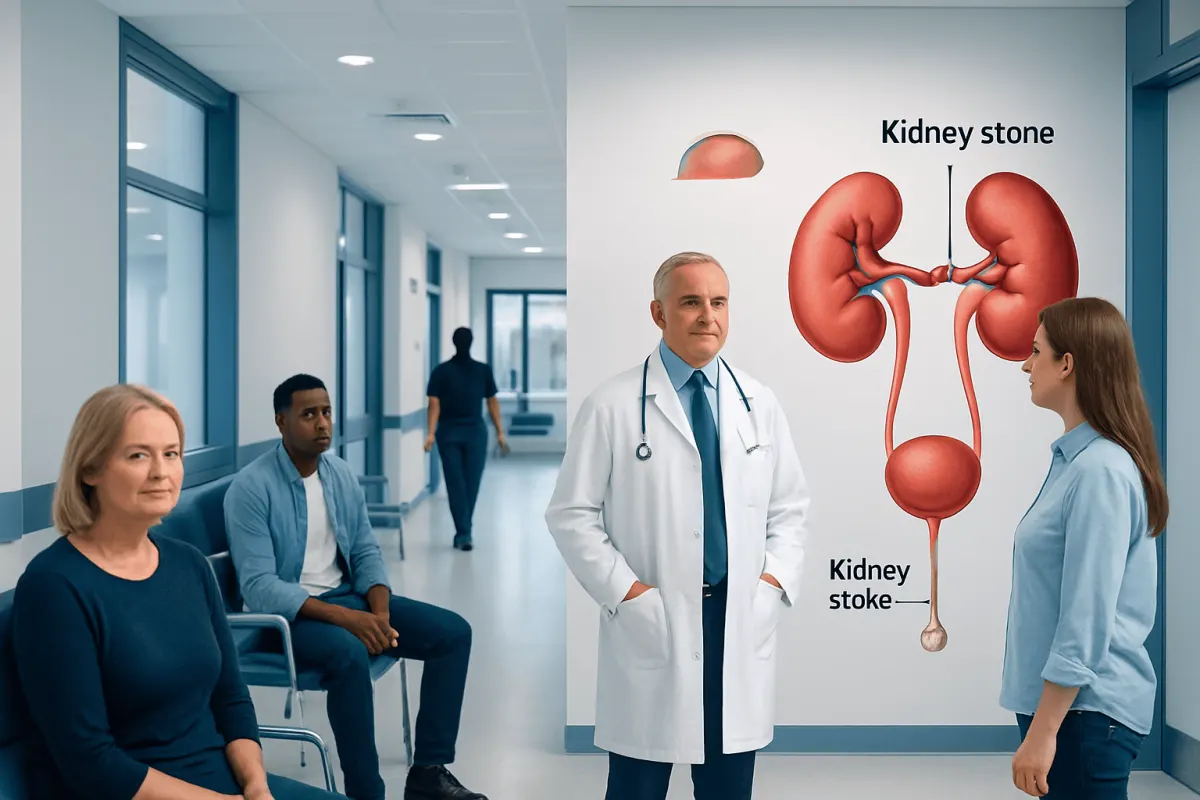
One moment you feel fine. The next, a pain in your side stops you mid-step and won’t let go. That is often how a kidney stone announces itself.
Kidney stones are hard mineral deposits that form in the kidneys. Some pass on their own; others need treatment, depending on their size, location, and the symptoms they cause. Watch for side pain, nausea, and blood in the urine — and see a doctor promptly if you have fever, vomiting, or trouble passing urine.
Overview: what kidney stones are
Kidney stones are hard, crystal-like deposits that develop when certain substances in the urine become concentrated and stick together. They can form in the kidneys and then move into the ureters, the tubes that carry urine to the bladder. Some stones are very small and pass without much difficulty, while others grow larger and may cause blockage, pain, or infection.
Here is the tricky part: a stone usually doesn’t hurt when it forms. Symptoms begin when it starts to move or blocks the flow of urine. That’s why you can carry a stone for months without knowing it, then suddenly find yourself in severe pain.
Not all stones are alike. There are calcium stones, uric acid stones, struvite stones, and cystine stones — and knowing which type you have matters, because treatment and prevention differ from person to person. A good long-term plan usually combines relieving your symptoms, imaging, and steps to keep new stones from forming.
How kidney stones feel and what symptoms they cause
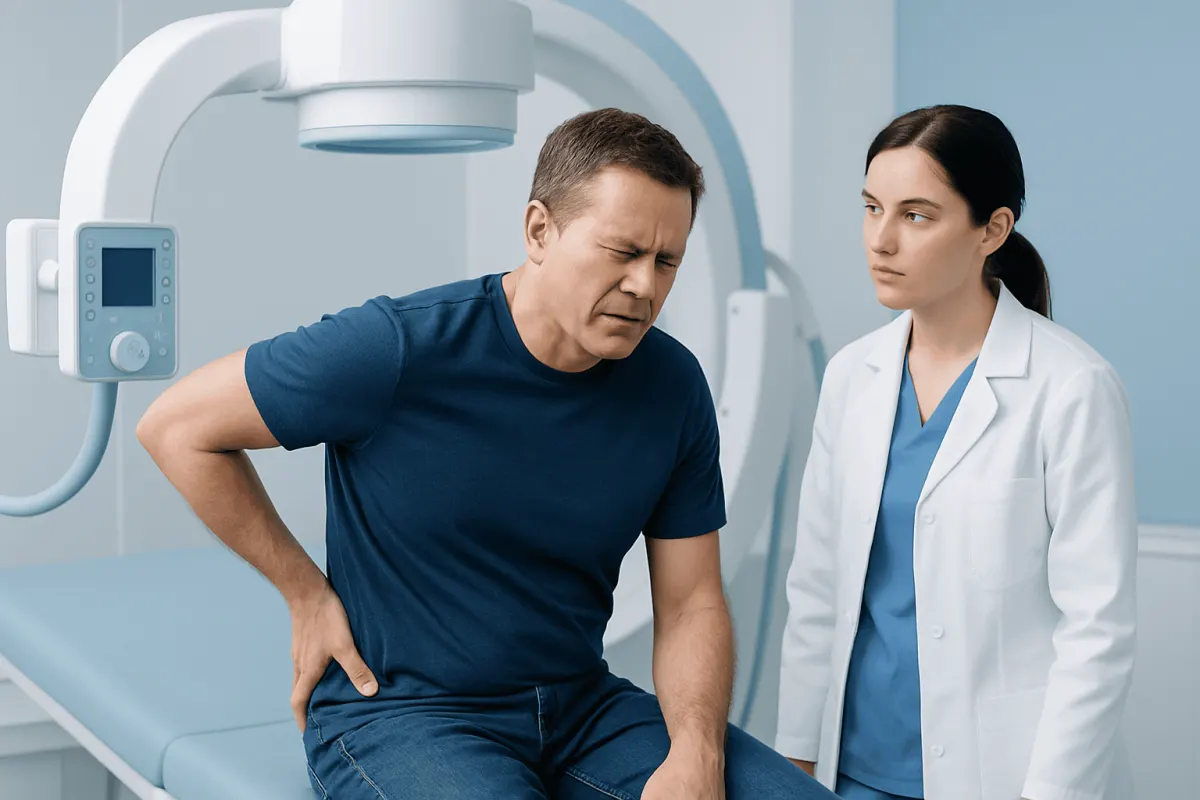
The most recognized symptom of kidney stones is pain that begins in the side or back, often below the ribs, and may spread toward the lower abdomen or groin. This pain can come in waves and vary in intensity as the stone moves. Many people describe it as sudden, sharp, and difficult to ignore.
Other symptoms can include nausea, vomiting, a frequent urge to urinate, pain with urination, cloudy urine, or urine that looks pink, red, or brown because of blood. Some people notice only mild discomfort or urinary urgency, especially if the stone is small and closer to the bladder.
Keep in mind that these symptoms overlap with other urinary problems, including urinary tract infection. So don’t assume every flank pain is a stone. If you have fever, chills, or burning along with urinary symptoms, your doctor may need to rule out an infection or a blocked urinary tract.
- Sudden pain in the back, side, lower abdomen, or groin
- Blood in the urine
- Nausea or vomiting
- Urinary urgency or frequent urination
- Pain or burning during urination
- Cloudy or foul-smelling urine
Why kidney stones form: causes and risk factors
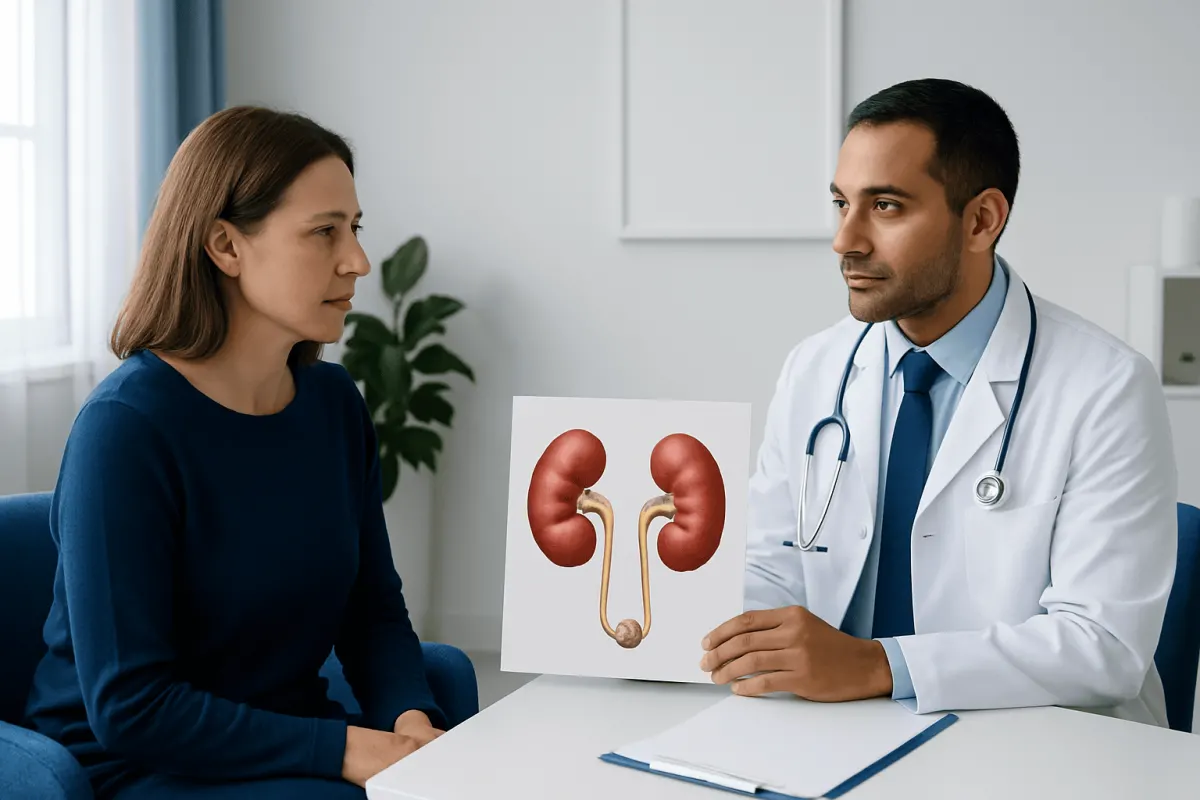
Kidney stones usually form when urine becomes too concentrated, allowing minerals and salts to crystallize. Low fluid intake is one of the most common reasons for this. When the body does not have enough water, the urine contains less fluid to dilute stone-forming substances such as calcium, oxalate, and uric acid.
Diet, family history, and medical conditions can also play a role. A person may be more likely to develop stones if they have had them before, have a close relative with stones, eat a diet very high in salt, or consume too much animal protein. Certain digestive conditions, obesity, recurrent urinary infections, and some medications can also increase risk.
Different stone types have different triggers. Calcium stones are the most common and may be linked to calcium and oxalate balance in the urine. Uric acid stones may form more easily in acidic urine and can be associated with dehydration or a diet high in purines. Cystine stones are related to a rare inherited disorder, while struvite stones are often linked to infection.
Stones tend to come back. That’s why your doctor may suggest a closer evaluation after a first stone, and more detailed testing if you keep getting them — blood tests, urine studies, and lab analysis of a stone you’ve passed or had removed.
How doctors diagnose kidney stones
Diagnosis begins with the symptoms, medical history, and physical examination. A doctor will ask where the pain is located, when it started, whether there is nausea or blood in the urine, and whether the patient has had stones before. They will also consider conditions that can mimic stones, such as infection, appendicitis, gallbladder disease, or gynecologic causes of pain.
Urine tests can show blood, crystals, signs of infection, or substances linked to stone formation. Blood tests may help assess kidney function and identify abnormalities in calcium, uric acid, or other relevant markers. If a stone is passed, analyzing it can help guide prevention.
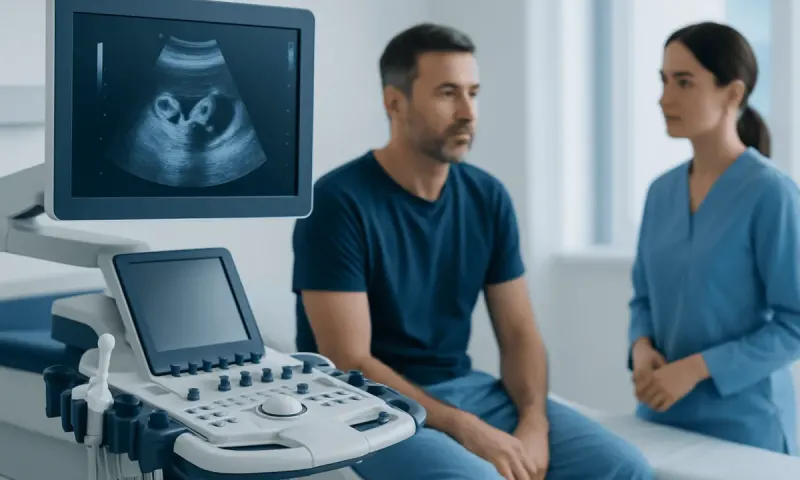
Imaging is often needed to confirm the diagnosis and see the stone’s size and location. Ultrasound is commonly used, especially in situations where radiation should be minimized. CT scanning can provide more detailed information and is often helpful when the diagnosis is uncertain or symptoms are severe. In selected cases, a patient may also be evaluated with advanced imaging or CT scan as part of the broader diagnostic workup, depending on the clinical picture and the doctor’s judgment.
Treatment options: from pain relief to stone removal
Treatment depends on the size of the stone, where it is located, whether it is causing blockage, and whether infection is present. Small stones often pass on their own with time, fluids, and medicines to control pain and nausea. A doctor may also prescribe medication to relax the ureter and help the stone pass more easily in selected cases.
Larger stones or stones that are stuck may need a procedure. Common approaches include shock wave treatment to break a stone into smaller fragments, endoscopic removal through the urinary tract, or surgery for more complex cases. If urine flow is blocked or there is infection, urgent drainage may be necessary before definitive stone treatment.
In patients who need intervention, minimally invasive options are often considered first. Depending on the stone’s size and location, treatment may involve kidney stone treatment techniques such as shock wave lithotripsy or ureteroscopy. When a stone is too large, unusually hard, or anatomically difficult to access, a surgeon may discuss urologic care tailored to the patient’s needs.
The goal isn’t just getting this stone out — it’s protecting your kidney function and cutting the chance of the next one. Keep up with follow-up, especially if pain continues, stones return, or there is concern about a blockage. Some people are also given preventive medication, chosen according to stone type and urine chemistry.
Prevention and self-care after a stone episode
Preventing kidney stones usually starts with hydration. Drinking enough fluid helps dilute urine and lowers the chance that crystals will form. For many people, the aim is to produce consistently pale urine through the day, though exact fluid needs vary with climate, activity, and medical conditions.
Dietary changes may also help, but prevention should be individualized. Some people benefit from reducing excess salt, limiting very high intakes of animal protein, and avoiding dehydration during exercise or travel. It is usually not advisable to cut out calcium completely, because normal dietary calcium can actually help reduce absorption of oxalate in the gut.
After a stone has passed or been removed, a doctor may recommend stone analysis and a 24-hour urine collection. These tests can identify patterns such as high calcium, high oxalate, low citrate, or acidic urine. Based on the results, prevention may include specific dietary guidance or medication.
People with repeated stones should also review their overall health with a clinician. Conditions involving the kidneys, metabolism, or digestive tract can increase stone risk. In some cases, a broader kidney evaluation may be appropriate, particularly if imaging suggests another urinary problem such as a kidney mass that needs separate assessment, although kidney stones themselves are not a form of cancer.
When to seek medical care
If you suspect a kidney stone for the first time, have severe pain, or see blood in your urine, get checked. Even when the symptoms seem typical, a proper diagnosis matters — other urgent conditions can look very similar. And if your symptoms don’t improve or keep coming back, don’t wait it out.
Go urgently if you have fever, chills, repeated vomiting, can’t keep fluids down, are passing very little urine, or have trouble urinating. These can signal infection, dehydration, or a blocked urinary tract — all of which may need prompt treatment to protect your kidneys.
Pregnant patients, older adults, and people with one kidney, Kidney Disease: Stages, Blood Tests, and Slowing Progression" class="ahp-ilk">chronic kidney disease, or a weakened immune system should seek care early. Near the end of the care pathway, some patients may benefit from coordinated evaluation by radiology, nephrology, and urology teams. Acıbadem Health Point’s multidisciplinary specialists and JCI-accredited hospitals diagnose and treat kidney stone disease for international patients when advanced assessment or intervention is needed.
Frequently asked questions
01Can kidney stones go away on their own?
Yes, many small kidney stones can pass without a procedure. Whether this is likely depends on the stone’s size, location, and whether it is blocking urine flow or causing complications. A doctor can advise on safe monitoring and when treatment is needed.
02What does kidney stone pain feel like?
Kidney stone pain often starts suddenly in the side or back and may move toward the lower abdomen or groin. It can come in waves and may be accompanied by nausea, vomiting, or blood in the urine. The intensity can change as the stone moves.
03Are kidney stones dangerous?
They can be, especially if they block urine flow or occur with infection. A stone that causes fever, chills, severe vomiting, or reduced urination needs urgent medical attention. Prompt treatment helps prevent kidney damage and other complications.
04What foods can increase the risk of kidney stones?
Risk may rise with a diet very high in salt, excess animal protein, and poor fluid intake. Some people also need to pay attention to oxalate-rich foods, but dietary advice should be individualized. A doctor or dietitian can guide prevention based on the stone type.
05How are kidney stones diagnosed?
Doctors usually use symptoms, urine testing, blood tests, and imaging. Ultrasound and CT scans are commonly used to locate the stone and assess whether it is causing blockage. If a stone is passed, laboratory analysis can help with prevention planning.
06Can kidney stones come back?
Yes, recurrence is common, especially without preventive measures. Drinking enough fluids, following personalized dietary advice, and completing any recommended urine or stone analysis can lower the risk. Follow-up matters because prevention depends on why the stone formed.
This article is for general information only and is not a substitute for professional medical advice. Please consult a qualified doctor about your individual situation.
Persistent digestive symptoms? Get evaluated in Turkey
JCI-accredited · board-certified surgeons · reply within 24h
Add us as a Preferred Source to see more of our trusted health content across Google Search, AI Overviews and Discover.