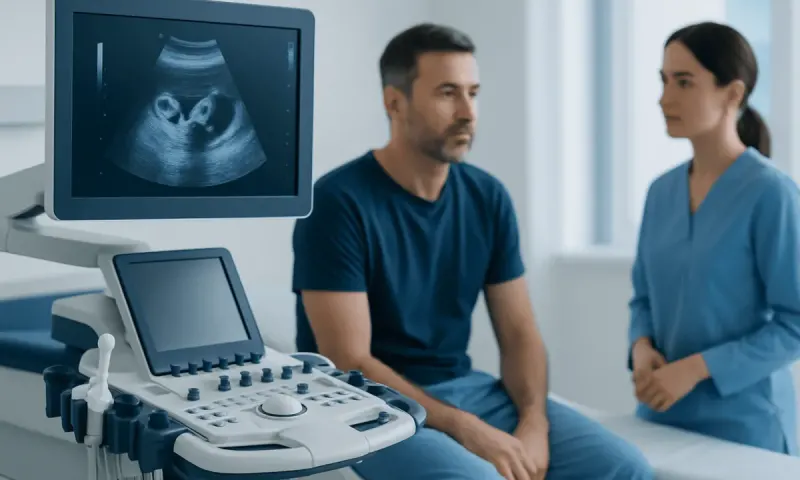
Kidney Stone Removal: Shock Wave Therapy, Ureteroscopy, or Surgery?

Kidney stone removal is not the same for everyone. The best option depends on the stone’s size, location, hardness, symptoms, and whether it is causing infection or blockage.
Overview: How kidney stone removal is chosen
Kidney stones are hard mineral deposits that form in the urinary tract. Some are small enough to pass naturally with fluids, time, and pain relief. Others can become stuck, cause severe pain, block urine flow, or trigger infection. When this happens, active kidney stone removal may be needed.
The main treatment choices are shock wave therapy, ureteroscopy, and surgery. A doctor chooses among these based on several factors, including the size of the stone, where it is located, how hard it appears, whether it is causing blockage, and the person’s overall health. There is no single “best” treatment for all stones.
In general, less invasive treatments are considered first when they are likely to work safely. Shock wave therapy breaks stones into smaller pieces from outside the body. Ureteroscopy uses a thin scope passed through the urinary tract to find and remove or break the stone. Surgery, most commonly percutaneous stone surgery, is usually used for larger or more complex stones.
When is kidney stone removal needed?
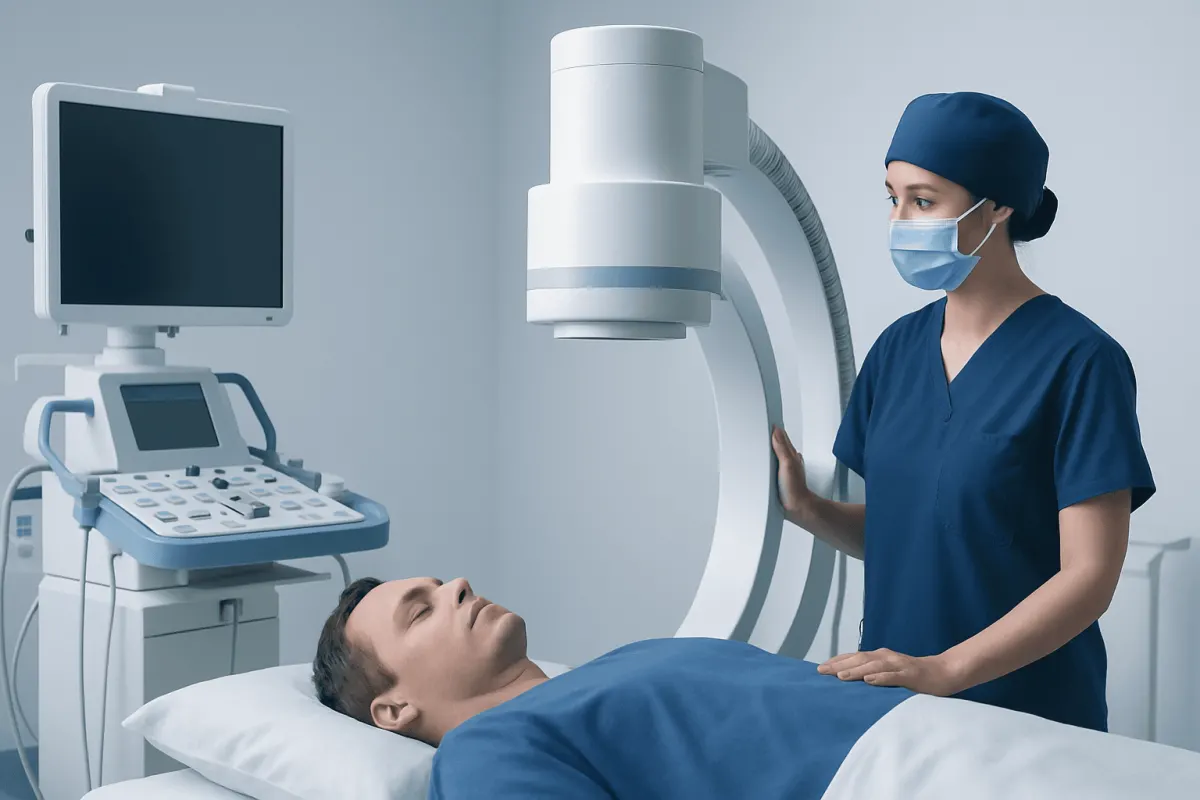
Not every kidney stone needs a procedure. Very small stones may pass without surgery, especially if they are already moving through the ureter. During this time, a doctor may recommend fluids, pain control, anti-nausea medicine, and sometimes medication to help the stone pass.
Kidney stone removal becomes more likely when the stone is too large to pass, causes repeated or severe pain, blocks the flow of urine, or does not move over time. A stone may also need treatment if it leads to bleeding, repeated urinary infections, or impaired kidney function.
Urgent treatment may be necessary if a stone is combined with infection. Fever, chills, and flank pain together can suggest an infected blockage, which is a medical emergency. In that situation, the first priority is usually to drain the kidney and stabilize the patient before definitive stone removal.
Shock wave therapy: who it helps and what to expect
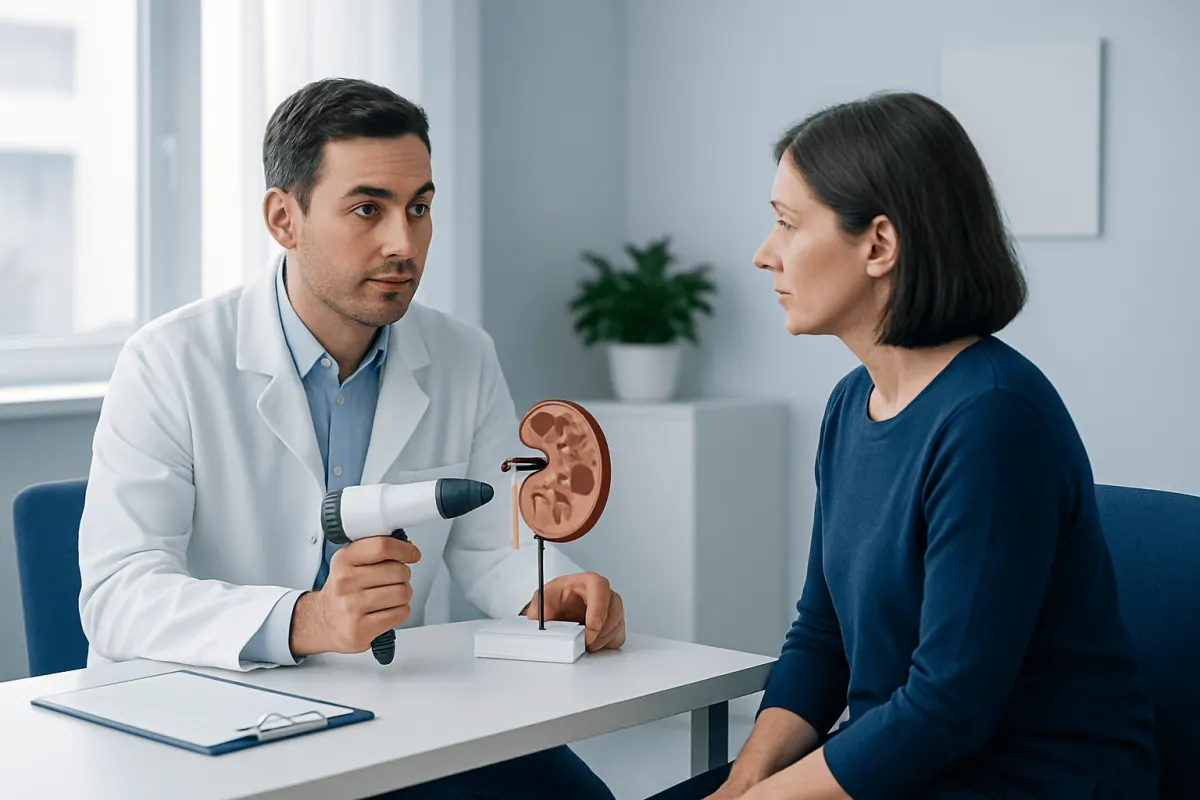
Shock wave therapy, also called extracorporeal shock wave lithotripsy, uses sound waves from outside the body to break a stone into smaller fragments. These fragments can then pass through the urine over time. This option is generally most suitable for selected stones in the kidney or upper ureter, especially when they are not very large.
The treatment does not require a surgical incision. It is usually performed with imaging guidance to target the stone accurately. Depending on the case, sedation or anesthesia may be used so the patient remains comfortable during the procedure.
Shock wave therapy can work well, but it is not ideal for every stone. Very hard stones, larger stones, lower kidney stones, or stones in people with certain body types may be harder to treat this way. After treatment, some people need more than one session, and small fragments may still take days or weeks to pass. Related care may include kidney stone treatment planning based on the stone’s size and location.
- Often best for smaller stones
- Non-invasive, with no incision
- May require repeat treatment
- Stone fragments still need to pass naturally
Ureteroscopy: a common minimally invasive option
Ureteroscopy is a procedure in which a urologist passes a very thin scope through the urethra and bladder into the ureter or kidney. Because it uses the body’s natural urinary pathway, there is no external incision. The doctor can directly see the stone and either remove it with a small basket or break it into pieces using a laser.
This method is commonly used for stones in the ureter and is also widely used for many stones inside the kidney. It can be a good choice when shock wave therapy is less likely to work, when faster stone clearance is preferred, or when the stone is causing significant symptoms. For many patients, ureteroscopy offers an effective balance between precision and recovery.
After the procedure, a temporary ureteral stent may be placed to help urine drain and reduce swelling. A stent can cause short-term urinary urgency, frequency, or discomfort, but these effects usually improve after removal. Recovery is often quicker than with surgery, although follow-up may still be needed to confirm that all stone fragments are gone.
When surgery is considered for kidney stones
Surgery is usually reserved for larger stones, stones with a complex shape, stones that fill much of the kidney, or stones that have not responded to less invasive treatments. The most common surgical approach is percutaneous nephrolithotomy, in which the surgeon reaches the kidney through a small opening in the back to remove or break the stone.
This approach is often recommended for large kidney stones because it can clear more stone material in a single treatment. Compared with shock wave therapy or ureteroscopy, it is more invasive, but it may offer the best chance of removing heavy stone burden efficiently. Some people with unusual anatomy or multiple large stones may also need a tailored surgical plan.
Open surgery is now uncommon for kidney stones, but it may still be considered in very selected situations. If a person has a large or difficult stone, a specialist may discuss percutaneous stone surgery as the most appropriate option. Kidney stones themselves may be discussed as kidney stones when reviewing treatment choices and prevention.
How doctors decide between shock wave therapy, ureteroscopy, and surgery
Several details help doctors choose the safest and most effective treatment. Stone size is one of the most important. Smaller stones may be suitable for shock wave therapy, while larger stones often respond better to ureteroscopy or percutaneous surgery. Location also matters, since a stone in the kidney is treated differently from one lower in the ureter.
The stone’s composition and hardness can affect the likelihood of successful fragmentation. Imaging tests may suggest whether a stone is dense and difficult to break. A person’s anatomy, pregnancy status, use of blood thinners, body habitus, infection risk, and other health conditions are also part of the decision.
Patient priorities matter as well. Some people prefer a non-invasive option even if repeat sessions may be needed, while others prefer a single procedure with higher immediate stone clearance. A urologist will explain expected benefits, limits, recovery, and follow-up so the treatment plan fits the individual situation.
Diagnosis, recovery, and preventing future stones
Before treatment, doctors usually confirm the stone with imaging such as ultrasound, X-ray, or CT. Urine and blood tests help check for infection, kidney function, and possible causes of stone formation. In some cases, the passed or removed stone is analyzed to learn its type, such as calcium oxalate, uric acid, or another composition.
Recovery depends on the procedure used. After shock wave therapy, mild soreness and blood in the urine for a short time can occur as fragments pass. After ureteroscopy, temporary burning with urination, urgency, or discomfort from a stent may happen. Surgical recovery usually takes longer and may require a brief hospital stay, but many people improve steadily with appropriate follow-up.
Prevention is an important part of care because kidney stones can recur. General measures often include drinking enough fluids, limiting excess salt, and following stone-specific dietary advice if a stone type is known. Some people benefit from medication or evaluation for underlying metabolic causes. In complex cases, multidisciplinary teams, including those at Acıbadem Health Point’s JCI-accredited hospitals, can assess treatment needs and long-term prevention for international patients.
When to see a doctor urgently
A person should seek medical care promptly for severe flank pain, persistent vomiting, visible blood in the urine, or pain that does not improve. These symptoms do not always mean an emergency, but they should be assessed, especially if they are new or intense.
Urgent evaluation is especially important if there is fever, chills, confusion, or difficulty passing urine. A blocked urinary tract with infection can become serious and needs rapid treatment. People with one kidney, known kidney disease, pregnancy, or weakened immunity should also contact a doctor early if kidney stone symptoms develop.
Even after treatment, follow-up matters. Imaging may be needed to confirm stone clearance, and ongoing care may help reduce the chance of future stones. A qualified urologist can advise which removal method is most appropriate and whether further testing is needed.
Frequently asked questions
01Which kidney stone removal method is best?
The best method depends on the stone’s size, location, hardness, and whether it is causing blockage or infection. Shock wave therapy, ureteroscopy, and surgery each have a role, and a urologist chooses based on what is most likely to clear the stone safely.
02Is shock wave therapy painful?
Shock wave therapy can cause discomfort, but sedation or anesthesia is often used to keep the patient comfortable. Afterward, some soreness or cramping may occur as stone fragments pass in the urine.
03How long does it take to recover after ureteroscopy?
Many people recover relatively quickly after ureteroscopy and return to normal activities within a few days, depending on the procedure and their overall health. If a temporary stent is placed, urinary discomfort or urgency may continue until the stent is removed.
04When is surgery necessary for kidney stones?
Surgery is usually considered for large stones, complex stones, or stones that are unlikely to respond to shock wave therapy or ureteroscopy. It may also be used when there is a heavy stone burden and quicker, more complete removal is needed.
05Can kidney stones come back after removal?
Yes, kidney stones can recur even after successful removal. That is why stone analysis, hydration, diet changes, and sometimes medication are important parts of long-term prevention.
06Do all kidney stones need to be removed?
No. Some small stones can pass on their own with fluids, pain management, and medical supervision. Removal is more likely if the stone is too large, causes severe symptoms, blocks urine flow, or leads to infection.
This article is for general information only and is not a substitute for professional medical advice. Please consult a qualified doctor about your individual situation.
Persistent digestive symptoms? Get evaluated in Turkey
JCI-accredited · board-certified surgeons · reply within 24h
Add us as a Preferred Source to see more of our trusted health content across Google Search, AI Overviews and Discover.