Keratosis: Symptoms, Causes and Treatment

Key Takeaways
- Keratosis is an umbrella term for several skin conditions, not one single disease.
- Many keratoses are benign, but some lesions can resemble or progress toward skin cancer and should be checked.
- Treatment depends on the type, size, location, symptoms, and whether the lesion is suspicious.
- Sun protection, gentle skin care, and avoiding picking can help reduce irritation and recurrence.
- A dermatologist can confirm the diagnosis and tailor treatment, including for patients traveling from abroad.
Keratosis is a broad term for skin conditions that cause rough, thickened, or raised patches, often from excess keratin buildup. Most forms are harmless, but some types need medical evaluation to relieve symptoms or rule out precancerous change.
Overview
Keratosis is a general medical term used for skin changes caused by an excess of keratin, the protein that helps form the outer layer of the skin. In everyday practice, the word often refers to a range of specific conditions that create rough, thickened, scaly, or wart-like spots.
Some forms are mainly a cosmetic concern, while others deserve closer attention because they can mimic more serious skin problems. That is why the most useful first step is not to guess the name from appearance alone, but to have the spot assessed in context: where it is located, how long it has been present, and whether it has changed over time.
For international patients, this matters because skin lesions are often evaluated during a short window between arrival and treatment planning. A dermatologist can usually narrow the diagnosis quickly with a careful examination and decide whether observation, removal, or a biopsy is the best next step.
Symptoms and Common Types
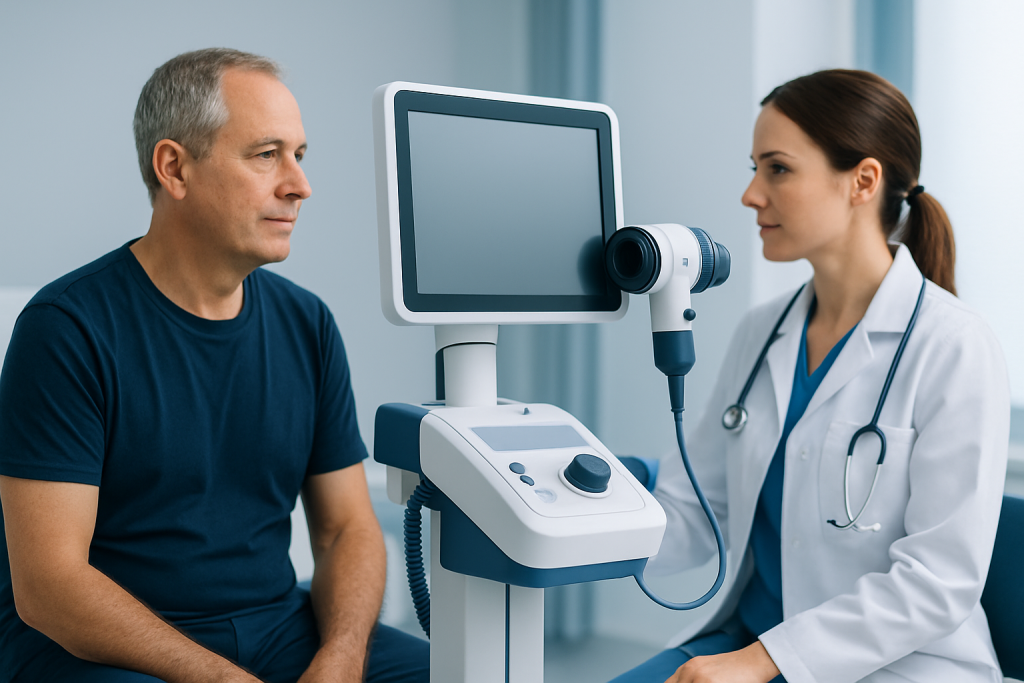
Keratosis can look different depending on the subtype. A person may notice a dry, sandpaper-like patch, a brown or tan rough growth, a small bump that feels stuck on, or a cluster of thickened skin on the feet, hands, or scalp.
Some common forms include actinic keratosis, seborrheic keratosis, keratosis pilaris, and callus-related keratosis. Each has its own typical pattern. Actinic keratosis often appears on sun-exposed skin, seborrheic keratosis tends to look like a harmless “stuck-on” growth, and keratosis pilaris usually causes tiny rough bumps, often on the arms or thighs.
- Rough, scaly, or crusted surface
- Skin-colored, brown, red, or yellowish appearance
- Mild itching, tenderness, or irritation in some cases
- Slow growth or repeated friction-related thickening
- New change in shape, color, bleeding, or healing pattern
Most keratotic lesions do not cause pain. Still, any spot that becomes irritated, bleeds without clear cause, or changes noticeably should be evaluated rather than watched indefinitely.
Causes and Risk Factors

The underlying cause is usually repeated stimulation of the skin that leads to extra keratin production. Sun exposure is a major trigger for some types, especially actinic keratosis. Friction, pressure, inherited skin tendencies, aging, and skin type also influence the pattern a person develops.
Risk factors vary by subtype. People with long-term sun exposure, outdoor work, a history of sunburns, lighter skin, or a weakened immune system have a higher chance of actinic keratosis. Seborrheic keratosis is more common with age and often runs in families. Keratosis pilaris is frequently seen in people with dry skin, eczema, or a personal family tendency toward similar rough bumps.
It is also important to remember that not every rough lesion is keratosis. Warts, eczema, psoriasis, and some skin cancers can look similar at first glance. This overlap is one reason a trained clinician may recommend a closer look, especially when the lesion is new, persistent, or unusual in one specific spot.
Diagnosis
Diagnosis usually begins with a medical history and a skin examination. A dermatologist will ask when the lesion first appeared, whether it is changing, whether there is pain or itching, and whether similar spots have appeared elsewhere on the body.
In many cases, the appearance alone is enough to identify the type. A dermatoscope may be used to examine the lesion more closely, especially if the spot is pigmented or has an irregular border. If there is uncertainty or concern about precancerous change, a biopsy may be recommended to confirm the diagnosis.
Patients visiting from another country often appreciate a streamlined approach: assessment, imaging or dermatoscopic review if needed, and a clear treatment plan that accounts for travel timing and follow-up back home. The goal is to avoid unnecessary procedures while still making sure suspicious lesions are not missed.
Treatment Options
Treatment depends on the type of keratosis and the reason it is being treated. Some lesions require only reassurance and observation, while others are removed because they are bothersome, cosmetically unwanted, or potentially precancerous.
Actinic keratosis is commonly treated with methods such as cryotherapy, topical therapies, or other physician-directed procedures that destroy abnormal surface cells. Seborrheic keratosis is often removed with cryotherapy, curettage, or other in-office techniques if it is irritated or bothersome. Keratosis pilaris is usually managed with skin care rather than procedures.
- Observation: Appropriate for stable, clearly benign lesions
- Freezing or destruction: Common for selected superficial lesions
- Topical treatment: Used in some precancerous or inflammatory patterns
- Removal/biopsy: Considered when diagnosis is uncertain or features are concerning
- Skin care regimen: Helpful for dryness and rough texture in keratosis pilaris
Choosing the right method is less about using the most aggressive option and more about matching the treatment to the exact lesion. That individualized approach is especially valuable for patients who need a plan that can continue safely after they return home.
Prevention and Self-care
Not every form of keratosis can be prevented, but some habits can reduce irritation and lower risk. Daily sun protection is one of the most important steps for protecting sun-exposed skin and reducing the chance of actinic keratoses developing over time.
For rough or dry skin patterns, gentle care usually works better than scrubbing. Mild cleansers, regular moisturizers, and avoiding picking or scratching can help the skin settle. When friction is part of the problem, reducing pressure from shoes, tools, or repetitive rubbing may prevent thickened areas from returning.
Practical self-care often includes:
- Using broad-spectrum sunscreen and protective clothing
- Moisturizing after bathing and during dry weather
- Avoiding harsh exfoliation or home removal attempts
- Monitoring spots for change in size, color, or bleeding
- Keeping a simple photo record if a doctor is watching a lesion over time
If a person is traveling for care, it helps to ask the dermatologist what changes should trigger follow-up once back home. A clear written plan can make ongoing monitoring much easier.
When to See a Doctor
Medical evaluation is advisable when a skin spot is new, persistent, painful, bleeding, or clearly changing. It is also wise to seek advice when a lesion does not fit the usual pattern of a harmless keratosis, especially if it has an irregular border, multiple colors, rapid growth, or a wound that does not heal.
People with extensive sun exposure, a personal history of skin cancer, or a weakened immune system should be particularly attentive to actinic-type changes. Even when a lesion seems minor, a dermatologist can determine whether it is safe to observe or whether treatment should happen sooner.
For international patients, choosing a center that can coordinate diagnosis, procedure planning, and follow-up instructions in a single visit can be reassuring. Acibadem Health Point brings together multidisciplinary specialists and JCI-accredited hospitals to diagnose and treat keratosis for international patients with coordinated care.
Living With Keratosis
Many people live comfortably with keratosis once they understand what type they have and what the skin tends to do over time. The experience is often less about urgent illness and more about ongoing skin monitoring, symptom relief, and sensible prevention.
That is why accurate identification is so useful. A benign seborrheic keratosis may only need removal if it catches on clothing or causes concern, while an actinic keratosis may call for treatment and periodic skin checks. The plan should reflect the individual lesion, not just the word “keratosis” on its own.
With a careful diagnosis and a practical follow-up plan, most patients can manage keratosis without major disruption to daily life. When needed, a dermatologist can also help decide whether a lesion should be treated during a short travel stay or monitored after the patient returns home.
Frequently asked questions
01Is keratosis the same as skin cancer?
No. Keratosis is a broad term for skin thickening or rough lesions, and many types are benign. However, some forms, especially actinic keratosis, can be precancerous or resemble skin cancer, so medical evaluation is important when a lesion changes or looks unusual.
02Can keratosis go away on its own?
Some types may become less noticeable with time, especially when dryness or friction improves. Others, such as seborrheic keratosis, usually persist unless removed, and actinic keratosis often needs treatment rather than waiting.
03Does keratosis cause itching?
It can, but not always. Itching is more common when the skin is dry, irritated, or rubbed by clothing, and it is usually not a sign of danger by itself unless other changes are also present.
04How do doctors tell keratosis from a wart or mole?
A dermatologist looks at the pattern, texture, location, and any change over time. A dermatoscope or biopsy may be used if the lesion is not clearly benign or if there is concern about a different diagnosis.
05What is the most important self-care step?
Sun protection is especially important for sun-related keratoses, and gentle skin care helps many rough skin conditions feel better. Avoid picking or trying to remove a lesion at home, since that can irritate the skin and make diagnosis harder.
06When should a keratosis be removed?
Removal is often considered when a lesion is bothersome, repeatedly irritated, cosmetically unwanted, or uncertain in diagnosis. A doctor may also recommend treatment sooner if the lesion has features that need closer assessment.
This article is for general information only and is not a substitute for professional medical advice. Please consult a qualified doctor about your individual situation.
Hair transplant in Turkey — costs, graft counts & a free assessment
JCI-accredited · board-certified surgeons · reply within 24h
Add us as a Preferred Source to see more of our trusted health content across Google Search, AI Overviews and Discover.