Keratin Plugs Are Trapped Keratin in Pores and Follicles

Run your hand over the back of your upper arm. If it feels a bit like fine sandpaper, or you keep noticing tiny plugs sitting in your pores that never seem to budge, you’re looking at something very common: keratin plugs.
These are small accumulations of keratin, a protein your skin makes, that collect in pores or hair follicles. They are often harmless. But they can look like rough bumps, white or dark plugs, or stubborn clogged pores, and they may overlap with common skin conditions.
Overview: What Keratin Plugs Are
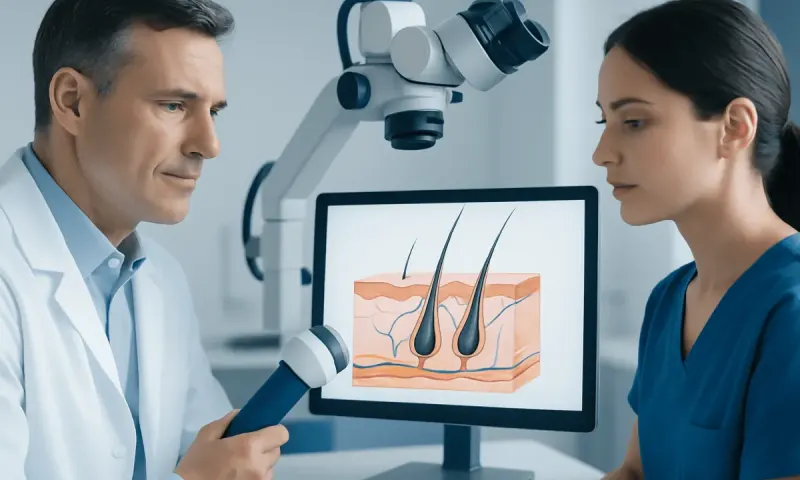
Keratin plugs are small buildups of keratin, a natural protein found in the outer layer of skin, hair, and nails. They develop when keratin, oil, and dead skin cells collect inside a pore or hair follicle instead of shedding normally. In many people, they appear as tiny rough bumps, small white or skin-colored plugs, or darkened material trapped in an opening on the skin.
You’ll see the term used a lot online, but keratin plugs are not always a diagnosis on their own. More often, they are a feature of several skin conditions, especially those involving clogged follicles. A person may notice them on the arms, thighs, face, buttocks, scalp, or other areas where hair follicles are present.
Most of the time they are harmless and mainly a cosmetic bother. The catch is that they can look a lot like blackheads, milia, keratosis pilaris, or folliculitis. So if a spot is persistent or changing and you are not sure what it is, have a qualified clinician take a look.
How Keratin Plugs Look and Feel
Keratin plugs can vary in appearance depending on where they form and what skin condition is present underneath. Some look like tiny rough bumps that make the skin feel like sandpaper. Others appear as visible plugs in enlarged pores or follicles, sometimes white, yellowish, gray, or darker if the material is exposed to air and oxidizes.
They may be completely symptom-free, but some people notice dryness, mild itch, rough texture, or irritation after shaving, scrubbing, or using harsh products. In conditions such as keratosis pilaris, the surrounding skin may look red or slightly inflamed. If a follicle becomes infected or inflamed, tenderness and pus can develop, which suggests a different or more complicated issue than simple plugging.
Common features include:
- Tiny rough bumps on the upper arms, thighs, cheeks, or buttocks
- Small plugs in hair follicles or enlarged pores
- Dry or flaky skin around the area
- Skin that feels uneven rather than smooth
- Occasional redness, especially after friction or scratching
Because so many skin concerns look alike, appearance alone doesn’t always tell you the cause. Your doctor will usually look at the pattern, the location, and any other symptoms before deciding whether these are simple keratin plugs or part of another condition.
Why Keratin Plugs Form

The skin constantly renews itself. Normally, dead cells rise to the surface and shed naturally. Keratin plugs form when this process becomes less efficient and keratin collects within follicles or pores. Dry skin can make this more noticeable because the skin barrier is less smooth and the normal shedding process may be disrupted.
Genetics often play a role. For example, keratosis pilaris tends to run in families and is strongly linked with buildup of keratin in hair follicles. People with eczema-prone or very dry skin may also be more likely to notice plugs because their skin barrier is more easily irritated. Seasonal changes, especially cold or low-humidity weather, can make the bumps appear more prominent.
Other contributing factors may include use of heavy or occlusive skin products, friction from tight clothing, repeated picking, and skin conditions that affect oil flow or cell turnover. In acne-prone areas, keratin can mix with sebum and form comedones. This overlap is one reason a clinician may consider related concerns such as acne when evaluating clogged pores or persistent bumps.
Conditions Commonly Associated With Keratin Plugs
Keratin plugs are most often discussed in connection with keratosis pilaris, a very common condition that causes tiny rough follicular bumps, usually on the upper arms and thighs. The bumps are usually harmless, but they may become more obvious in dry weather or in people with sensitive skin. If this pattern is present, a doctor may identify it as keratosis pilaris rather than using the broader term keratin plugs alone.
Another common overlap is with acne and clogged pores. In these cases, keratin contributes to the earliest stages of comedone formation by blocking the follicle opening. Milia, which are small firm white cysts just under the skin, also contain keratin but are different from simple surface plugs and may require different management.
Less commonly, plugged follicles may appear with scalp disorders, chronic sun damage, or inflammatory skin conditions. If lesions are painful, draining, bleeding, spreading quickly, or appearing in unusual patterns, they should not be assumed to be simple keratin buildup. A dermatologist can help distinguish among look-alike conditions and suggest the most appropriate care.
Diagnosis: How Doctors Evaluate Keratin Plugs
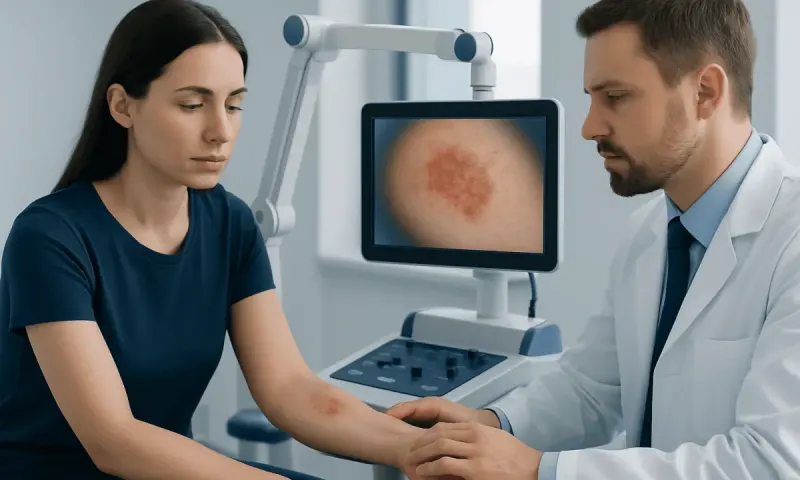
Diagnosis is usually clinical, meaning a doctor examines the skin and asks about symptoms, skin-care habits, and family history. The location of the bumps, how long they have been present, whether they itch or hurt, and whether there is associated acne, eczema, or dryness can all provide useful clues. In many straightforward cases, no special testing is needed.
A clinician may also ask about products used on the skin, recent hair removal methods, friction from clothing, and any attempts at extraction. Close examination helps distinguish keratin plugs from blackheads, ingrown hairs, bacterial folliculitis, milia, or inflammatory rashes. If there are signs of infection, significant inflammation, or diagnostic uncertainty, further assessment may be recommended.
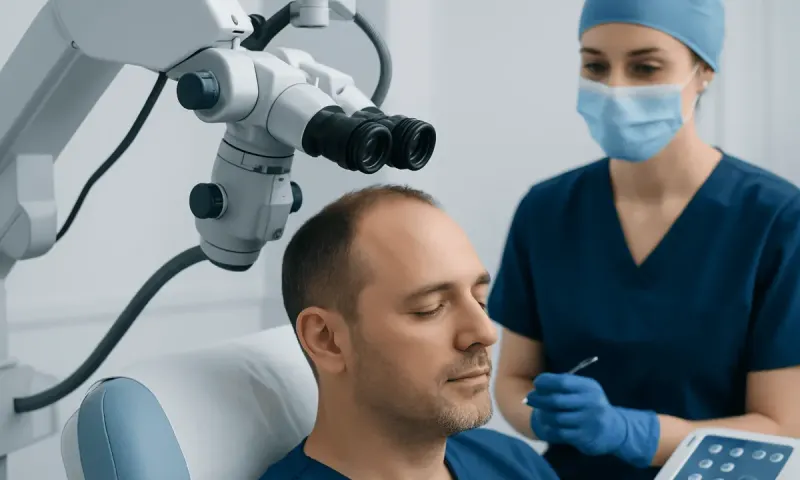
Occasionally, a dermatologist may use magnification or perform a minor procedure if another diagnosis is suspected. This is uncommon for simple keratin plugs but can be helpful when a lesion is persistent, unusual, or not responding to routine care. The aim is not only to identify the plugs themselves but to understand the skin condition causing them to recur.
Treatment Options and Safe Removal
Treatment depends on the cause, severity, and how much the plugs bother the person. For many, the main goals are to soften the buildup, improve skin texture, and reduce recurrence rather than to remove every plug immediately. Gentle daily skin care is the foundation: mild cleansing, regular moisturizing, and avoiding aggressive scrubs or picking that can damage the skin barrier.
Products containing chemical exfoliants may help some people by loosening dead skin cells and promoting smoother shedding. These may include ingredients such as urea, lactic acid, glycolic acid, or salicylic acid, depending on the area and skin sensitivity. In certain cases, doctors may recommend prescription topical retinoids to normalize cell turnover, especially when plugs are part of a broader acne or follicular disorder. Patients considering specialist care for persistent clogged pores, rough bumps, or scarring concerns may benefit from a dermatology evaluation and, in selected cases, dermatology treatment.
Please don’t squeeze them. Squeezing can push the material deeper, increase inflammation, and leave discoloration or scars. If a plug needs to be removed for diagnosis or symptom relief, it is safer to have it assessed by a trained professional. In people with associated acne, individualized care may include acne treatment when follicular blockage and breakouts occur together.
Give it time. Skin turnover is slow, so even a routine that works may take several weeks of consistent use before you feel the texture change. If over-the-counter care causes burning, severe dryness, or worsening redness, the routine may need adjustment.
Prevention and Everyday Skin Care
Prevention focuses on supporting healthy skin turnover and protecting the skin barrier. A simple routine is often more effective than frequent product changes. Gentle cleansing once or twice daily, avoiding very hot water, and applying moisturizer after bathing can help reduce dryness that makes plugs more visible.
People prone to rough follicular bumps may do best with fragrance-free moisturizers and occasional use of keratolytic products, as tolerated. Heavy rubbing with loofahs, rough brushes, or harsh scrubs is not recommended, because irritation can make the skin look redder and feel rougher even if the plugs seem temporarily improved. Loose, breathable clothing can also reduce friction in commonly affected areas.
Helpful self-care steps include:
- Use mild, non-stripping cleansers
- Moisturize regularly, especially after showering
- Introduce exfoliating ingredients slowly to avoid irritation
- Avoid picking, squeezing, or scraping bumps
- Protect the skin from excessive sun exposure with appropriate sun protection
For some people, rough bumps that keep coming back are simply a long-term but manageable skin pattern, not a sign of poor hygiene. Sticking with one gentle routine usually beats piling on several strong treatments at once.
When to Seek Medical Care
Medical advice is a good idea if supposed keratin plugs are painful, inflamed, bleeding, draining, or rapidly changing. Care is also warranted when bumps spread widely, fail to improve with gentle home care, or are causing significant cosmetic distress. These features can suggest a condition other than simple keratin buildup or point to a need for prescription treatment.
A doctor should also evaluate lesions around the eyes, recurrent scalp problems, severe itching, or plugs associated with repeated infection. Children, people with very sensitive skin, and those with chronic skin disease may benefit from individualized guidance before using exfoliating products. If a person is unsure whether the bumps are keratin plugs, blackheads, milia, or something else, a dermatologist can clarify the diagnosis.
When a case is stubborn or complicated, specialist input helps. At Acıbadem Health Point, our multidisciplinary specialists in JCI-accredited hospitals evaluate and treat skin conditions for international patients, including those who need tailored skin care and dermatology support.
Frequently asked questions
01Are keratin plugs the same as blackheads?
Not exactly. Both involve material trapped in a pore or follicle, but blackheads are a type of open comedone associated with acne, while keratin plugs may occur in several skin conditions, including keratosis pilaris. They can look similar, which is why diagnosis sometimes needs a professional eye.
02Can keratin plugs go away on their own?
Yes, some can improve over time, especially if the skin barrier becomes healthier and normal shedding resumes. However, people who are prone to dry skin or keratosis pilaris may notice that plugs recur. Regular gentle skin care often helps keep them less noticeable.
03Is it safe to squeeze or pick keratin plugs?
Usually no. Picking or squeezing can irritate the skin, increase redness, and lead to marks or scarring. If a lesion is stubborn or concerning, it is safer to have it evaluated rather than trying to extract it at home.
04What ingredients help with keratin plugs?
Ingredients that gently loosen dead skin and soften rough buildup may help, such as urea, lactic acid, glycolic acid, or salicylic acid. The best choice depends on skin type, body area, and sensitivity. A doctor or dermatologist can suggest the safest option if the skin is reactive or the diagnosis is unclear.
05Are keratin plugs a sign of poor hygiene?
No. Keratin plugs are related to skin turnover, follicle blockage, genetics, and dryness, not simply cleanliness. Over-washing or harsh scrubbing can actually make the skin more irritated and the texture more noticeable.
06When should someone worry about a keratin plug?
Concern is reasonable if a bump becomes painful, very red, swollen, bleeds, drains pus, or changes quickly. These features may suggest infection, inflammation, or another skin condition that needs medical attention. Any uncertain or persistent lesion is worth having checked.
This article is for general information only and is not a substitute for professional medical advice. Please consult a qualified doctor about your individual situation.
Hair transplant in Turkey — costs, graft counts & a free assessment
JCI-accredited · board-certified surgeons · reply within 24h
Add us as a Preferred Source to see more of our trusted health content across Google Search, AI Overviews and Discover.