

Kamalaya Koh Samui Health Check Colon Hydrotherapy: Procedure, Benefits, Risks and Recovery
- 9 min read
- Published November 26, 2026
Key Takeaways
- Colon hydrotherapy is an optional procedure, not a standard digestive-health treatment for most people.
- Some people report short-term relief from bloating or a feeling of lightness, but evidence for lasting health benefits is limited.
- Risks can include dehydration, cramping, infection, and worsening of certain bowel or medical conditions.
- People with abdominal pain, bowel disease, kidney problems, or recent surgery should ask a doctor before considering it.
- Recovery is usually brief, but hydration and gentle eating afterward are often recommended.
- A medical evaluation is the safest way to decide whether symptoms need colon hydrotherapy or a different test or treatment.
Colon hydrotherapy is a procedure that uses filtered water to gently flush the large intestine, but it is not routinely needed for most people and should be considered carefully. This article explains how it is performed, what patients may expect after it, and the safety questions worth discussing with a clinician first.
Overview
For people searching for kamalaya koh samui health check colon hydrotherapy, the key question is usually simple: what is it, and is it actually appropriate? Colon hydrotherapy, also called colonic irrigation or colon cleansing, involves introducing filtered water into the rectum and large intestine to flush out stool and liquid waste. It is offered in some wellness settings, but it is not a routine medical procedure for general digestive care.
From a medical perspective, the large bowel already has a built-in cleaning system. For most healthy adults, regular bowel movements and adequate fluid, fiber, and activity are enough to support normal function. Colon hydrotherapy may be discussed in certain wellness contexts, but it should never replace a medical evaluation for symptoms such as constipation, abdominal pain, rectal bleeding, unexplained weight loss, or persistent bloating.
For international patients thinking about care while traveling, it is especially important to distinguish between a spa-style wellness service and a clinician-led digestive assessment. The safest approach is to understand the procedure clearly, review the possible benefits and limits, and confirm whether another diagnosis or treatment would be more appropriate.
What the procedure involves
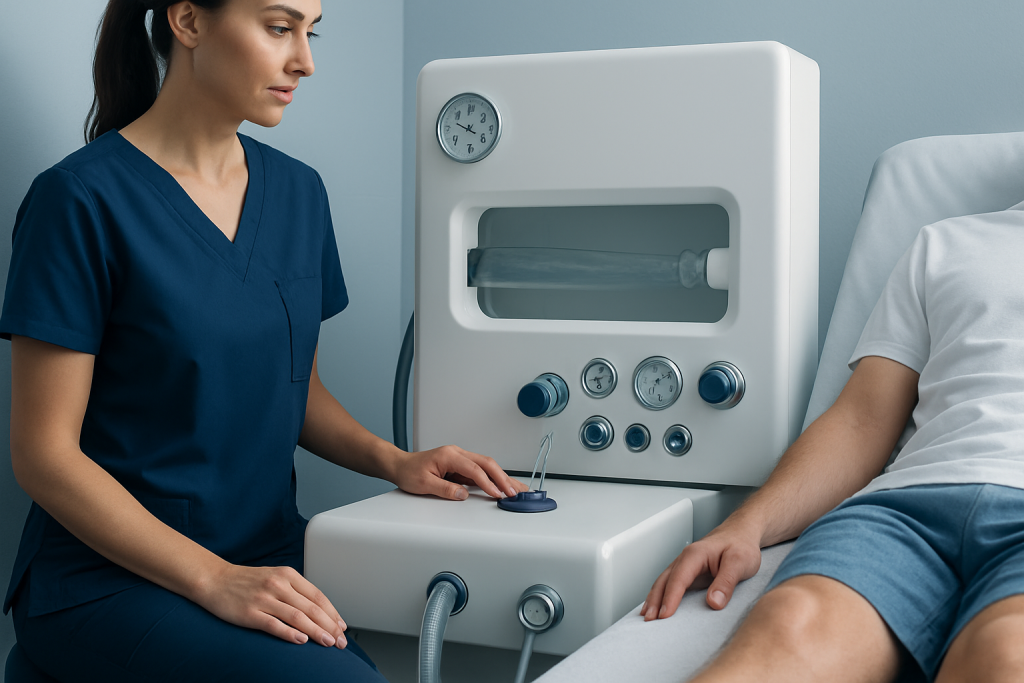
During colon hydrotherapy, a trained practitioner typically uses a disposable tube or nozzle to deliver filtered, temperature-controlled water into the lower bowel. A closed system is often used so that waste is carried away through tubing into a drain. Sessions may last around 30 to 60 minutes, depending on the setting and the individual’s comfort.
People usually lie on a treatment table, and privacy is maintained as much as possible. Some services may include abdominal massage or changes in water flow, but the basic idea is the same: water is used to encourage bowel evacuation. A responsible provider should ask about medical history, recent surgery, symptoms, medications, and prior colon or rectal problems before proceeding.
It is helpful to know what colon hydrotherapy is not. It is not the same as colonoscopy, which is a diagnostic procedure performed by a physician to look inside the colon. It is also not a treatment for most chronic digestive disorders, and it does not remove the need for medical testing when symptoms suggest a more serious problem.
Possible benefits and what the evidence shows

Some people report a feeling of lighter abdomen, temporary relief of constipation, or a subjective sense of cleansing after colon hydrotherapy. In a wellness context, that experience may be meaningful to the individual, especially if they have been uncomfortable with bloating or infrequent bowel movements. However, these short-term impressions are not the same as proven medical benefit.
The evidence supporting routine colon hydrotherapy for general health is limited. There is no strong medical consensus that it improves detoxification, boosts immunity, or provides lasting digestive benefit in otherwise healthy people. The body’s liver, kidneys, intestines, and skin already handle waste removal through normal physiology.
When symptoms are present, the more important question is why they are happening. Chronic constipation, changes in stool pattern, pain, or digestive upset may point to dehydration, low fiber intake, medication side effects, irritable bowel syndrome, thyroid problems, or another condition that deserves proper assessment. A treatment that only clears the bowel temporarily may not address the underlying cause.
Risks, side effects, and who should avoid it
Colon hydrotherapy is not risk-free. Common short-term side effects can include cramping, nausea, diarrhea, bloating, dizziness, and fatigue. If the procedure is too aggressive or performed without adequate hygiene, it may also cause dehydration or irritation of the rectum and bowel.
More serious concerns, though less common, include infection, bowel perforation, electrolyte imbalance, and worsening of existing bowel disease. These risks are one reason the procedure is not recommended for everyone. Individuals with inflammatory bowel disease, diverticulitis, severe hemorrhoids, rectal bleeding, recent abdominal surgery, heart disease, kidney disease, or a history of bowel obstruction should get medical advice first.
It is also wise to be cautious if a person has unexplained symptoms such as fever, significant abdominal pain, vomiting, or blood in the stool. In those situations, colon hydrotherapy could delay the right diagnosis and may not be safe. A clinician can help determine whether the symptoms suggest simple constipation or something that needs a different kind of care.
How recovery usually feels
Recovery after colon hydrotherapy is generally brief. Some people feel normal soon after the session, while others notice transient tiredness, mild abdominal discomfort, or increased bowel activity for a short time. These effects usually settle with rest, hydration, and a light diet.
After the procedure, many providers suggest drinking water and avoiding very heavy meals right away. Gentle foods may be easier to tolerate if the bowel feels sensitive. If someone develops persistent pain, ongoing diarrhea, faintness, fever, or rectal bleeding after treatment, medical review is needed rather than waiting for symptoms to pass on their own.
Travelers should also think about recovery in practical terms. If they are away from home, they may prefer to schedule the procedure when they can rest afterward and avoid long transfers, strenuous activities, or important meetings immediately after. A little planning can make the experience safer and more comfortable.
Prevention, safer choices, and self-care for bowel health
Most people looking for bowel relief do better with simple, evidence-based measures before considering colon hydrotherapy. Adequate fluid intake, regular physical movement, and a balanced diet with enough fiber often help the bowel work more predictably. If constipation is frequent, it is worth reviewing medications, travel routines, stress, and eating patterns.
Practical self-care can include gradually increasing fiber, using a consistent time for bathroom visits, and responding to the urge to pass stool rather than delaying it. For some people, a doctor may recommend a targeted laxative or another treatment, especially if constipation has been present for weeks or keeps returning. That approach is often safer and more effective than repeated cleansing procedures.
- Drink enough water through the day unless a doctor has advised fluid restriction.
- Include fiber-rich foods gradually to avoid extra bloating.
- Move regularly, even with short walks.
- Seek medical advice if bowel habits change suddenly or persistently.
- Avoid colon hydrotherapy if there is active bowel disease, rectal bleeding, or recent surgery unless a doctor specifically approves it.
How a doctor decides whether it is appropriate
A medical assessment usually starts with the symptoms themselves. A doctor will ask about stool frequency, stool consistency, pain, travel, diet, medicines, prior bowel conditions, and any warning signs such as weight loss or bleeding. This history often reveals whether the concern is simple constipation, a functional bowel issue, or something that needs testing.
Depending on the presentation, a clinician may recommend an abdominal exam, blood tests, stool studies, imaging, or referral to gastroenterology. If there is concern about colon disease, a true diagnostic test such as colonoscopy may be more appropriate than colon hydrotherapy. The goal is to avoid treating a symptom blindly when a cause can be identified.
For international patients arranging care abroad, this step is especially important because it supports continuity after travel. A clear written plan, including what was found, what was excluded, and what follow-up is needed at home, can prevent confusion later and help the patient seek the right care if symptoms return.
When to see a doctor
Medical advice is recommended if constipation is new, persistent, or associated with pain, vomiting, blood in the stool, fever, or unexpected weight loss. It is also important to see a doctor if bowel habits change suddenly, if the abdomen becomes swollen and uncomfortable, or if over-the-counter measures are not helping. These features deserve a proper evaluation rather than a cleansing procedure.
Anyone considering colon hydrotherapy should discuss it with a qualified clinician first if they have chronic illness, take regular medications, are pregnant, or have had previous bowel surgery. A doctor can explain whether the procedure is likely to be low-risk or whether another treatment would be more suitable.
Acibadem Health Point’s multidisciplinary specialists and JCI-accredited hospitals diagnose and treat digestive conditions for international patients, helping them choose the right pathway based on medical need rather than assumptions. That kind of review is often the safest way to decide whether colon hydrotherapy has any role at all.
Frequently asked questions
01What is colon hydrotherapy in simple terms?
Colon hydrotherapy uses filtered water to help flush the lower bowel through the rectum. It is offered in some wellness settings, but it is not a standard treatment for most digestive problems. A doctor can help decide whether a symptom needs evaluation instead of cleansing.
02Does colon hydrotherapy really detox the body?
There is no strong medical evidence that colon hydrotherapy detoxifies the body better than normal liver and kidney function. The body already removes waste continuously through its own systems. For that reason, the procedure should not be viewed as a substitute for medical care or healthy habits.
03Is colon hydrotherapy safe for everyone?
No. People with bowel disease, rectal bleeding, recent abdominal surgery, kidney disease, or severe abdominal pain may face added risk. A medical review is important before considering it, especially if symptoms are ongoing or unexplained.
04What side effects might happen after the procedure?
Temporary cramping, bloating, nausea, loose stools, or tiredness can happen. Less commonly, dehydration, infection, electrolyte imbalance, or bowel injury may occur. Any persistent or severe symptom should be assessed by a doctor.
05How long does recovery usually take?
Many people feel back to normal within a short time, although some notice mild fatigue or bowel changes for several hours. Hydration and light meals may help afterward. If symptoms do not settle, medical advice is recommended.
06When should someone choose a doctor instead of colon hydrotherapy?
If there is constipation that keeps returning, abdominal pain, bleeding, fever, vomiting, or weight loss, a doctor should be seen first. These signs may point to a condition that needs testing or treatment. Colon hydrotherapy should never delay proper diagnosis.
This article is for general information only and is not a substitute for professional medical advice. Please consult a qualified doctor about your individual situation.
Medical weight-loss options in Turkey — costs & eligibility
JCI-accredited · board-certified surgeons · reply within 24h
Add us as a Preferred Source to see more of our trusted health content across Google Search, AI Overviews and Discover.



How can we help you today?
Meet an Acibadem specialist by secure video, before you travel.
Book a video visit