Jawline Operation Options, Recovery, and Facial Balance
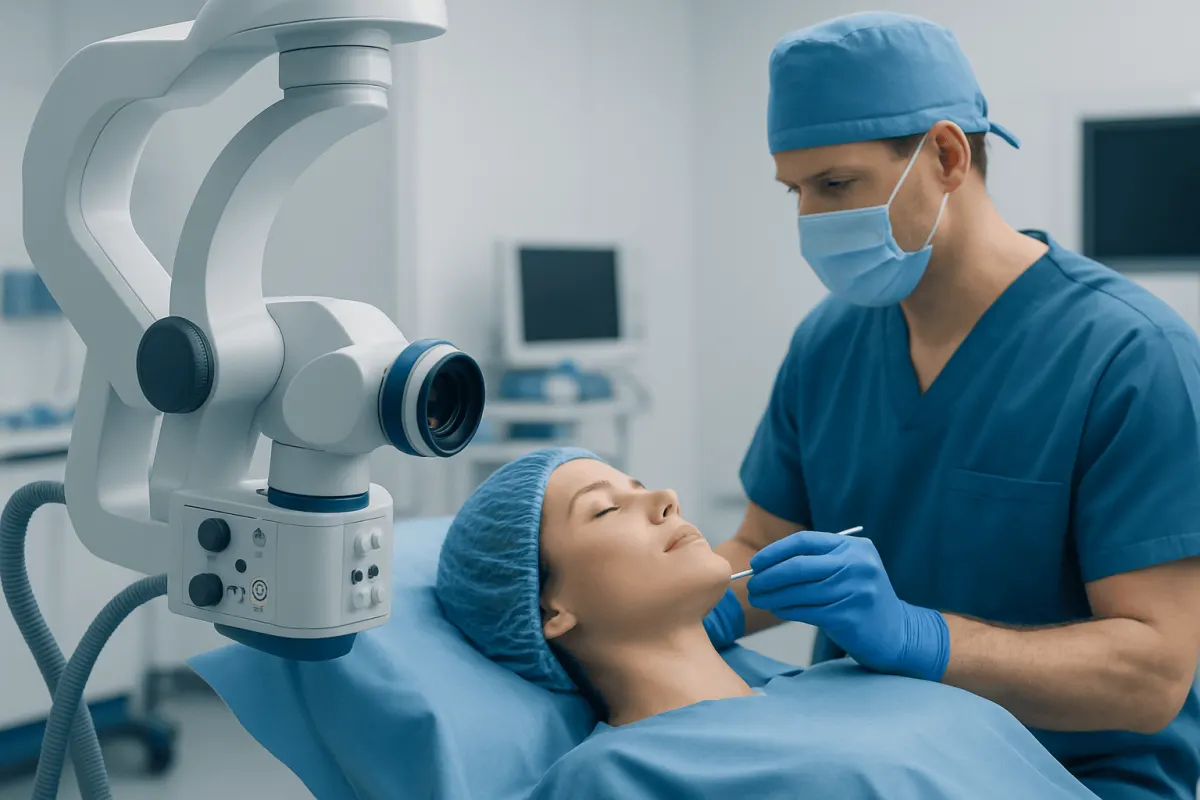
A jawline operation is a broad term for surgical procedures that change the shape, size or position of the jaw and chin. It may be performed for facial harmony, to address a small or prominent jaw, or to correct bite and jaw-position concerns that affect function.
What Is a Jawline Operation?
A jawline operation refers to surgery that reshapes, enlarges, reduces or repositions part of the lower face. The term can describe cosmetic procedures designed to improve facial proportion, as well as corrective procedures that address jaw alignment, chewing difficulties or breathing-related concerns. The specific operation is selected after careful assessment because the jawline includes the chin, lower jawbone, jaw angles, teeth, muscles and surrounding soft tissues.
For aesthetic goals, surgery may create a more defined lower facial contour, balance a recessed chin, reduce a broad jaw angle or improve the relationship between the chin, nose and neck. For functional concerns, orthognathic surgery may move the upper jaw, lower jaw or both jaws to improve how the teeth meet. These procedures are different in scope, recovery and expected outcomes, even though they are sometimes described using the same general phrase.
A safe plan begins with understanding what a person hopes to change and whether surgery is appropriate. Non-surgical options can sometimes provide temporary contour changes, but they cannot correct significant skeletal imbalance or bite problems. A surgeon should discuss alternatives as well as the likely trade-offs of each approach.
Types of Jawline Procedures
Chin augmentation can improve projection in a person with a small or recessed chin. It may involve a carefully selected implant or a sliding genioplasty, in which the chin bone is repositioned. Chin reduction may be considered when the chin is disproportionately prominent. Each approach affects the lower-face profile differently, so planning considers the lips, nose, neck and dental bite as well as the chin itself.
Jaw angle reduction, sometimes called mandibular contouring, reduces or reshapes bone at the back corners of the lower jaw. In selected patients, treatment may also address enlarged chewing muscles. Conversely, jawline augmentation may use implants or other techniques to enhance definition along the jaw angle. The most suitable option depends on bone structure, skin quality and the desired degree of change.
Corrective jaw surgery, also called orthognathic surgery, repositions the upper jaw, lower jaw or both. It is generally used for significant malocclusion, facial skeletal imbalance, certain jaw-related functional difficulties or problems not adequately managed with orthodontics alone. Treatment commonly involves coordination between an oral and maxillofacial surgeon and an orthodontist. Information about orthognathic surgery can help patients understand how corrective jaw repositioning differs from cosmetic contouring.
Some people seeking improved jaw definition may also have excess skin or fullness beneath the chin. In these situations, the surgeon may discuss whether neck-contouring procedures, rather than jawbone surgery alone, are relevant. Combining procedures is not necessary for everyone and should be considered only after an individualized evaluation.
Assessment and Surgical Planning
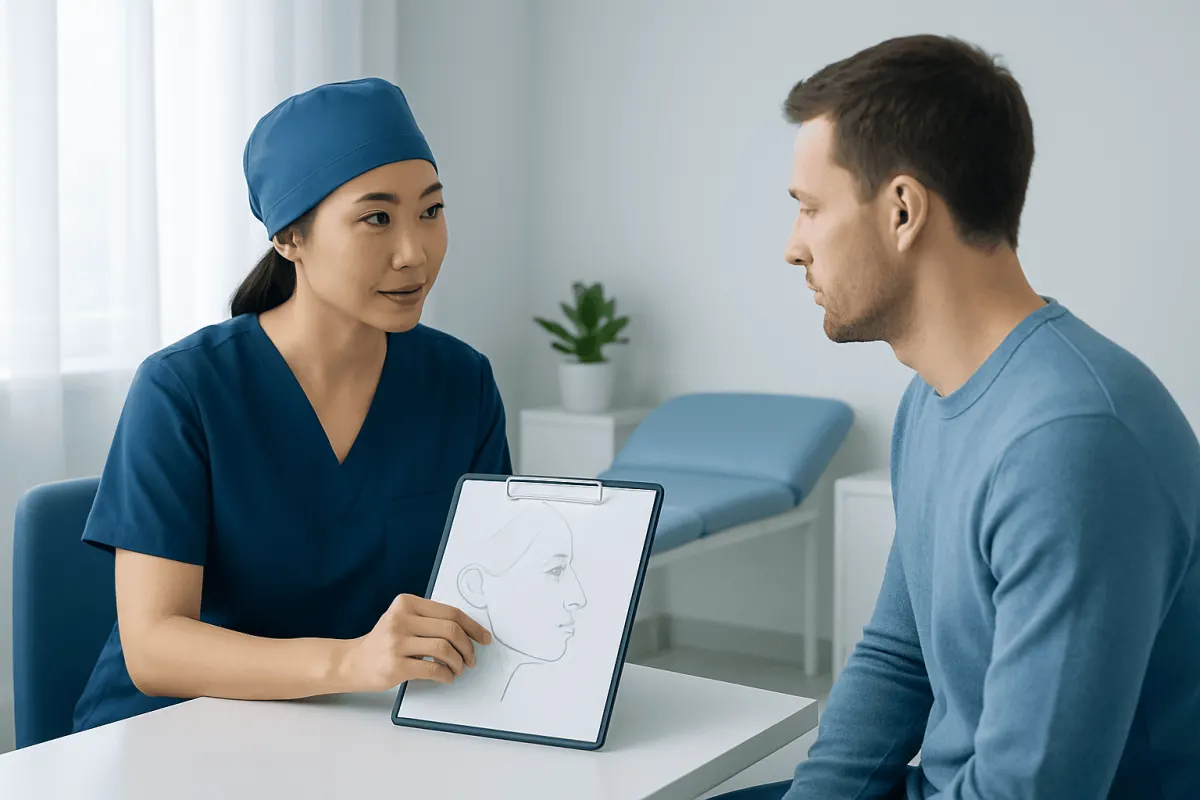
Consultation for a jawline operation should include a medical history, physical examination and an open discussion about concerns and goals. The clinician will assess facial proportions from the front and side, jaw movement, skin and soft-tissue characteristics, dental alignment and any symptoms such as jaw pain, clicking, difficulty chewing or sleep-related breathing concerns.
Imaging may include dental X-rays, panoramic imaging, cephalometric X-rays or 3D scans. For corrective jaw surgery, dental impressions or digital scans and orthodontic records are often needed. These tools help the care team plan bone movements precisely and evaluate whether the teeth and jaws can be brought into a stable relationship.
Patients should mention previous facial surgery or trauma, tooth and gum problems, medication use, smoking or nicotine exposure, bleeding conditions and chronic health conditions. Mental wellbeing and expectations are also important parts of planning. A thoughtful consultation aims for improvement rather than perfection and identifies whether the proposed change is achievable without compromising function or safety.
For people with jaw clicking, facial pain or limited opening, evaluation may also consider conditions involving the jaw joint. Temporomandibular joint disorder can require separate assessment and treatment; cosmetic jawline surgery is not a routine treatment for all jaw-joint symptoms.
What Happens During the Procedure?
The details of a jawline operation depend on the technique. Many procedures are performed under general anesthesia, particularly when bone is moved or reshaped. A chin implant may be placed through an incision inside the mouth or beneath the chin. Bone contouring and sliding genioplasty are commonly performed through incisions inside the mouth, which may avoid visible facial scars.
During jaw angle reduction, the surgeon reshapes carefully selected areas of the lower jawbone while protecting nearby nerves, teeth and soft tissues. In corrective jaw surgery, bone cuts allow the surgeon to move the jaw into the planned position. Small plates and screws are usually used to secure the bone while it heals. Orthodontic treatment before and after surgery is often an essential part of this process.
Procedure length, admission needs and dietary restrictions vary substantially. Some cosmetic procedures may be performed as day surgery, whereas more extensive jaw repositioning often requires hospital monitoring. The surgeon and anesthesia team will provide personalized instructions about fasting, medications, oral hygiene and the planned recovery setting.
When medically appropriate, plastic surgery and maxillofacial teams may use digital planning to support precise assessment of facial structure. This planning is helpful, but it does not remove normal healing variation or guarantee an identical outcome to computer-generated simulations.
Recovery, Healing and Expected Results
Swelling, bruising, tightness and temporary discomfort are common after a jawline operation. Swelling may be most noticeable during the first days and then gradually improve. Numbness of the lower lip, chin or jaw area can occur because sensory nerves lie close to the surgical field; it often improves over time, although recovery can be prolonged and, less commonly, may be incomplete.
Aftercare instructions may include keeping the head elevated, using cold compresses during the early recovery period if advised, taking prescribed or recommended pain relief, attending follow-up appointments and maintaining careful oral hygiene. A soft or liquid diet may be needed after intraoral procedures, especially after corrective jaw surgery. The care team will explain when chewing, exercise, work and social activities can be resumed.
Initial contour changes may be visible once early swelling settles, but final results take time. Bone healing and soft-tissue adaptation continue for months, particularly after jaw repositioning or extensive contouring. It is important not to judge the final result too early, as uneven swelling and temporary stiffness can make the face look different during the healing process.
Long-term results depend on the procedure, anatomy, skin elasticity, weight changes and, for functional surgery, stable dental and orthodontic follow-up. Patients should keep all planned reviews so the surgical team can monitor healing, bite stability and sensation.
Benefits, Limits and Possible Risks
A successful jawline operation can improve facial balance and, when corrective jaw surgery is indicated, may improve bite function and comfort with chewing. However, the appropriate result is individual. A procedure may refine a feature without creating an entirely different face, and natural facial asymmetry may remain even after carefully planned surgery.
All surgery carries potential risks. These can include bleeding, infection, anesthesia-related complications, fluid collection, scarring, delayed wound healing, asymmetry, persistent swelling, unsatisfactory contour and the need for further treatment. Procedures near the jaw can also involve changes in sensation, injury to teeth or roots, bite changes, joint symptoms or issues with fixation hardware, depending on the operation performed.
Smoking and nicotine products can interfere with blood flow and healing, increasing complication risk. Patients should follow the surgeon’s guidance about stopping nicotine, managing medications and preparing for surgery. They should also ensure that any active dental infection or gum disease is addressed before an operation involving the mouth or jawbone.
Choosing an appropriately trained surgeon and discussing both expected improvements and possible complications supports informed decision-making. A second opinion can be helpful when a procedure is extensive, when the suggested treatment plan is unclear, or when a patient has significant functional symptoms.
Preparing for Surgery and Supporting Recovery
Preparation commonly includes completing requested medical tests, arranging transport and support after anesthesia, preparing suitable soft foods if needed and planning time away from strenuous activities. Patients should ask their surgeon which medications, supplements and herbal products need review before surgery, as some can affect bleeding or anesthesia. They should not stop prescribed medication without advice from the clinician who manages it.
Good oral health supports safe healing after procedures performed through the mouth. Regular tooth brushing, any recommended mouth rinses and dental care before surgery can reduce avoidable problems. Adequate nutrition, hydration and sleep also support recovery, although dietary advice should follow the exact instructions from the surgical team.
During recovery, patients should avoid pressure or trauma to the operated area and return to physical activity gradually. They should use only products and treatments approved by their surgeon near incisions. Follow-up visits provide an opportunity to ask about swelling, numbness, diet progression and return to work or exercise.
Acıbadem Health Point’s multidisciplinary specialists and JCI-accredited hospitals assess and treat jaw-related concerns for international patients, with treatment plans guided by the individual’s anatomy, health needs and goals.
When to Seek Medical Care
Anyone considering a jawline operation should arrange a consultation with a qualified plastic surgeon or oral and maxillofacial surgeon. Prompt assessment is particularly important for a changing bite, difficulty chewing, recurrent jaw locking, persistent jaw pain, facial injury, progressive asymmetry or numbness. These symptoms may need evaluation before any cosmetic procedure is considered.
After surgery, patients should contact their surgical team urgently if they develop worsening rather than improving pain or swelling, fever, persistent bleeding, drainage with an unpleasant odor, breathing difficulty, trouble swallowing, a new major bite change, or signs of an allergic reaction. Emergency care is appropriate for severe breathing problems, chest pain, confusion or uncontrolled bleeding.
Most recovery symptoms are manageable with the planned aftercare and regular follow-up. Asking early about a concern is usually preferable to waiting, especially after surgery involving the mouth, teeth or jaw position.
Frequently asked questions
01How long does it take to recover from a jawline operation?
Recovery varies by procedure. Early swelling and discomfort usually improve over the first weeks, while bone healing and final contour refinement can continue for several months. Corrective jaw surgery generally requires a longer recovery and more dietary restrictions than a limited chin implant procedure.
02Is a jawline operation painful?
Discomfort is expected after surgery, but it is usually managed with a personalized pain-control plan. Tightness, swelling and temporary numbness can be as noticeable as pain during the early healing period. The surgical team should be contacted if pain becomes severe or worsens unexpectedly.
03Will a jawline operation leave scars?
Many jaw procedures use incisions inside the mouth, so there may be no visible external scar. Some procedures require a small incision beneath the chin or elsewhere on the face or neck. A surgeon can explain the incision location and scar-care approach for the planned technique.
04Can jawline surgery fix an overbite or underbite?
Corrective jaw surgery may treat certain significant overbites, underbites and other skeletal bite discrepancies. It is often combined with orthodontic treatment before and after surgery. A cosmetic chin or jaw-angle procedure alone does not usually correct how the teeth meet.
05Are jawline operation results permanent?
Changes made to bone or a properly integrated implant are generally long-lasting. However, normal aging, weight changes, skin elasticity and dental changes can affect facial appearance over time. The durability of results also depends on the specific procedure and individual healing.
06Who is a good candidate for jawline surgery?
A suitable candidate is in good general health, has completed facial growth when bone surgery is planned, understands the recovery process and has realistic goals. For functional jaw surgery, a clear anatomical or bite-related indication is also needed. An in-person assessment is necessary to determine suitability.
This article is for general information only and is not a substitute for professional medical advice. Please consult a qualified doctor about your individual situation.
Explore treatments in Turkey — costs, top hospitals & a free quote
JCI-accredited · board-certified surgeons · reply within 24h
Add us as a Preferred Source to see more of our trusted health content across Google Search, AI Overviews and Discover.