

IVF with Donor Sperm: Procedure, Benefits, Risks and Recovery

Key Takeaways
- IVF with donor sperm combines standard IVF steps with sperm from a screened donor.
- It may help when pregnancy is not possible or not advisable with a partner’s sperm.
- Careful donor screening, legal consent, and clinic policies are important before treatment begins.
- Success depends on many factors, especially age, egg quality, and the underlying fertility diagnosis.
- Recovery after egg retrieval and embryo transfer is usually short, but emotional support and follow-up matter.
- A fertility specialist can explain whether donor sperm, IUI, or another option is the best fit.
IVF with donor sperm is a fertility treatment in which an egg is fertilized with donor sperm in a laboratory and the resulting embryo is transferred to the uterus. It may be considered for single women, same-sex female couples, and couples facing severe male-factor infertility or genetic concerns.
Overview
IVF with donor sperm is an assisted reproductive treatment used when pregnancy is being pursued with sperm from a donor rather than a partner. In practical terms, the eggs are collected from the patient, fertilized in the laboratory with donor sperm, and one embryo is transferred to the uterus with the goal of starting a pregnancy.
This treatment is often discussed when there is severe male-factor infertility, a known genetic risk from the male partner, single parenthood by choice, or family-building for same-sex female couples. For many people, the appeal is not only medical; it is also about having a clearer path forward after months or years of uncertainty.
Because the process includes medical, ethical, legal, and emotional decisions, a fertility clinic usually guides patients through donor selection, screening requirements, consent forms, and timing. For Myomectomy Recovery for International Patients: The Usual Travel Timeline" class="ahp-ilk">international patients, it is also helpful to think ahead about travel plans, medication coordination, and how follow-up will be managed once treatment begins.
How the procedure works
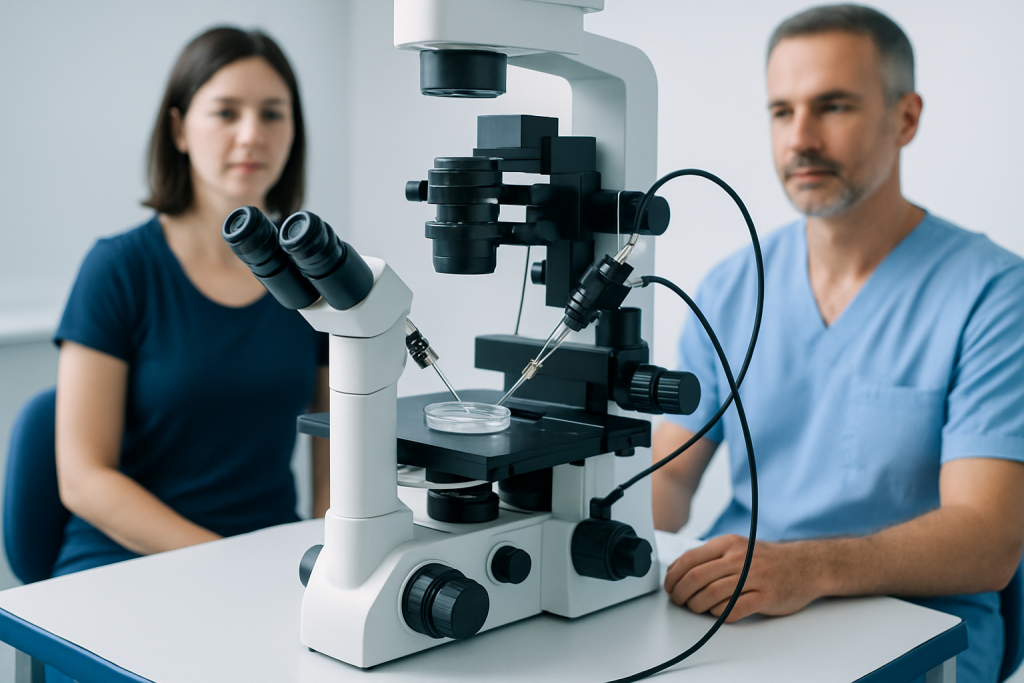
The first part of IVF with donor sperm looks much like standard IVF. The ovaries are stimulated with fertility medications so that more than one egg can mature during the same cycle. During this phase, the clinic monitors progress with ultrasound scans and hormone tests to reduce the chance of complications and to time the egg retrieval accurately.
When the eggs are ready, they are collected in a short procedure performed under sedation or anesthesia. In the laboratory, the embryology team combines the eggs with donor sperm or uses intracytoplasmic sperm injection (ICSI) if that is medically preferred. The fertilized eggs are then observed as they develop into embryos.
After several days of culture, one embryo is selected for transfer into the uterus. Any remaining suitable embryos may be frozen for future use if the patient wishes and the clinic’s policies allow it. If pregnancy occurs, follow-up testing is done to confirm implantation and to monitor early development.
For patients traveling from abroad, clinics often try to structure the treatment plan so that preliminary testing, consent, and counseling can be completed in advance, limiting the number of in-person visits needed later. That planning can make treatment feel more manageable and reduce last-minute pressure.
Who may benefit from donor sperm IVF

IVF with donor sperm may be considered in several situations. It is commonly used when a male partner has azoospermia, very low sperm count, poor sperm movement, or another issue that makes fertilization unlikely with his own sperm. It may also be an option when a serious inherited condition could be passed on through the male partner.
Some patients choose donor sperm because they are pursuing parenthood without a male partner. Same-sex female couples and single women may use donor sperm as part of their fertility plan, depending on local laws and clinic eligibility criteria. In some cases, donor sperm is selected after repeated unsuccessful treatment cycles with a partner’s sperm.
The best approach is not the same for everyone. Depending on age, ovarian reserve, previous fertility history, and the overall treatment goal, a doctor may discuss IVF with donor sperm alongside intrauterine insemination, use of frozen donor sperm, or other assisted reproductive options.
Benefits and important considerations
One of the main benefits of IVF with donor sperm is that it can create a path to pregnancy when sperm from a partner is unavailable or unsuitable. Because fertilization happens in the laboratory, the care team can observe embryo development before transfer, which may help with treatment planning.
Another advantage is flexibility. Donor sperm can be selected from an accredited sperm bank or through a clinic-approved donor program, depending on the legal framework and clinic protocols. In some cases, patients also appreciate the option to use screened donor sperm that has been tested for infectious disease and certain genetic conditions.
That said, the choice involves more than laboratory success. Patients often need time to consider donor anonymity or identity-release options, legal parentage issues, cultural or family preferences, and how much information they want about the donor. A thoughtful consultation can make these decisions feel more orderly and less overwhelming.
Risks and possible limitations
IVF with donor sperm shares the general risks of IVF. Fertility medications can cause bloating, discomfort, headaches, mood changes, and, less commonly, ovarian hyperstimulation syndrome. Egg retrieval is usually safe, but like any procedure it carries a small risk of bleeding, infection, or reaction to anesthesia.
There is also the possibility that fertilization does not occur, embryos stop developing, or embryo transfer does not lead to pregnancy. Even when treatment is carefully planned, success is influenced by many factors outside anyone’s control, including egg quality and uterine health.
In addition to medical risks, there may be emotional strain. Some patients feel grief about not using a partner’s sperm, while others find donor selection stressful or worry about future questions from family members. Support from counselors, fertility nurses, or a psychologist familiar with reproductive medicine can be valuable during decision-making and recovery.
How donor sperm is screened and chosen
Donor sperm is typically screened before use to reduce medical risk. Screening may include a review of the donor’s medical and family history, infectious disease testing, and, in some programs, genetic testing. Clinics and sperm banks also follow protocols for specimen handling, storage, and identification.
Patients may be able to review limited non-identifying information such as physical characteristics, ethnicity, education, or hobbies, depending on the donor program and local rules. Some people prefer a known donor, while others feel more comfortable with an anonymous or identity-release donor. There is no universally “right” choice; the most appropriate option depends on the patient’s values, legal context, and the clinic’s requirements.
It is wise to ask how the clinic verifies donor identity, what screening has been completed, and whether any future contact is possible. International patients should also ask whether donor selection must be finalized before traveling, since availability can affect scheduling.
Recovery and what to expect after treatment
Recovery after egg retrieval is usually short. Many patients feel sleepy, crampy, or bloated for a day or two, and gentle rest is often enough. After embryo transfer, there is usually no physical downtime, although the clinic may recommend avoiding intense exercise, heavy lifting, or sexual activity for a brief period.
The waiting period before a pregnancy test can be emotionally difficult because it requires patience without clear signals. Mild spotting, breast tenderness, or pelvic sensations may occur, but these symptoms do not reliably predict the outcome. It is usually best to follow the clinic’s instructions about medications and testing rather than interpreting symptoms alone.
For patients returning home after treatment abroad, follow-up planning is especially important. The fertility team may coordinate blood tests, early ultrasound timing, and medication guidance with the patient’s local doctor. Clear instructions before travel can make the transition home smoother and reduce confusion about next steps.
When to see a doctor
A fertility specialist should be consulted before starting IVF with donor sperm, since treatment planning depends on the patient’s medical history, test results, age, and goals. Medical review often includes ovarian reserve testing, uterine assessment, infectious disease screening, and discussion of any relevant genetic concerns.
During treatment, the clinic should be contacted if there is severe abdominal pain, shortness of breath, heavy bleeding, fever, or rapidly increasing bloating. These symptoms are not typical and deserve prompt medical assessment. Even milder side effects are worth mentioning if they become persistent or hard to manage.
For anyone considering treatment across borders, it is helpful to ask early how emergencies are handled, who provides after-hours support, and how records will be shared with a doctor back home. Acibadem Health Point’s multidisciplinary specialists and JCI-accredited hospitals diagnose and treat infertility conditions for international patients, with coordinated care that can support the entire journey from consultation to follow-up.
Prevention and self-care
Although IVF with donor sperm is a treatment rather than a preventive measure, a few self-care steps can make the process safer and more comfortable. Patients are usually advised to follow medication instructions carefully, keep appointments for scans and blood tests, and let the clinic know about all medicines and supplements they use.
General health habits also matter. Balanced nutrition, adequate hydration, sleep, moderate movement, and limiting alcohol and tobacco use may support overall reproductive health. If a patient has conditions such as thyroid disease, diabetes, or high blood pressure, these should be well managed before and during treatment.
Emotional preparation is equally important. Some patients find it helpful to discuss donor conception with a counselor, partner, or trusted family member before starting treatment. Others prefer to focus first on the medical steps and make decisions about disclosure later; both approaches can be valid if they are considered thoughtfully.
Outlook and practical planning
The outlook for IVF with donor sperm depends on the underlying reason for treatment, egg quality, uterine health, and how embryos develop in the laboratory. A doctor can explain what the individual workup suggests, but no clinic should promise a specific outcome. The most useful conversations are usually the ones that clarify options, timelines, and what may be needed if the first cycle is not successful.
Practical planning can ease the process. Patients often benefit from writing down questions about donor choice, legal documentation, medication timing, and whether frozen embryos might be stored for future use. If travel is involved, it is sensible to coordinate dates early, bring copies of medical records, and clarify how communication will continue after returning home.
For many people, donor sperm IVF is not just a procedure but a carefully staged path toward building a family. Understanding each step can make the experience feel less uncertain and more manageable, even when the journey is emotionally complex.
Frequently asked questions
01Is IVF with donor sperm the same as regular IVF?
The egg retrieval, fertilization, embryo culture, and embryo transfer steps are similar to regular IVF. The main difference is that donor sperm is used instead of a partner’s sperm. The exact plan may also include special screening, legal forms, or donor selection steps.
02Who usually chooses donor sperm IVF?
It may be chosen by single women, same-sex female couples, and couples where the male partner has severe sperm problems or a genetic concern. Some patients also consider it after repeated unsuccessful treatment with partner sperm. A fertility specialist can help determine whether it fits the medical situation and personal goals.
03How is donor sperm screened before use?
Donor sperm is generally screened for infectious diseases, medical history, and often genetic conditions, depending on local regulations and clinic policy. Many programs also review the donor’s background and identity details. Patients should ask the clinic what screening has been completed and what information is available about the donor.
04What are the main risks of IVF with donor sperm?
The risks are mainly those of IVF itself, such as medication side effects, ovarian hyperstimulation, and the small risks associated with egg retrieval. There is also the possibility that fertilization or implantation will not occur. Emotional stress is another important consideration and should not be overlooked.
05How long does recovery take after the procedure?
Recovery after egg retrieval is usually quick, with most people feeling better within a day or two. Embryo transfer itself usually does not require significant downtime. The waiting period for pregnancy testing is often the hardest part emotionally rather than physically.
06Can international patients do IVF with donor sperm abroad?
Yes, many fertility centers care for international patients, but planning is important. They usually need to coordinate testing, donor selection, legal consent, and follow-up before travel. It helps to ask how records will be shared with a doctor at home after treatment.
This article is for general information only and is not a substitute for professional medical advice. Please consult a qualified doctor about your individual situation.
IVF & fertility treatment in Turkey — success rates and costs
JCI-accredited · board-certified surgeons · reply within 24h
Add us as a Preferred Source to see more of our trusted health content across Google Search, AI Overviews and Discover.


