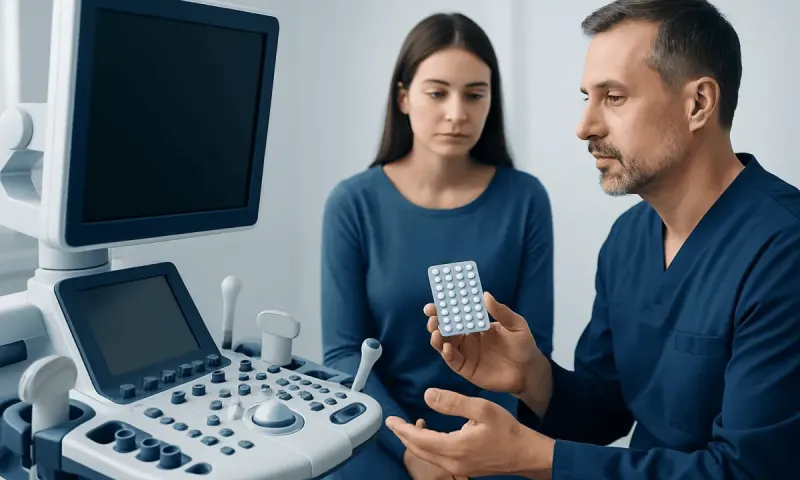
IVF Shots: How Hormone Injections Support Treatment
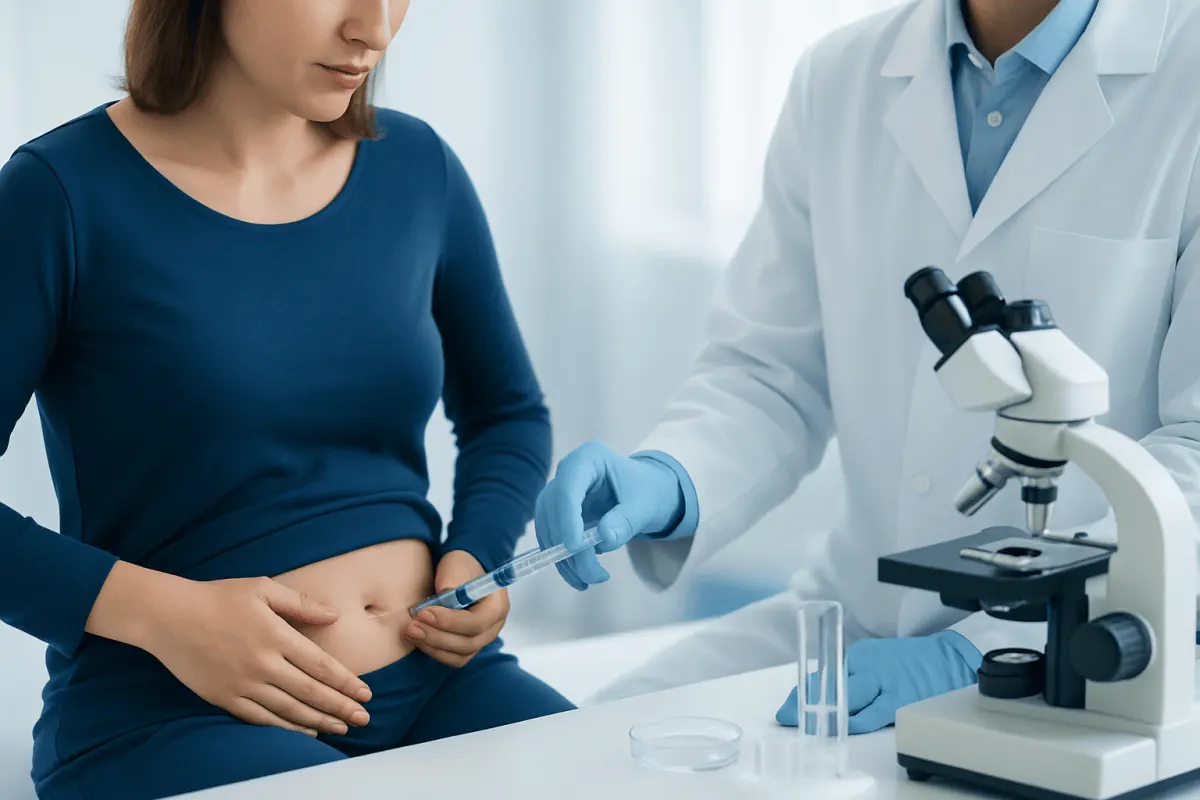
IVF shots are prescribed hormone injections used at different stages of in vitro fertilization (IVF) to stimulate the ovaries, prevent premature ovulation, trigger final egg maturation, or support the uterine lining after embryo transfer. The medicines, number of injections and recovery experience are individualized, and a fertility team monitors treatment closely to support safety and timing.
Overview: What Are IVF Shots?
IVF shots are injectable fertility medicines used as part of an in vitro fertilization cycle. They help the ovaries develop eggs, control the timing of ovulation, prepare eggs for collection and, in some cases, support the early stages after embryo transfer. A fertility specialist selects the medicines and schedule according to factors such as age, ovarian reserve, medical history, hormone levels and the reason for infertility.
The IVF shots process usually includes more than one type of injection. Some medications encourage several ovarian follicles to grow; others prevent the body from releasing eggs too early. A final “trigger” injection helps mature eggs complete their last stage of development before egg retrieval. Progesterone may then be prescribed after retrieval or embryo transfer to support the uterine lining.
Many people administer IVF injections at home after receiving training from a nurse or fertility team. They are commonly injected into fatty tissue of the lower abdomen or thigh, while certain medicines may be given into muscle. Although self-injections can feel daunting at first, clear instructions, a written schedule and support from the clinical team can make the process more manageable.
How IVF Shots Work and Who May Need Them
During a natural menstrual cycle, usually one egg matures and is released. In IVF, controlled ovarian stimulation aims to help multiple follicles develop so that more eggs may be collected and assessed in the laboratory. Follicles are small fluid-filled sacs in the ovaries that may contain developing eggs. Injectable follicle-stimulating hormones are used to encourage this growth.
Patients may be offered IVF treatment for several reasons, including blocked or damaged fallopian tubes, endometriosis, ovulation disorders, reduced ovarian reserve, male-factor infertility, unexplained infertility or a need for fertility preservation. IVF medicines may also be used with donor eggs or embryos. The exact plan differs substantially between individuals, so one person’s injection schedule should not be used as a guide for another person’s care.
Before treatment, the fertility team generally reviews medical history, current medicines, menstrual cycles and previous fertility care. Blood tests, pelvic ultrasound and, where appropriate, semen analysis help determine a suitable approach. Some health conditions require additional planning, particularly a history of hormone-sensitive cancer, blood clots, severe liver disease or significant ovarian cysts.
IVF shots are only one part of treatment. Depending on the care plan, the cycle may also involve in vitro fertilization (IVF) treatment, egg retrieval, laboratory fertilization, embryo culture, embryo transfer and pregnancy testing.
IVF Shots Process: Step by Step

Cycle preparation: Some protocols begin with oral medicines, contraceptive pills or injections that coordinate the cycle timing. Not every IVF cycle includes this step. The team provides exact start dates, injection times and instructions for storage, mixing and disposal of needles.
Ovarian stimulation: Daily injections stimulate follicles to grow. People often ask, “IVF shots: how many days?” Stimulation commonly lasts around 8 to 14 days, though it may be shorter or longer. Monitoring appointments with ultrasound and hormone blood tests allow clinicians to adjust medication safely based on the ovaries’ response.
Ovulation prevention and trigger shot: A second medication is often added during stimulation to prevent premature ovulation. When follicles reach an appropriate stage, a precisely timed trigger injection is given. Egg retrieval is usually scheduled approximately 34 to 36 hours later, before natural ovulation would occur. It is important to take the trigger exactly as instructed and to contact the clinic promptly if a dose is late, missed or uncertain.
After egg retrieval and transfer: Egg retrieval is a minor procedure usually performed with sedation, rather than major surgery. If an embryo transfer is planned, progesterone injections, vaginal medication or another form of progesterone may be used afterward. The IVF shots after pregnancy test may continue if pregnancy is confirmed, often until the placenta is producing sufficient hormones; the clinician decides the timing of any medication change or stop.
How Do You Feel After IVF Shots?
After IVF shots, many people feel little more than brief injection-site discomfort. Mild redness, tenderness, itching or a small bruise can occur where the needle entered the skin. Rotating injection sites, using a new needle each time and following the nurse’s guidance may reduce irritation. A cool pack applied briefly after an injection can be helpful if the clinical team agrees.
As the ovaries respond to stimulation, it is common to notice bloating, pelvic fullness, mild cramping, breast tenderness, fatigue, headaches or emotional changes. These symptoms can be caused by shifting hormone levels and enlarged ovaries. Their intensity varies, and having few symptoms does not mean the medication is ineffective.
After the trigger shot or egg retrieval, some people feel more abdominal pressure or discomfort. Rest, regular fluids, gentle movement and avoiding strenuous exercise or high-impact activities may be advised while the ovaries are enlarged. The treating team can explain which pain-relief options are appropriate; patients should not start new medicines, supplements or anti-inflammatory drugs without checking first.
Severe or worsening symptoms are not expected and should be reported. Rapid abdominal swelling, intense pain, repeated vomiting, shortness of breath, fainting, chest pain, very little urine or sudden weight gain can indicate a complication such as ovarian hyperstimulation syndrome and need urgent assessment.
How to Tell if IVF Shots Are Working
Symptoms cannot reliably show whether IVF shots are working. Some people experience bloating or ovarian sensations, while others feel almost no change despite an appropriate response. The most accurate information comes from scheduled transvaginal ultrasound scans, which measure the number and size of developing follicles, together with blood tests that assess hormone levels.
The fertility team uses these results to decide whether to continue, adjust or pause medication and when to give the trigger shot. The aim is not simply to produce the largest possible number of follicles; it is to support an effective response while reducing avoidable risks. Monitoring is therefore an essential part of a safe IVF cycle.
After embryo transfer, pregnancy symptoms also cannot confirm an outcome. Progesterone itself may cause tiredness, breast tenderness, bloating or nausea. A blood pregnancy test performed on the date advised by the clinic is the appropriate way to determine whether implantation has occurred. Home testing earlier than recommended may give misleading results, particularly after some trigger injections.
Results from IVF vary according to egg age, sperm factors, embryo development, uterine factors, underlying conditions and the treatment plan. A fertility specialist can explain what monitoring findings and laboratory results mean in the context of an individual cycle.
What Should I Do After an IVF Injection?
After an IVF injection, dispose of the needle in the approved sharps container, not in household waste. Record the dose and time if the clinic has provided a treatment chart, and keep medicines stored exactly as instructed. Some medications require refrigeration, while others should be kept at room temperature; storage errors can affect their reliability.
Normal daily activities are usually possible during injection treatment, unless the clinical team advises otherwise. Balanced meals, regular hydration, sleep and gentle activity can support general wellbeing. As the ovaries become enlarged, vigorous exercise, heavy lifting and activities involving twisting or impact may be discouraged because they can be uncomfortable and, rarely, increase the risk of ovarian twisting.
Patients should contact their fertility clinic for missed doses, an injection that may have been incomplete, medication that was not stored correctly, a significant injection-site reaction or any uncertainty about timing. They should not double a dose or change the schedule without direct advice. It can be useful to keep emergency contact details accessible, especially around the trigger injection.
Emotional support matters as well. The daily routine, uncertainty and hormone changes can be demanding. A partner, trusted friend, counselor or fertility support group may help patients feel less isolated during treatment.
Recovery Timeline, Benefits and Possible Risks
The ivf procedure recovery time for injections themselves is generally short: mild injection-site tenderness may settle within hours to a few days. Hormonal symptoms during stimulation often improve after egg retrieval or after medicines are stopped, although bloating and fatigue may take several days to settle. Recovery differs from person to person and depends on the number of follicles, medication regimen and whether complications occur.
Egg retrieval is not open surgery, but it does involve a procedure under sedation. For that reason, the phrase “IVF surgery recovery time” usually refers to recovery after egg collection rather than the shots. Cramping, light spotting, tiredness and abdominal tenderness for one to several days can be normal. Many people return to routine activities within a day or two, while others need longer, particularly after a strong ovarian response.
The potential benefit of IVF shots is that they allow clinicians to coordinate egg maturation and collection within a carefully monitored treatment cycle. However, medicines can cause side effects, and an excessive ovarian response may lead to ovarian hyperstimulation syndrome (OHSS). OHSS can range from mild bloating and nausea to more serious fluid shifts requiring medical care. Modern treatment strategies, individualized dosing and careful monitoring aim to lower this risk.
Other possible risks include allergic reactions, ovarian cysts, bruising, infection at an injection site and ovarian torsion, which is uncommon but urgent. Fertility treatment may also be emotionally challenging. Discussing risks in advance and knowing when to call the clinic helps patients make informed decisions and access timely care.
When to Seek Medical Care
Contact the fertility clinic promptly if there is worsening pelvic or abdominal pain, marked bloating, persistent nausea or vomiting, fever, heavy vaginal bleeding, a spreading rash at an injection site or difficulty completing an injection. The clinic should also be contacted if a medication dose is missed, the trigger injection is not taken at the planned time or there is uncertainty about medicine storage.
Seek urgent medical care for severe abdominal pain or swelling, trouble breathing, chest pain, fainting, confusion, very reduced urination, coughing blood, severe leg swelling or pain, or heavy bleeding. These symptoms may have causes unrelated to IVF, but they require timely assessment. Patients should tell emergency clinicians that they are undergoing fertility treatment.
Follow-up after IVF is individualized. If pregnancy is confirmed, the fertility team will advise on ongoing progesterone or other medication and arrange early monitoring. If pregnancy does not occur, a review can help explain the cycle findings and discuss appropriate next steps without assuming that one result predicts all future outcomes.
Acıbadem Health Point’s multidisciplinary fertility specialists and JCI-accredited hospitals provide assessment and treatment for international patients undergoing IVF care. A qualified fertility specialist can help determine whether IVF injections and related treatment are suitable for an individual situation.
Frequently asked questions
01How long do IVF shots usually last?
The stimulation injections commonly last about 8 to 14 days, but the exact duration depends on the treatment protocol and how the ovaries respond. Other injections, including ovulation-prevention medication and progesterone support, may be used on different schedules. The fertility clinic provides the individual calendar.
02Are IVF shots painful?
Most IVF shots use small needles and cause a brief pinch, stinging or pressure. Mild bruising or tenderness at the injection site is common. A nurse can demonstrate technique and suggest practical ways to make injections more comfortable.
03Can I work and exercise while taking IVF shots?
Many people continue work and gentle everyday activity during IVF injections. As the ovaries enlarge, the fertility team may recommend avoiding strenuous exercise, heavy lifting and high-impact activities. Individual advice is especially important after egg retrieval or if symptoms are significant.
04How do you feel after IVF shots?
People may feel normal or have mild injection-site soreness, bloating, pelvic fullness, fatigue, headaches or mood changes. Symptoms differ widely and do not reliably indicate treatment success. Severe pain, rapid swelling, breathing difficulty or reduced urination needs urgent medical attention.
05How long does it take your body to recover from IVF?
Injection-site symptoms often settle within a few days, while hormone-related bloating and fatigue may improve after egg retrieval or when medications stop. Recovery after egg retrieval often takes a few days, though some people need one to two weeks to feel fully comfortable. Recovery may take longer if OHSS or another complication develops.
06How can I tell if IVF shots are working?
Ultrasound monitoring and hormone blood tests are the reliable ways to assess response to IVF shots. Bloating, cramping or other sensations cannot confirm whether follicles are developing appropriately. The fertility team uses monitoring results to guide medication adjustments and trigger timing.
This article is for general information only and is not a substitute for professional medical advice. Please consult a qualified doctor about your individual situation.
Hair transplant in Turkey — costs, graft counts & a free assessment
JCI-accredited · board-certified surgeons · reply within 24h
Add us as a Preferred Source to see more of our trusted health content across Google Search, AI Overviews and Discover.