IVF Diet: Foods That Support Treatment Health

An IVF diet is a balanced, food-safe eating pattern that supports general health during fertility treatment rather than a proven way to guarantee implantation or pregnancy. Eating regular nutrient-rich meals, staying hydrated and following the fertility team’s instructions can help people feel prepared throughout egg retrieval, embryo transfer and recovery.
IVF Diet: What It Means During Treatment
An IVF diet is not a strict medical diet or a set of foods that can ensure pregnancy. It is a practical approach to eating that helps support general nutrition, stable energy and food safety while a person undergoes in vitro fertilization (IVF). Fertility outcomes depend on many factors, including age, ovarian reserve, sperm factors, embryo development, uterine health and the specific cause of infertility.
Most people benefit from regular meals built around vegetables and fruit, whole grains, beans, nuts, seeds, fish or other protein sources, and unsaturated fats such as olive oil. Dairy foods or fortified alternatives can provide protein and calcium. This pattern is similar to widely recommended heart-healthy and Mediterranean-style eating patterns, although research cannot show that one named diet reliably improves IVF outcomes for every individual.
Nutrition is only one part of IVF preparation. Taking prescribed medicines correctly, attending monitoring appointments, avoiding tobacco and recreational drugs, limiting caffeine as advised, sleeping adequately and managing ongoing medical conditions are also important. A fertility specialist or registered dietitian can tailor advice for diabetes, coeliac disease, food allergies, low body weight, higher body weight, eating difficulties or other health needs.
How IVF Works and Who May Be a Candidate
IVF is a form of assisted reproductive technology in which eggs are collected from the ovaries, fertilized with sperm in a laboratory and monitored as embryos develop. One embryo may then be placed into the uterus during an embryo transfer, while suitable additional embryos may be frozen for future use. Learn more about IVF treatment and the steps involved in an individualized care plan.
IVF may be considered for people with blocked or damaged fallopian tubes, ovulation problems, endometriosis, reduced ovarian reserve, male-factor infertility, unexplained infertility or a need for certain genetic testing of embryos. It may also be used with donor eggs, donor sperm or a gestational carrier in appropriate circumstances. The best pathway depends on medical history, test results, preferences and local laws.
Before treatment, the fertility team commonly reviews menstrual and reproductive history, medicines, lifestyle factors and prior pregnancies. Testing may include blood tests, ultrasound assessment, semen analysis and evaluation of the uterus and fallopian tubes when relevant. Preconception care may also include reviewing vaccinations and starting folic acid before pregnancy, according to clinician advice.
IVF Procedure: Step by Step
IVF usually begins with ovarian stimulation. Injectable fertility medicines encourage several follicles to grow at once, and blood tests and ultrasound scans help the clinical team monitor the response. The person then receives a final maturation injection at a carefully planned time before egg collection.
Egg retrieval is generally performed with sedation or anesthesia. Using ultrasound guidance, a clinician passes a fine needle through the vaginal wall to collect eggs from the ovaries. On the same day, sperm is prepared in the laboratory; fertilization may occur through conventional IVF or intracytoplasmic sperm injection (ICSI), where a single sperm is placed into an egg when indicated.
Embryos are observed in the laboratory for several days. Depending on the treatment plan, embryos may be transferred in the same cycle or frozen for transfer later. During embryo transfer, a soft catheter places an embryo into the uterus; it is usually a quick procedure and typically does not require anesthesia. Hormone support, often progesterone, may be prescribed after transfer, and a pregnancy blood test is arranged at the time specified by the fertility team.
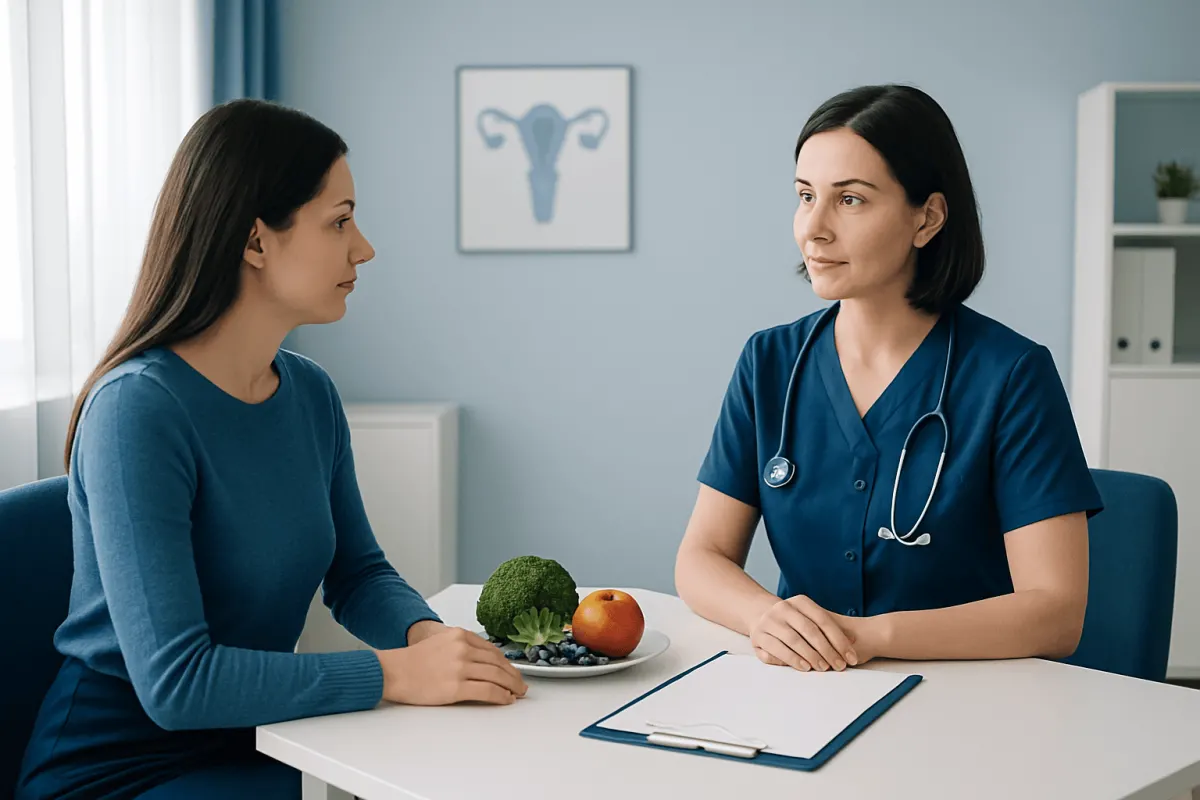
Diet does not need to change dramatically on transfer day. An IVF diet after transfer should prioritize normal nourishing meals, hydration and food safety, rather than restrictive rules. It is important not to stop or alter prescribed hormone medicines, vitamins or other treatments without the clinic’s guidance.
What Is the Most Effective Diet for IVF Success?
There is no single most effective diet for IVF success, and no dietary plan can guarantee fertilization, implantation or live birth. The strongest practical advice is to follow a balanced, sustainable eating pattern before and during treatment. This gives the body protein, fiber, essential fats, vitamins and minerals without adding the stress of extreme food rules.
Useful IVF diet recommendations include eating a variety of colorful vegetables and fruit, choosing whole-grain carbohydrates when tolerated, including protein at meals and snacks, and choosing mostly unsaturated fats. Examples of IVF diet foods include lentils, beans, eggs, yogurt, tofu, chicken, fish low in mercury, oats, brown rice, leafy greens, berries, citrus fruit, avocado, walnuts and olive oil. People who are trying to conceive should discuss supplements with a clinician rather than relying on high-dose products marketed for fertility.
Simple IVF diet recipes can include vegetable and lentil soup with whole-grain bread, overnight oats with yogurt and berries, a chickpea-and-vegetable grain bowl, or baked salmon with sweet potato and greens. These are examples rather than requirements. The best plan is one that matches cultural preferences, budget, appetite and medical needs, and can be maintained without guilt.
Alcohol should be avoided when trying to conceive and during pregnancy. Smoking, vaping nicotine and recreational drug use can affect reproductive health and should be stopped with professional support where needed. Caffeine limits vary by guidance and individual circumstances, so people should ask their fertility team what amount is appropriate for them.
How Long Does It Take Your Body to Recover After IVF?
Recovery after IVF depends on which stage has taken place. After egg retrieval, mild pelvic cramping, bloating, spotting, tiredness and constipation can occur. Many people feel able to return to light everyday activity within one or two days, though discomfort may last several days and the ovaries can remain enlarged for a short time after stimulation.
Embryo transfer itself usually has little physical recovery time. Gentle routine activity is generally acceptable unless the fertility team gives different instructions. Strict bed rest has not been shown to improve implantation, and people can usually return to work and ordinary daily tasks as they feel comfortable. Heavy exercise may be limited around stimulation and retrieval because enlarged ovaries have a small risk of twisting.
Hormonal medicines can contribute to breast tenderness, mood changes, bloating, fatigue or vaginal discharge. The emotional wait between transfer and the pregnancy test can also be demanding. Rest, regular food and fluids, gentle movement if approved, and support from trusted people or a counselor may be helpful.
A clinician should be contacted promptly for worsening abdominal swelling or pain, persistent vomiting, fainting, shortness of breath, chest pain, very little urine, rapid weight gain, fever or heavy bleeding. These may indicate ovarian hyperstimulation syndrome or another complication requiring assessment.
Do McDonald's Fries Help With IVF?
No. The idea that McDonald’s fries improve implantation after embryo transfer is a popular online claim, but it is not supported by good-quality medical evidence. A serving of fries cannot make an embryo attach to the uterine lining or prevent a negative IVF outcome.
Having fries occasionally is unlikely to determine the outcome of a treatment cycle for most people, and it is not necessary to feel anxious or guilty about one food choice. However, fries are typically high in salt and saturated fat and do not provide a special fertility benefit. They are best viewed as an occasional preference rather than a treatment strategy.
For a more supportive snack or meal after transfer, a person might choose yogurt with fruit, hummus with vegetables and whole-grain crackers, nuts and a piece of fruit, or a sandwich with protein and salad. Adequate hydration and consistent meals are generally more useful than searching for a single “lucky” IVF food.
What Food to Avoid After IVF?
After IVF, particularly after embryo transfer, food safety and pregnancy-compatible choices are more important than a restrictive menu. Alcohol should be avoided. People should also avoid unpasteurized milk, cheese or juice; raw or undercooked eggs, meat, poultry, shellfish and fish; and refrigerated smoked seafood unless it is cooked in a hot dish. These foods can carry infections that are more concerning in early pregnancy.
Fish can be a valuable source of protein and omega-3 fats, but high-mercury species should be avoided or strictly limited according to local pregnancy guidance. The fertility team can advise on safer choices. Raw sprouts should also be avoided because they can harbor bacteria, and fruit and vegetables should be washed carefully.
It is sensible to limit highly processed foods, sugary drinks and very salty foods, especially if bloating is uncomfortable after egg retrieval. However, there is no evidence that ordinary spicy foods, pineapple, warm foods, cold foods, soy foods or specific herbs cause or prevent implantation. Anyone considering herbal remedies, detoxes or non-prescribed supplements should check with a doctor or pharmacist first, as some products can interact with medicines or be unsuitable in early pregnancy.
Benefits, Risks and When to Seek Medical Care
IVF can make pregnancy possible for some people who have not conceived through other approaches, and it may allow embryos to be frozen for later treatment. Depending on the clinical situation, it can also be combined with donor treatment or embryo testing. It is important to understand that success varies substantially between individuals and cycles, and a fertility team can explain realistic expectations based on personal circumstances.
Potential treatment risks include medicine side effects, bruising or infection at injection sites, bleeding or infection after egg retrieval, ovarian hyperstimulation syndrome, multiple pregnancy if more than one embryo is transferred, and emotional stress. Some risks are uncommon but significant, which is why close monitoring and individualized decisions are important.
Medical care should be sought urgently for severe or increasing abdominal pain, marked bloating, breathing problems, fainting, chest pain, heavy vaginal bleeding, fever, persistent vomiting, rapid weight gain or reduced urination after stimulation or egg retrieval. After embryo transfer, urgent assessment is also needed for severe pain or heavy bleeding, especially with a positive pregnancy test, as early pregnancy complications need prompt evaluation.
Acıbadem Health Point’s multidisciplinary fertility specialists in JCI-accredited hospitals support international patients undergoing IVF assessment and treatment. A qualified fertility clinician can also help create safe, realistic nutrition and recovery guidance that fits each person’s health needs.
Frequently asked questions
01Can an IVF diet improve implantation?
A balanced eating pattern supports overall health, but no diet has been proven to reliably improve implantation in every IVF cycle. Implantation is influenced by embryo factors, uterine factors, hormone support and other clinical considerations. Following the fertility team’s medication and appointment plan remains essential.
02Should a person start an IVF diet before treatment begins?
Healthy eating habits are most useful when they are sustainable and begun before conception attempts where possible. There is no need for a sudden restrictive diet immediately before IVF. People with nutritional concerns or medical conditions may benefit from individualized advice from a registered dietitian and fertility clinician.
03Is pineapple safe after embryo transfer?
Pineapple in normal food amounts is generally not known to harm implantation or improve it. Claims that pineapple core increases implantation are not supported by strong evidence. A person should avoid only foods their own clinician has advised against or foods that are unsafe in early pregnancy.
04Can coffee affect IVF success?
High caffeine intake may be a concern during fertility treatment and early pregnancy, but advice should be individualized. Many clinicians recommend keeping caffeine modest while trying to conceive. The fertility team can provide a suitable daily limit based on a person’s health and treatment plan.
05Can a person exercise after egg retrieval or embryo transfer?
After egg retrieval, gentle activity is often appropriate, but vigorous exercise may be postponed while the ovaries are enlarged. After embryo transfer, normal light activity is usually acceptable and bed rest is generally not required. The clinic’s instructions should take priority because recovery needs differ.
06When can pregnancy testing be done after embryo transfer?
The fertility clinic will schedule a blood pregnancy test at a specific time after transfer. Testing too early can be misleading, particularly if a trigger injection containing hCG was used. It is best to continue prescribed medicines until the clinic gives instructions based on the test result.
This article is for general information only and is not a substitute for professional medical advice. Please consult a qualified doctor about your individual situation.
IVF & fertility treatment in Turkey — success rates and costs
JCI-accredited · board-certified surgeons · reply within 24h
Add us as a Preferred Source to see more of our trusted health content across Google Search, AI Overviews and Discover.