IUI Recovery: Activities, Symptoms, and Timing
IUI recovery is generally brief because intrauterine insemination is a minimally invasive fertility procedure. Mild cramping or spotting can occur on the day of treatment, but most people can return to work, gentle exercise, and usual daily activities within 24 hours unless their fertility team advises otherwise.
IUI Recovery at a Glance
IUI recovery is usually quick. Intrauterine insemination (IUI) involves placing prepared sperm into the uterus around the time of ovulation, using a thin catheter. The procedure itself commonly takes only a few minutes and does not usually require anesthesia, incisions, or a hospital stay.
Many people return to normal non-strenuous activities immediately after the appointment. A brief period of rest may feel comfortable, but prolonged bed rest has not been shown to improve the chance of pregnancy. The main recovery period is often the following two weeks, when the person waits to learn whether implantation and pregnancy have occurred.
Individual instructions can differ depending on whether IUI is performed in a natural cycle or with ovulation-induction medicines. The fertility team should provide personalized advice about medications, exercise, intercourse, and the timing of a pregnancy test.
How IUI Works and Who May Be a Candidate
IUI aims to increase the number of moving sperm that reach the fallopian tubes near ovulation. A semen sample is processed in a laboratory to concentrate motile sperm and remove seminal fluid. The prepared sample is then gently placed inside the uterus, shortening the distance sperm need to travel.
IUI may be considered for unexplained infertility, ovulation problems that can be treated, mild male-factor infertility, cervical factors, or when donor sperm is used. It is generally most appropriate when at least one fallopian tube is open and there is a reasonable chance that sperm and egg can meet naturally.
Before recommending IUI, clinicians may review ovulation patterns, the uterus and fallopian tubes, semen parameters, age-related fertility considerations, and any underlying health conditions. For a fuller explanation of planning and treatment, patients can review intrauterine insemination (IUI) treatment.
IUI is not the best option for every infertility situation. For example, blocked fallopian tubes, severe sperm abnormalities, or certain significant fertility factors may lead a specialist to discuss other approaches, including IVF. The choice should be made with a fertility clinician based on individual findings and goals.
What Happens During the IUI Procedure

Timing is important because IUI is performed close to ovulation. The cycle may be monitored with ultrasound scans, blood or urine hormone testing, or both. Some people ovulate without medication, while others use medicines to support egg development or receive a trigger injection to help time ovulation.
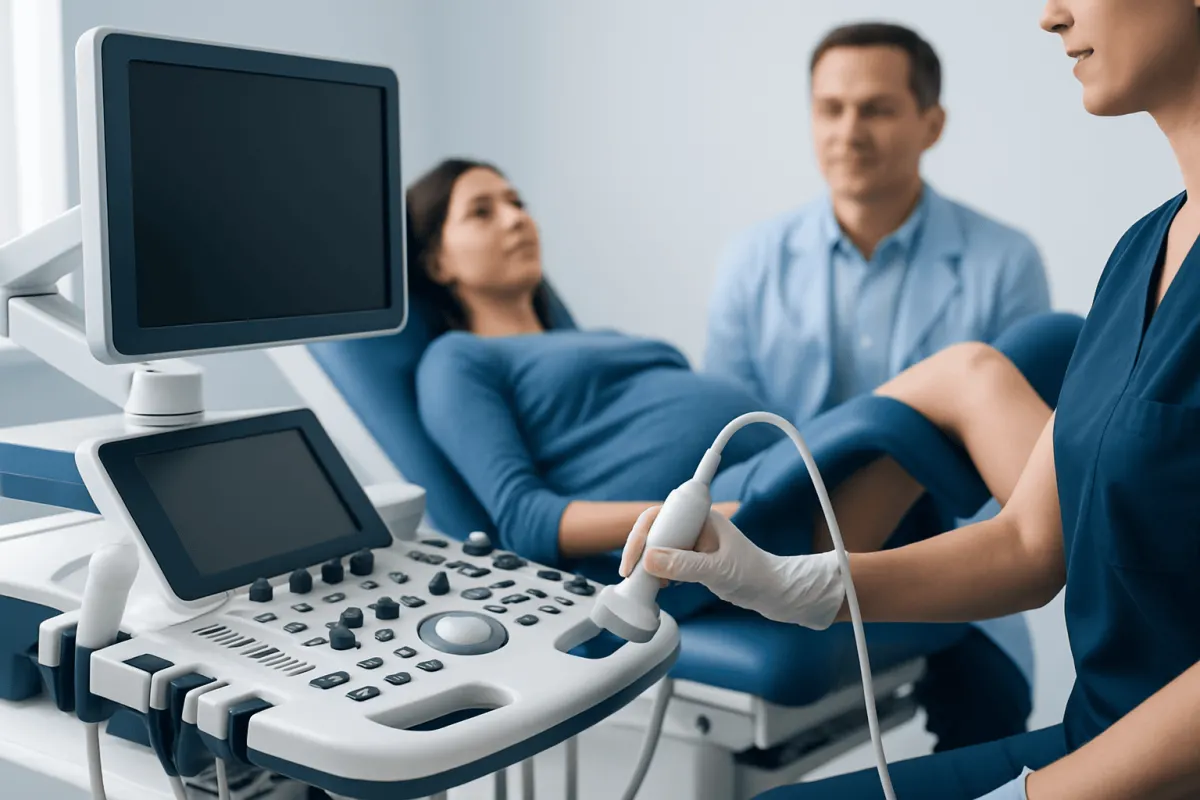
On the day of IUI, the prepared sperm sample is loaded into a very thin, flexible catheter. During a pelvic examination, a speculum is placed in the vagina so the clinician can see the cervix. The catheter passes through the cervix into the uterus, where the sperm are released.
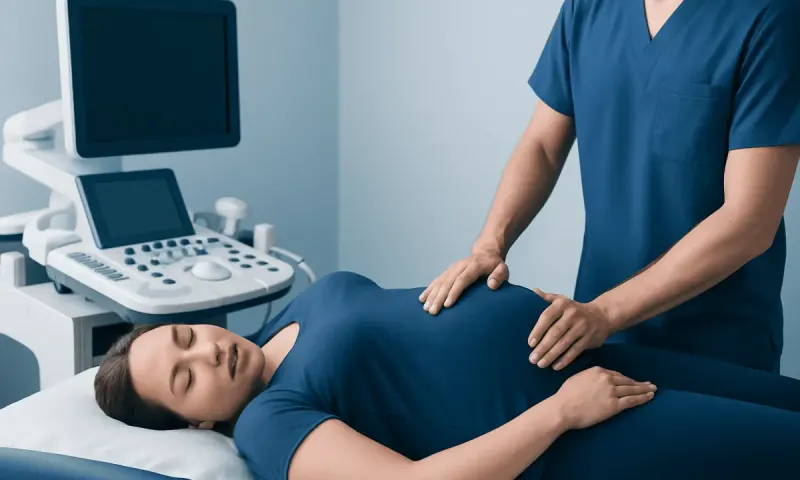
The procedure can cause brief pressure or mild cramping, similar to menstrual cramps, but it is usually well tolerated. Afterward, the person may rest on the examination table briefly before going home. Driving is usually possible unless a clinician has given different instructions or a sedating medicine has been used for another reason.
Some fertility teams may recommend timed intercourse after IUI, while others may not. This depends on the treatment plan, semen source, ovulation timing, and personal circumstances. Patients should follow the instructions given by their own care team.
IUI Recovery Timeline: Day by Day and Week by Week
Day of IUI: Light cramping, a small amount of spotting, or watery discharge may occur after the catheter passes through the cervix. These effects are usually short-lived. Gentle movement, fluids, and regular meals are generally appropriate, and most people can go back to ordinary daily tasks.
Days 1 to 3: Many people feel physically normal. If ovulation medicines were used, breast tenderness, bloating, mood changes, or pelvic heaviness may relate to hormonal treatment rather than the IUI itself. Mild discomfort can often be managed with rest and measures approved by the fertility team.
Days 4 to 7: If fertilization has occurred, the developing embryo is traveling toward the uterus. There are no reliable physical signs that show whether pregnancy has occurred at this stage. Continuing prescribed medicines, including progesterone when directed, is important.
Days 8 to 14: Implantation may occur during this part of the two-week wait, although the exact timing varies. Light spotting can have several causes and cannot confirm implantation. Pregnancy-like symptoms, including fatigue, breast tenderness, nausea, or cramping, may be caused by natural hormonal changes or fertility medications.
About 14 days after IUI: The fertility team will advise when to take a urine or blood pregnancy test. Testing too early may produce an unclear or falsely reassuring result. This is especially relevant after an hCG trigger injection, which can remain detectable for a period of time and may cause a false-positive home test.
Returning to Work, Exercise, Sex, and Daily Life
Most people can return to work on the day of IUI or the next day. Jobs involving ordinary walking, standing, computer work, and light lifting are usually manageable. If a person has pain, marked bloating, dizziness, or a physically demanding job, they should ask their fertility team for individual guidance.
Gentle exercise such as walking, easy stretching, or low-intensity yoga is often acceptable after IUI. There is usually no need to avoid all physical activity. However, those taking ovarian stimulation medicines may have enlarged ovaries, and their clinician may advise avoiding vigorous running, jumping, heavy lifting, twisting movements, or contact sports until the ovaries return to normal size.
Sexual activity is commonly permitted after IUI and may sometimes be recommended, but plans differ between clinics and treatment cycles. Unless a clinician has advised otherwise, bathing and showering are also generally safe. Tampons, vaginal products, or intercourse may be temporarily discouraged if there has been significant cervical irritation or bleeding.
During the two-week wait, people can continue most usual activities while avoiding smoking, recreational drugs, and alcohol. A balanced diet, regular sleep, and prescribed prenatal vitamins can support general preconception health. It is sensible to check with a clinician before starting new medicines, supplements, or herbal products.
Benefits, Expected Effects, and Possible Risks
A key benefit of IUI is that it is less invasive than IVF and may be an appropriate first-line fertility treatment for selected people. It is performed without surgery, and physical recovery is usually rapid. It can also be used with a partner’s sperm or donor sperm, depending on the treatment plan.
Temporary mild cramps and light spotting are among the more common effects after the procedure. These generally settle without treatment. Emotional strain can be more significant than physical recovery, particularly during the waiting period; it can help to plan supportive activities and speak openly with a partner, trusted person, counselor, or fertility team.
Serious complications from the catheter procedure are uncommon, but infection, significant bleeding, or injury are possible. Fertility medicines may cause side effects and can increase the chance of multiple pregnancy when more than one egg is released. The treatment team monitors response to medication to reduce avoidable risk.
A rare but important medication-related complication is ovarian hyperstimulation syndrome, in which the ovaries become enlarged and fluid may shift within the body. Its risk varies by medication and response. Prompt assessment is important for severe or worsening abdominal pain, rapid swelling, vomiting, shortness of breath, or reduced urination.
When to Seek Medical Care
People should contact their fertility clinic promptly if they have heavy vaginal bleeding, persistent or worsening pelvic pain, a fever, foul-smelling discharge, or symptoms that do not improve. These symptoms are not expected after a routine IUI and may need assessment.
Urgent medical care is appropriate for severe abdominal pain, fainting, chest pain, breathing difficulty, marked abdominal swelling, repeated vomiting, or very little urine output. These symptoms can have different causes, including uncommon complications related to fertility medication, and should not be managed at home.
It is also appropriate to contact the clinic for emotional support during the two-week wait, questions about medication, or uncertainty about pregnancy testing. A negative test can be disappointing, but it does not necessarily identify the cause of infertility or determine future treatment options.
Acıbadem Health Point’s multidisciplinary fertility specialists and JCI-accredited hospitals diagnose and treat fertility concerns for international patients. A fertility consultation can help interpret IUI results and discuss the safest next steps for an individual situation.
Frequently asked questions
01How long does IUI recovery take?
Physical recovery after IUI is usually immediate or takes no more than a day. Mild cramping or spotting may occur briefly, but most people return to their usual routine quickly. The emotional waiting period lasts until the recommended pregnancy test, typically about two weeks after the procedure.
02Can a person go back to work after IUI?
Most people can return to work on the same day or the following day. Desk work and regular daily activities are usually safe. Those with physically demanding work or symptoms such as significant bloating should ask their fertility team for tailored advice.
03When can someone exercise after IUI?
Gentle activity, including walking, is commonly suitable after IUI. High-impact exercise, heavy lifting, and movements involving vigorous twisting may need to be avoided if fertility medicines have enlarged the ovaries. The treatment team can give advice based on the specific cycle.
04Is cramping after IUI normal?
Mild, brief cramping can be normal after the catheter is placed through the cervix. It may also occur around ovulation or from hormonal medicines. Severe, persistent, or worsening pain should be discussed promptly with a clinician.
05Can pregnancy symptoms start soon after IUI?
Symptoms during the first days after IUI cannot reliably indicate pregnancy. Hormonal changes, progesterone treatment, and normal premenstrual symptoms can feel similar to early pregnancy. Waiting until the clinic's recommended test date gives a more meaningful result.
06When should a pregnancy test be taken after IUI?
Many fertility teams recommend testing about 14 days after IUI, though the exact date may differ by treatment plan. Testing earlier can give an inaccurate result. An hCG trigger injection can also lead to a false-positive home test if testing is done too soon.
This article is for general information only and is not a substitute for professional medical advice. Please consult a qualified doctor about your individual situation.
IVF & fertility treatment in Turkey — success rates and costs
JCI-accredited · board-certified surgeons · reply within 24h
Add us as a Preferred Source to see more of our trusted health content across Google Search, AI Overviews and Discover.