IUD in the Uterus: Normal Symptoms and Warning Signs
An IUD in the uterus should sit inside the uterine cavity, with its thin strings extending through the cervix into the upper vagina. Mild cramping and spotting can be normal after placement, but severe pain, heavy bleeding, fever, pregnancy symptoms, or changed strings should be assessed by a clinician.
IUD in the uterus: what is normal?
An intrauterine device (IUD) is a small, T-shaped contraceptive device placed by a trained healthcare professional inside the uterus. When an IUD in uterus is correctly positioned, its upper arms sit near the top of the uterine cavity and its stem lies within the cavity. Two soft threads, often called strings, pass through the cervix and rest in the upper vagina so that a clinician can later remove the device.
Most people cannot feel the IUD itself. They may be able to feel the strings with a clean finger, although some prefer not to check them. The strings may soften and curl around the cervix over time. Their exact feel or length can vary slightly with the position of the cervix during the menstrual cycle, so a small difference does not always mean that the IUD has moved.
There are hormonal IUDs, which release a progestin, and copper IUDs, which contain no hormones. Both are highly effective forms of reversible contraception, but their effects on periods may differ. A hormonal IUD often makes bleeding lighter over time and may stop periods for some users, whereas a copper IUD can make periods heavier, longer, or more crampy, particularly in the first months after insertion.
Expected symptoms after IUD placement
Cramping during insertion and for a short time afterward is common. Some people have mild to moderate lower abdominal cramps, light bleeding, or spotting for several days. Rest, warmth applied to the lower abdomen, and an appropriate over-the-counter pain reliever may help if it is safe for the individual to use one. A clinician can advise on suitable options based on medical history.
Bleeding patterns can take time to settle. Spotting or irregular bleeding is common during the first three to six months with many hormonal IUDs. With a copper IUD, menstrual flow and cramps may initially increase. These changes often improve with time, but persistent or disruptive symptoms deserve medical advice.
After insertion, clinicians commonly recommend checking for strings as instructed, often after the first menstrual period or at another planned time. However, routine self-checking is not essential for everyone. It is more important to know the signs that warrant a placement check, including inability to feel previously felt strings, strings that suddenly seem much longer or shorter, or feeling a hard part of the device at the cervix or in the vagina.
What is not normal: movement, expulsion, and rare complications

An IUD can occasionally move from its intended position. Partial expulsion means the IUD has slipped partly through the cervix; a person may feel the plastic device in the vagina, notice that strings are much longer, or see the device. Complete expulsion means it has come out entirely, sometimes during a period. Expulsion is more likely in the first months after insertion, but it can happen later as well.
A malpositioned IUD may not provide the expected contraceptive protection and can cause cramping, bleeding, or discomfort, although some people have no symptoms. If there is concern that the device has moved, the person should use condoms or avoid vaginal intercourse until a clinician confirms the IUD’s location and provides guidance. They should not try to push an IUD back into place.
Uterine perforation, where an IUD passes partly or completely through the uterine wall, is uncommon and usually occurs at insertion. The risk is higher in certain circumstances, including soon after childbirth and during breastfeeding, but it remains rare. Severe or persistent pain after insertion, inability to locate the strings, or unexpected symptoms may lead a clinician to arrange an examination and ultrasound.
An IUD does not protect against sexually transmitted infections (STIs). New pelvic pain, unusual discharge, bleeding after sex, or concerns about STI exposure should be evaluated. Barrier protection such as condoms can reduce STI risk.
How IUD position is checked
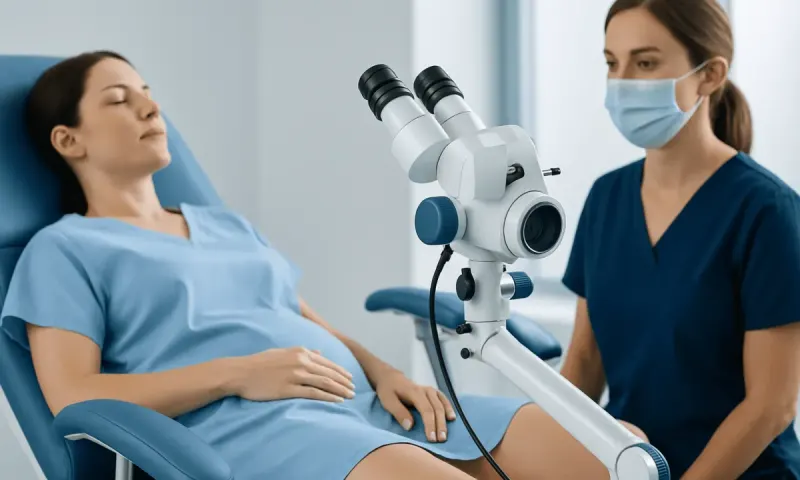
A healthcare professional may first ask about symptoms, bleeding, periods, sexual health, and the timing of IUD insertion. A pelvic examination can assess whether strings are visible and whether the device is at or through the cervix. If the strings are not seen or the position is uncertain, this does not automatically mean there is a serious problem; strings can retract into the cervical canal or uterus.
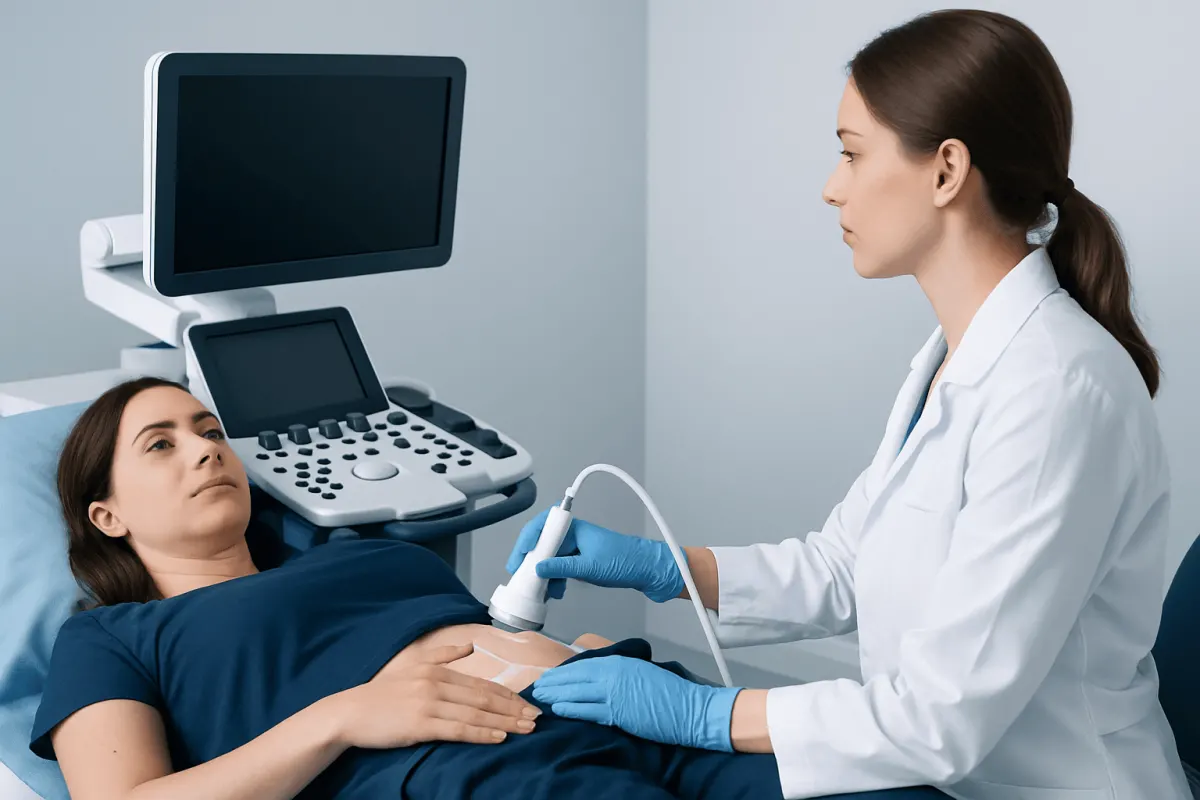
Pelvic ultrasound is commonly used to confirm that an IUD is inside the uterus and appropriately positioned. If an ultrasound does not identify the device in the uterus, additional imaging may sometimes be needed to determine whether it was expelled or, rarely, is outside the uterus. A pregnancy test may also be recommended when periods are late, symptoms suggest pregnancy, or contraceptive effectiveness is uncertain.
Whether a low-lying or otherwise malpositioned IUD needs removal or replacement depends on its type, location, symptoms, and the person’s pregnancy-prevention needs. A clinician can explain the safest next steps. Removal is usually performed in a clinic by gently pulling the strings; a different method may be needed if strings are not accessible.
Pregnancy and infection considerations
Pregnancy with an IUD in place is uncommon, but no contraceptive method is completely effective. Anyone with an IUD who has a positive pregnancy test should contact a healthcare professional promptly. Pregnancy with an IUD needs early assessment because the relative likelihood of ectopic pregnancy is higher if pregnancy occurs while using an IUD, even though IUD users have a low overall risk of ectopic pregnancy compared with people using no contraception.
Possible symptoms of ectopic pregnancy include one-sided pelvic or abdominal pain, vaginal bleeding, shoulder-tip pain, dizziness, or fainting. These symptoms need emergency assessment, especially when accompanied by a positive pregnancy test. Prompt care helps clinicians identify the pregnancy location and provide appropriate treatment.
Pelvic infection related to IUD insertion is uncommon and occurs mainly in the first few weeks if an STI is present at the time of insertion. Fever, worsening pelvic pain, pain during sex, or foul-smelling or unusual vaginal discharge should not be ignored. Testing and treatment can be arranged by a qualified clinician, and an IUD does not necessarily need to be removed in every case of infection.
Comfort, self-care, and ongoing use
Following the aftercare instructions given at insertion is the best way to support comfortable adjustment. For temporary cramps or spotting, people may choose rest, fluids, heat, and suitable non-prescription pain relief after checking that it is appropriate for them. Keeping a brief record of bleeding, pain, and any changes in strings can be useful if symptoms continue.
There is generally no need to limit normal physical activity, exercise, tampon use, or sexual activity solely because an IUD is in place, once the person feels comfortable and follows their clinician’s advice. An IUD cannot travel from the uterus to other parts of the body through everyday movement, exercise, or sex. However, it can be expelled through the cervix and vagina, which is why new symptoms or a visible device should be checked.
Regular gynecological care, cervical screening when due, and STI testing based on individual risk remain important. An IUD should be removed or replaced at the end of its approved duration, when pregnancy is desired, or sooner if advised by a clinician. Fertility generally returns quickly after removal.
When to seek medical care
Medical advice should be sought soon for ongoing or worsening cramping, troublesome bleeding, pain during sex, a new change in IUD strings, or inability to feel strings that were previously easy to find. The same applies if the person can feel plastic at the cervix or in the vagina, sees the IUD come out, or suspects it may have been expelled. Until placement is confirmed, using backup contraception is sensible if pregnancy prevention is needed.
Urgent medical assessment is needed for severe or increasing pelvic or abdominal pain, very heavy vaginal bleeding, fever, chills, fainting, dizziness, shoulder-tip pain, or a positive pregnancy test. These symptoms can have several causes, including conditions unrelated to the IUD, but they should be evaluated without delay.
For people travelling or seeking coordinated gynecological care, Acıbadem Health Point’s multidisciplinary specialists and JCI-accredited hospitals can assess IUD-related symptoms and provide appropriate treatment for Myomectomy Recovery for International Patients: The Usual Travel Timeline" class="ahp-ilk">international patients. A personal clinician remains the right source of advice about an individual’s IUD type, medical history, and contraceptive needs.
Frequently asked questions
01Can an IUD in the uterus be felt during everyday activities?
Most people cannot feel the IUD itself because it sits inside the uterine cavity. Some may feel the strings high in the vagina, especially when checking them. Feeling hard plastic at the cervix or in the vagina is not expected and should be assessed.
02Is it normal not to feel IUD strings?
Not always feeling the strings can happen because they may curl around the cervix or retract into the cervical canal. It can also occur if the IUD has moved or been expelled. A clinician can check the position, and backup contraception should be considered until it is confirmed.
03How soon can an IUD move or come out?
Expulsion is most likely during the first months after insertion, but it can occur at any time. It may happen during a menstrual period and may be missed. New cramps, heavier bleeding, longer strings, or seeing the device are reasons to arrange a check.
04Can sex move an IUD out of place?
Sexual intercourse does not usually move a correctly placed IUD. The penis cannot reach the IUD inside the uterus, though a partner may occasionally notice the strings. If sex causes persistent pain or a partner feels hard plastic rather than strings, a clinician should check the device.
05What should someone do if the IUD comes out?
The IUD should not be reinserted at home. It should be kept if possible and a healthcare professional should be contacted for advice about replacement and pregnancy prevention. Condoms or another backup method should be used in the meantime if pregnancy is not desired.
06Can someone get pregnant with an IUD?
Pregnancy is uncommon with an IUD, but it is possible. A missed period, positive pregnancy test, or pregnancy symptoms should prompt timely medical advice. Severe pain, bleeding, dizziness, or shoulder-tip pain with a positive test requires urgent evaluation.
This article is for general information only and is not a substitute for professional medical advice. Please consult a qualified doctor about your individual situation.
Explore treatments in Turkey — costs, top hospitals & a free quote
JCI-accredited · board-certified surgeons · reply within 24h
Add us as a Preferred Source to see more of our trusted health content across Google Search, AI Overviews and Discover.