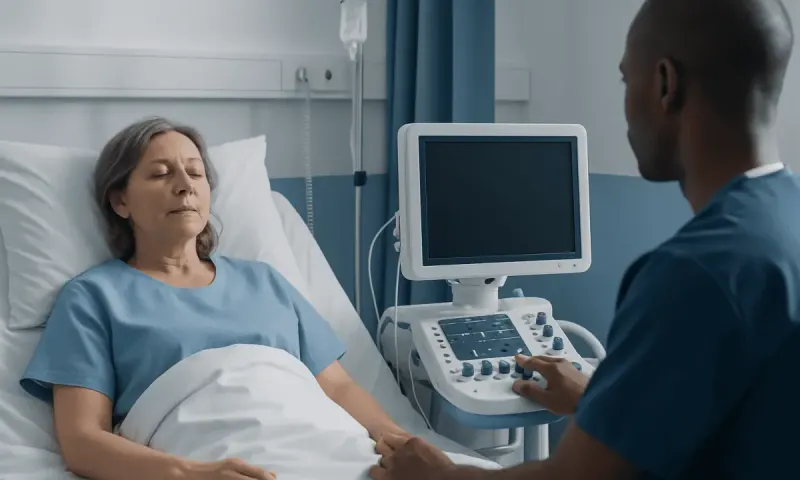
Is Sleeping on Your Left Side Bad for the Heart?
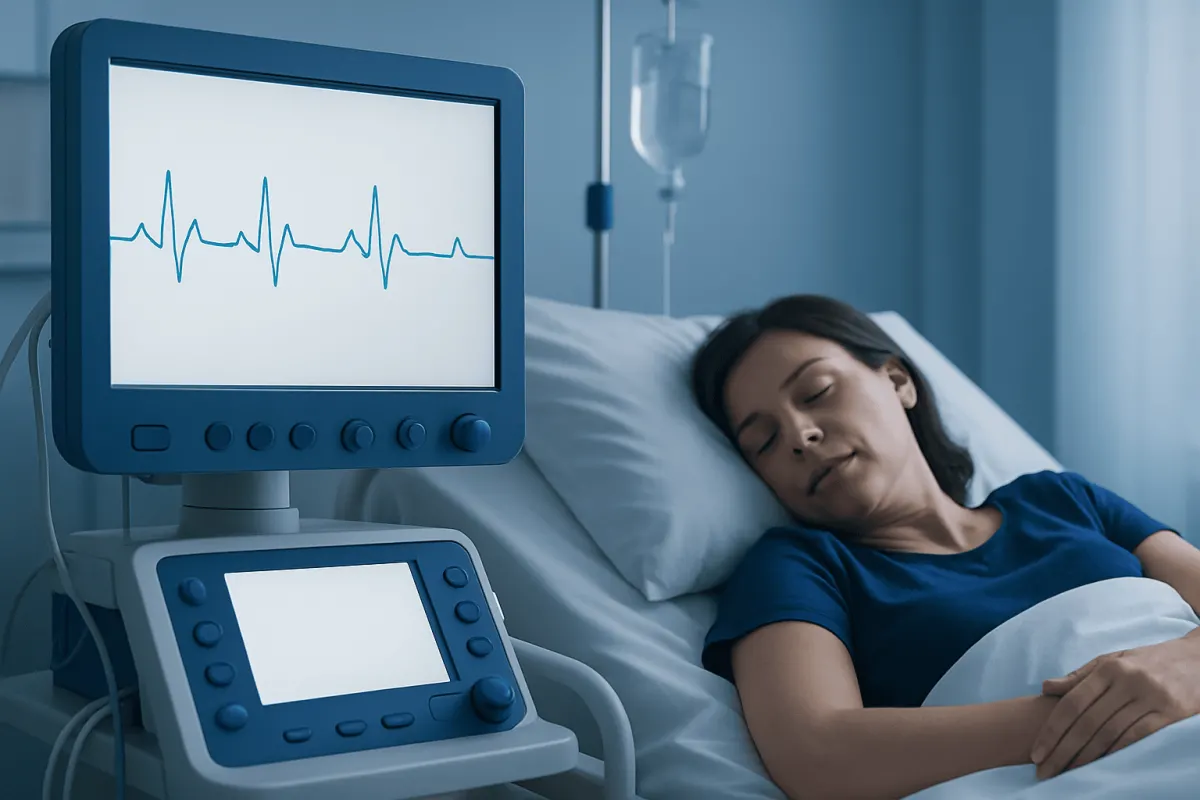
Sleeping on the left side is not harmful to the heart for most people. The position can make normal heartbeats, palpitations, or chest sensations feel more noticeable, but persistent symptoms should be assessed by a qualified clinician.
Overview: Is Sleeping on the Left Side Bad for the Heart?
Sleeping on the left side is not usually bad for the heart. In healthy people, there is no good evidence that this position damages the heart, causes heart disease, or weakens heart function. However, some people become more aware of their heartbeat when lying on the left side, which can feel uncomfortable or concerning even when it is harmless.
The heart sits slightly toward the left side of the chest. When a person lies on the left, the heart may rest closer to the chest wall, making its movement easier to sense. Changes in body position can also alter how blood returns to the heart and how pressure is distributed within the chest, which may make normal beats or occasional skipped beats feel more noticeable.
Comfort matters, particularly for people who have a diagnosed heart or lung condition. A sleep position that causes breathlessness, chest pressure, racing heartbeats, dizziness, or poor sleep should not simply be ignored. Rather than assuming that one side is universally right or wrong, it is best to consider symptoms, medical history, and advice from a healthcare professional.
Why Heartbeats May Feel Stronger on the Left Side
A person may notice a thumping, fluttering, or awareness of their heartbeat while lying on the left side. This is often called cardiac awareness. It can occur because the heart is physically nearer to the chest wall in this position, so each beat may be felt more clearly. Quiet surroundings at bedtime and reduced distractions can make ordinary body sensations more noticeable as well.
Occasional palpitations are common and can be related to stress, lack of sleep, caffeine, alcohol, nicotine, dehydration, fever, or some medicines. Palpitations may feel like a skipped beat, a brief flutter, or a stronger-than-usual beat. They do not always mean there is a heart rhythm disorder, but recurrent or troubling symptoms deserve a medical review.
Left-side symptoms can also be confused with non-cardiac sensations. Reflux, trapped gas, chest-wall muscle tension, anxiety, and changes in breathing can all create discomfort in the chest. Keeping note of when symptoms occur, how long they last, and whether they happen with exercise or daytime activity can help a clinician identify the likely cause.
- Brief awareness of a regular heartbeat without other symptoms is commonly benign.
- A fast, irregular, or sustained heartbeat should be discussed with a clinician.
- Symptoms accompanied by chest pain, fainting, or breathlessness need more urgent assessment.
What Sleep Position Means for Heart Conditions
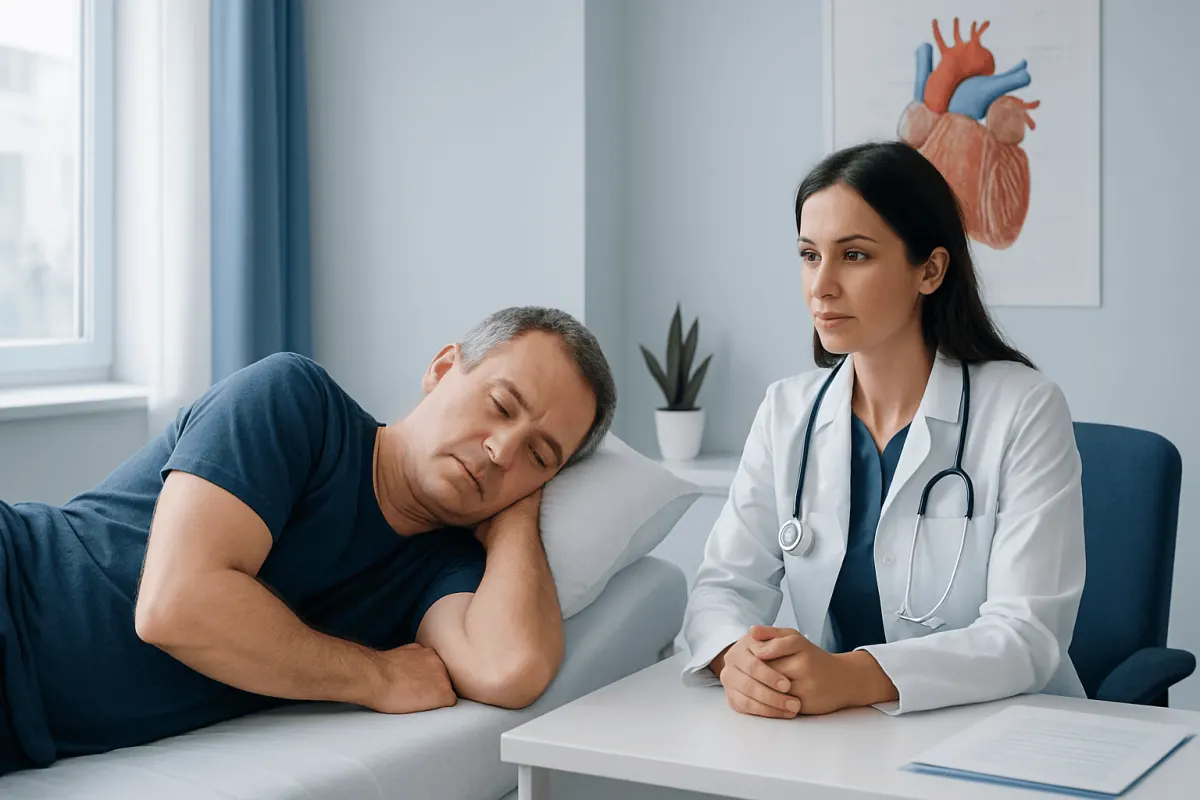
For people without cardiovascular disease, there is no single sleep position proven to protect the heart. Side sleeping, back sleeping, and changing positions during the night are all normal. The most suitable position is generally the one that allows comfortable breathing, adequate sleep, and no concerning symptoms.
Some people with heart failure find that lying flat makes them short of breath. This can happen when fluid shifts toward the chest while reclining, increasing pressure in the lungs. They may feel more comfortable using extra pillows, raising the head of the bed, or sleeping in a more upright position. New or worsening difficulty breathing when lying down is an important symptom to report, especially in someone with known heart failure.
After heart surgery, catheter-based treatment, pacemaker placement, or another chest procedure, a care team may recommend temporary positioning changes for comfort and healing. These instructions vary by procedure and individual circumstances. Patients should follow their surgeon’s or cardiologist’s guidance rather than relying on general advice about left- or right-side sleeping.
Pregnancy is another situation in which left-side sleeping may be discussed. Later in pregnancy, this position can reduce pressure from the uterus on major blood vessels and may improve comfort. This recommendation relates mainly to circulation during pregnancy and should not be interpreted as evidence that the left side is harmful to the heart in other adults.
Left Side, Right Side, Back, and Stomach: Comparing Positions
Each sleeping position has possible advantages and drawbacks, and none is ideal for everyone. Left-side sleeping may be comfortable for many people and can reduce reflux symptoms in some individuals. It may also make heartbeats more noticeable in others. A supportive pillow between the knees and a pillow that keeps the neck aligned can make side sleeping more comfortable.
Right-side sleeping may feel better for people who are bothered by heartbeat awareness on the left. It can also be a practical alternative for someone recovering from an injury or procedure on the left side, if their clinician agrees. However, people with significant reflux may notice more symptoms on the right side, as body position can influence the movement of stomach contents.
Back sleeping can be comfortable when the head, neck, and spine are well supported. Yet it may worsen snoring or obstructive sleep apnea in some people because the tongue and soft tissues can narrow the upper airway. Untreated sleep apnea is associated with increased cardiovascular risk, so people with loud snoring, witnessed breathing pauses, or marked daytime sleepiness should seek assessment.
Stomach sleeping can reduce snoring for some people but may strain the neck or lower back. For heart health, the larger priority is consistently good-quality sleep, treatment of sleep disorders, regular activity, balanced nutrition, and management of blood pressure, cholesterol, diabetes, and smoking exposure.
How to Sleep More Comfortably if the Left Side Feels Unpleasant
If sleeping on the left side brings on uncomfortable heartbeat awareness but no warning symptoms, simple adjustments may help. Trying the right side, using a slightly elevated upper body, or changing pillow support can reduce pressure sensations and improve comfort. A gradual adjustment is reasonable; there is no need to force a position that repeatedly disrupts sleep.
Sleep habits also influence palpitations and restfulness. Limiting caffeine later in the day, avoiding nicotine, moderating alcohol, drinking enough fluids, and establishing a regular sleep schedule may reduce triggers. Relaxation techniques, such as slow breathing or a brief wind-down routine, can be helpful when anxiety makes bodily sensations feel more intense.
People who have reflux-related burning, sour taste, or symptoms after meals may benefit from avoiding large meals close to bedtime and keeping the upper body modestly elevated. Persistent reflux symptoms should be evaluated, as they can affect sleep and sometimes resemble chest discomfort.
A symptom diary can be useful before a medical appointment. It may include sleep position, timing of symptoms, pulse if available, foods and drinks consumed, medicines, stress levels, exercise, and accompanying breathlessness or dizziness. This information can help a clinician decide whether an electrocardiogram, heart monitor, blood tests, sleep assessment, or other evaluation is appropriate.
When to Seek Medical Care
Medical care is appropriate when palpitations are frequent, new, prolonged, or interfering with sleep and daily life. A clinician can review symptoms, medications, personal and family history, and cardiovascular risk factors. Testing may be recommended to identify an arrhythmia or another cause of the symptoms.
Urgent medical assessment is needed for chest pain or pressure that is severe, persistent, or occurs with exertion; sudden severe shortness of breath; fainting; confusion; sweating with chest discomfort; or a rapid or irregular heartbeat that does not settle. These symptoms can have several causes, including serious ones, and should not be attributed to sleep position alone.
People with established heart disease should contact their care team if they develop worsening breathlessness when lying down, swelling in the legs or abdomen, rapid weight change related to fluid retention, reduced exercise tolerance, or new nighttime awakenings caused by shortness of breath. These may indicate a change in their condition and need individualized management.
Acıbadem Health Point’s multidisciplinary specialists and JCI-accredited hospitals diagnose and treat heart-related symptoms for international patients. A clinician can provide personal advice on sleep positioning in the context of an individual’s symptoms, diagnoses, and treatment plan.
Supporting Long-Term Heart and Sleep Health
Sleep position is only one small part of cardiovascular wellbeing. Adults can support heart health by aiming for regular, sufficient sleep, staying physically active within their abilities, choosing a varied diet rich in vegetables, fruits, whole grains, and other minimally processed foods, and avoiding tobacco. Regular health checks can identify high blood pressure, high cholesterol, and diabetes before they cause complications.
Sleep quality deserves attention because fragmented sleep can affect mood, blood pressure, metabolism, and daytime functioning. Snoring that is loud and frequent, breathing pauses observed by another person, waking with gasping, morning headaches, and excessive sleepiness may point to sleep apnea. Evaluation and treatment can improve sleep and may benefit overall cardiovascular health.
People should not stop prescribed heart medicines, change the timing of medicines, or use supplements for palpitations without professional advice. Some over-the-counter cold medicines, weight-loss products, energy drinks, and herbal preparations can affect heart rate or blood pressure. A pharmacist or clinician can help check for potential effects and interactions.
In most cases, a comfortable side-sleeping position is safe. Listening to the body is sensible, but worrying about a normal heartbeat sensation can itself disturb sleep. Persistent, changing, or concerning symptoms should be evaluated so that reassurance or treatment is based on an appropriate medical assessment.
Frequently asked questions
01Can sleeping on the left side cause a heart attack?
No, sleeping on the left side does not cause a heart attack in healthy people. A heart attack results from reduced blood flow to heart muscle, usually due to coronary artery disease and a blockage in a coronary artery. Chest pain or pressure should never be dismissed as being caused only by sleeping position.
02Why do I feel my heart beating when I lie on my left side?
The heart lies slightly to the left of the chest, so it may be closer to the chest wall in this position. This can make normal beats, or occasional extra beats, easier to feel. If the sensation is new, frequent, irregular, prolonged, or associated with other symptoms, medical advice is appropriate.
03Is it better for the heart to sleep on the right side?
There is no universal evidence that right-side sleeping is better for heart health than left-side sleeping. Some people simply find the right side more comfortable because they notice fewer heart sensations. The best position is usually one that allows comfortable breathing and restful sleep.
04Should someone with heart failure avoid sleeping on the left side?
Not necessarily. Sleep-position advice for heart failure is individualized, and the more important issue is whether lying flat or in a particular position causes breathlessness or poor sleep. Anyone with worsening nighttime breathlessness, swelling, or reduced ability to exercise should contact their heart care team.
05Can sleeping on the left side cause palpitations?
The position may make palpitations more noticeable, but it does not usually create a dangerous rhythm problem by itself. Caffeine, stress, alcohol, sleep loss, illness, medicines, and underlying heart rhythm conditions can all contribute. A clinician can assess recurrent or bothersome palpitations.
06When are nighttime heart symptoms an emergency?
Seek urgent medical help for severe or persistent chest pain or pressure, shortness of breath, fainting, marked dizziness, sweating with chest discomfort, or a sustained rapid or irregular heartbeat. These symptoms require prompt assessment regardless of the sleep position in which they occur.
This article is for general information only and is not a substitute for professional medical advice. Please consult a qualified doctor about your individual situation.
Heart care in Turkey — expert evaluation and treatment
JCI-accredited · board-certified surgeons · reply within 24h
Add us as a Preferred Source to see more of our trusted health content across Google Search, AI Overviews and Discover.