Is My Cast Too Tight? Warning Signs to Watch For

A newly applied cast may feel snug as it supports an injured bone or joint, and mild discomfort can often improve with elevation and rest. However, increasing pain, numbness, tingling, marked swelling, coldness, or color changes in the fingers or toes may mean the cast needs prompt medical assessment.
Is My Cast Too Tight?
A cast can feel snug, particularly during the first few days after an injury, fracture reduction, or surgery. This is often related to expected swelling and does not always mean there is a problem. If discomfort is mild and improves after resting and elevating the limb as advised, the cast may simply be adjusting to early swelling.
However, a cast should not cause worsening pressure, severe pain, or changes in how the fingers or toes look or feel. Increasing pain that is not relieved by the prescribed pain plan, numbness, tingling, burning, inability to move the exposed digits normally, or fingers or toes that become pale, blue, unusually swollen, or cold should be assessed urgently. These symptoms can signal that swelling is affecting circulation or nerve function.
It is safest not to wait for a routine appointment if these warning signs occur. The treating orthopedic team, urgent care service, or emergency department can determine whether the cast needs adjustment, splitting, or replacement.
Why a Cast Can Feel Tight
Casts are used to keep an injured area still while tissues heal. They may be made of plaster or fiberglass and are shaped to support the bone, joint, or soft tissues. Because the cast surrounds the limb, swelling inside the cast can create a feeling of pressure.
Swelling is especially common in the first 48 to 72 hours after a fracture, sprain, surgery, or other injury. Keeping the affected arm or leg below heart level for long periods, being more active than recommended, or not moving the exposed fingers or toes can contribute to swelling. Heat may also make swelling more noticeable.
Sometimes a cast feels tight because its edges press on the skin, because padding has shifted, or because a limb’s size has changed after the cast was fitted. A cast that was comfortable initially can therefore become uncomfortable later. This does not necessarily mean the underlying injury has worsened, but it should be checked if the sensation is persistent or increasing.
People being treated for a bone fracture should follow their individual instructions carefully, as the expected amount of swelling and the timing of follow-up can vary according to the injury and treatment plan.
Symptoms That Need Prompt Assessment

It can be helpful to compare the exposed fingers or toes on the casted side with those on the other side. Mild swelling alone may occur, but noticeable changes in color, temperature, sensation, or movement deserve attention. A parent or caregiver should also monitor these signs in children, who may not be able to describe pressure or tingling clearly.
- Increasing pain, tightness, or a feeling that the cast is squeezing the limb
- Pain that remains severe despite the pain-relief plan provided by the clinician
- Numbness, tingling, burning, pins-and-needles, or reduced sensation
- Fingers or toes that are pale, blue, very swollen, cold, or difficult to move
- A new inability to actively wiggle the fingers or toes
- Severe pain when the exposed fingers or toes are gently moved, especially if this is new or worsening
These symptoms may indicate reduced blood flow, pressure on a nerve, or significant swelling within the cast. Rarely, they can be associated with a serious pressure-related condition called compartment syndrome. Prompt assessment is important because relieving pressure early can protect the tissues.
A cast that becomes cracked, soft, wet, very loose, foul-smelling, or causes rubbing, blisters, drainage, or a skin sore also needs medical advice, although these concerns are not always emergencies.
What to Do While Arranging Care
If the treating clinician has recommended it, raising the casted arm or leg above heart level can help limit swelling. For an arm, this may mean supporting it on pillows while resting; for a leg, pillows can be placed beneath the leg as instructed. Avoid placing a pillow directly under the knee for prolonged periods unless the care team has advised this.
Gently moving the fingers or toes that remain outside the cast may support circulation and reduce stiffness, provided this does not cause substantial pain and has not been restricted by the clinician. Follow any weight-bearing, activity, and pain-management instructions given after the injury or procedure.
Do not cut, trim, spread, or try to remove a cast at home. Do not push rulers, pens, powders, creams, or other objects inside it to relieve itching, as this can injure the skin and increase infection risk. A hair dryer on a cool setting may sometimes help with itching, but patients should first follow the advice provided by their care team.
If there are circulation or nerve warning signs, elevation should not delay urgent assessment. Contact the treating service immediately or seek emergency care according to local guidance.
How a Doctor Checks a Tight Cast
A clinician will ask when the tightness started, whether it is getting worse, and whether elevation or rest changes the symptoms. They will also review the injury, the timing of the cast, recent activity, pain medicines, and any new symptoms such as fever, drainage, or a fall.
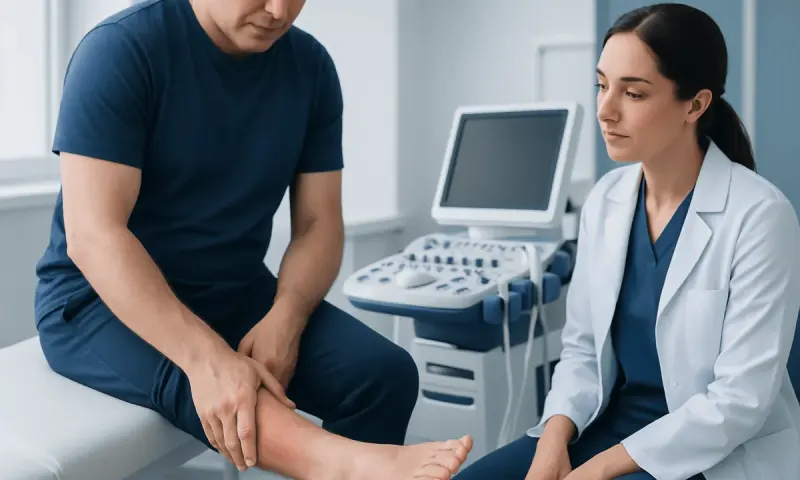
The physical examination usually includes checking the exposed fingers or toes for swelling, skin color, warmth, sensation, movement, and blood flow. The clinician may assess the pulse where appropriate and compare the affected limb with the opposite side. They will inspect the cast for pressure points, damaged areas, moisture, and signs that the cast fit has changed.
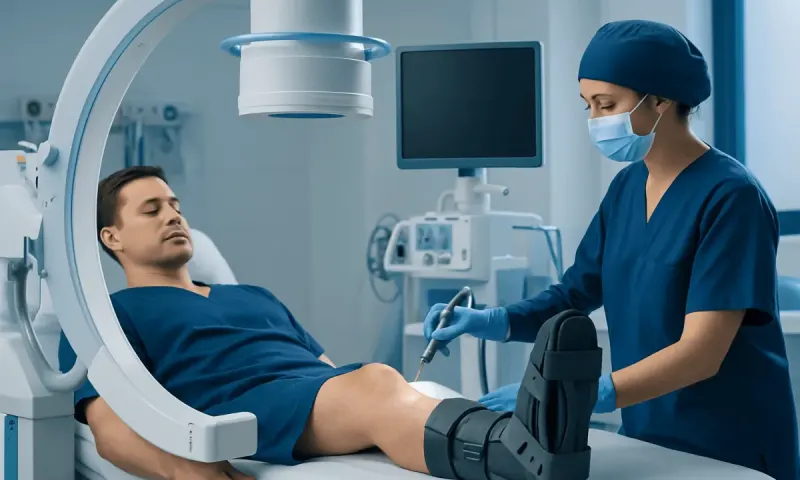
If pressure from swelling is suspected, the cast may be split or opened to create more room, then reinforced or replaced when swelling settles. The team may also adjust padding, treat skin irritation, or arrange imaging if there is concern about the alignment or healing of the injury. orthopedic care can include cast review and follow-up tailored to the specific injury.
Testing is not always needed for a tight-feeling cast. The decision depends on the symptoms, examination findings, and the type of injury being treated.
Cast Care That Helps Prevent Pressure Problems
Following early aftercare instructions is one of the most useful ways to manage swelling. Rest when advised, keep the injured limb elevated during the first days, and avoid activities that increase throbbing or pressure. Attend scheduled follow-up visits, even if the cast seems comfortable, because these appointments help confirm that healing and cast fit remain appropriate.
Keep the cast dry unless it is specifically designed for water exposure. Cover it during bathing as instructed, and contact the care team if it becomes wet or soft. Avoid modifying the cast or removing padding, since both can alter support and expose the skin to pressure.
Patients should check the exposed fingers or toes regularly for normal color, warmth, sensation, and movement. A comfortable cast can become tight after increased swelling, travel, hot weather, or a change in activity. Seeking advice early is generally easier and safer than trying to manage persistent pressure independently.
Acıbadem Health Point’s multidisciplinary specialists and JCI-accredited hospitals provide orthopedic assessment and follow-up for international patients who need care for injuries requiring immobilization.
When to Seek Medical Care
Contact the orthopedic clinic or treating clinician promptly if the cast feels increasingly tight, causes persistent rubbing or pain, becomes damaged or wet, or if swelling does not improve with the measures the clinician has recommended. It is also appropriate to call for advice if there is a new unpleasant odor, drainage, fever, or concern about a skin problem beneath the cast.
Seek urgent medical care immediately for severe or escalating pain, numbness, tingling, weakness, inability to move the fingers or toes, or digits that are pale, blue, cold, or markedly swollen. These symptoms should not be managed by waiting for the next scheduled review.
After a new injury to a limb in a cast, such as a fall or blow, medical review may be needed even if the cast appears intact. The care team can advise whether the cast and the original injury require reassessment.
Frequently asked questions
01How tight should a cast feel?
A cast should feel firm and supportive, but it should not create increasing pressure or severe pain. Mild snugness can be common soon after application because swelling often follows an injury. If the sensation becomes worse or is associated with numbness, color changes, coldness, or difficulty moving fingers or toes, it needs urgent assessment.
02Can swelling make a cast feel tight after a few days?
Yes. Swelling often peaks during the first days after an injury or procedure, and a cast that initially felt comfortable may later feel tighter. Elevation and the care plan provided by the treating clinician may help, but worsening pressure should be reported.
03Should I loosen my cast myself if it feels too tight?
No. A person should not cut, spread, trim, or remove a cast at home unless specifically instructed by a healthcare professional. Improper changes can reduce support for the injury, damage the skin, or delay appropriate treatment.
04What if my fingers or toes are swollen in a cast?
Mild swelling can occur, especially shortly after the cast is applied. However, marked swelling or swelling with pale, blue, cold, numb, or difficult-to-move fingers or toes requires urgent medical evaluation. Comparing the exposed digits with the other limb can help identify important changes.
05Can I sleep with my cast elevated?
Elevation may be recommended during the first days to help reduce swelling, including while resting or sleeping. The safest position depends on the injury and cast location, so patients should follow their clinician’s instructions about pillows and positioning. If symptoms suggest impaired circulation or nerve pressure, urgent evaluation is more important than continued home elevation.
06When is cast pain an emergency?
Cast pain is an emergency when it is severe, worsening, or not relieved by the prescribed pain plan, particularly if it occurs with numbness, tingling, weakness, coldness, or color changes in the fingers or toes. These signs can indicate pressure affecting nerves or circulation. Immediate medical assessment is recommended.
This article is for general information only and is not a substitute for professional medical advice. Please consult a qualified doctor about your individual situation.
Joint and spine care in Turkey — expert assessment & treatment
JCI-accredited · board-certified surgeons · reply within 24h
Add us as a Preferred Source to see more of our trusted health content across Google Search, AI Overviews and Discover.